10ft Shipping Containers for Sale: Uses, Costs, and Delivery
A 10ft shipping container is the compact option for buyers who need secure steel storage but do not have room for a full 20ft or 40ft unit. For Raleigh homeowners, infill builders, small farms, landscape crews and Southeast jobsite managers, the smaller footprint can make the difference between a practical drop and a delivery headache.
A search for shipping container for sale 10ft usually means the buyer already has a tight use case in mind: a narrow driveway, a residential lot, a small commercial yard or a short-term construction project with limited staging space. The key is understanding what you are actually buying, how grades affect price and how delivery works before the truck arrives.
Lease Lane Containers LLC supplies new one-trip and used containers to customers in Raleigh, across North Carolina, throughout the Southeast and nationwide. Here is what to know before you choose a 10ft container.
Why buyers choose a 10ft shipping container
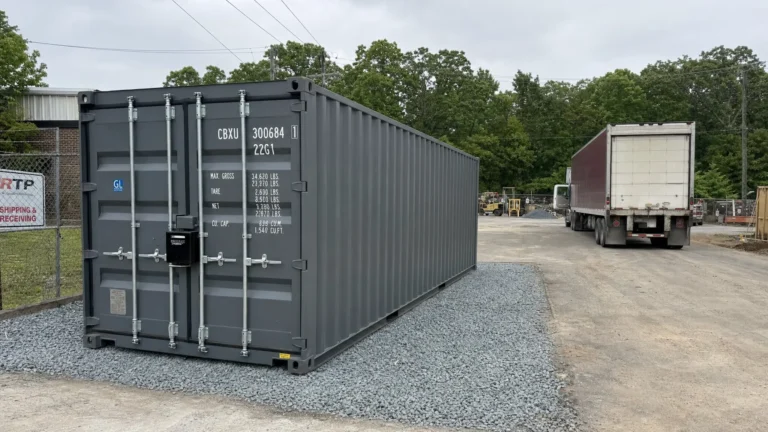
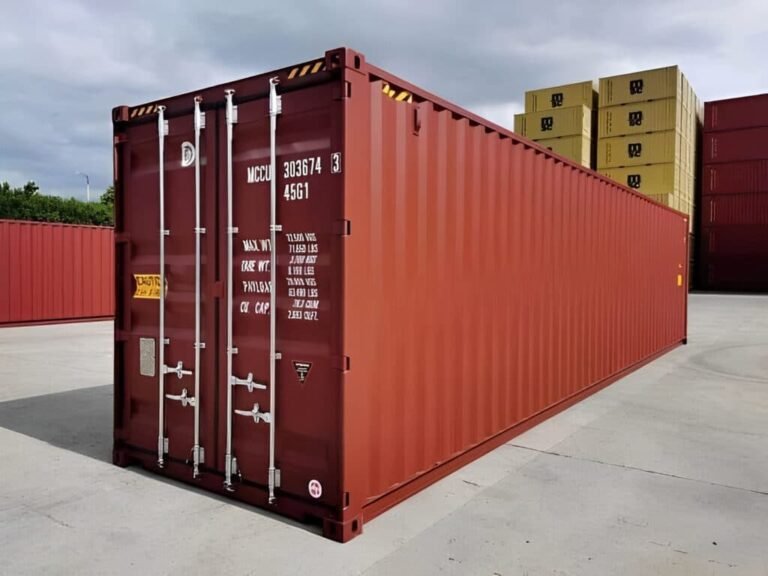
A typical 10ft dry shipping container is about 10ft long and 8ft wide, giving you roughly 80 square feet of floor area in a steel enclosure. Standard-height containers are commonly about 8ft 6in tall. High Cube containers add about one extra foot of height, though 10ft High Cube availability is more limited than 20ft and 40ft High Cube units.
The biggest advantage is placement flexibility. A 10ft unit can often fit where a 20ft container would block access, create turning problems or violate a site setback. On a Raleigh remodel, for example, a 10ft container may sit at the edge of a driveway without taking over the whole property. On a farm, it can secure feed, fencing tools or parts near the work area without requiring a large pad.
That compact footprint does not mean every 10ft container is automatically cheaper or easier to source. Ten-foot containers are less common in the resale market than 20ft containers. Some are purpose-built compact units, while others are cut down from longer ISO containers. That is why grade, construction, door condition and delivery cost matter as much as the size printed on the listing.
Best uses for 10ft shipping containers
The 10ft size is best when the goal is secure, ground-level storage in a tight space. It is usually not the right choice for large inventory rotation, pallet-heavy logistics or full workshop conversions, but it can be excellent for focused storage.
| Use case | Why a 10ft container works | Buyer note |
|---|---|---|
| Residential storage | Fits many driveways and side yards better than larger containers | Check HOA rules and local permit requirements before delivery |
| Contractor tool storage | Keeps tools, fasteners and small equipment secured on site | Add a lockbox or high-security padlock if storing valuable tools |
| Farm and acreage storage | Good for feed, fencing supplies, irrigation parts and small machinery | Choose a level pad with drainage to reduce standing water around the base |
| Small business overflow | Useful for seasonal inventory, records or event equipment | Confirm the unit is clean, dry and easy to access daily |
| Retail pop-up support | Stores fixtures, signage and product near a temporary sales location | Consider appearance, paint condition and door operation |
| Utility and maintenance storage | Good for landscaping crews, property managers and parks | Wind & Watertight grade may be enough if the unit will not ship cargo |
For general contractors and home builders in North Carolina, a 10ft container is often a way to keep high-theft items close without overcommitting space. For small business owners, it can provide a cost-effective overflow solution when warehouse rent is too expensive or seasonal demand is temporary. For homeowners, the appeal is simple: steel storage delivered to the property without building a permanent shed.
Understand the grades before you compare prices
Container grading is where many buyers make costly mistakes. Two 10ft containers can look similar in photos but serve different purposes. Lease Lane Containers prioritizes transparent grading because grade affects price, service life and whether the container should be used for storage only or cargo transport.
Most shipping containers are built from Corten Steel, also called weathering steel. Corten is designed to form a protective oxide layer, which helps it perform well in outdoor environments. It is rust-resistant, not rust-proof. Door seals, roof condition, corner posts, floor condition and previous use still matter.
ISO standards matter too. A container built to ISO standards uses standardized dimensions, corner castings and structural requirements that make it compatible with intermodal handling equipment. If you plan to move the container by truck, rail or vessel, ask whether the unit is ISO certified and whether any certification documents or plates are current.
| Grade or condition | What it means | Best for |
|---|---|---|
| One-Trip | A newer container that has typically made one cargo trip from the factory before resale | Buyers who want cleaner condition, better appearance and longer expected service life |
| Cargo Worthy | A used unit inspected as structurally suitable for cargo transport | Transport, export planning and buyers who need more than basic storage condition |
| Wind & Watertight (WWT) | A used container that should keep out wind and rain when doors, seals and roof are sound | Jobsite storage, farm storage and property storage where ocean shipping is not required |
| Used cut-down | A shorter unit made by modifying a longer container | Tight-space storage, but welds, roof seams and door framing should be inspected closely |
One-trip units usually cost more upfront because they offer cleaner cosmetics and less wear. Cargo Worthy units are used but should be structurally suitable for carrying cargo. If the container will go overseas, confirm current CSC and carrier requirements before purchase. WWT units can be a smart value for stationary storage, but they are not sold as ship-ready cargo equipment.
For buyers comparing compact one-trip options, Lease Lane lists the 10ft Blue One Trip Shipping Container for Sale – ISO Certified as a useful reference point for ISO-certified 10ft storage. If corrosion resistance and a green exterior are a better fit for the site, the Heavy-Duty 10ft x 8ft One-Trip Green Steel Shipping Container is described with heavy-duty Cor-Ten steel construction. Buyers focused on lower upfront cost may also compare a used 10ft cut-down steel shipping container, then ask for current photos and grading details before committing.
What affects the cost of a 10ft shipping container?
The cost of a 10ft shipping container is not just the box. A proper quote should account for the unit, its grade, delivery distance, site conditions and any requested options. In many markets, a 10ft container can cost more per square foot than a 20ft container because compact units are less common and may require modification or special sourcing.
| Cost factor | How it affects your quote |
|---|---|
| Grade | One-trip usually costs more than WWT used storage units because of condition and remaining service life |
| Construction type | Purpose-built, ISO-certified and cut-down units may carry different costs |
| Location | Raleigh-area delivery may differ from remote delivery in the mountains, coast or another state |
| Delivery access | Tight turns, soft ground, slopes or blocked driveways can require different equipment or planning |
| Appearance | Cleaner paint, fewer dents and retail-friendly condition usually increase cost |
| Add-ons | Lockboxes, vents, shelving, paint, roll-up doors and office modifications add to the base price |
| Timing | Availability changes with market supply, port flow and regional demand |
Be cautious with listings that show an attractive container price but hide delivery, taxes or access fees until the end. A clear delivered quote should spell out what grade you are receiving, whether the unit is one-trip, Cargo Worthy or WWT, what delivery method will be used and what the driver can reasonably do on site.
For Raleigh and Southeast buyers, delivery can be a meaningful part of the total cost because the truck, route, fuel, driver time and placement conditions all factor into the quote. That is why a local conversation is often more useful than a generic national listing.

How 10ft container delivery usually works
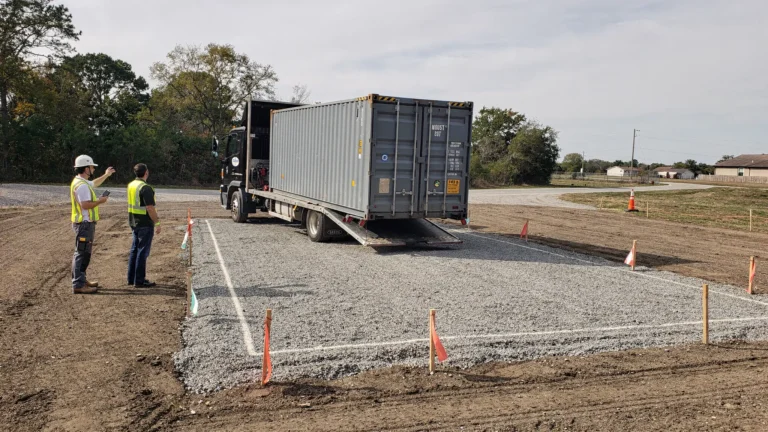
Most ground-level 10ft container deliveries use a tilt-bed or roll-back style truck. The truck backs into position, raises the bed and slides the container onto the prepared surface. A smaller container can make placement easier than a 40ft unit, but the truck still needs a safe approach, stable ground and enough straight-line clearance.
Placement is not the same as crane setting. A tilt-bed delivery is efficient and practical for most homes, farms and jobsites, but it requires the container to come off in the direction the truck is aligned. If you need the container tucked behind a building, turned at an exact angle or placed over a fence, tell the sales team early so the right equipment can be discussed.
Door orientation is another detail to confirm before delivery. Depending on how the unit is loaded on the truck, the doors may face a particular direction when it comes off the bed. If your container doors need to face the driveway, jobsite entrance, barn or loading area, make that part of the delivery plan instead of leaving it to the day of arrival.
A good delivery conversation should cover:
- The exact drop location and whether the truck can pull straight in and out
- Overhead obstructions such as trees, wires, carports and building overhangs
- Ground conditions including mud, slope, asphalt strength and drainage
- Door orientation and daily access needs
- Whether the site is residential, commercial, agricultural or active construction
- Any time restrictions, gate codes or neighborhood access limits
Lease Lane Containers can help buyers think through these details before dispatch, which is especially useful in older Raleigh neighborhoods, rural North Carolina properties and tight Southeast construction sites.
Pro-Tip: Prepare the drop spot before delivery
A 10ft container still needs a stable base. The best small-container installations usually start with a level gravel pad, railroad ties, concrete blocks or another stable support system that keeps the steel frame off standing water. The goal is simple: support the corner castings or frame evenly, reduce twisting and allow water to drain away from the floor structure.
If the container sits on uneven ground, the doors may become harder to open because the frame can rack slightly. If it sits directly in a low, wet area, the underside can stay damp longer than necessary. In Raleigh and much of the Southeast, humidity, clay soils and heavy rain make drainage more important than buyers expect.
Before delivery day, clear the route and pad area. Trim low branches, move vehicles, mark sprinkler heads, unlock gates and make sure pets or livestock are secured. If the truck needs to cross a lawn or gravel driveway, consider recent rain and soil softness. Drivers can do a lot, but they cannot safely place a container where the truck may sink or tip.
Permit rules are local. In Raleigh, Wake County and surrounding municipalities, requirements can vary based on zoning, duration, visibility from the street, whether the container is temporary or permanent and whether it will be connected to utilities. Homeowners should also check HOA rules. Contractors should confirm jobsite requirements with the project owner or general contractor before scheduling delivery.
When a 10ft container is not enough
A 10ft container is excellent for tight spaces, but it is not always the best value if you have room for more length. If you need to store pallets, lumber, bulky tools or larger inventory, a 20ft container may provide a better balance of capacity and maneuverability. Buyers comparing the next size up can review Lease Lane's 20ft shipping container buyer tips before deciding.
For large jobsites, equipment yards, developers and agricultural operations, a 40ft container can reduce cost per square foot when space allows. Lease Lane also offers larger options such as a standard used 40ft shipping container for buyers who need bulk storage rather than compact placement.
| Size or type | Best fit | Watch for |
|---|---|---|
| 10ft | Tight residential spaces, small jobsites, farm supplies and focused storage | Higher cost per square foot and limited availability |
| 20ft | General construction storage, remodels, small business inventory and workshops | Needs more delivery clearance and pad space |
| 40ft | Bulk storage, large jobsite staging, farm equipment and warehouse overflow | Requires significant space for delivery and placement |
| High Cube | Taller equipment, shelving, modified offices and extra vertical clearance | Availability and delivery height constraints |
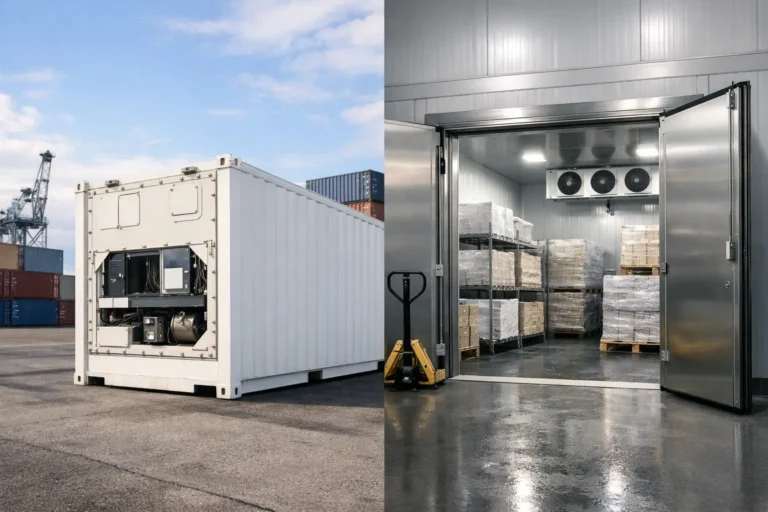
| Refrigerated reefer | Cold storage and temperature-sensitive goods | Requires power planning and different operating considerations |
If you are unsure, measure what will go inside before choosing the container. A 10ft unit can fill up quickly once shelves, walkways and door swing clearance are considered.
What to ask before buying a 10ft container
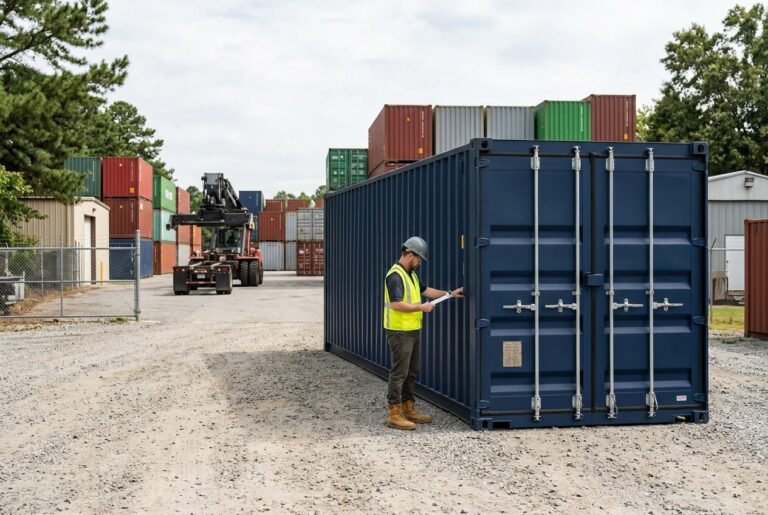
A reputable seller should be able to explain the container's grade, condition and delivery plan in plain language. Photos should show all sides when possible, plus the roof, floor, doors, seals and locking gear. For used or cut-down containers, ask about welds, modifications and whether the unit has been repaired.
Use this short checklist before approving a quote:
- Confirm the grade: one-trip, Cargo Worthy, WWT or used cut-down
- Ask whether the unit is ISO certified if transport compatibility matters
- Review door operation, gaskets, hinges and locking rods
- Ask for current photos, not only sample images
- Confirm the delivered price and what site conditions are assumed
- Discuss pad preparation, truck access and door orientation
The cheapest unit is not always the lowest-cost choice. A container with poor doors, roof leaks or unclear delivery terms can create more work than it saves. For buyers in Raleigh and the wider USA, transparent grading and delivery planning are what turn a container purchase into a useful long-term asset.
Frequently Asked Questions
Is a 10ft shipping container big enough for contractor storage? Yes, if you are storing tools, fasteners, safety gear, small equipment or high-value items that need to stay locked near the work area. For lumber, pallets or larger machinery, a 20ft container may be more practical.
Are 10ft shipping containers ISO certified? Some are, but you should verify before buying. Ten-foot units may be purpose-built, ISO-certified units or cut-down containers. If the container will be transported, lifted or used in cargo service, ask for the relevant certification details.
What is the difference between One-Trip, Cargo Worthy and WWT? One-trip containers are newer and usually cleaner. Cargo Worthy containers are used but inspected as structurally suitable for cargo transport. WWT containers are intended to keep out wind and rain for storage, but they are not represented as ship-ready.
Do I need a permit for a 10ft container in Raleigh? It depends on the property, duration, zoning, visibility and intended use. Temporary jobsite storage may be treated differently from a permanent storage structure. Check with the City of Raleigh, your municipality, county office or HOA before delivery.
Can a 10ft container be delivered to a residential driveway? Often, yes, but the driveway must have enough access, clearance and strength for the delivery truck. Discuss slopes, turns, overhead wires, trees and door orientation with the sales team before scheduling.
Why can a 10ft container cost more per square foot than a 20ft container? Ten-foot containers are less common, and some require special sourcing or modification from longer units. The smaller footprint saves space, but it does not always reduce handling, trucking or preparation costs by the same amount.
Need help choosing a 10ft unit for a jobsite, farm, home or small business? Contact Lease Lane Containers LLC at sales@leaselanecontainers.com, request clear delivered pricing or visit the Raleigh office to talk through grade, size, delivery and site preparation with a local team.