

Are One Trip Containers Worth It for Storage?
A container can look like a simple steel box until you need it to protect tools, inventory, feed, equipment, or a future build for the next 10 years. Are one trip containers worth it for that job? Often, yes – but not automatically. The right answer depends on what you are storing, how visible the container will be, how long you expect to own it, and whether a lower-priced used unit can meet the same operational need.
A one-trip container is typically the closest thing to new that most buyers can purchase in the shipping container market. It has been loaded with cargo overseas once, then sold after arrival in the United States. That single trip means it is not technically unused, but it has far less wear than a container that has spent years in international service.
What You Get With a One-Trip Container
One-trip containers are built from Corten Steel and manufactured to ISO shipping standards. They were designed to be stacked, lifted, transported by ship and rail, and kept secure through difficult weather. For a buyer using one as ground-level storage, that structural strength is a major advantage.
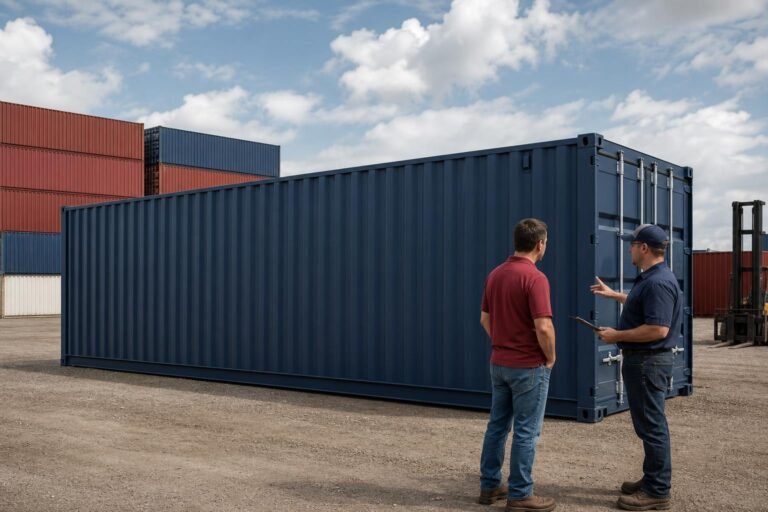
Compared with most used containers, a one-trip unit generally has cleaner exterior panels, newer door hardware, a more presentable interior, and a wood floor with minimal wear. It may still show small dents, handling marks, or cosmetic scuffs from its trip through the supply chain. “One trip” should not be interpreted as showroom-perfect condition.
The practical benefit is predictability. A newer unit is less likely to arrive with extensive surface corrosion, prior repairs, patches, mismatched paint, or signs of hard service. For contractors securing high-value equipment, retailers planning a pop-up space, or homeowners placing a container near a residence, that cleaner starting condition can justify the higher purchase price.
Are One-Trip Containers Worth It for Your Use?
A one-trip container is most worthwhile when condition affects the value of the project, not just the appearance of the box. If you need dry, secure storage immediately and do not want to spend time evaluating repairs or repainting, a newer unit reduces uncertainty.
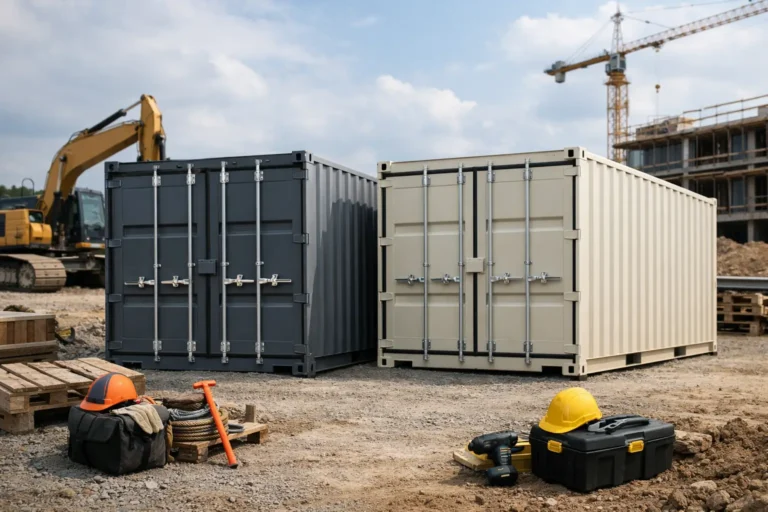
For a construction site, that can mean a 20-foot unit for tools, generators, and materials that needs to look professional in front of a client. For a farm, it can mean a 40-foot container that will store equipment parts, seed, or seasonal supplies for years. For a homeowner, it can mean avoiding a heavily weathered container beside a driveway, barn, or workshop.
One-trip units are also a strong choice for conversion projects. A clean, relatively straight container is easier to plan around when adding windows, personnel doors, electrical systems, insulation, shelving, or interior finishes. Modifications always require proper structural planning, especially when cutting openings into sidewalls, but starting with a newer shell can reduce surprises.
That said, a one-trip container is not always the best value. If the container will sit behind a warehouse, serve as short-term material storage, or hold items that do not require a clean interior, a used Wind and Watertight unit may perform just as well for less money. The key is to buy the condition your use requires, rather than paying for appearance you will never use.
One-Trip vs. Used: The Real Trade-Off
The core difference is not whether one container is “good” and the other is “bad.” It is the balance between upfront cost, cosmetic condition, and tolerance for wear.
A used container that is properly graded as Wind and Watertight, often called WWT, should have functioning doors, an intact roof, and no active leaks under normal conditions. It can be a practical storage solution. However, it may have dents, surface rust, repaired areas, worn flooring, faded paint, old shipping labels, and exterior damage from years of handling.
A Cargo Worthy container meets a higher inspection standard for international shipping. That designation matters if you plan to load it for ocean transport, but it is not always necessary for stationary storage. A container can be suitable for storage without being the right choice for export. Asking for the correct grade prevents spending money on certification you do not need.
One-trip containers typically offer a cleaner and more uniform appearance, but they still need to be inspected for the specifications that matter to your job. Confirm the size, exterior dimensions, door location, floor condition, lockbox options, color availability if appearance matters, and delivery method before purchase.
When the Higher Price Makes Financial Sense
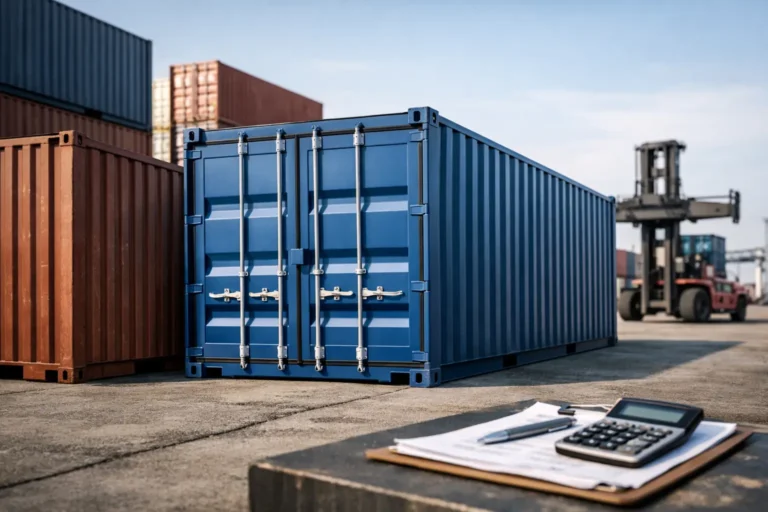
The premium for a one-trip container can make sense when it prevents later expenses. A lower-cost used container may require cleaning, rust treatment, repainting, door adjustment, roof repair, or floor work before it fits the intended use. Those costs can narrow the initial savings, particularly if you need contractors or specialized labor.
For commercial buyers, appearance can be operationally relevant. A container near a customer entrance, retail site, active jobsite, or managed property needs to support a professional presentation. A cleaner one-trip unit is often easier to approve with property managers and easier to brand or modify for a visible application.
Long-term ownership is another factor. If you expect to keep the container for a decade or longer, buying newer can provide more usable life before corrosion and repair needs become a concern. This does not eliminate maintenance. Every steel container benefits from drainage, ventilation, periodic roof checks, and prompt treatment of paint damage. It simply gives you a better baseline.
When a Used Container Is the Smarter Purchase
Used containers are often the sensible choice for secure, functional storage where appearance is secondary. A construction company may need several units across multiple sites. An agricultural operation may need a large storage footprint quickly. A warehouse may need inventory overflow behind the building. In these cases, the savings from used WWT containers can be more valuable than the cleaner finish of one-trip equipment.
The most cost-effective decision may also be mixed. For example, a customer-facing office or retail conversion could use a one-trip container, while less-visible storage uses WWT units. Matching container condition to each application keeps the budget focused where it matters.
Do not choose solely by photos or a broad label such as “used.” Request verified condition details. Ask whether the unit is WWT or Cargo Worthy, whether there are known repairs, and what cosmetic wear to expect. Clear grading and clear pricing are more useful than vague promises about condition.
Delivery Can Change the Value Equation
A container that suits your budget is not a good purchase if it cannot be placed safely on your site. Delivery access is especially important for 40-foot and 45-foot units, which require more turning room and a longer approach than a 20-foot container.
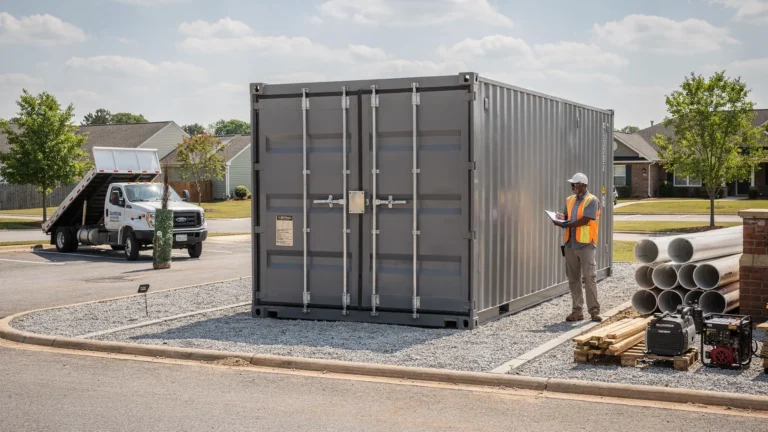
Before ordering, confirm the delivery truck type, access route, gate width, overhead clearance, ground conditions, placement direction, and required unloading space. A tilt-bed delivery can place a container at ground level, but it needs substantial straight-line clearance as the unit slides off the trailer. Ground-level drop-off can be useful for many residential and job-site applications, while a crane or other equipment may be required where access is restricted.
Your foundation should be level, stable, and designed to keep the container corners supported. Concrete piers, gravel pads, or properly engineered supports are common options depending on soil and intended use. Avoid placing a container directly on uneven ground, where doors can bind and water can collect beneath the unit.
A Practical Buying Standard
Before deciding, compare the one-trip premium against the work a used container would need to meet your expectations. Consider four questions:
- Will customers, neighbors, or property managers regularly see it?
- Are you storing high-value or moisture-sensitive materials?
- Do you plan to modify it into an office, workshop, retail space, or long-term structure?
- Would repairs, repainting, or a poor first impression cost more than the difference in purchase price?
If the answer is yes to several of these questions, a one-trip unit is usually a sound investment. If your priority is basic secure storage at the lowest practical cost, a verified WWT used container may be the better fit.
The best container is not necessarily the newest one. It is the unit with the right grade, size, condition, and delivery plan for the work you need it to do. Clear specifications before delivery are what keep a storage purchase from becoming an expensive surprise.

3 Comments