

How to Buy a Used Storage Container Safely
A used storage container can solve an urgent storage problem quickly, but the lowest advertised price is rarely the full decision. Condition, door operation, delivery access, and the ground beneath the container all affect whether the unit works as expected on day one. For contractors, farm operators, property owners, and retail managers, the goal is straightforward: secure, weather-resistant storage with no condition surprises and no delivery-day complications.
The right container is not necessarily the newest-looking unit. It is the unit with a verified grade, the right dimensions for the materials going inside, and a delivery plan that matches the site.
Start With the Job, Not the Container Price
Before comparing listings, define what the container needs to do. A construction crew storing power tools, compressors, and boxed materials usually needs secure ground-level access and dependable doors. An agricultural operation may need room for seasonal equipment, feed, or fencing supplies. A homeowner may care more about exterior appearance if the container will sit near a residence or become part of a workshop project.
A standard 20-foot container is often the practical choice for tight sites and moderate storage needs. It provides roughly 1,170 cubic feet of interior space and is easier to position than a 40-foot unit. A 40-foot container offers roughly 2,390 cubic feet and can be more economical per square foot when the site has adequate room for delivery and door access. High-cube containers add about one foot of interior height, which matters for tall shelving, equipment, or future conversion work.
Buying more length than needed can create a site-access problem. Buying too little often leads to crowded aisles, damaged inventory, and a second container purchase later. Measure what is being stored, allow room to move inside, and decide whether the doors need to open fully every day or only occasionally.
What a Used Storage Container Grade Tells You
Container grades are not interchangeable labels. They describe a container’s suitability for particular uses, and buyers should ask for the grade in writing before committing to a unit.
Wind and Watertight Containers
A Wind and Watertight, or WWT, container is generally the best fit for on-site storage. The structure is intended to keep wind and rain out, though it may show dents, surface rust, patches, or prior repairs from its years in ocean service. Cosmetic wear is normal on used containers. It does not automatically indicate a weak unit.
For job-site storage, agricultural supplies, and household items, a WWT unit is often the sensible balance between price and performance. Still, ask about the door seals, floor condition, roof repairs, and visible corrosion. “Watertight” should mean more than a vague assurance that the container looks usable from a distance.
Cargo Worthy Containers
Cargo Worthy, often called CW, means the container can meet the structural and safety requirements needed for international shipping, subject to inspection and certification requirements. This grade can be valuable for buyers who expect to ship the unit or want a container with stronger documented structural condition.
For stationary storage, Cargo Worthy may be more than necessary. It depends on the use case. If the container will remain on a prepared property and never travel by vessel, a verified WWT unit may deliver better value. If export or repeated transport is part of the plan, Cargo Worthy status is worth discussing early.
One-Trip and Refurbished Options
A one-trip container has typically made a single cargo journey from its manufacturing origin. It generally has fewer dents, less corrosion, and a cleaner exterior than a used unit, but it costs more. It can make sense for visible retail installations, residential properties, custom builds, or projects where appearance matters.
Refurbished containers vary by provider. The useful question is not simply whether a unit has been refurbished, but what work was completed. Ask whether repairs involved door hardware, floor treatment, roof patches, repainting, rust removal, or replacement gaskets. Clear specifications prevent a cosmetic repaint from being mistaken for a comprehensive structural refurbishment.
Inspect the Parts That Affect Daily Use
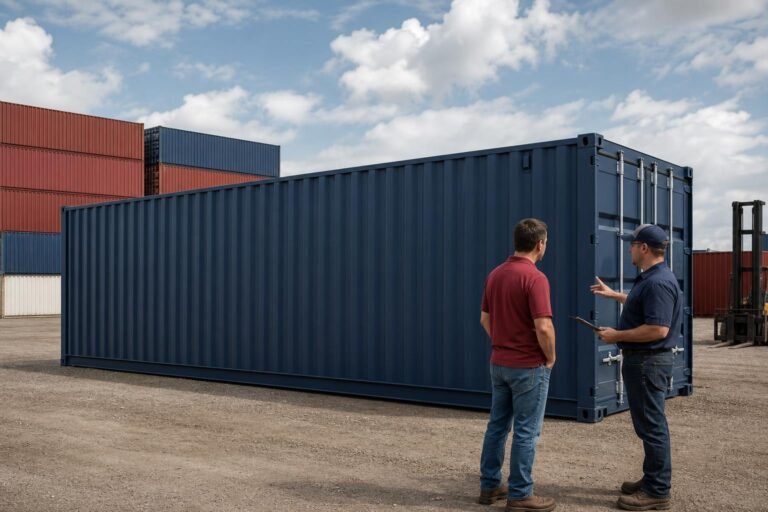
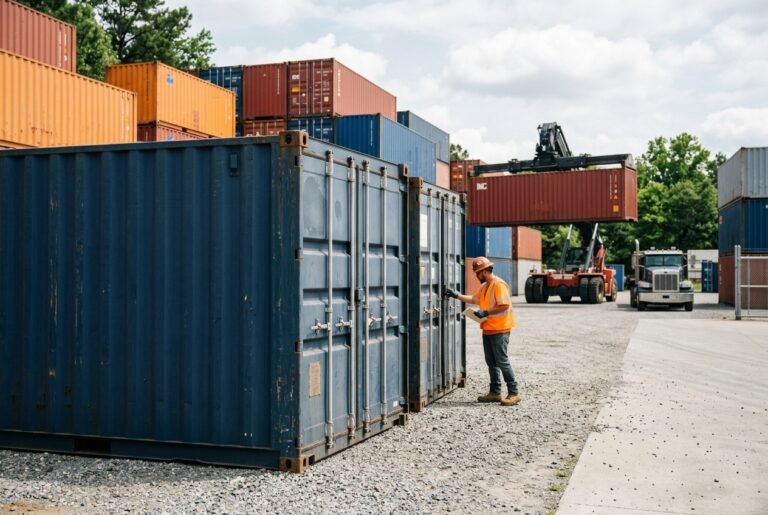
Photos help, but they should not replace a clear condition report. A shipping container is built from Corten steel, a weathering steel designed for harsh environments. It is durable, yet years of handling can leave dents, scrapes, and surface oxidation. The key is separating expected cosmetic wear from issues that affect security, weather resistance, or usability.
Pay close attention to the roof. Small roof dents are common, but standing water can eventually create leaks if drainage is poor or prior damage was repaired poorly. Ask whether the roof has been inspected for pinholes and patches. Inside, look for daylight at roof seams, side panels, and door corners.
The doors deserve equal attention. Confirm that both doors open, close, and lock properly. Stiff doors may be caused by an unlevel container, but worn hinges, damaged locking bars, or poor alignment can also be involved. For a container that will be accessed every workday, functioning door gear is not a minor detail.
Inspect or request information about the flooring as well. Many containers have marine-grade plywood floors that may show forklift marks, staining, or minor wear. Determine whether the floor is solid, dry, and suitable for the intended load. If food products, sensitive inventory, or finished retail merchandise will be stored inside, ask about prior cargo history and whether cleaning or floor sealing is advisable.
Prepare the Site Before Delivery Is Scheduled
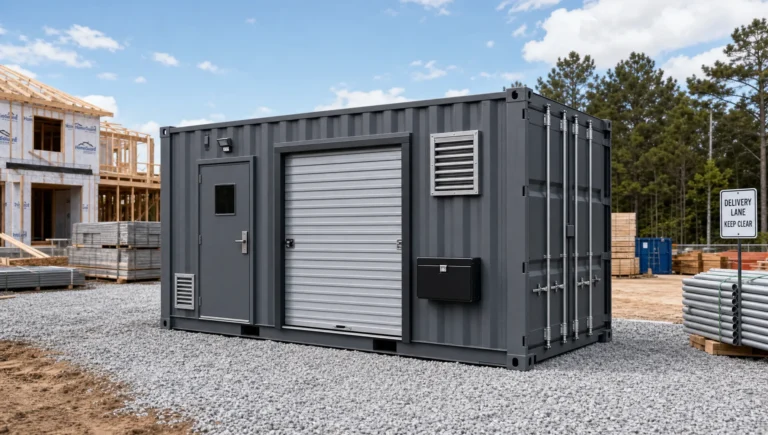
A good container can perform poorly when placed on an unprepared site. The base should be firm, reasonably level, and capable of supporting the loaded weight of the container. A 40-foot container filled with materials is not a lightweight backyard shed.
Gravel pads, compacted crusher run, concrete pads, and properly placed concrete blocks can all work, depending on the soil, drainage, and intended use. The objective is to support the corner castings, keep the container elevated above standing water, and limit twisting of the frame. Uneven support can make doors difficult to operate and may place unnecessary stress on the structure.
Drainage matters as much as level ground. Avoid placing a container in a low area where water collects around the floor rails. On rural properties and active construction sites, plan for runoff after heavy rain rather than judging the site only when it is dry.
Leave working space around the unit. Door ends need room to swing open, and container delivery equipment needs a clear approach. Remove low branches, overhead lines, loose material, parked vehicles, and anything that narrows the turning path. For a 40-foot delivery, access requirements are substantially greater than many first-time buyers expect.
Match Delivery Method to the Property
Delivery logistics should be discussed before the container is purchased, not when the truck is already en route. Tilt-bed delivery is common for ground-level placement. The truck raises one end of the container and slides it onto the prepared area, which requires significant straight-line clearance in front of the final position.
Ground-level drop-off can be an efficient option for sites with suitable access, but it still requires room for the truck and safe placement. If a container must be placed behind a building, between trees, on a sloped lot, or in a constrained urban location, a different method or equipment plan may be necessary.
Provide accurate site photos, entrance widths, overhead-clearance details, and the desired container orientation. State which end should face the access road and where the doors should open. These details help prevent a container from arriving in the right place but facing the wrong direction.
For customers in Raleigh, the Research Triangle, and other Southeast locations, soft ground and seasonal rain can change delivery conditions quickly. Nationwide buyers face different local challenges, from narrow residential lanes to snow-softened access roads. A precise delivery conversation is the practical way to avoid rescheduling fees and site damage.
Price the Complete Purchase, Not Just the Unit
Used container pricing changes with size, grade, regional inventory, and transportation distance. A quote should clearly separate the container price from delivery, taxes where applicable, modifications, and any special placement requirements. Clear pricing makes it easier to compare options honestly.
If a quote is unusually low, ask what grade is included and whether the unit is guaranteed Wind and Watertight. Confirm whether a specific container is being quoted or whether the price applies to a general inventory pool. You should also understand what happens if the delivery site cannot accommodate the truck.
A small upfront investment in a better grade, a properly prepared pad, or a realistic delivery plan can prevent much larger costs later. Containers are built for demanding work, but they still need to be selected and installed with the same care given to any long-term asset on a job site or property.
Before placing an order, make one final check: verify the grade, dimensions, door orientation, site readiness, and delivery path against the work you need the container to do. That five-minute review is often what turns a used container purchase into reliable storage for years.
One Comment