How to Choose a 40ft Used Container for Storage or Shipping
A 40ft used container is one of the most practical choices for secure storage or freight-ready shipping when you need capacity without paying for a new One-Trip unit. For general contractors in Raleigh, small businesses across the Southeast, homeowners with long-term storage needs and logistics teams moving cargo, the right container comes down to grade, condition, configuration and delivery access.
The goal is not to buy the cheapest steel box on the lot. The goal is to buy a container that fits the job, arrives safely, protects what is inside and avoids costly surprises after delivery.
Start with the job: storage, shipping, or both
Before comparing prices, decide what the container must do for you. A storage unit that sits behind a home, farm, retail shop, construction site, or warehouse has different requirements than a container being loaded for rail, truck, or ocean freight.
For a Raleigh builder storing framing lumber, a farm in eastern North Carolina protecting equipment, or a contractor staging materials near a development site, a 40ft used container often provides strong cost efficiency per square foot. You get far more interior length than a shorter unit while keeping the same standard 8 ft width used throughout the container industry.
Storage use: focus on dry, secure and accessible
For stationary storage, the most important questions are simple. Does the roof leak? Do the doors close correctly? Are the floor and crossmembers sound enough for your inventory, tools, pallets, or household goods?
A Wind and Watertight unit, often written as WWT, is usually a practical choice for static storage. It should keep out rain and wind under normal conditions, even if it has dents, surface rust, old labels, or cosmetic wear. The Corten Steel shell is designed to tolerate outdoor exposure, but you still want to avoid rust-through, soft floors and damaged door gaskets.
Shipping use: focus on structural grade and documentation
If the container will carry cargo, especially for international shipping, ask for Cargo Worthy condition. Cargo Worthy means the unit is structurally suitable for transport when properly certified or surveyed. It should have sound corner posts, crossmembers, doors, locking rods, roof panels and corner castings that align with ISO standards.
For export, a current CSC plate or inspection may be required by the carrier or freight forwarder. Do not assume a container is ready for shipping just because it looks solid from the outside.
How container grade affects a 40ft used container
Container grade is the clearest way to match condition to use. Sellers use similar terms across the industry, but you should still ask for photos, grade details and delivery expectations in writing.
A 40ft used container may be described as Cargo Worthy, Wind and Watertight, or As-Is, and each grade carries a different level of risk. One-Trip containers also belong in the comparison because they are the cleanest option, even though they usually cost more than used inventory.
Quick grade comparison
| Grade | What it means | Best fit | What to verify |
|---|---|---|---|
| One-Trip | Used for one cargo trip, usually newer with minimal wear | Clean storage, retail conversions, modular builds | Age, factory paint, door operation and minor dents |
| Cargo Worthy | Structurally suitable for cargo transport when properly inspected | Domestic freight, export shipping, logistics use | CSC plate status, survey needs, floor and frame condition |
| Wind and Watertight | Keeps out weather for stationary storage | Jobsites, farms, residential storage, overflow inventory | Roof, seals, floor, rust-through and door alignment |
| As-Is | Sold with known or unknown defects | Repair projects, noncritical uses, scrap or parts | Leak points, corrosion, structural damage and repair cost |
If you are new to container buying, review Lease Lane Containers LLC’s guide on how to buy a used storage container safely before you commit. It explains how intended use, size and condition affect the buying decision.
Choose the right configuration: standard, High Cube, or reefer
Most buyers comparing a 40ft used container start with a standard dry van container. It works well for tools, boxed goods, furniture, equipment, building materials and palletized inventory. The two main alternatives are High Cube units and refrigerated containers.
A High Cube container adds one foot of exterior height. That extra vertical clearance can matter if you are storing tall equipment, adding insulation, installing shelving, or planning a modular office conversion. You can learn more about dimensions and use cases in Lease Lane’s guide to the shipping container 40ft High Cube.
Standard vs High Cube dimensions
| Configuration | Typical exterior size | Best use |
|---|---|---|
| 40 ft standard dry container | 40 ft long x 8 ft wide x 8 ft 6 in high | General storage, jobsite materials, freight use |
| 40 ft High Cube dry container | 40 ft long x 8 ft wide x 9 ft 6 in high | Taller cargo, shelving, office builds, easier interior modifications |
| 40 ft refrigerated container | 40 ft long x 8 ft wide, height varies by model | Cold chain storage, produce, food service, temperature-sensitive goods |
When reefer units make sense
Refrigerated containers, often called reefers, are specialized units with insulated walls and mechanical cooling equipment. They are not the default choice for general storage because they require power, maintenance and temperature planning.
For logistics managers, food distributors, agriculture businesses and event operators in Raleigh or the wider Southeast, a reefer can protect temperature-sensitive cargo. For basic storage of tools, furniture, construction materials, or boxed inventory, a dry container is usually the simpler and more cost-effective option.

Inspect the container like a buyer, not a tourist
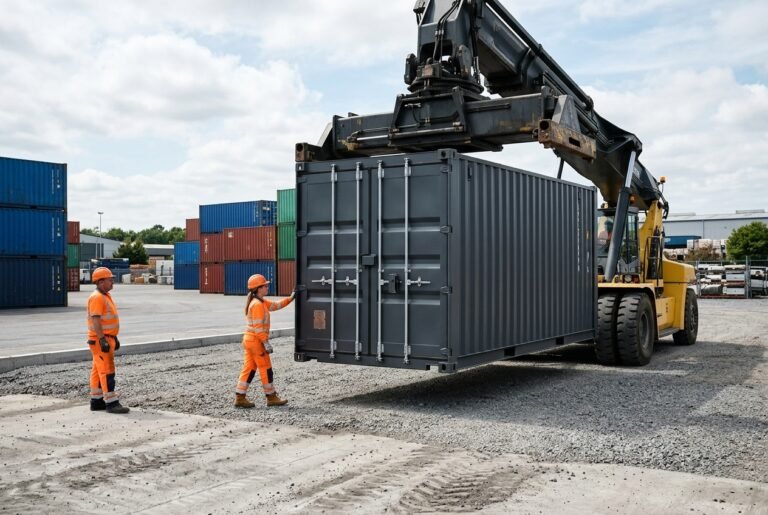
A clean exterior does not tell the full story. A 40ft used container should be inspected from the roof line to the floor before you accept delivery, especially if it will protect valuable tools, products, machinery, or cargo.
Ask whether the photos show the exact unit you will receive or a representative unit from the same grade. Representative photos are common in the container market, but the seller should be clear about what you can expect.
What to inspect on a used 40 ft unit
- Roof condition: Look for dents that hold standing water, rust-through, pinholes and patch repairs.
- Door operation: Open and close both cargo doors to confirm the hinges, locking rods and handles move properly.
- Door gaskets: Check whether rubber seals are cracked, missing, compressed, or pulling away from the frame.
- Floor strength: Inspect plywood flooring for soft spots, odors, chemical staining and visible holes.
- Frame and crossmembers: Look underneath if possible, since structural corrosion can affect shipping readiness.
- Corner posts and castings: These matter for stacking, lifting and ISO-compatible transport.
- Interior daylight test: Step inside, close the doors safely and look for light entering through roof or wall holes.
- Odor and residue: Strong chemical smells, spills, or contamination may make a unit unsuitable for household goods or retail inventory.
For storage, some cosmetic dents and surface rust are normal. For cargo movement, the structure matters more. Cargo Worthy units should be assessed to a higher standard than WWT units because they may face lifting, stacking and vibration during transport.
Plan delivery in Raleigh, the Southeast and nationwide
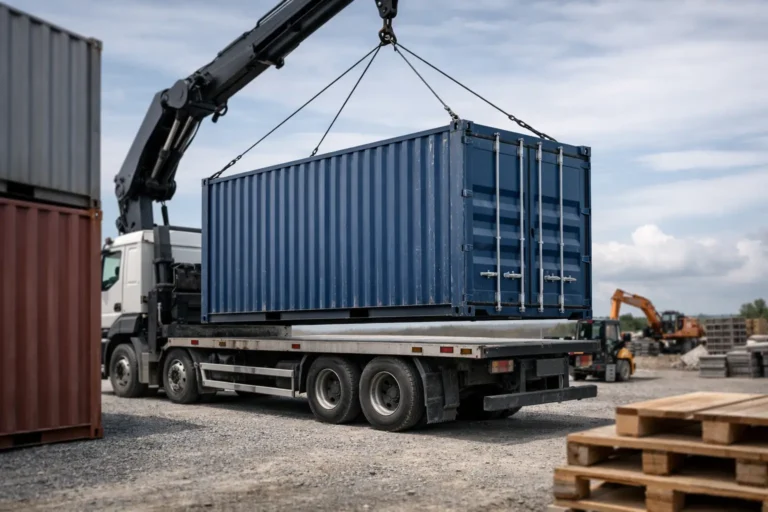
Choosing the right container is only half the project. Delivery access determines whether the unit can be placed where you want it. Lease Lane Containers LLC works with buyers in Raleigh, throughout North Carolina, across the Southeast and nationwide, so site conditions can vary from paved commercial lots to rural gravel drives.
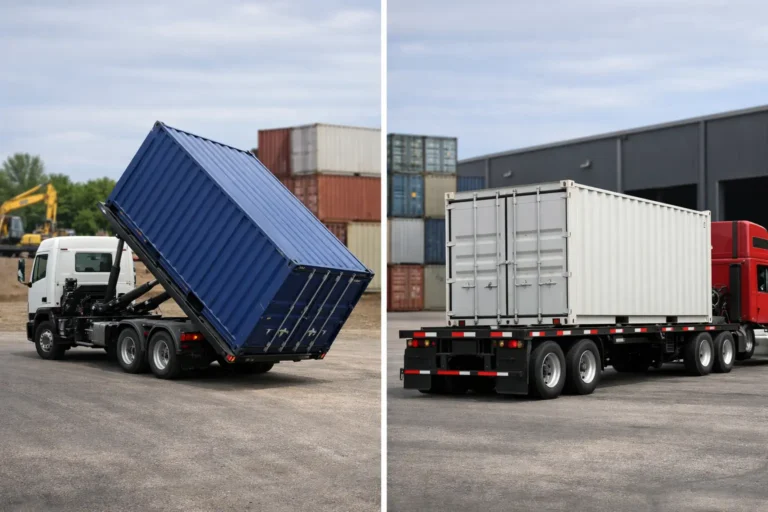
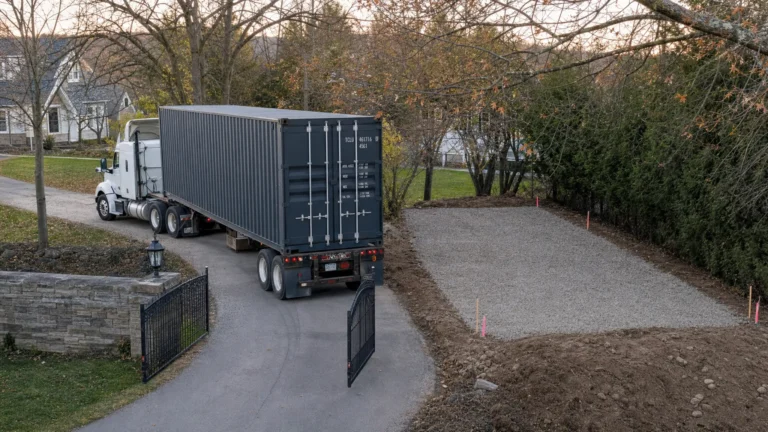
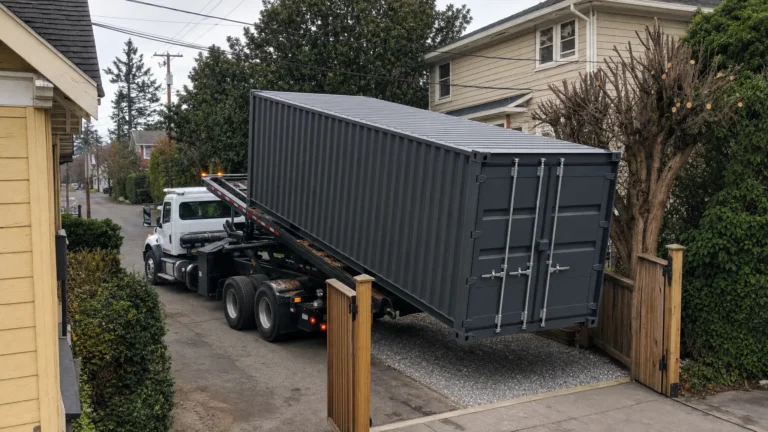
Before a 40ft used container arrives, measure the path from the road to the drop spot. Tilt-bed trucks need room to back in, lower the container and pull forward. You also need to account for tree limbs, power lines, fences, gates, septic areas, soft ground and tight turns.
Pro-Tip: prepare the drop site before delivery day
A level gravel pad is one of the best low-maintenance foundations for container storage in North Carolina. Compact the ground, add several inches of crushed stone and keep the container slightly elevated at the corners to encourage airflow under the floor. Good drainage matters in Raleigh and across the Southeast because heavy rain and clay soils can create standing water.
Check local permit rules before delivery. Requirements may vary by the City of Raleigh, Wake County, nearby municipalities, rural counties and homeowners associations. Some areas treat containers as temporary storage, while others may regulate placement, setbacks, screening, duration, or foundation type. When in doubt, call your local planning office before the truck is scheduled.
Budget beyond the purchase price
The advertised price is only part of the real cost. Grade, availability, distance from the depot, delivery method, fuel, site complexity, High Cube demand and regional inventory can all affect your final quote.
A 40ft used container in WWT condition will usually be priced differently from a Cargo Worthy unit, and a High Cube unit may carry a premium over a standard-height unit. A One-Trip unit may cost more upfront, but it can be worth the difference for customer-facing retail, modular construction, office conversion, or sensitive inventory.
When comparing quotes, ask what is included. Confirm delivery charges, sales tax, unloading method, expected lead time, whether the unit is the exact container shown in photos and what happens if the site is not ready. If you want a baseline example of a common storage option, review Lease Lane’s standard 40ft x 8ft used shipping container.
Questions to ask before you buy
The right seller should help you match the container to the job, not push the first available unit. A 40ft used container is a substantial purchase, and a few direct questions can prevent most problems.
Ask whether the unit is WWT, Cargo Worthy, One-Trip, or As-Is. Ask if it meets your intended use, especially if you plan to ship cargo. Ask if the doors have been tested, if the roof has known repairs, if the floor is suitable for your load and if the container can be delivered to your exact site.
For Raleigh and North Carolina buyers, it also helps to ask whether the delivery truck can handle your driveway, jobsite access road, farm lane, or commercial lot. In wet seasons, soft ground can affect placement even when the site looks accessible.
FAQ: choosing a 40ft used container
Is WWT enough for long-term storage? Yes, Wind and Watertight condition is often enough for stationary storage if the roof, doors, seals and floor are sound. It is a practical choice for tools, materials, equipment, furniture and general inventory.
Can I use a used 40 ft container for international shipping? Yes, but choose Cargo Worthy condition and confirm whether a current CSC plate or survey is required by your carrier. WWT alone should not be treated as proof that the unit is ready for export.
Should I choose standard height or High Cube? Choose standard height for general storage and freight needs. Choose High Cube if you need extra headroom for tall items, shelving, insulation, office conversion, or easier interior buildout.
Do I need a permit for a container in Raleigh? Permit requirements depend on the property, zoning, intended use and how long the unit will remain on site. Check with Raleigh, Wake County, your municipality, or your HOA before delivery.
What is the biggest mistake buyers make? The biggest mistake is choosing only by price. Grade, delivery access, floor condition, door function and site preparation all matter if you want the container to perform well after it arrives.
Get help choosing the right container
If you want a 40ft used container for storage or shipping, Lease Lane Containers LLC can help you compare WWT, Cargo Worthy, One-Trip, High Cube and reefer options based on your location and use case. Our team serves Raleigh, North Carolina, the Southeast and customers nationwide with clear guidance on container condition, delivery planning and site preparation.
To discuss availability and current pricing, email sales@leaselanecontainers.com or visit the Raleigh office to speak with the Lease Lane Containers LLC sales team.