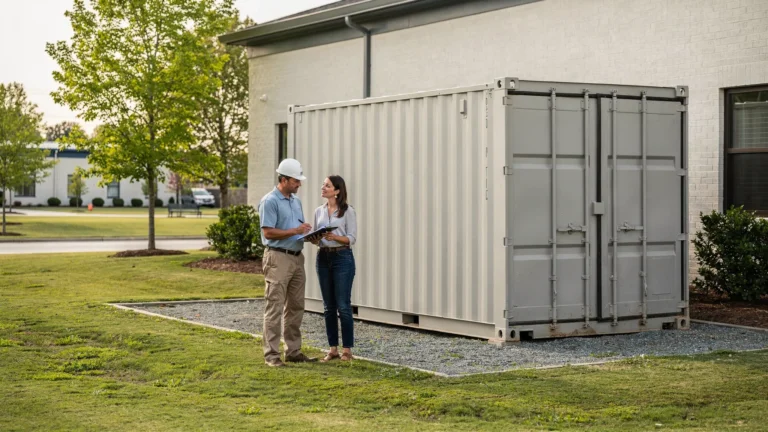
Steel Cargo Containers: Why Corten Steel Matters
When comparing steel cargo containers, the condition of the metal matters more than a fresh coat of paint. Many shipping containers use Corten-type weathering steel because it offers better resistance to atmospheric corrosion than ordinary carbon steel under suitable conditions. That advantage is useful on a Raleigh construction site, a North Carolina farm or a commercial storage property, but it does not make a container rustproof.
Understanding how this steel behaves helps you evaluate used equipment, plan maintenance and avoid paying for a container whose appearance hides deteriorating metal.
What makes Corten different in steel cargo containers?
Corten is a commonly used name for weathering steel. COR-TEN is a trademark, while weathering steel describes a broader family of low-alloy steels. Small additions of elements such as copper and chromium change how corrosion develops at an exposed surface.
Ordinary carbon steel can form loose rust that allows moisture and oxygen to keep reaching the underlying metal. Under suitable exposure conditions, weathering steel develops a more adherent oxide layer, often called a patina, that slows further atmospheric corrosion.
The difference is resistance, not immunity. For steel cargo containers, weathering steel is one part of the durability equation alongside coatings, drainage, structural condition and maintenance.
Weathering steel performs best where exposed surfaces can become wet and then dry. Persistent dampness, trapped debris and salt contamination can prevent the protective layer from developing effectively. The Steel Construction Institute’s guidance on weathering steel explains these exposure limitations, although its structural guidance is not a substitute for inspecting an individual container.
Also, do not assume every component uses the same alloy. Wall panels, roof sheets, frame members, corner castings and door hardware serve different purposes. Confirm material specifications when they matter to your purchase or modification project.
Why paint still matters
Most shipping containers are painted rather than intentionally left bare to develop a visible patina. The coating is the first barrier against water and contaminants. Weathering steel provides additional resistance where that barrier becomes damaged, but it does not eliminate the need for repairs.
Scratches from handling, abrasion around doors and damaged coatings at welds can expose the metal. A small defect becomes more consequential when it stays wet or collects salt.
For steel cargo containers, widespread coating failure should prompt a closer inspection rather than an assumption that the Corten underneath will protect itself indefinitely.
A brown surface alone does not establish whether corrosion is harmless. Light surface oxidation may be manageable, while heavy scaling, deep pitting or perforation can indicate meaningful metal loss. Conversely, glossy new paint may conceal poor preparation or earlier damage.
Ask whether the seller has photographs of the unit before repainting, what repairs were performed and whether the actual container offered is available for inspection. A cosmetic finish is not evidence of structural soundness.
How Raleigh and Southeast weather affect durability
Raleigh and the wider Southeast combine humidity, rainfall and periods of warm weather. These conditions make drainage and drying important, especially at roof depressions, door thresholds and the underside of a container.
Humidity alone does not mean weathering steel is unsuitable. The practical concern is how long particular surfaces remain wet. A shaded container surrounded by vegetation, with leaves collecting on its roof and mud touching its lower rails, faces different exposure from one on a well-drained site.
For steel cargo containers in North Carolina, inland and coastal locations also require different maintenance priorities. Coastal salt spray can accelerate corrosion, and salt carried on equipment or vehicles can introduce similar contamination farther inland.
Farm storage brings another concern: fertilizer residue and other potentially corrosive materials should not remain against steel surfaces. Clean spills promptly using a method appropriate to the material involved.
Containers delivered elsewhere in the USA need the same location-specific assessment. A dry inland property, a coastal yard and a snowbelt site exposed to deicing salts do not present identical corrosion risks. Match inspection and coating maintenance to the actual environment rather than relying on a universal service-life claim.
Pay attention to places that trap moisture
Corrosion often becomes troublesome where water collects or access is limited. Roof dents can hold puddles, debris can stay against lower rails and deteriorated door seals can admit rain.
The underside deserves attention because it may be difficult to assess after placement. Buyers should request clear photographs or an appropriate inspection without crawling beneath an unsupported container.
Interior moisture is a separate issue. Even a container that excludes rain can develop condensation when moist air contacts a cold steel surface. Corten does not prevent this process or protect moisture-sensitive inventory from it.
Ventilation, humidity control or a properly designed insulation system may be needed depending on the contents and climate. Treat corrosion protection and interior moisture management as related but distinct tasks.
Container grades tell you more than the steel name
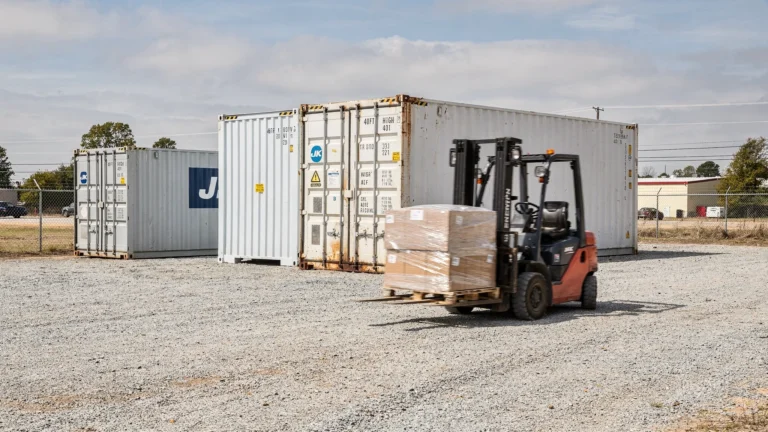
Corten identifies a material characteristic, not a container grade. One-Trip, Cargo Worthy and Wind & Watertight describe different aspects of history, condition or intended use, and they are not necessarily mutually exclusive categories.
| Description | What it generally means | What buyers should confirm |
|---|---|---|
| One-Trip | A relatively new container typically used for one loaded journey from its manufacturing origin | Actual condition, handling damage, coating quality and suitability for the intended use |
| Cargo Worthy (CW) | A used container assessed as suitable for cargo transport based on its structural and operational condition | Inspection documentation, applicable examination status and carrier acceptance for shipping |
| Wind & Watertight (WWT) | A container represented as excluding wind and rain for storage use | Roof, panel and door-seal condition; the designation alone does not establish shipping fitness |
When buying steel cargo containers, choose the condition and documentation your application requires rather than treating Corten as a substitute for grading.
A One-Trip unit can make sense where appearance and lower initial wear matter. WWT may suit stationary storage when its condition is verified. CW is relevant when freight transport is planned, but a seller’s label alone does not replace required examinations or shipping documentation.
For a closer look at condition, use this guide to inspecting used containers before purchase. It helps separate repairable wear from damage that deserves further assessment.
Size and ISO standards: separate decisions from corrosion resistance
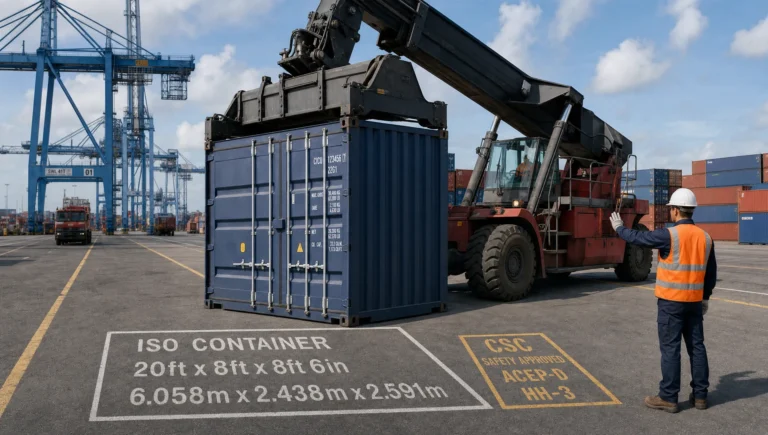
ISO standards address matters such as container dimensions, ratings and testing. They do not mean an aging unit remains fit for every purpose simply because it was originally built to a standardized design.
For international transport, the Convention for Safe Containers (CSC) and applicable examination requirements are also relevant. Verify current shipping suitability rather than relying only on an old plate or the original manufacturing specification.
The guide to ISO container specifications, materials and tolerances explains the relationship between standardized construction and the details buyers should check.
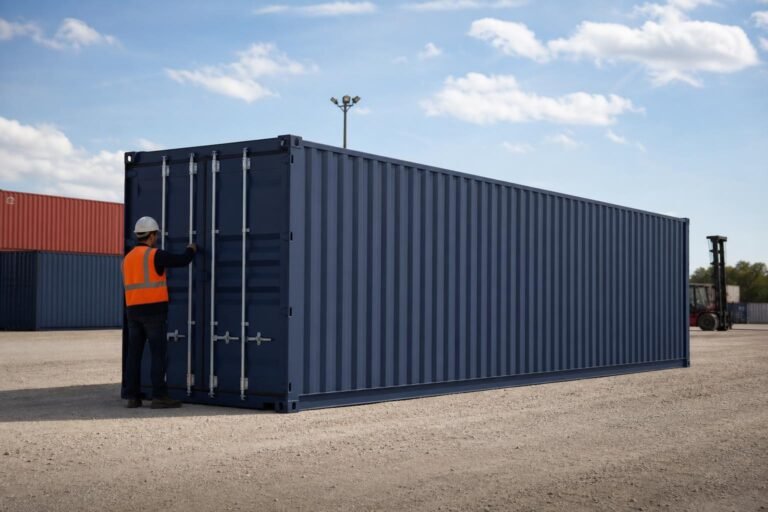
Choosing steel cargo containers also involves balancing usable space against delivery access and the available pad. Evaluate 20ft containers using the same condition checks as larger units. For longer storage layouts, a standard used 40ft container is another option to compare against your site and inventory requirements.
Typical standard dry containers have an external height of 8 feet 6 inches, while High Cube units are typically 9 feet 6 inches tall. That extra height can help with storage or conversion plans, but it does not indicate a better steel grade or stronger corrosion resistance.

Maintenance that protects the steel and coating
A practical maintenance routine starts with keeping water and contaminants from lingering. Check the container after severe weather, after relocation and whenever equipment strikes or scrapes the exterior.
Remove leaves and debris from the roof using a safe access method. Do not assume the roof is a walking platform. Keep vegetation and soil away from lower steel surfaces, and look for new puddling or erosion around the supports.
For steel cargo containers, coating repairs are most useful when damage is addressed before corrosion spreads beneath the surrounding paint. Follow the coating manufacturer’s preparation and application instructions rather than painting directly over loose rust.
Use compatible repair coatings, remove contamination and allow the surface to dry properly. Near coastal North Carolina locations, washing away salt deposits with fresh water can help, provided runoff is managed appropriately and the surface can dry afterward.
Doors need maintenance too. Check seals, hinges and locking gear so the container can close correctly. A durable steel shell offers limited protection to stored materials if failed seals allow rain inside.
Deep pitting, holes, damaged welds or deterioration of structural members call for qualified assessment. Do not assume a patch or coating restores the original strength. Before cutting openings for a shop, office or modular building, obtain an appropriate structural design because modifications can alter load paths.
Pro-Tip: prepare the site to reduce long-term corrosion
A level, well-drained installation supports both durability and everyday usability. Site preparation is not just about getting the delivery truck onto the property.
Use a stable base designed for the container, expected contents and local ground conditions. A compacted gravel pad can help manage drainage, but the necessary depth, dimensions and support arrangement depend on the site. Soft ground, heavy loading or building conversions may require engineered foundations.
For steel cargo containers, placement should keep critical steel components clear of persistent ground moisture while providing the support the structure needs. Establish stable, level bearing points at the intended support locations; do not improvise supports under thin floor areas or create uneven bearing that twists the frame.
In Raleigh, confirm zoning, setbacks and any permit requirements with the authority having jurisdiction before delivery. Requirements can differ across Wake County, neighboring municipalities and other North Carolina locations. Residential placement, commercial storage and occupied conversions may receive different treatment.
Finally, discuss access, overhead clearance, unloading space and the planned support arrangement with the delivery team. The best-maintained container still needs a site where it can drain and remain stable.
Frequently asked questions
Are Corten containers rustproof? No. Weathering steel can slow atmospheric corrosion under suitable conditions, but constant moisture, salts and damaged coatings can still cause substantial deterioration.
How long do steel cargo containers last? There is no reliable lifespan based on the material name alone. Age, prior use, remaining metal thickness, coating condition, exposure and maintenance determine how much useful service an individual unit can provide.
Does surface rust mean a container should be rejected? Not automatically. The important distinction is between superficial oxidation and metal loss. Scaling, deep pits, perforations or corrosion on structural components warrant closer assessment.
Is a High Cube container more corrosion-resistant? Not because of its height. High Cube describes a dimensional configuration. Compare material specifications, coating condition and grade separately.
Choose a container for your site and intended use
Lease Lane Containers LLC, headquartered in Raleigh, supplies One-Trip and used containers with nationwide delivery and site preparation advice. The right choice depends on whether you need stationary storage, cargo transport or a unit for a planned conversion, as well as the conditions at your property.
Contact the sales team at sales@leaselanecontainers.com to discuss container size, grade, condition and delivery requirements, or arrange a visit to the Raleigh office.