Storage Container Houses for Sale: Buyer Red Flags
Storage container houses for sale can be a smart path to durable space, faster build schedules and lower material waste. They can also become expensive problems when a listing hides poor shell condition, weak modifications, missing permits or delivery assumptions that do not fit your property.
For buyers in Raleigh, across North Carolina and throughout the Southeast, the goal is not just to find a container house that looks good in photos. The goal is to confirm that the steel shell, design, insulation, foundation and paperwork can support the way you plan to use it.
This guide focuses on buyer red flags: the warning signs that should make you slow down, ask for documentation or walk away before paying a deposit.
Start by clarifying what is actually for sale
The phrase storage container houses for sale can mean several different things. A seller may be offering a raw shipping container for conversion, a partially framed shell, a finished tiny home, a container cabin or a modular unit designed for commercial use. Each option carries different risks.
A raw container is mostly a steel shell. A dried-in shell may have doors, windows and rough openings installed but still need insulation, utilities and interior finishes. A finished container house should have far more documentation, including structural reinforcement details, electrical and plumbing information, insulation specifications and permit history.
This distinction matters because an ISO shipping container is originally engineered for freight, not as a house. Its corner posts, corner castings, rails and corrugated steel panels work together under ISO standards to carry cargo loads during stacking and transport. Once large wall sections are cut for windows, doors or open floor plans, the load path changes. That does not make container housing unsafe, but it does mean engineering and workmanship matter.
The International Code Council explains how intermodal shipping containers are addressed in modern building code discussions, which is why a serious seller should be comfortable talking about structure, code compliance and local inspections.
Red flag 1: The seller cannot explain the container grade
Container grade is one of the first things to verify. If a seller says the unit is clean, solid or basically new but cannot name the grade, ask more questions before moving forward.
The main grades you will hear are:
- One-Trip: A newer container that has typically made one cargo trip before resale. These units usually have cleaner Corten Steel, newer paint, fewer dents and less corrosion. They are often preferred for visible residential, retail and office conversions where appearance and long-term shell quality matter.
- Cargo Worthy: A used container considered structurally sound enough for cargo transport, often with inspection or survey support when required for shipping. It may have dents, surface rust and prior repairs, but it should remain strong, weather-resistant and structurally serviceable.
- Wind & Watertight: A used container that should keep out wind and rain for stationary storage. WWT does not automatically mean the container is certified for ocean cargo or ideal for residential conversion. It simply means the doors, roof and shell should prevent normal weather intrusion.
- As-Is: A high-risk category with no reliable promise of weather performance, structural condition or repair cost. As-Is can make sense for some farm or parts uses, but it is rarely a good starting point for a container house unless you know exactly what you are buying.
A container house built from a poor shell may cost more to fix than one built from a better shell in the first place. If you are comparing used shells before a conversion, Lease Lane Containers has a practical used storage containers for sale buyer checklist that walks through grade, condition and inspection basics.
Red flag 2: The listing hides rust, roof damage or floor condition
Corten Steel, also called weathering steel, is used because it resists atmospheric corrosion better than ordinary steel. That does not mean it is rust-proof. Containers live hard lives before resale, especially used units that have seen ports, rail yards, salt air, forklift impacts and years of standing water.
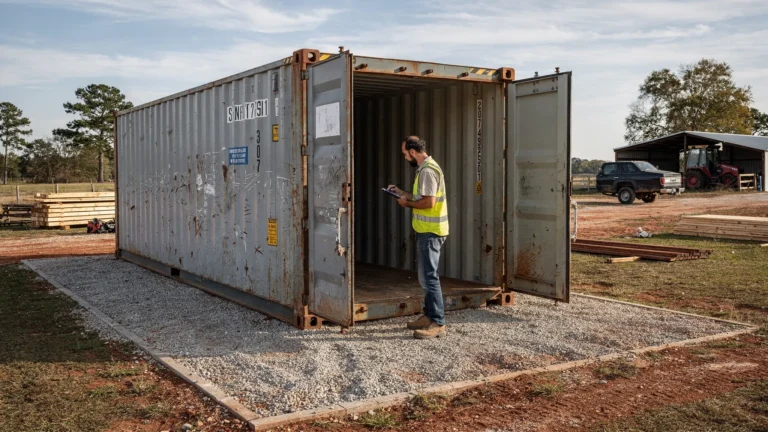
Surface rust is common and often manageable. Deep corrosion is different. Pay close attention to the roof, lower side rails, door bottoms, corner posts and underside. Roof dents can hold water. Lower rail corrosion can affect the base structure. Corner casting or corner post damage is a serious concern because those components are central to container strength.
The floor deserves the same attention. Many standard shipping containers have heavy plywood floors designed for cargo service, not residential interiors. For a home, ask what the seller did with the floor system. Was it inspected, sealed, removed, overlaid or replaced? If the answer is vague, factor in the cost of professional evaluation and potential floor remediation.
| Buyer red flag | Why it matters | What to ask before paying |
|---|---|---|
| Grade is not stated | Condition and intended use are unclear | Is it One-Trip, Cargo Worthy, WWT or As-Is? |
| Only stock photos are provided | You may not be seeing the actual unit | Can I see current photos, video and the container number? |
| Heavy roof dents or ponding | Water can accelerate corrosion and leaks | Are there roof patches, pinholes or prior repairs? |
| Large cutouts without framing | Structural strength may be reduced | Are there engineered reinforcement details? |
| No permit history | The unit may not be legal for residential use | Which jurisdiction approved the work, if any? |
| Delivered price is unclear | Freight, crane work and site prep can change the real cost | What is included in the final delivered quote? |
Red flag 3: Openings were cut without reinforcement
Large window walls and wide door openings sell container houses online, but they can be a structural red flag if the builder removed too much corrugated steel without adding proper reinforcement.
The corrugated side walls are not just siding. They contribute to stiffness. When a builder cuts long openings for patio doors, joins two containers side by side or removes interior walls between units, the design may need welded tube steel, headers, posts, base reinforcement or other engineered support.
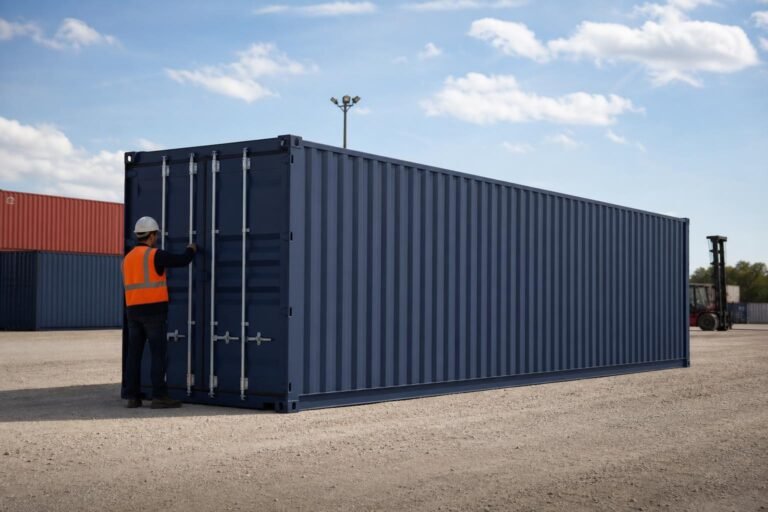
This is especially important with 40ft containers, stacked units and multi-container homes. Longer spans mean more opportunity for deflection if the structure is not handled correctly. High Cube containers can be a good choice for residential work because the extra height helps preserve headroom after insulation, ceiling finishes and mechanical systems are installed, but High Cube height does not eliminate the need for structural reinforcement.
Ask for photos taken before interior finishes covered the steel work. Finished drywall can hide weak welds, missing posts and rusted repair areas. If a seller cannot provide reinforcement details for major cutouts, treat that as a serious warning sign.
Red flag 4: The home was finished without a moisture plan
Moisture is one of the biggest issues in container housing, particularly in the humid Southeast. Steel conducts heat quickly, so condensation can form when warm, moist air meets a cooler steel surface. If the container was insulated incorrectly or ventilation was ignored, hidden moisture can collect behind walls and ceilings.
A good container house should account for climate, insulation type, vapor control, ventilation, HVAC sizing and thermal bridging. Spray foam is common because it can adhere to steel and help reduce air movement, but the quality of installation matters. Rigid foam, mineral wool and hybrid assemblies can also work when detailed correctly.
For Raleigh, Wake County and much of North Carolina, buyers should be especially alert to musty smells, swollen trim, staining around windows, sweating metal near doors and soft flooring. These are signs that the interior may not be managing humidity well.

Red flag 5: The price ignores delivery, foundation and site work
A container house listing may advertise an attractive price, then leave out the costs that determine whether the project works on your property. Delivery distance, crane or tilt-bed access, foundation design, grading, drainage, anchors, utility connections and permits can all affect the final budget.
This is where buyers in Raleigh and the Southeast should compare total delivered value instead of just the listing price. A lower-priced unit several states away may cost more once transportation and unloading are included. A finished container house that requires crane placement over trees, fences or soft ground can quickly exceed the cost of a simpler local delivery.
If you are still deciding between 20ft containers, 40ft containers or 40ft High Cube options, review a practical size guide for storage unit containers before committing to a layout. Smaller units can be easier to place on tight residential sites, while larger units may offer better cost per square foot if your access road, pad and turning area can handle them.
Pro-Tip: Prepare the site before the container arrives
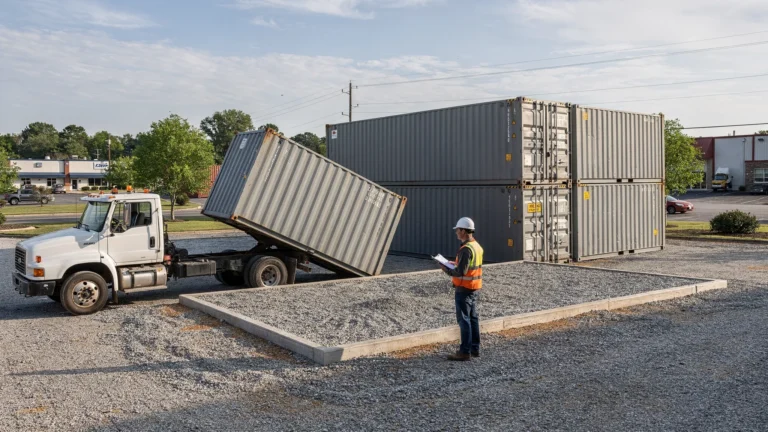
A container house needs more than a flat-looking patch of ground. Before delivery, confirm access, drainage and support. In Raleigh and across North Carolina, clay soils, heavy rain and sloped lots can create settling or moisture problems if the pad is rushed.
For temporary storage, a compacted gravel pad with solid blocking may be enough. For residential use, speak with your local building department, engineer or contractor about proper footings, piers, slab design or anchoring. The right answer depends on the structure, soil, wind exposure, flood risk and whether the unit is temporary or permanent.
At minimum, plan for:
- A level, compacted surface that can support the loaded structure
- Positive drainage so water moves away from the container
- Clearance for delivery equipment, including height, width and turning radius
- Utility routes for electrical, plumbing, septic or sewer connections
- Permit confirmation before the unit is placed on site
Never assume a driver can place a 40ft container in a tight backyard just because the backyard itself is large enough. Delivery equipment needs room to approach, tilt, unload and exit safely.
Red flag 6: Permits are treated as the buyer's problem
Permitting should not be an afterthought. In North Carolina, requirements can vary depending on whether the container is used for temporary storage, an accessory structure, a dwelling, a commercial office, a short-term rental or part of a larger development.
A seller does not need to handle every local approval for you, especially if they are selling a raw container shell. Still, a reputable seller should not tell you to ignore permits. If the unit is marketed as a house, cabin, ADU-style structure or office, ask what code path it was designed for and whether it has been reviewed by any authority having jurisdiction.
For properties in Raleigh, start with zoning and building questions before you buy. You may need to confirm setbacks, foundation requirements, utility connections, stormwater issues, floodplain restrictions, neighborhood covenants and occupancy rules. Rural land can be more flexible than an urban lot, but rural does not automatically mean no permits.
Red flag 7: The seller oversells refrigerated containers for housing
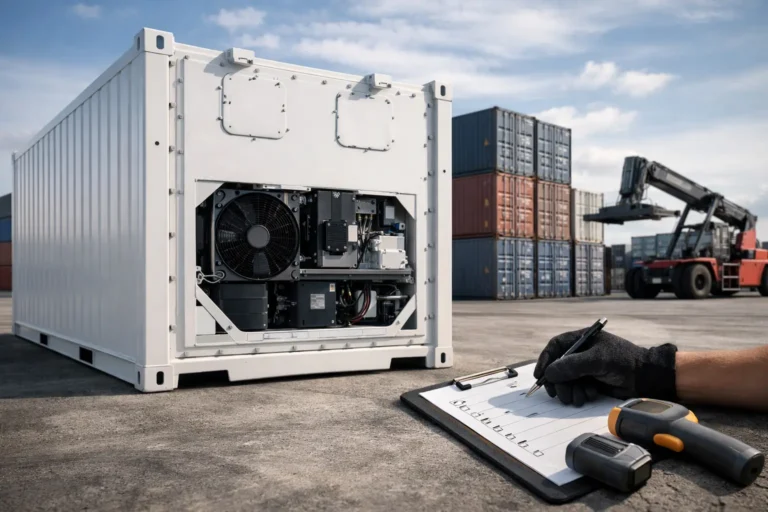
Refrigerated containers, often called reefers, can look appealing because they already have insulated walls. They can be useful for cold storage, food businesses, agriculture and certain specialty builds. For housing, they need careful evaluation.
A reefer has different interior dimensions, wall construction, flooring and mechanical history than a standard dry container. Removing or repurposing refrigeration equipment, managing electrical systems and handling penetrations through insulated panels require planning. A reefer may be the right solution for a specific project, but be cautious if a seller presents it as an easy shortcut to a finished home.
The same principle applies to any highly modified unit. A container converted into a mobile office, retail pop-up or cabin can be valuable when built correctly. It can also hide wiring, leaks or weak framing behind finished walls. If you are considering a cabin-style conversion, this container cabin for sale inspection guide covers many of the first checks buyers should make.
Red flag 8: The seller avoids inspection or pressures for a deposit
A serious seller should be willing to answer practical questions. They should be able to discuss grade, size, door operation, floor condition, delivery requirements and what is included in the quote. If you are buying a specific unit, you should be able to see current photos or inspect it in person when feasible.
Be cautious with marketplace listings that demand immediate payment, use photos from other projects or refuse to provide a written invoice. Also be careful with sellers who advertise a container house as move-in ready but cannot provide details about electrical work, plumbing, insulation, reinforcement or permits.
Before paying, request a simple documentation package. It does not have to be complicated, but it should match the complexity of what you are buying.
Ask for:
- The container size, grade and condition description
- Current photos of all sides, roof, doors, interior, underside and corner posts
- The container number or identification markings when available
- A written delivered quote with taxes, freight and unloading assumptions
- Any engineering, permit, electrical, plumbing or modification records for finished units
- Clear payment terms, cancellation terms and delivery timeline
If the seller refuses basic documentation, the risk is not just the container. The risk is that every later problem becomes your problem.
How to compare real value, not just the advertised price
A lower price is only a good deal when the shell, modifications, delivery plan and paperwork fit the intended use. For storage container houses for sale, the real comparison is total project risk.
A One-Trip High Cube may cost more upfront than a rough used WWT container, but it can reduce repair work, improve appearance and make interior buildout easier. A Cargo Worthy used unit may be a smart middle ground when budget matters and the shell has been properly inspected. A WWT unit may be practical for storage or simple accessory uses, but it needs closer review before becoming a residential structure.
For buyers in Raleigh, the strongest approach is to work backward from the final use. A backyard studio, farm office, contractor bunkhouse, retail kiosk and permanent dwelling will not have the same code, insulation, foundation or utility requirements. Once you define the use, you can choose the right container size, grade and modification path.
Lease Lane Containers LLC is headquartered in Raleigh, NC and supplies new One-Trip and used shipping containers, trailers and custom modular solutions with transparent grading and reliable delivery options. Whether you are buying locally in North Carolina or planning a project elsewhere in the USA, the right conversation before purchase can prevent costly surprises after delivery.
Frequently Asked Questions
Are storage container houses for sale legal in Raleigh, NC? They can be, but legality depends on zoning, building code, foundation, utilities, occupancy and the specific property. Always check with the local authority having jurisdiction before buying or placing a container home.
Is a Wind & Watertight container good enough for a house? WWT means the container should keep out normal wind and rain for stationary use. It does not prove the shell is suitable for residential conversion. For a house, verify structural condition, reinforcement, insulation, moisture control and code requirements.
Is One-Trip better than used for a container house? One-Trip containers usually offer cleaner steel, fewer dents and less corrosion, which makes them attractive for residential and commercial conversions. A Cargo Worthy used container can also work if it is inspected and appropriate for the design.
Why do buyers often choose High Cube containers for housing? High Cube containers add about one foot of exterior height compared with standard containers. That extra height helps preserve interior headroom after insulation, ceiling finishes, lighting and mechanical systems are installed.
What is the biggest red flag when buying a finished container house? The biggest red flag is missing documentation for structural cutouts, utilities and permits. If a seller cannot explain how the unit was reinforced, insulated, wired, plumbed and approved, slow down before paying.
Talk with a container team before you buy
If you are comparing storage container houses for sale, raw shells for conversion or modular container options in Raleigh, North Carolina or anywhere in the USA, Lease Lane Containers LLC can help you evaluate size, grade, delivery access and site preparation before you commit.
Contact the sales team at sales@leaselanecontainers.com or visit the Raleigh office to discuss One-Trip, Cargo Worthy, Wind & Watertight, Standard, High Cube and refrigerated container options for your project.