Tunnel Containers Versus Standard Containers
A container can look like a simple steel box until daily access becomes the bottleneck. The practical difference in tunnel containers versus standard containers is not usually floor space. It is how people, pallets, equipment, and materials move through the unit once it is on your site.
For a contractor trying to reach tools from either side of a laydown yard, or an agricultural operator loading seasonal supplies, a second set of doors can save time every day. For a homeowner storing equipment long term, those same doors may create extra security and site-planning considerations. The right choice depends on how you will load it, where it will sit, and how much access you truly need.
What Is a Standard Shipping Container?
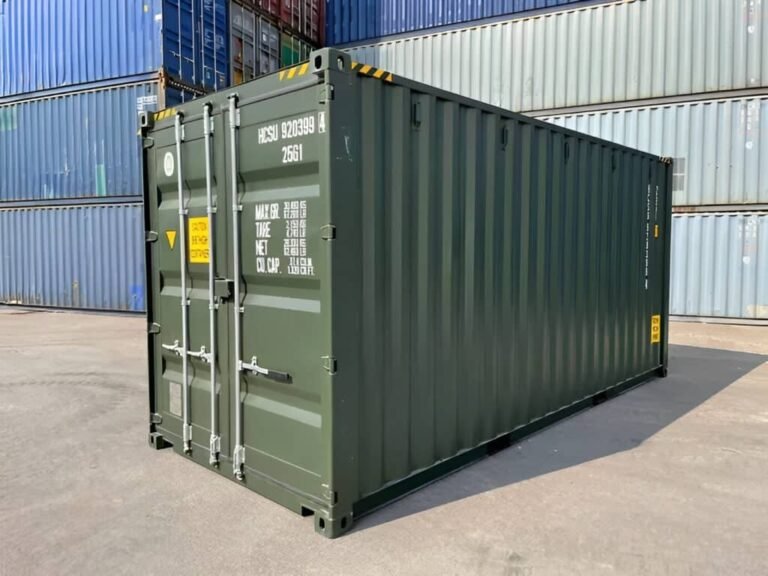
A standard dry shipping container has cargo doors on one end and a solid steel wall on the other. Most buyers choose a 20-foot or 40-foot unit built from Corten Steel, a weathering steel designed for demanding freight environments. Standard containers are commonly available in new one-trip, used, and refurbished condition.
The single-door design works well for most storage applications. You load from one end, organize the interior around a center aisle or along the walls, then secure the doors when the site is unattended. It is familiar, easy to source, and generally offers the broadest selection of grades and conditions.
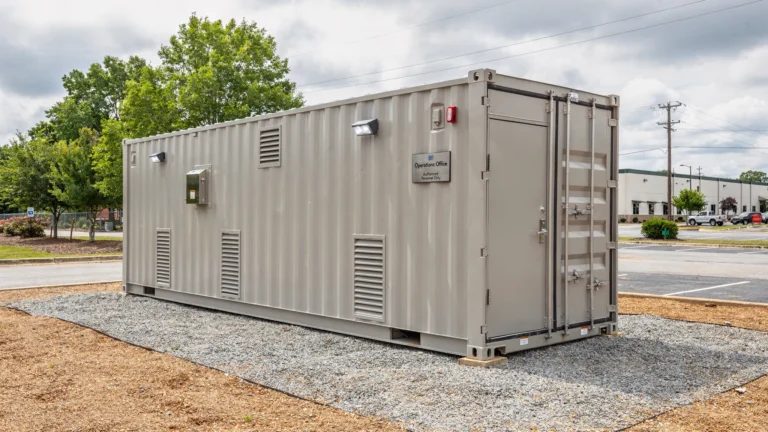
For construction storage, a standard container is often the efficient answer when crews can place frequently used materials near the doors and reserve the back for less-accessed inventory. It also gives fabricators a solid end wall for adding vents, personnel doors, windows, or electrical penetrations when a custom office, workshop, or equipment room is planned.
What Is a Tunnel Container?
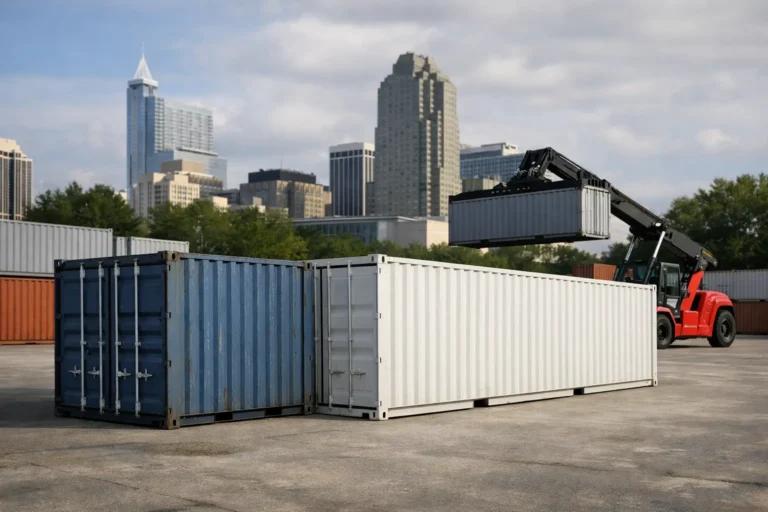
A tunnel container, sometimes called a double-door container, has full cargo doors at both ends. The side walls, roof, and floor are comparable to a standard dry container of the same length, but the second doorway changes the operating layout.
With both ends open, a forklift can load from one side and unload from the other. Workers can enter from the closest end rather than walking the full length of the container. This makes tunnel containers particularly useful where inventory turns quickly, where the unit separates two work areas, or where a temporary pass-through is valuable.
Tunnel units are available in common ISO container sizes, including 20-foot and 40-foot configurations. Exact interior dimensions, door opening widths, tare weight, and available condition vary by unit. Verify the specifications on the container being quoted rather than assuming every tunnel unit matches a standard box exactly.
Tunnel Containers Versus Standard Containers: The Practical Differences
The choice comes down to access, security, availability, and intended use. Neither configuration is universally better.
Access and workflow
A standard container gives you one loading direction. That is rarely a problem for long-term storage, especially when the contents are labeled and racked thoughtfully. However, it can become inconvenient if crews need material stored near the far end several times each day.
A tunnel container gives you two points of entry. A landscape supplier may stage bagged materials from one end and retrieve them from the other. A contractor can position the container between a fenced storage area and an active work zone, limiting unnecessary travel around the site. For retail overflow or event inventory, two-door access can support a cleaner receiving-and-dispensing flow.
The trade-off is that two open ends can reduce the amount of uninterrupted wall space available for shelving layouts, interior finishing, or installed equipment. If you plan to use both ends regularly, your storage plan should keep a clear aisle through the container.
Security requirements
Both container types can provide highly secure storage when the doors, locking hardware, and container condition are appropriate. A standard unit has one cargo-door assembly to manage. A tunnel unit has two.
That means a tunnel container requires attention at both ends. Each door set should close correctly, seal against weather, and accept your chosen security measures. Lockboxes, heavy-duty padlocks, and controlled key access are common considerations for valuable tools, copper, generators, and equipment.
Do not assume that a second door automatically makes a tunnel container less secure. The deciding factor is the condition of both door assemblies and whether the unit is secured consistently. For high-value job-site storage, inspect locking bars, cam keepers, hinges, door gaskets, and the overall frame before delivery.
Inventory organization
A standard container works best when inventory can be managed from a single face. Put high-turn items near the door, use racking to keep materials off the floor, and leave enough room to enter safely. This layout is simple and effective for maintenance supplies, household goods, seasonal equipment, and boxed inventory.
A tunnel container is better suited to through-flow. It can reduce handling when pallets are moved in one end and out the other. It also allows two work groups to access separate ends without waiting on each other, provided the aisle remains clear and operations are coordinated.
For either configuration, avoid loading weight heavily to one side or concentrating dense materials at one end without a plan. Containers are designed for freight use, but safe loading still matters when they are used as static storage units on a job site or rural property.
Availability and pricing
Standard containers are more common in the resale market. That typically means more choice in size, grade, color, age, and delivery timing. If a project needs a container immediately, a standard 20-foot or 40-foot unit is often easier to source.
Tunnel containers can carry a higher purchase price because they are less common and include a second cargo-door assembly. Availability can also vary by region and depot inventory. The added cost makes sense when two-end access improves labor efficiency or avoids repeated unloading and reloading. It may not make sense for a container that will be opened only a few times per year.
Clear pricing should identify the container grade, size, delivery method, and any modification work. A low initial quote can become less attractive if it excludes transport, site limitations, or door hardware needed to secure the unit properly.
Condition Matters as Much as Door Configuration
Whether you choose a tunnel or standard container, select the grade based on the job rather than appearance alone.
A new one-trip container is generally the best choice when appearance, clean interior surfaces, and long service life matter. It is a strong option for retail uses, property improvements, finished workshops, and customer-facing applications. Minor handling marks from the initial shipment are normal.
A used Wind and Watertight, or WWT, container is often a practical storage choice for tools, equipment, and materials that need protection from the elements. WWT describes a container expected to keep out wind and water, but used units can show dents, surface rust, repairs, and cosmetic wear.
Cargo Worthy containers meet inspection criteria for international shipping at the time of certification. That level of certification may be necessary when a unit will return to ocean freight service, but it is not always required for ground-level storage. For a stationary unit, door operation, roof condition, floor integrity, and weather resistance are often more relevant than a shipping certificate.
With tunnel containers, confirm the condition of both door ends. A unit may be structurally sound while still needing attention to a gasket, locking bar, or hinge. Verified specifications and honest condition photos reduce the risk of unexpected repair work after delivery.
Delivery Planning for Double-Door Containers
Door orientation should be decided before the truck arrives. This is especially important with a tunnel container because both ends may need usable clearance. If one end will open toward a fence, slope, retaining wall, or parked equipment, the benefit of a second door can disappear.
Measure the site approach, overhead clearance, gate width, and the final placement area. A 40-foot container requires considerably more maneuvering room than a 20-foot unit. Ground-level and tilt-bed deliveries also require space for the truck to raise and slide the container into position.
Prepare a firm, level base that supports the container at its corner castings. Concrete piers, gravel pads, or other engineered foundations can be appropriate depending on soil, drainage, local requirements, and intended use. Keeping the container level helps both sets of doors open and close properly. A twisted or uneven foundation can make even sound cargo doors difficult to operate.
For buyers in Raleigh, the Research Triangle, and other areas with variable soil and tight residential access, a delivery discussion before purchase can prevent the most expensive surprises. Provide photos of the approach, the proposed placement area, and any obstacles that may affect the truck.
When Each Container Type Makes Sense
Choose a standard container when you need dependable, secure storage at the most straightforward price point. It is usually the better fit for long-term equipment storage, household overflow, single-point loading, and builds that benefit from a solid end wall.
Choose a tunnel container when access from both ends will be used regularly. It is well suited to material flow, temporary worksite passage, pallet staging, inventory turnover, and sites where crews approach from different directions.
A tunnel container is not automatically an upgrade. If its second doorway will remain blocked, locked, or unused, a standard container may deliver the same weather protection and structural utility with fewer variables. But when labor time and access patterns matter, the tunnel layout can be the more operationally efficient choice.
Before you buy, walk through a typical workday: where the truck unloads, which direction crews approach, what needs to be retrieved first, and where the doors can safely swing. That simple site-level review will tell you more than a spec sheet alone, and it is the best way to select a container that works reliably from day one.