Used Refrigerated Containers: Smart Buyer Checklist
Used refrigerated containers can be a smart way to add cold storage without building a permanent cooler or freezer room. For restaurants, farms, event companies, food distributors, florists, pharmaceutical handlers and contractors across Raleigh, North Carolina and the Southeast, a reefer container offers secure steel storage plus temperature control in one movable asset.
The challenge is that buying used refrigerated containers is more technical than buying a dry storage container. You are evaluating two systems at once: the ISO container shell and the refrigeration machinery. A clean exterior photo and a low price do not tell you whether the unit can hold temperature through a humid North Carolina summer, whether the doors seal correctly or whether your site has the right power.
Use this checklist to ask better questions, compare quotes clearly and avoid costly surprises before the truck arrives.
What Makes a Refrigerated Container Different?
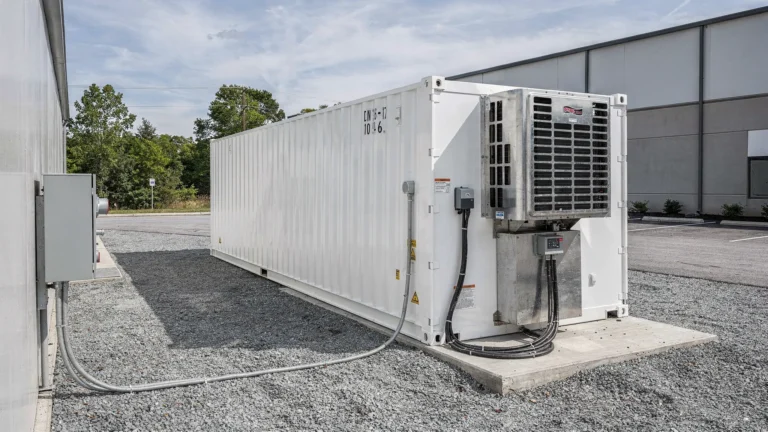
A refrigerated shipping container, often called a reefer, is an insulated ISO container with an integrated refrigeration unit. The container body is typically built around a Corten Steel frame designed for transport durability, with insulated panels, heavy-duty cargo doors, a T-floor for airflow and a machinery end that houses the refrigeration equipment.
Unlike a standard dry container, a reefer needs proper electrical service, airflow clearance, drainage and periodic maintenance. It also has less interior width than a dry van because of its insulation. If you are comparing refrigerated units with standard used containers, make sure you are comparing usable interior space rather than exterior dimensions only.
For cold storage buyers, the first question is not simply “Is the box in good shape?” It is “Can the box and refrigeration system maintain the temperature my product requires, at my site, under real operating conditions?”
Understand the Grade Before You Compare Prices
Container grade affects price, lifespan and suitability. With reefers, grade should be considered in two parts: the structural condition of the container and the operating condition of the refrigeration system.
| Grade | What it means | Best fit | What to confirm |
|---|---|---|---|
| One-Trip | A newer container that has typically made one cargo trip from the factory | Buyers who want a cleaner unit, longer remaining life and fewer cosmetic issues | Year of manufacture, refrigeration test results and exterior condition |
| Cargo Worthy | Structurally suitable for cargo transport when properly certified and documented | Logistics managers who may need domestic or international movement | Valid inspection status, CSC plate, doors, frame and machinery condition |
| Wind and Watertight (WWT) | Keeps out wind and water but is not sold as certified for cargo transport | Stationary cold storage on farms, job sites and business properties | Door seals, roof, wall repairs and whether the reefer machinery is tested operational |
| As-Is | No dependable condition promise beyond what is visible or disclosed | Parts, repair projects or buyers with in-house technicians | Exact known defects, missing parts and repair cost estimates |
A WWT dry container may be perfectly useful for jobsite storage, but a WWT refrigerated container still needs a separate mechanical check. A container can be wind and watertight yet fail to cool properly. Ask sellers to separate the structural grade from the reefer unit’s operating status.
If you are new to container grades, Lease Lane’s container purchase checklist for first-time buyers is a useful companion before you compare refrigerated quotes.
Start With the Cold Storage Job
Before looking at inventory, define what the container must do. A reefer used for produce overflow has a different duty cycle than one used for frozen seafood, floral inventory or pharmaceutical storage.
Write down these requirements before requesting pricing:
- Target temperature range for the product
- Whether the load is chilled, frozen or only temperature-stabilized
- How often doors will be opened each day
- Whether product enters the container already cold or needs to be pulled down
- Expected storage duration
- Site location, including sun exposure and summer heat
- Available electrical service
For food storage, temperature control is not just a convenience. The FDA Food Code uses 41°F or below as the cold-holding standard for many time and temperature control for safety foods. Always confirm your local health department, industry rules and insurance requirements before using a reefer for food, beverage or pharmaceutical storage.
A used reefer can be an excellent asset, but it is not a substitute for operational discipline. Warm product loaded into a container, blocked airflow or frequent door openings can overwhelm even a working refrigeration unit.
Choose the Right Size: 20ft, 40ft or High Cube
Most buyers compare 20ft and 40ft refrigerated containers first. The right choice depends on space, inventory volume, delivery access and power planning.
| Size | Typical buyer use | Advantages | Watchouts |
|---|---|---|---|
| 20ft refrigerated container | Restaurants, farms, catering companies, breweries, small grocers and job sites with limited room | Smaller footprint, easier placement and practical for compact cold storage | Less storage capacity and tighter loading space |
| 40ft refrigerated container | Distributors, food processors, large farms, event companies and businesses with high inventory turnover | More pallet capacity and better for bulk storage | Requires more site space and delivery clearance |
| 40ft High Cube refrigerated container | Buyers needing more vertical clearance or larger volume | Extra height compared with standard units and strong capacity for temperature-sensitive goods | Site must be planned for length, height, access and service clearance |
For compact storage needs in Raleigh or elsewhere in the Southeast, a Used 20ft Refrigerated Shipping Container for Sale can be a practical fit when you need consistent temperature control but do not have room for a larger unit.
When capacity is the priority, 40Ft High Cube Refrigerated Containers – Reefers are worth considering because the High Cube format provides additional vertical space for temperature-sensitive storage and transport needs.
Inspect the Refrigeration System, Not Just the Steel
The refrigeration machinery is where many used reefer buying mistakes happen. A container that looks clean can still have a failing compressor, alarm history, damaged fans or inconsistent temperature performance.
Ask for a Pre-Trip Inspection, commonly called a PTI. A PTI checks core refrigeration functions before the unit is placed into service. The exact process can vary by seller or technician, but a meaningful inspection should confirm that the unit starts, runs, cools and holds temperature within the tested conditions.
At minimum, ask about:
- Compressor operation
- Controller display and alarm codes
- Condenser and evaporator fan operation
- Defrost cycle function
- Temperature pull-down performance
- Door gasket condition
- Drain line function
- Refrigerant leak history, if known
- Electrical plug type and voltage requirements
If a seller cannot explain whether the unit has been tested, what temperature it reached or whether there are active alarms, slow down. For a deeper reefer-specific inspection overview, Lease Lane’s guide on what to check when evaluating a reefer container for sale covers additional condition points buyers should understand.

Inspect the Container Body Like a Pro
The steel shell still matters. A reefer container relies on a strong frame, tight doors and intact insulation to perform efficiently. Damage that would be a minor cosmetic issue on a dry container can become a real operating cost on a refrigerated unit.
Check the exterior for excessive rust, deep dents, roof patches, bent corner posts and signs of impact near the machinery end. Corten Steel is designed to resist corrosion better than ordinary mild steel, but it is not magic. Coastal use, standing water and neglected damage can shorten service life.
Inside the container, look for wall panel damage, punctures, loose trim, floor problems and signs of moisture intrusion. Reefer floors are usually aluminum T-floors designed to support airflow under the load. If the channels are crushed, clogged or corroded, airflow may suffer.
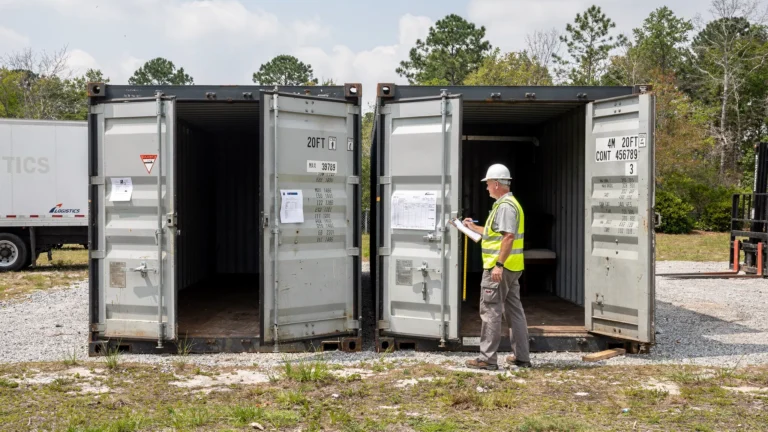
Pay close attention to the doors. Door gaskets must compress properly, hinges should move without excessive force and locking rods should engage cleanly. A small air leak can cause longer run times, temperature swings and higher energy use.
Confirm Electrical Requirements Early
Many refrigerated containers are built for industrial power, not a standard household outlet. Marine reefers commonly require three-phase power, often at higher voltage than many residential properties have available. Some sites use generators or electrical equipment to support reefer operation, but that decision should be made with a qualified electrician.
Before you buy, confirm:
- The unit’s voltage and phase requirements
- Plug configuration
- Whether your site has suitable service capacity
- Distance from panel to container location
- Whether a disconnect, conduit or protective bollards are needed
- Generator needs if grid power is not available
This is especially important for farms, rural properties and temporary sites outside Raleigh where electrical infrastructure may vary. Do not assume a reefer can be dropped on-site and plugged in without planning.
Ask for the Total Delivered Cost
A used refrigerated container quote should be more than a purchase price. The delivered cost is what matters.
Ask whether the quote includes delivery to your property, unloading method, fuel surcharges if applicable, taxes and any special access requirements. Nationwide delivery can be straightforward when the site is prepared, but narrow driveways, low trees, soft ground, steep grades and tight urban lots can complicate placement.
For buyers in Raleigh, Wake County and the broader North Carolina market, it helps to describe your site clearly before scheduling delivery. Send photos of the driveway, gate, overhead lines, intended pad and approach route. A few minutes of planning can prevent a missed delivery or unsafe placement attempt.
Pro-Tip: Prepare the Site Before the Reefer Arrives
A refrigerated container should sit on a firm, level surface. Level placement helps doors operate correctly, supports drainage and reduces twisting stress on the frame. For most stationary storage setups, a compacted gravel pad is a practical choice because it promotes drainage and spreads weight. Concrete pads can also work well when properly designed.
Avoid placing a reefer directly on soft soil, low spots or grass that stays wet. In the Southeast, heavy rain and humidity can turn an unprepared site into a rutting problem quickly. Leave service clearance around the refrigeration unit so technicians can access the machinery end safely. Keep vegetation, pallets and stored materials away from airflow areas.
Permit rules vary by city, county, zoning district, HOA and intended use. A temporary storage container on a construction site may be treated differently than a long-term refrigerated unit at a retail business or farm stand. In Raleigh and surrounding municipalities, check local requirements before delivery, especially if the container will be visible from the street, connected to utilities or used for commercial operations.
Red Flags When Buying Used Refrigerated Containers
A good used reefer does not need to look brand new, but certain warning signs should change the conversation.
Be cautious if you see:
- No PTI, no temperature test or only vague claims that the unit “gets cold”
- Missing or unreadable machinery information
- Active alarm codes the seller cannot explain
- Heavy corrosion around the frame, doors or machinery end
- Damaged door gaskets or doors that do not seal evenly
- Crushed T-floor channels that restrict airflow
- Interior punctures that may compromise insulation
- Quotes that do not separate container condition, refrigeration status and delivery cost
The lowest advertised price may be the most expensive option if you later need electrical changes, major refrigeration repairs or replacement door seals. Ask for clarity before paying a deposit.
Match the Container to the Buyer Type
General contractors and home builders may use reefers for temperature-sensitive materials, adhesives, finishes or specialty jobsite needs. In that case, secure steel construction and dependable placement may matter as much as precise temperature control.
Small business owners often need seasonal overflow for food, beverages, flowers or inventory. For them, door access, usable interior space and energy planning are major concerns. A 20ft unit may be easier to place behind a restaurant or small warehouse, while a 40ft High Cube unit may better serve a growing distributor.
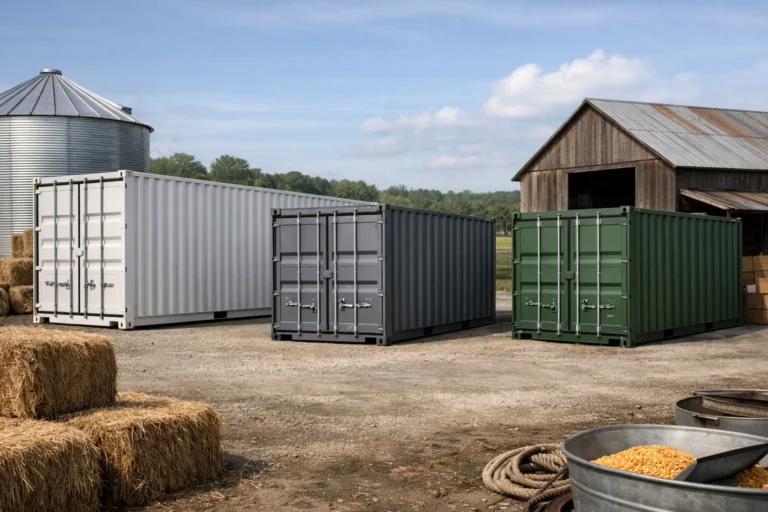
Agricultural buyers in North Carolina often need cold storage during harvest windows. Site access, drainage, generator planning and distance from loading areas should be part of the buying decision. Logistics managers, by contrast, may need Cargo Worthy documentation, CSC plate details and compatibility with transport requirements.
The best used reefer is not the one with the lowest price. It is the one whose grade, size, refrigeration system and delivery plan match the job.
Smart Buyer Questions to Ask Before You Commit
Use this table when comparing sellers.
| Question | Why it matters |
|---|---|
| What is the container grade: One-Trip, Cargo Worthy, WWT or As-Is? | Prevents confusion between cosmetic condition, structural condition and transport suitability |
| Has the refrigeration unit passed a recent PTI? | Confirms the machinery has been tested rather than assumed operational |
| What temperature was tested and for how long? | Helps you assess performance under stated conditions |
| What power does the unit require? | Prevents costly surprises after delivery |
| Are there active alarm codes? | Identifies mechanical issues before purchase |
| What are the interior dimensions and usable space? | Reefer insulation reduces interior space compared with dry containers |
| What is included in the delivered price? | Helps compare quotes fairly |
| What site conditions are required for delivery? | Reduces risk of failed placement or extra charges |
Frequently Asked Questions
Are used refrigerated containers reliable? They can be reliable when the container body is sound and the refrigeration system has been properly tested. Ask for grade details, PTI information, temperature performance and clear disclosure of any known issues.
What is the difference between Cargo Worthy and WWT on a reefer? Cargo Worthy refers to a container that is structurally suitable for cargo transport when properly certified. WWT means Wind and Watertight, which is usually suitable for stationary storage but not sold as certified for cargo transport. Neither grade automatically proves the refrigeration machinery is working, so ask for mechanical testing.
Can I use a refrigerated container for frozen storage? Many reefers are designed for chilled and frozen applications, but you should confirm the specific unit’s tested temperature range, condition and power requirements before buying. Your product, loading practices and ambient conditions also affect performance.
Do refrigerated containers need special power? Usually, yes. Many units require industrial electrical service such as three-phase power. Always confirm the exact electrical requirements and consult a licensed electrician before delivery.
Is a 20ft or 40ft refrigerated container better? A 20ft unit is easier to place and often works well for small businesses, farms and compact job sites. A 40ft or 40ft High Cube unit is better when you need more volume, more pallet capacity or extra vertical clearance.
Do I need a permit for a refrigerated container in Raleigh? Permit and zoning requirements depend on location, duration, use and utility connections. Check with the City of Raleigh, your county, your HOA if applicable and any relevant commercial or health department requirements before delivery.
Talk With a Local Container Team Before You Buy
Used refrigerated containers are valuable assets when the size, grade, refrigeration system, electrical plan and site conditions all line up. Lease Lane Containers LLC helps buyers in Raleigh, across North Carolina, throughout the Southeast and nationwide compare options with clear grading, practical delivery guidance and straightforward advice.
To discuss your cold storage needs, contact the sales team at sales@leaselanecontainers.com or visit the Raleigh office to speak with a local container specialist.