20ft Shipping Container Price: What to Expect
If you are comparing quotes for a 20ft shipping container price, the fastest way to get off track is to look at the base number alone. A low advertised figure can change quickly once condition, delivery method, site access, and container grade are clarified. For contractors, farmers, and property owners, the real question is not just “How much is the box?” It is “What will it cost to get the right box, in the right condition, set exactly where I need it?”
A 20-foot container is one of the most common sizes on the market because it fits a wide range of jobs without demanding as much space as a 40-foot unit. It works well for job-site storage, equipment protection, farm supply storage, workshop conversions, and residential overflow. That steady demand keeps pricing relatively predictable, but not fixed.
Typical 20ft shipping container price ranges
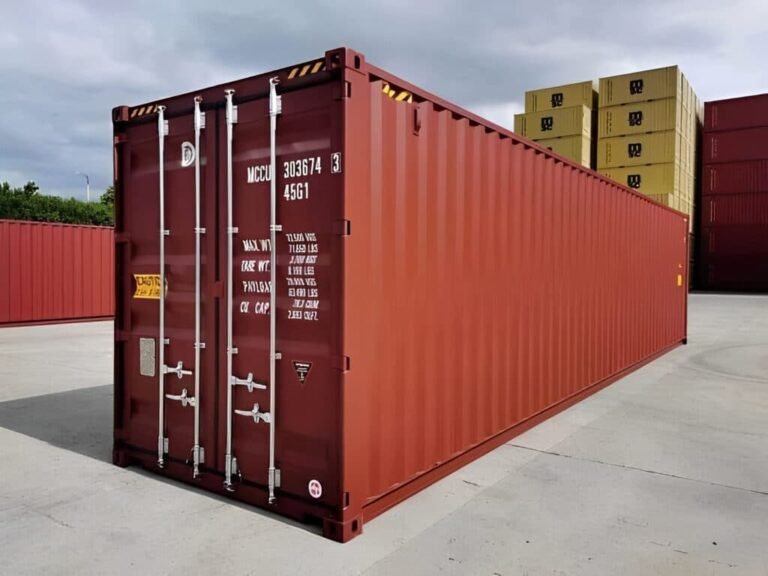
In most U.S. markets, a used 20-foot shipping container often falls somewhere between $1,800 and $3,500. A one-trip 20-foot container, which is a newer unit that has typically made a single loaded trip from the manufacturer, often ranges from about $3,500 to $5,500 or more. Refurbished units usually land between those two, depending on the quality of repairs and paint work.
Those numbers are useful as a starting point, not a guaranteed quote. The same-size container can vary substantially based on steel condition, door function, floor quality, and regional availability. If you are buying for secure storage of tools, copper, wiring, or equipment, the cheapest option is not always the lowest-cost option over time.
For many buyers, the biggest pricing gap comes down to condition category. A container listed as Wind and Watertight, often shortened to WWT, is intended to keep out wind and water but may still show dents, patches, surface rust, or cosmetic wear. Cargo Worthy containers generally meet a higher structural and transport-ready standard, although exact inspection details should always be confirmed. One-trip containers usually provide the cleanest appearance, the longest expected service life, and fewer immediate maintenance concerns.
What actually changes the price
Condition and grade
Condition is the first major factor behind any 20ft shipping container price. Used containers are less expensive because they have already spent years in circulation. That does not automatically make them a poor choice. For many construction sites and agricultural properties, a solid used WWT or Cargo Worthy unit offers the right balance of cost and function.
The trade-off is appearance and remaining life. A contractor storing formwork may not care about exterior dents. A homeowner placing a container near a finished residence usually cares a lot. A retailer using a unit for seasonal inventory or a pop-up concept may also need cleaner exterior lines and newer paint.
Location and market supply
Shipping containers do not cost the same in every region. Pricing often shifts based on proximity to major ports, depot inventory, and local demand. In parts of the Southeast, availability can be favorable at certain times of year, while inland or lower-supply areas may see higher container costs before delivery is even added.
This is one reason nationwide buyers should be careful when comparing online prices from different sellers. The number may be real for one depot and unrealistic for your ZIP code. Clear pricing starts with local inventory and a delivery address, not a generic national teaser rate.
Delivery distance and placement method
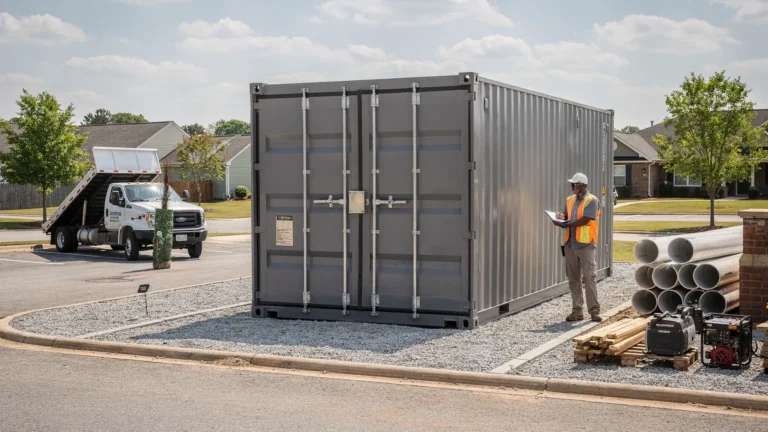
Delivery can be a significant part of the total cost, especially if the site is rural, congested, or difficult to access. A 20-foot container may be delivered by tilt-bed trailer, roll-off style equipment, or other specialized transport depending on site conditions. Ground-level placement is often the preferred choice because it gives immediate access without the need for cranes or forklifts, but equipment availability and route logistics affect pricing.
A tight gate, soft ground, overhead branches, power lines, or a steep approach can all change the delivery plan. Buyers sometimes focus heavily on shaving a few hundred dollars off the container itself while overlooking the cost impact of a difficult drop. That is backwards. Delivery surprises are often more expensive than condition upgrades.
Modifications and add-ons
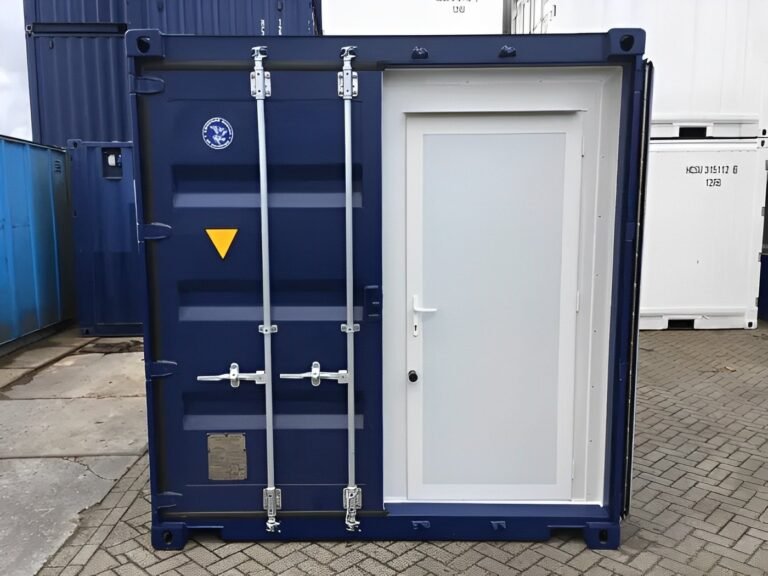
A standard storage container costs less than a modified one. Once you add lock boxes, vents, shelving, personnel doors, windows, electrical packages, or paint upgrades, the total moves up. That does not mean modifications are unnecessary. If the container is going to function as a mobile office, workshop, or customer-facing space, those changes may be essential.
The practical approach is to separate must-haves from nice-to-haves. For secure on-site storage, structural integrity, door operation, and a proper lock setup matter more than cosmetic upgrades.
How to compare container quotes without getting burned
Comparing 20ft shipping container price quotes the right way
When reviewing quotes, ask what condition standard is being sold, whether delivery is included, and what placement assumptions the quote is based on. If one supplier is quoting a WWT unit and another is quoting a one-trip container, the numbers are not comparable. If one quote includes ground-level delivery and another stops at curbside, those are not comparable either.
It is also worth asking about the container floor, especially if you plan to store sensitive materials or convert the unit later. Most standard containers use marine-grade plywood over steel crossmembers. Floor wear, stains, repairs, and age all affect value. For workshop or residential use, buyers often prefer cleaner interiors even if the exterior is still industrial in appearance.
Door function deserves more attention than it usually gets. On older units, doors may be stiff or misaligned due to prior use and handling. A lower upfront price loses its appeal quickly if your crew has to fight the doors every morning.
A dependable quote should clearly identify the container size, grade, estimated delivery window, delivery method, and any site requirements. That level of detail is not overkill. It is how you avoid change orders, redelivery fees, and failed drop attempts.
New vs. used: which one makes financial sense?
For straightforward storage, used containers often provide the best value. If your priorities are security, weather resistance, and immediate availability, a used WWT or Cargo Worthy 20-footer can do the job at a lower cost. This is common on construction sites, farms, and industrial properties where utility matters more than appearance.
A one-trip unit usually makes more sense when the container will stay in place for many years, be visible to customers, or serve as the shell for a conversion. The higher purchase price can be justified by better aesthetics, less maintenance, straighter panels, smoother doors, and more consistent structural condition.
For homeowners, this is often the key decision point. If the container is going behind a barn, used may be the smart buy. If it will sit next to a house as a workshop or studio, a cleaner one-trip unit can save money on prep and repainting later.
Hidden costs buyers should plan for
The container itself is only part of the project. Site prep is where many budgets drift. A 20-foot container needs level, stable support. That can be gravel, concrete, railroad ties, or piers depending on the site and intended use. Poor support can lead to twisting, door problems, and water drainage issues.
Permitting may also come into play, especially for residential placements or commercial properties with zoning restrictions. Some municipalities are container-friendly. Others require setbacks, screening, or approval before delivery. It is better to confirm those details early than to have a paid container arrive at a site that is not ready.
Then there is access. Delivery trucks need enough room to enter, maneuver, and unload safely. If a route survey is skipped and the driver cannot complete the drop, you may face rescheduling charges. This is where working with a supplier that asks detailed site questions actually saves money.
When the cheapest container is the wrong buy
Price matters, but downtime matters too. If a low-cost unit shows up with poor door seals, questionable flooring, or structural issues that were never explained, the bargain disappears fast. That is especially true when the container is protecting expensive tools, seed, electrical inventory, records, or temperature-sensitive materials.
For commercial buyers, reliability usually beats the absolute lowest number. For residential buyers, appearance and placement support often matter more than expected. A transparent seller should tell you where it makes sense to save and where it does not.
At Lease Lane Containers, that usually means matching the container grade to the actual use case instead of pushing every buyer toward the highest-priced option. A job-site storage box and a custom backyard workshop should not be quoted the same way.
A good container purchase feels boring in the best way. The specifications are verified, the delivery plan is clear, the price reflects the real scope, and the container performs exactly as expected. That is what most buyers are really paying for when they ask about a 20ft shipping container price.