

What Is a Cargo Worthy Container? Key Standards Explained
Table of Contents
- Table of Contents
- Defining Cargo Worthy (CW) Containers
- The Difference Between CW and Wind and Watertight (WWT)
- Core Structural Standards and Safety Requirements
- International Convention for Safe Containers (CSC) Certification
- Frame Integrity and Corner Casting Specifications
- Physical Inspection Criteria for Cargo Worthiness
- Interior Floor and Wall Condition Standards
- Door Gaskets and Locking Mechanism Functionality
- The Role of Professional Marine Surveyors
- Common Use Cases for Cargo Worthy Containers
- International Shipping and Intermodal Logistics
- High-Value Long-Term Storage Solutions
- Factors Influencing the Value and Longevity of CW Units
- Summary of Benefits for Shippers and Buyers
- Final Checklist Before Buying a Cargo Worthy Container
Table of Contents
- Defining Cargo Worthy (CW) Containers
- The Difference Between CW and Wind and Watertight (WWT)
- Core Structural Standards and Safety Requirements
- International Convention for Safe Containers (CSC) Certification
- Frame Integrity and Corner Casting Specifications
- Physical Inspection Criteria for Cargo Worthiness
- Interior Floor and Wall Condition Standards
- Door Gaskets and Locking Mechanism Functionality
- The Role of Professional Marine Surveyors
- Common Use Cases for Cargo Worthy Containers
- International Shipping and Intermodal Logistics
- High-Value Long-Term Storage Solutions
- Factors Influencing the Value and Longevity of CW Units
- Summary of Benefits for Shippers and Buyers
Buying a used shipping container sounds straightforward until you encounter the grading system. Terms like “one-trip,” “cargo worthy,” and “wind and watertight” describe very different levels of condition, and choosing the wrong grade can cost you thousands in rejected shipments, failed inspections, or premature rust-through. Understanding what a cargo worthy container actually means – and what separates it from lower grades – is one of the most practical things a buyer can do before spending money. This guide breaks down the structural standards, inspection criteria, certification requirements, and real-world applications that define the cargo worthy grade. Whether you’re shipping goods overseas, storing equipment on a job site in Wake County, or setting up long-term inventory overflow for a small business, knowing exactly what you’re buying protects your investment and your cargo. The stakes are higher than most buyers realize: a container that looks fine on the outside can fail a surveyor’s inspection for reasons that aren’t visible without training. Getting the grade right from the start saves time, money, and headaches down the road.
Defining Cargo Worthy (CW) Containers
A cargo worthy container is a used shipping container that has been inspected and certified as structurally sound enough to transport goods via ocean freight. The designation means the container meets minimum safety and structural standards required by international shipping lines and port authorities. It is not a cosmetic grade. A CW container can have dents, surface rust, and paint wear while still passing inspection, because the criteria focus on structural integrity, weather resistance, and safe handling capability.
The CW grade sits in the middle of the used container spectrum. Above it, you’ll find one-trip containers, which have made a single voyage from the manufacturer (typically in China) to a destination port and show minimal wear. Below it sits the wind and watertight (WWT) grade, which guarantees weather protection but not the structural fitness required for ocean transport or crane handling.
For most buyers, the cargo worthy grade represents the best balance of cost and reliability. A typical 20ft CW container runs 30-50% less than a one-trip unit while still carrying a valid CSC plate and passing professional survey. That price gap matters when you’re purchasing multiple units for a construction project or outfitting a farm with storage. The key distinction is this: a CW container can legally go back on a ship. That single fact tells you the container has been held to a measurable, enforceable standard rather than a subjective visual assessment.
The Difference Between CW and Wind and Watertight (WWT)
The confusion between CW and WWT grades costs buyers money every year. Both grades keep rain and wind out. Both can serve as solid storage containers on your property. But only one can legally be loaded onto a vessel for international transport, and that difference reflects a meaningful gap in structural condition.
A WWT container has been verified to prevent water intrusion. Its walls, roof, and doors seal properly. But it may have weakened corner castings, thinned floor sections, or frame members with corrosion that compromise its ability to be safely stacked or lifted by crane. These issues don’t matter if the container sits on a gravel pad behind your shop. They matter enormously if the container is stacked six high on a cargo ship in the North Atlantic.
Here’s a practical rule of thumb: if you need the container only for ground-level storage and it will never leave your property, WWT can save you 15-25% over CW pricing. If there’s any chance the container will need to be transported by rail, loaded onto a ship, or lifted by a crane for repositioning, CW is the minimum acceptable grade. Lease Lane Containers provides transparent grading guidance to help buyers in Raleigh and across the U.S. understand exactly which grade fits their intended use, so you’re not overpaying for features you don’t need or underpaying for structural integrity you absolutely do.
Core Structural Standards and Safety Requirements
Cargo worthiness isn’t a casual label. It’s backed by specific international regulations and engineering standards that govern how shipping containers are built, maintained, and certified throughout their service life. These standards exist because a single container failure at sea can endanger crew, damage millions of dollars in cargo, and create environmental hazards.
The structural requirements for a CW container cover three main areas: the steel frame and its load-bearing capacity, the corner fittings that allow safe lifting and stacking, and the overall weatherproofing that protects contents during transit. Each of these areas has measurable thresholds. A container either meets them or it doesn’t – there’s no partial credit.
Understanding these standards helps buyers ask the right questions before purchasing. Rather than relying on photos or a seller’s verbal assurance, you can verify whether a container actually holds valid certification and has been inspected by someone qualified to make that determination.
International Convention for Safe Containers (CSC) Certification
Every shipping container used in international transport must carry a valid CSC safety approval plate. This plate, typically riveted to the left door of the container, displays critical information: the date of manufacture, the maximum gross weight, the allowable stacking weight, and the date of the most recent inspection. The CSC convention, administered by the International Maritime Organization (IMO), requires periodic examination to ensure containers remain safe throughout their working life.
For a container to hold cargo worthy status, its CSC plate must be current. The initial approval is valid for five years from the date of manufacture. After that, the container must be re-examined at intervals not exceeding 30 months, unless it’s enrolled in a continuous examination program (CEP) or an approved continuous examination program (ACEP). An expired CSC plate is one of the fastest ways a container loses its CW designation.
Buyers should physically check the CSC plate before purchasing any container sold as cargo worthy. The plate should show legible dates, and the most recent examination should fall within the required interval. If the plate is missing, illegible, or expired, the container cannot legally be classified as CW regardless of its physical appearance.
Frame Integrity and Corner Casting Specifications
The steel frame of a shipping container is its skeleton. Standard 20ft containers use a frame built from high-tensile Corten steel, with main structural members including top and bottom side rails, front and rear headers, and cross members supporting the floor. A CW container must have frame members free of cracks, severe corrosion, or deformation that would compromise load-bearing capacity.
Corner castings deserve special attention. These are the thick steel fittings at all eight corners of the container that allow it to be lifted by crane, locked onto a chassis, and stacked during transport. Each casting must accept a standard ISO twist lock and bear the forces of lifting the container at its maximum gross weight – typically 30,480 kg (67,200 lbs) for a standard 20ft unit. Any crack, weld repair, or deformation in a corner casting is an automatic failure for cargo worthiness.
The bottom cross members, which support the container’s floor, must also be intact. Corrosion from road salt, standing water, or chemical spills can thin these members to the point where they can no longer safely support a loaded container. Surveyors use ultrasonic thickness gauges to measure remaining steel in suspect areas. The minimum acceptable thickness varies by member but generally must retain at least 75-80% of the original steel thickness.
Physical Inspection Criteria for Cargo Worthiness
Beyond the frame and certification plate, a CW inspection covers every surface, seal, and mechanical component of the container. The inspection is systematic and follows established protocols. Surveyors work through a checklist that covers exterior panels, interior surfaces, the undercarriage, doors, and all hardware.
Exterior panels are checked for holes, severe dents (typically anything deeper than 25mm), and corrosion that has penetrated the steel. Minor surface rust is acceptable. Rust that has eaten through the panel is not. The roof gets particular scrutiny because standing water accelerates corrosion, and a roof leak can destroy cargo worth far more than the container itself.
The undercarriage inspection focuses on the forklift pockets (if present), the bottom cross members, and the tunnel area where a gooseneck chassis connects. Debris buildup and trapped moisture in these areas can hide advanced corrosion that isn’t visible from the sides.
Interior Floor and Wall Condition Standards
The floor of a standard shipping container consists of 28mm marine-grade plywood (typically Apitong or Keruing hardwood) supported by steel cross members spaced roughly 300mm apart. For a CW designation, the floor must be free of rot, large holes, and structural weakness. Soft spots, which indicate rot in the plywood or corrosion in the supporting cross members, are common failure points.
A practical test: walk the entire floor and pay attention to any flex or softness underfoot. A solid CW floor feels firm and uniform. Any area that gives noticeably under body weight needs closer examination. Surveyors will probe suspect areas with a screwdriver or awl to check for rot depth.
Interior walls must be free of holes and significant corrosion. Light surface rust on interior walls is normal for a used container and doesn’t affect the CW rating. However, any perforation – even a pinhole – means water can enter the container, which disqualifies it from cargo worthy status. Patch repairs are acceptable if they’ve been properly welded and sealed, but the quality of the repair matters. A poorly executed patch can be worse than the original damage because it creates stress points and potential leak paths.
Door Gaskets and Locking Mechanism Functionality
The doors are the most mechanically complex part of a shipping container, and they’re where many CW inspections find problems. Each standard container has two swing doors, each sealed with a continuous rubber gasket that compresses when the doors close. These gaskets must be pliable, continuous (no gaps or tears), and must create a complete seal around the entire door perimeter.
The locking mechanism on a shipping container uses a cam-and-keeper system operated by vertical locking bars (also called lock rods). For CW certification, each lock rod must rotate freely, the cams must seat fully into their keepers, and the handle mechanisms must operate without excessive force. Stiff or seized lock rods are a common issue on older containers, often caused by rust buildup in the hinge points.
Door alignment matters too. Years of loading, transport stress, and ground settlement can cause doors to rack slightly out of square. If the doors don’t close flush or require excessive force to seal, the container won’t pass CW inspection. A quick field test: close both doors and check for daylight around the gasket line. Any visible light means the seal is compromised. Hinges should also be inspected for cracks and wear, as hinge failure during transport creates a serious safety hazard.
The Role of Professional Marine Surveyors
A container only earns cargo worthy status when a qualified surveyor says it does. This isn’t a self-certification process. Marine surveyors accredited by organizations like the Institute of International Container Lessors (IICL) or classification societies such as Lloyd’s Register, Bureau Veritas, or DNV perform these inspections according to standardized criteria.
The surveyor’s inspection typically takes 30-45 minutes per container and covers every element discussed above: the CSC plate, frame integrity, corner castings, panels, floor, doors, and seals. The surveyor documents findings on a standardized form and either certifies the container as cargo worthy or lists the deficiencies that must be corrected before certification.
For buyers, the surveyor’s report is your proof of condition. It protects you if a container is rejected at port, and it gives you a clear picture of remaining service life. The cost of a professional survey typically runs $150-$300 per container, which is a small price relative to the value of the cargo you’re protecting or the cost of the container itself.
Reputable container suppliers work with established survey firms and can provide current inspection documentation with each CW unit sold. If a seller can’t produce a survey report or a valid CSC plate for a container they’re marketing as cargo worthy, that’s a significant red flag. At Lease Lane Containers, clear grading explanations and honest condition assessments are part of every transaction, whether you’re buying a single 20ft unit or outfitting an entire project.
Common Use Cases for Cargo Worthy Containers
The CW grade opens doors (literally) to applications that lower-grade containers can’t serve. The certification isn’t just a piece of paper: it represents a verified level of structural fitness that makes the container suitable for demanding environments and high-stakes uses.
International Shipping and Intermodal Logistics
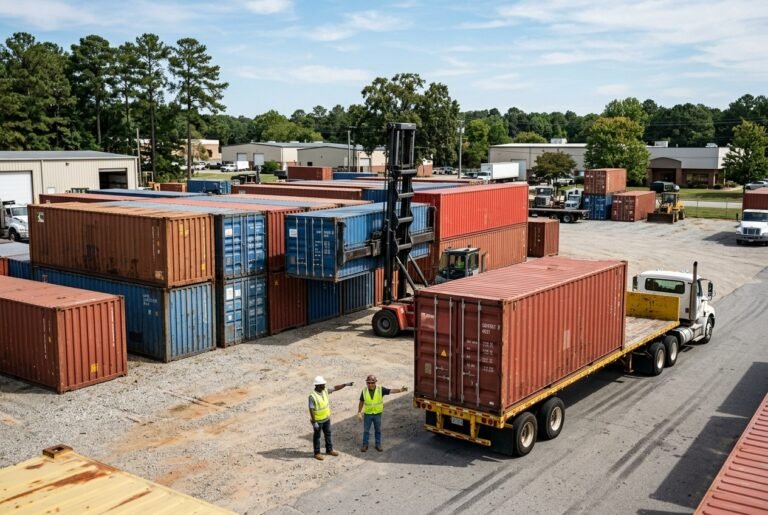
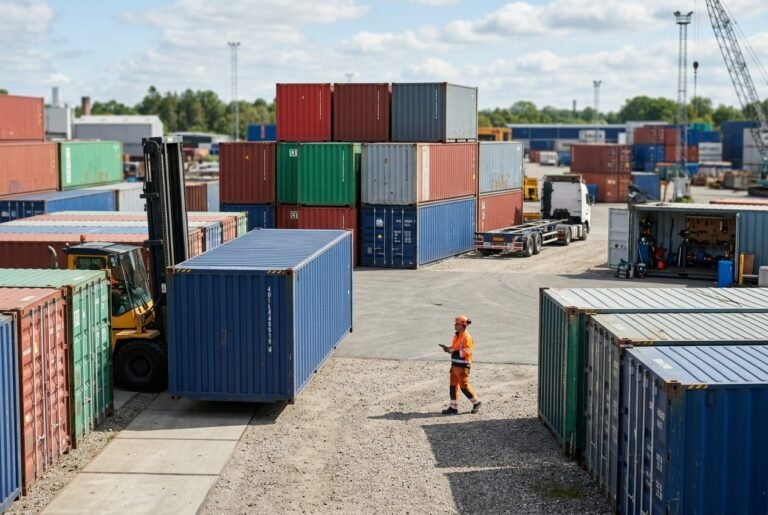
This is the original and most obvious use case. Ocean carriers and port authorities require CW certification for any container loaded onto a vessel. If you’re exporting goods from the Port of Wilmington or any other facility, your container must hold a valid CSC plate and pass inspection. No exceptions.
Intermodal logistics – where containers move between ships, rail cars, and truck chassis – also demand CW-grade units. Each transfer involves lifting, stacking, or chassis mounting that puts stress on the frame and corner castings. A container that’s merely wind and watertight may not safely withstand these forces over multiple transfers.
For logistics buyers moving goods along corridors like I-40 or I-95, CW containers provide the flexibility to shift between transport modes without re-containerizing cargo. That flexibility translates directly to lower shipping costs and faster transit times. Small businesses exporting products often find that purchasing their own CW containers, rather than leasing from a shipping line, pays for itself within two to three shipments.
High-Value Long-Term Storage Solutions
Cargo worthy containers make excellent long-term storage because their verified structural integrity means they’ll hold up for years with minimal maintenance. A properly placed CW container on a level gravel pad can provide reliable storage for 15-20 years before needing significant attention.
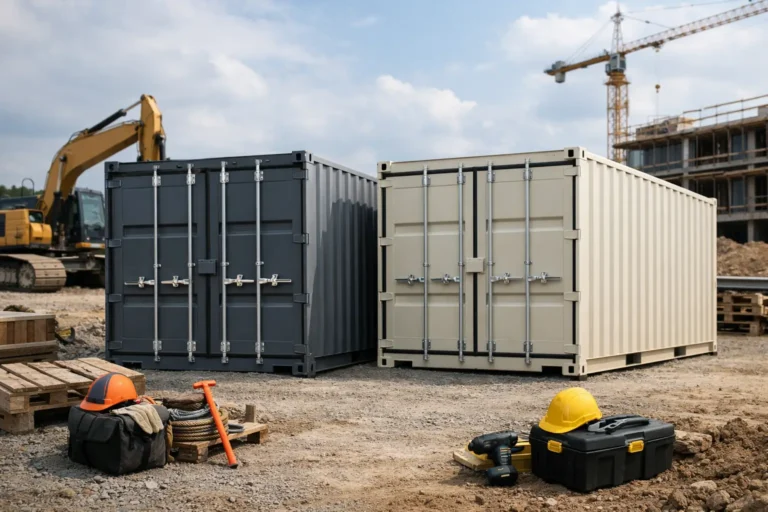
For contractors storing tools and materials on job sites, the CW grade offers peace of mind that the container won’t develop leaks or structural issues mid-project. Farm operators storing equipment, feed, or seasonal supplies benefit from the same assurance. The container’s verified weather resistance protects contents from moisture damage, and the intact locking mechanisms provide security against theft.
High-value inventory storage is another strong fit. Retail operators and small businesses using containers for overflow inventory need confidence that their stock stays dry and secure. A CW container delivers that confidence with documentation to back it up. If you ever need to relocate the container, the CW grade means it can be safely lifted and transported without concern about structural failure during the move.
Factors Influencing the Value and Longevity of CW Units
Not all cargo worthy containers are created equal. A container that barely passed its last survey is a very different purchase from one that sailed through with no deficiencies noted. Several factors determine how much useful life remains in a CW container and what it’s worth.
Age is the most obvious factor. Standard shipping containers have a typical ocean service life of 10-15 years. A CW container at the younger end of that range will generally have thicker steel, better gaskets, and more remaining service life than one nearing retirement. Check the manufacture date on the CSC plate to establish age.
Previous cargo history matters more than most buyers realize. A container that spent its career carrying dry goods in temperate climates will be in far better condition than one that transported chemicals or operated in tropical saltwater environments. Corrosion patterns, interior staining, and residual odors can all indicate cargo history.
Geographic history plays a role too. Containers that operated primarily in Southeast Asia or the Middle East may show more corrosion from humidity and salt exposure. Units that spent time in cold climates may have stress fractures from thermal cycling. These aren’t disqualifying factors, but they affect remaining service life and should influence pricing.
The 80% rule is a useful guideline: if the container retains at least 80% of its original steel thickness in all structural members, it likely has significant service life remaining. Below that threshold, you’re buying a container that may need repairs sooner than expected. Annual maintenance budgets for CW containers in good condition typically run $100-$200 per year for basic upkeep like gasket treatment, hinge lubrication, and touch-up painting on rust spots.
Summary of Benefits for Shippers and Buyers
Cargo worthy containers occupy a practical sweet spot for buyers who need verified structural integrity without paying one-trip prices. The CW grade gives you a container that has been professionally inspected, holds valid international certification, and can handle the demands of ocean shipping, intermodal transport, crane lifting, and long-term storage.
The key benefits break down clearly:
- Verified structural fitness backed by professional survey documentation
- Valid CSC certification for international shipping and intermodal use
- Intact corner castings rated for safe lifting and stacking
- Weatherproof seals that protect cargo from moisture and contamination
- Functional locking mechanisms that provide physical security
- Significant cost savings (30-50%) compared to one-trip containers
- Remaining service life of 10+ years with proper placement and basic maintenance
For buyers comparing grades, the decision often comes down to intended use. If the container stays on your property for storage, WWT may be sufficient. If there’s any possibility of transport, relocation, or resale, the CW grade protects your flexibility and your investment.
Lease Lane Containers’ Raleigh-based team helps buyers across the U.S. match the right grade to their specific project, with honest guidance on condition, pricing, and delivery logistics. If you’re ready to compare options, browse available inventory to see current container sizes, grades, and pricing. For questions about site prep, delivery access, or which grade fits your situation, the team is available at (984) 313-6158 or sales@leaselanecontainers.com.
Final Checklist Before Buying a Cargo Worthy Container
- Verify the CSC plate is present, legible, and current
- Confirm the manufacture date and calculate the container’s age
- Request the most recent surveyor’s inspection report
- Check all eight corner castings for cracks, weld repairs, or deformation
- Walk the interior floor and test for soft spots or flex
- Inspect door gaskets for continuity, pliability, and complete seal
- Operate all lock rods and handles to confirm smooth function
- Close both doors and check for daylight around the gasket perimeter
- Examine the roof for ponding areas, dents, and corrosion
- Review the undercarriage for cross member corrosion and debris buildup
- Confirm the seller can provide documentation supporting the CW grade
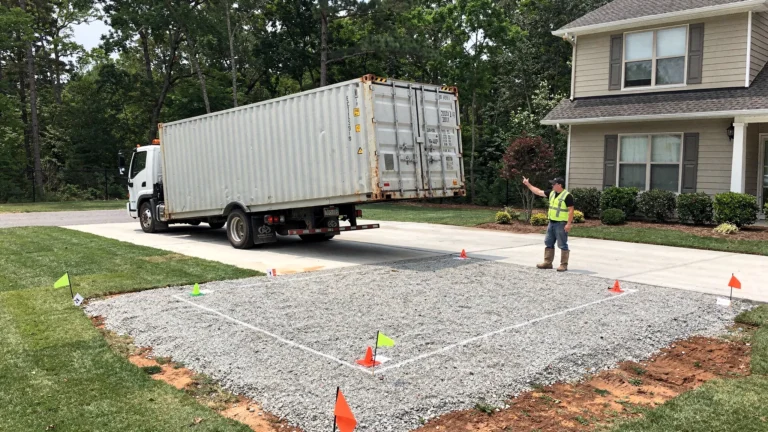
- Plan your delivery access: a standard tilt-bed truck needs roughly 100 feet of straight clearance for placement
2 Comments