Storage Containers for Rental: Delivery, Access, and Damage Fees
Renting a shipping container can be the fastest way to get secure, weather-resistant storage on a jobsite, at a small business, or on your property in Raleigh and across North Carolina. It is also where surprises happen, not because the container is complicated, but because delivery access assumptions and “damage” definitions vary by provider and by site.
This guide breaks down what to clarify before you rent, how delivery and access really work, and which damage fees are most common (plus how to avoid them).
What “storage containers for rental” typically are (and what they are not)
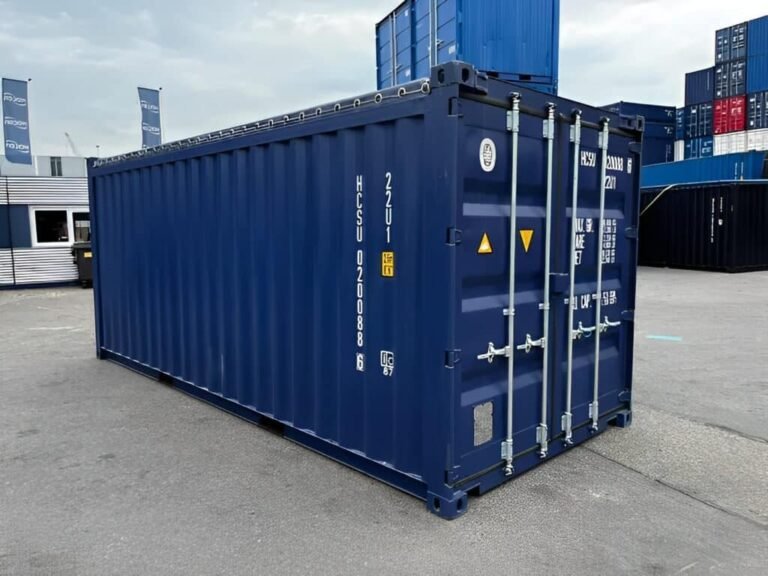
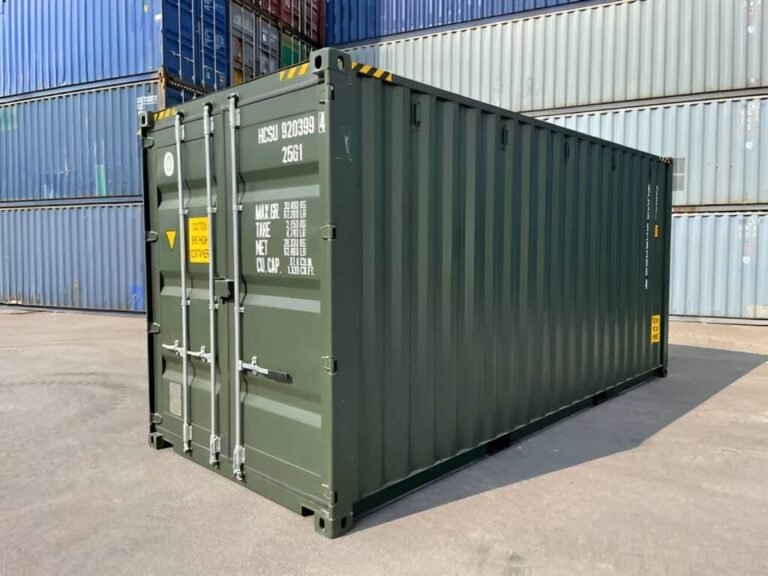
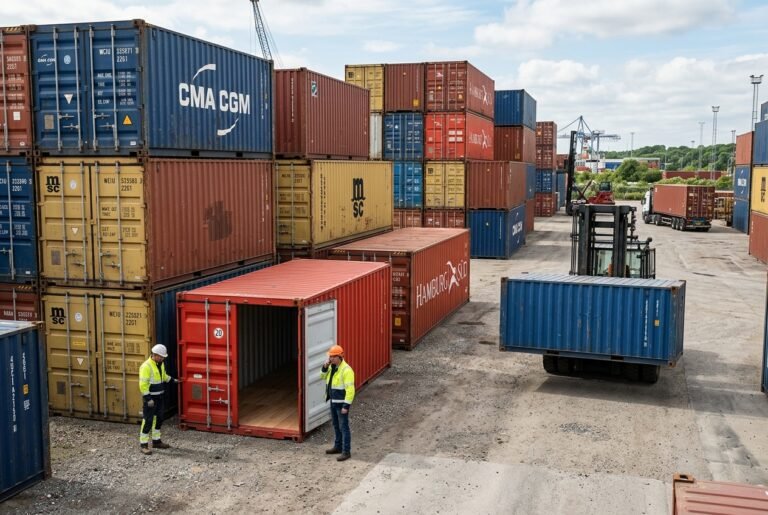
When most customers ask for storage containers for rental, they usually mean ISO intermodal shipping containers built to global transport standards, not lightweight shed kits.
Key traits that matter for rental storage:
- Corten steel construction: Most ISO containers are made with corrosion-resistant steel alloys (often referred to as Corten). That is a big reason they hold up well on construction sites and farms.
- ISO-standard footprints: The common sizes are 20ft and 40ft, with High Cube options offering extra height.
- Forklift and handling features: Corner castings, robust door hardware, and structural rails are designed for lifting and stacking in logistics environments.
If you are deciding between sizes, it helps to start with the two most common footprints and work backward from your access needs:
- For smaller sites and tighter driveways, a 20 footer is often easier to place. See our guide to 20ft container considerations (even when you rent, pricing logic and delivery constraints are similar).
- For bulk materials and long-term inventory overflow, 40 footers are common. Compare fit and clearances in Shipping Containers Dimensions: 20ft vs 40ft vs High Cube.
Container grades still matter in rentals (One-Trip vs WWT vs Cargo Worthy)
Even if you are not buying, you should confirm the grade because it affects water tightness, door operation, and how strict the provider may be about “existing condition” versus “new damage.”
Here is the industry language you will hear most often:
| Grade | What it means in plain English | Best for rentals when you need… | Typical “watch-outs” |
|---|---|---|---|
| One-Trip (new) | A near-new ISO container that made one loaded voyage from the factory, then entered the resale/rental market | Customer-facing uses, clean inventory, or you want the smoothest doors and cleanest interior | Costs more, and some providers have stricter return-condition expectations |
| Wind & Watertight (WWT) | Used container that is structurally serviceable for storage and keeps out wind and water | Jobsite storage, farm storage, tools and materials, general property storage | Cosmetic dents, patches, and surface rust are normal, door seals and flooring should still function |
| Cargo Worthy (CW) | Used container suitable for shipping cargo, often aligned with ISO/CSC expectations for transport | Storage plus possible future transport, or you need higher confidence in structural condition | Often overkill for basic storage rentals, confirm what “cargo worthy” means in the contract |
If you want the deeper buying-side definitions (useful even for renters so you can compare apples to apples), see:
Delivery: what’s usually included, and what triggers extra fees
Delivery is where most rental overages happen. Not because a carrier is trying to “get you,” but because moving an ISO container requires specific equipment, clearance, and ground conditions.
Common delivery methods for rental containers
Most residential and light-commercial drops in the Raleigh area use either:
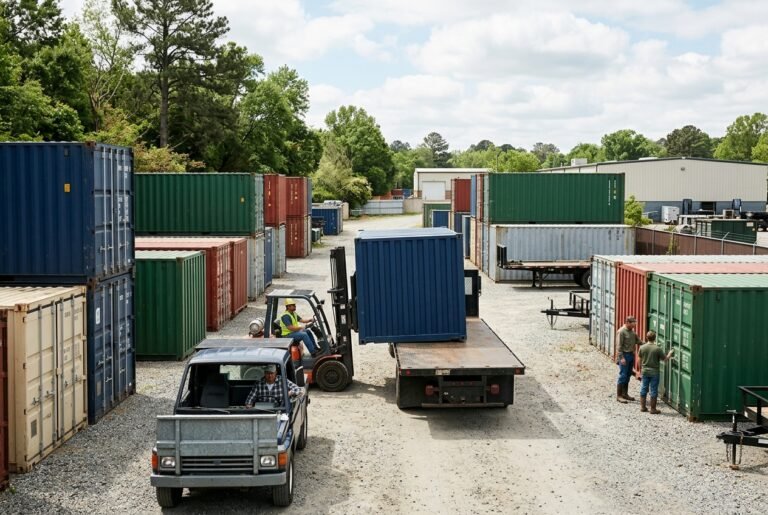
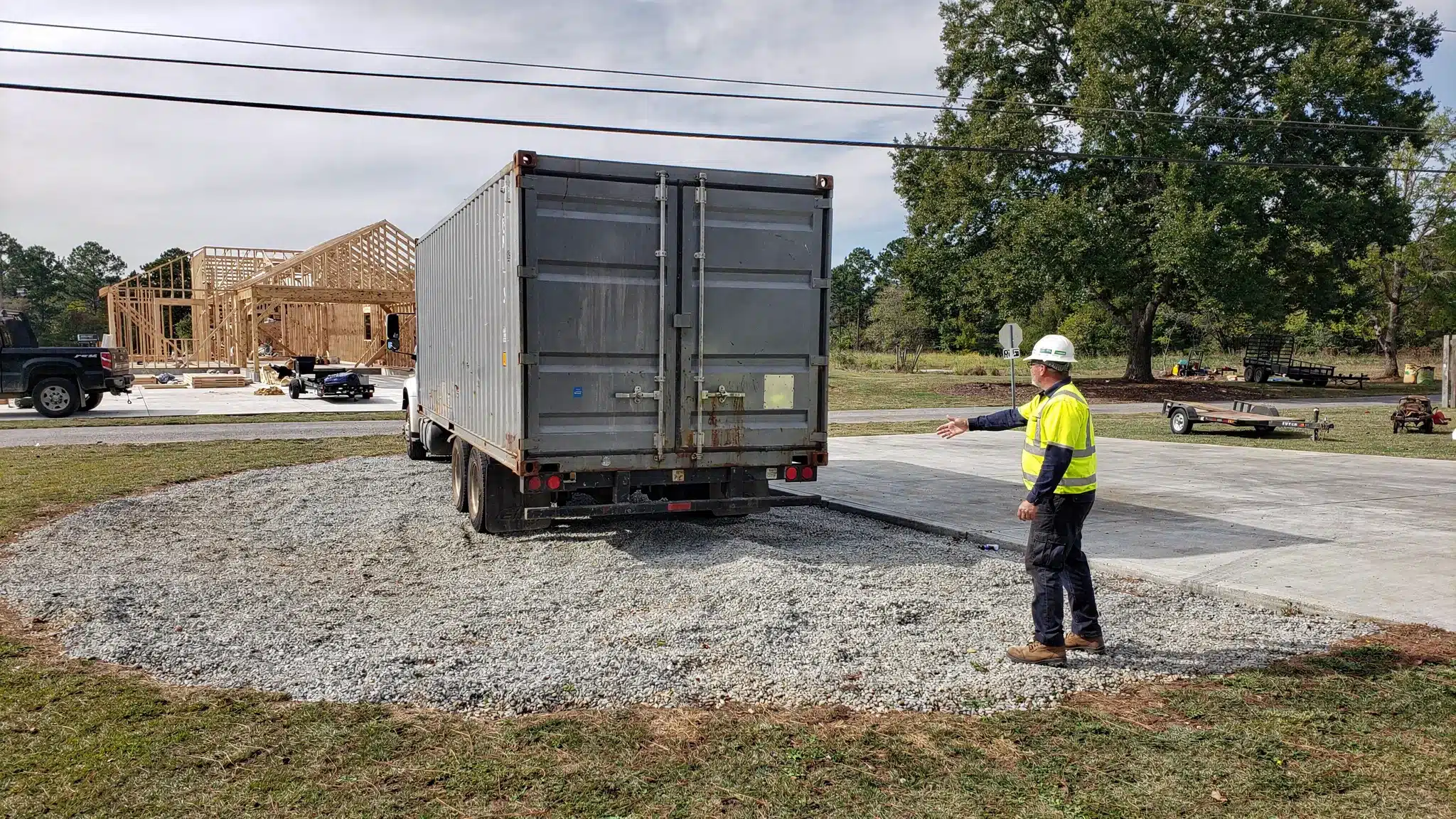
- Tilt-bed (rollback): The truck slides the container off the back. This is great for many driveways, but it needs room for the container to slide and a stable approach.
- Flatbed with offload support: The container arrives on a flatbed and must be offloaded by crane or a large forklift on-site.
Your quote should make clear which method is assumed. If the carrier shows up with a tilt-bed and your site actually requires a crane, you can get hit with a failed delivery or reschedule fee.
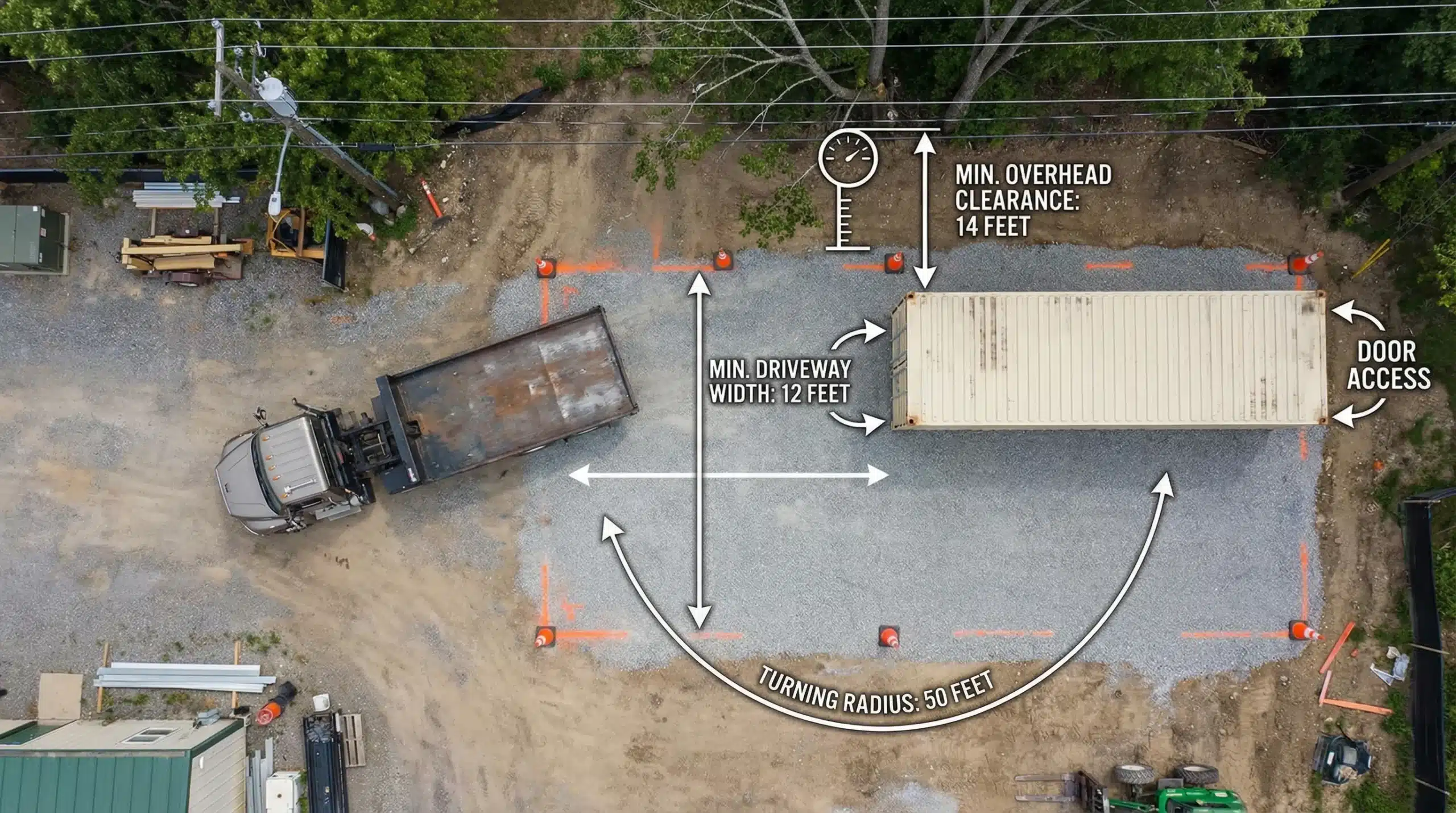
For a detailed clearance checklist (width, turning radius, overhead lines, slopes), reference our step-by-step guide: Shipping Container Delivery Requirements.
The “failed delivery” fee is usually avoidable
Failed delivery (and redelivery) charges typically show up when any of these conditions occur:
- The driver cannot safely enter due to soft shoulders, mud, steep slope, or tight turns.
- Overhead obstructions (trees, cable lines) prevent safe placement.
- The drop zone is not cleared (vehicles, dumpsters, pallets in the way).
- The customer is not available when a signature or site direction is required.
A practical approach we recommend in North Carolina is to send a few photos before delivery:
- The entrance from the street
- The full route to the drop spot
- The intended pad area from two angles
- Any overhead lines or branches near the placement area
That small step often prevents the most expensive kind of “fee,” the one that pays for a truck and driver to leave and come back.
Access fees are really “site complexity” fees
Some providers itemize access-related costs as “limited access,” “hard-to-reach,” or “special placement.” Typical triggers:
- Needing a longer reach or multi-point maneuvering
- Waiting time because the site is not ready
- Multiple repositions in one visit
The right question to ask is: “What site assumptions are built into this quote?” Then document them (photos plus a simple sketch).
Access: plan how you will use the container every week, not just day one
A rental container that is easy to drop can still be frustrating if access is an afterthought.
Door orientation and “working aisle” space
ISO container doors need swing space, and your team needs room to move items in and out.
Good access planning includes:
- Placing doors so they open away from traffic lanes
- Leaving space for a pallet jack or wheelbarrow path
- Avoiding low spots where water pools at the threshold (common in clay-heavy soils around the Triangle)
If you need frequent access, consider specialty layouts like double-door units. Learn the pros and cons in Tunnel Shipping Container Benefits Explained.
Locks, lighting, and “who is responsible” clarity
Most rental agreements put the burden of day-to-day security on the renter. You can reduce both theft risk and accidental damage with a simple setup:
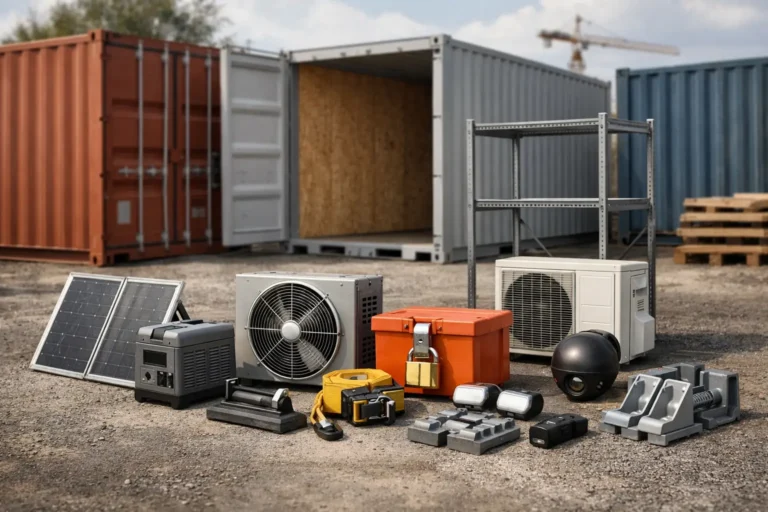
- Lockbox plus a high-quality puck lock
- Motion lighting (battery or solar if power is not available)
- Clear rules for forklift approaches so door gear is not clipped
For practical setups used on jobsites around Raleigh, see Secure Container Setup: Best Locks, Lighting, and Placement.
If your organization is compliance-driven, treat rentals like controlled assets
Larger contractors, developers, and multi-location businesses often need consistent documentation: delivery photos, inspection notes, incident logs, and return sign-offs. If you manage compliance workflows across sites, an AI compliance platform can help standardize evidence collection and remediation steps. One example is Naltilia’s compliance workflow automation, which is designed for compliance teams that need repeatable processes and audit-ready documentation.
Damage fees: what gets charged, how it’s assessed, and how to prevent it
“Damage” on a steel box sounds straightforward until you see what a rental provider considers beyond normal wear.
Two principles to expect:
- The renter is typically responsible for damage beyond pre-existing condition, even if the container is used-grade WWT.
- Repairs are often priced to restore function and safety, not to match cosmetic perfection.
Common damage-fee categories (and what causes them)
| Damage category | What it looks like | Why it gets billed | How to avoid it |
|---|---|---|---|
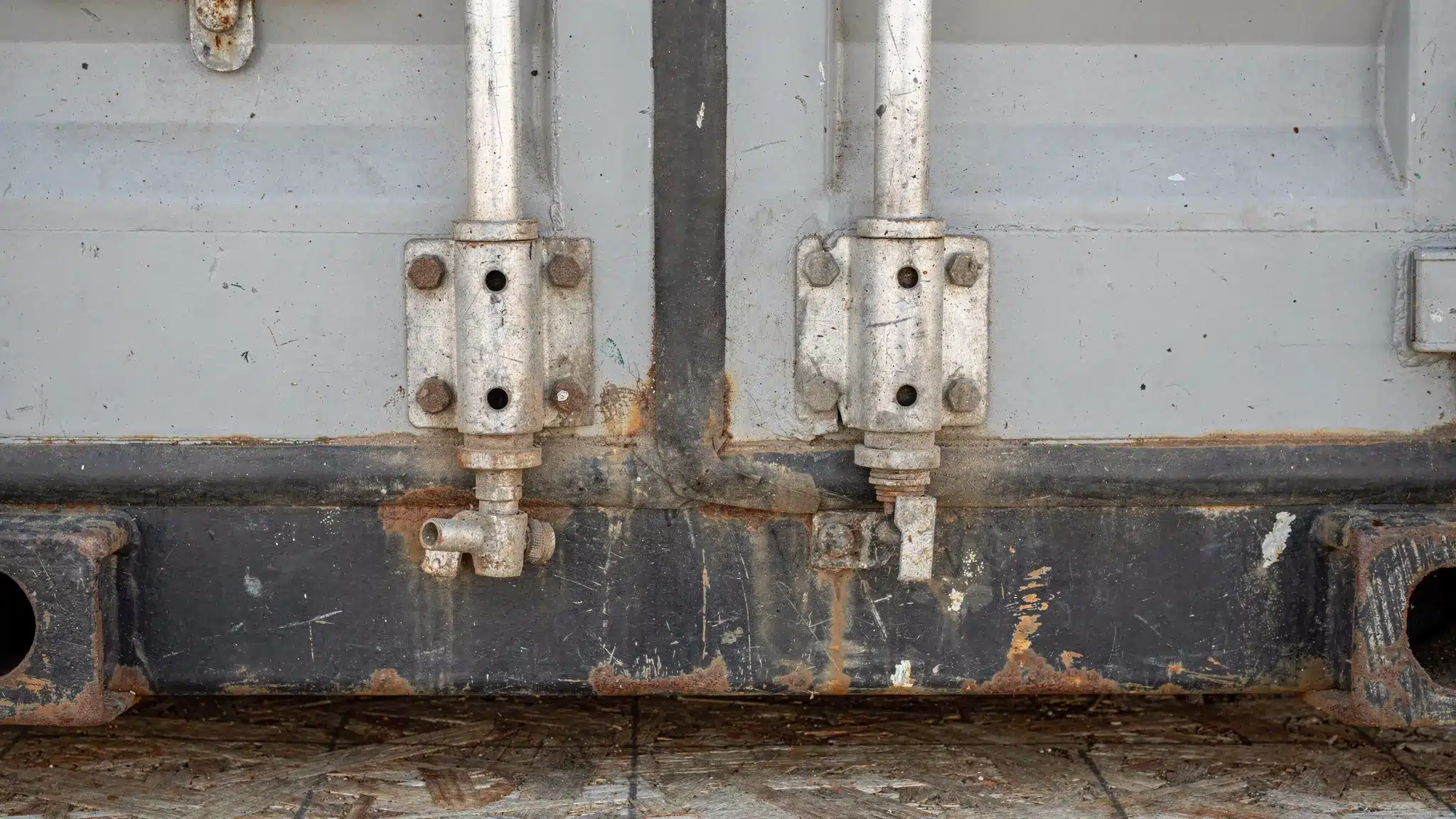
| Door gear damage | Bent locking rods, damaged cam keepers, misaligned doors | Doors must seal and lock properly for WWT performance | Keep a clear approach zone, train forklift routes, do not use doors as tie-off points |
| Floor damage | Gouges, oil saturation, chemical staining | Floors are part of the storage “fit for use,” and contamination can be hard to remediate | Use drip pans, palletize liquids, avoid dragging metal skids |
| Wall and roof dents | Forklift mast strikes, dropped materials, top-loading without clearance | Dents can compromise resale value and sometimes water shedding | Use spotters, keep loads controlled, do not climb or store heavy items on the roof |
| Unauthorized modifications | Drilled holes, welded tabs, cut vents | Modifications can weaken structure and complicate future use | Get written approval for any alterations, even “small” ones |
| Graffiti and heavy adhesive residue | Tags, stickers, tape lines | Time and materials to clean or repaint | Designate signage areas and use removable mounting methods |
Document condition at delivery and at pickup
If you want the simplest defense against damage disputes, take 5 minutes to create a “condition set”:
- Photos of all four sides, both doors, and the roof line from ground level
- Close-ups of door gaskets, lock area, and corner castings
- Photos of the floor near the entrance and the center of the container
This is especially important for used-grade WWT rentals, where cosmetic wear is normal but functional damage is not.
Pro-Tip (Raleigh and Southeast site prep): build a pad that prevents both stuck trucks and “container damage”
In the Raleigh area, the most common site-prep problems are not snow and ice. They are soft ground after rain, clay-heavy soils, and drainage that turns a flat spot into a rut.
To reduce delivery risk and avoid damage fees caused by settling or twisting:
- Level first, then support the corners: Containers carry load through the corner castings. A container that is “mostly level” can still rack and make doors hard to open.
- Use a gravel pad: A compacted gravel base helps with drainage and prevents tires and corners from sinking. It also creates a cleaner approach for frequent access.
- Plan runoff: If water flows toward the doors, you will fight puddling, slippery thresholds, and faster corrosion on hardware.
- Check permits and HOA rules early: Some municipalities and neighborhoods treat long-term container placement like an accessory structure. Requirements vary even within the Triangle.
If you want to go deeper on delivery planning, measurements, and clearance, keep our guide bookmarked: Shipping Container Delivery Requirements.
Rent vs buy: avoid paying “rental prices” for a long-term need
Renting is a strong fit when:
- You have a defined project timeline (construction phases, seasonal inventory)
- You need storage immediately and do not want to manage resale later
- You are testing a size (20ft vs 40ft vs High Cube) before committing
Buying often makes more sense when:
- You expect to keep the container on-site long-term
- You want to modify it (shelving, roll-up doors, electrical)
- You want full control over exterior condition and branding
If you are leaning toward purchase, our Ultimate Shipping Container Buyers Guide walks through grade selection, ISO assumptions, and delivery planning. If a used unit is on your radar, start with How to Spot Quality Containers Before You Buy so you know what “good used” looks like.
Get a clear rental plan (and a clear fee picture) before the truck rolls
The best rental outcomes happen when the delivery method, access plan, and condition expectations are agreed to in writing before scheduling. If you want help choosing the right size (20ft, 40ft, High Cube), grade (One-Trip vs WWT vs Cargo Worthy), and a placement plan that works for your Raleigh site, reach out to our team.
Contact Lease Lane Containers LLC at sales@leaselanecontainers.com or visit our Raleigh, NC office to get clear pricing and delivery guidance.