

Best Shipping Containers for Sale in Raleigh, NC
Raleigh sits at the center of one of the fastest-growing metro areas in the Southeast, and that growth has created serious demand for portable, durable storage and workspace solutions. Whether you're a contractor managing materials across job sites in the Triangle, a homeowner looking for secure backyard storage, or a small business owner dealing with inventory overflow, a shipping container is one of the most practical purchases you can make. Finding the right container in Raleigh means understanding your options for size, grade, condition, and delivery, and knowing which local factors affect your purchase. This guide breaks down everything you need to evaluate before buying, from container types and pricing to zoning rules and site prep specific to the Raleigh area. If you've been searching for shipping containers for sale in Raleigh, NC, this is the information that will help you spend your money wisely and avoid common mistakes. The goal here isn't to sell you on a container you don't need. It's to give you the details that make the difference between a smooth purchase and an expensive headache.
Table of Contents
- Overview of Shipping Container Options in Raleigh
- Choosing Between New and Used Inventory
- Top Local Suppliers and Market Pricing in North Carolina
- Key Applications for Containers in the Triangle Area
- Essential Delivery and Site Preparation Requirements
- Raleigh Zoning Laws and Permit Considerations
- Customization and Modification Services
- Final Checklist for Purchasing Your Raleigh Container
Overview of Shipping Container Options in Raleigh
Raleigh buyers typically choose from a few standard container types, and the differences matter more than most people realize. Your intended use, available space, and budget all play a role in which container makes sense. Getting familiar with the basic categories saves time and prevents you from overpaying for features you don't need, or underpaying for a container that won't hold up.
Standard vs. High Cube Containers
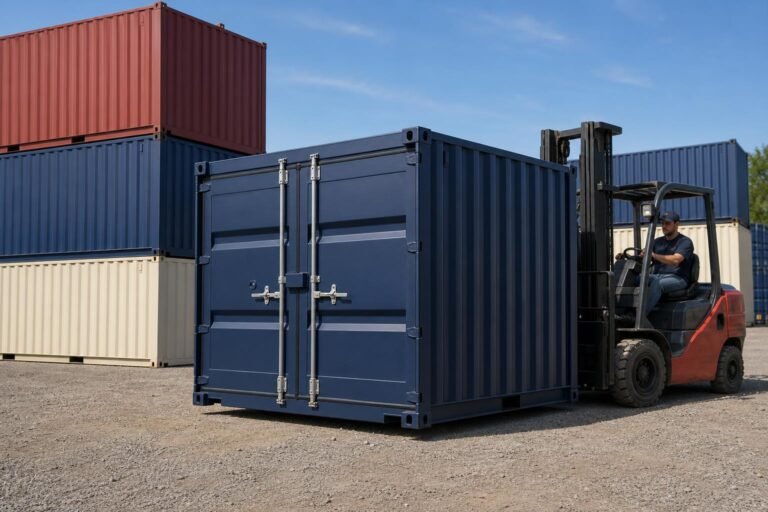
Standard shipping containers have an exterior height of 8 feet 6 inches. That gives you roughly 7 feet 10 inches of usable interior height after accounting for the floor and ceiling structure. For basic storage of equipment, tools, furniture, or seasonal inventory, a standard height container works perfectly well.
High cube shipping containers add an extra foot, standing 9 feet 6 inches tall on the outside. That extra headroom matters if you're planning to insulate the interior, install lighting or HVAC, or convert the container into a workspace or living area. If your project involves any kind of interior build-out, a high cube is almost always the better choice. The price difference between standard and high cube is usually $300 to $800 depending on condition and supplier.
Common Sizes: 20ft and 40ft Units
The two most common shipping container dimensions are 20 feet and 40 feet in length. A 20ft container provides about 160 square feet of floor space and works well for residential storage, small business inventory, or a compact on-site office. A 40ft container doubles that to roughly 320 square feet, which is better suited for construction staging, large equipment storage, or conversion projects like container offices and workshops.
If you're unsure about size, consider what you're storing and how you'll access it. A 20ft unit is easier to place in tight residential lots, while a 40ft unit requires more clearance for delivery and more level ground for stable placement.
Choosing Between New and Used Inventory
Condition is one of the biggest factors in both price and performance. Not every used container is a bad deal, and not every new container is worth the premium. The key is understanding the grading system and matching the condition to your intended use.
One-Trip Containers for Longevity
A one-trip container is manufactured overseas, typically in China, loaded with cargo for a single voyage to the U.S., and then sold domestically. These containers are essentially new. They'll have minimal cosmetic wear, intact factory paint, clean interiors, and hardware that operates smoothly.
One-trip units are the best option if you're investing in a modification project, need a container that will look presentable on a commercial property, or want something that will last 20 to 25 years with minimal maintenance. Expect to pay $3,500 to $5,500 for a 20ft one-trip unit and $5,500 to $8,000 for a 40ft, depending on market conditions and availability in the Raleigh area.
Understanding Cargo Worthy and Wind/Watertight Grades
Used containers are graded based on their structural and weather integrity. The two most common grades you'll encounter are Cargo Worthy (CW) and Wind and Watertight (WWT).
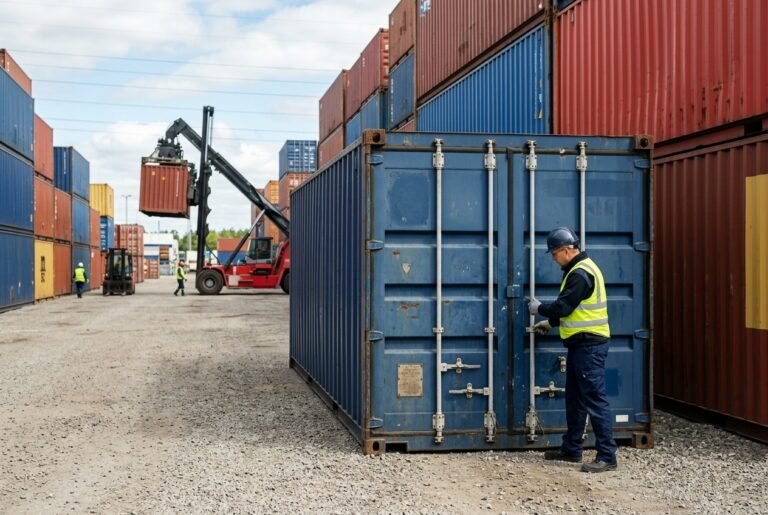
A Cargo Worthy container has been inspected and certified for international ocean transport. It's structurally sound, the doors seal properly, and the floor is intact. This grade is a solid mid-range choice for on-site storage, job site use, or any application where the container needs to perform reliably but doesn't need to look brand new. Expect surface rust, dents, and patched areas, but no holes or compromised panels.
A Wind and Watertight container keeps the elements out but may not meet the stricter standards for ocean shipping. These are the most affordable option and work fine for dry, secure storage on your own property. Lease Lane Containers provides transparent grading guidance so you know exactly what you're getting before you commit.
Top Local Suppliers and Market Pricing in North Carolina
Raleigh's position along major freight corridors, including I-40 and I-95, gives buyers access to container inventory that flows through the Port of Wilmington and other Southeast hubs. Pricing in the Triangle tends to be competitive compared to inland markets that sit farther from port cities.
For used containers in decent condition, expect to pay between $1,800 and $3,500 for a 20ft unit and $2,500 to $4,500 for a 40ft unit. One-trip containers cost more but hold their value longer. Delivery fees in the Raleigh metro area typically run $200 to $500 depending on distance from the supplier's yard and the type of delivery truck required.
When comparing suppliers, ask about the container's specific grade, request photos of the actual unit you'll receive, and confirm whether the quoted price includes delivery. Some sellers advertise low base prices but tack on significant delivery and handling charges. Lease Lane Containers, based right here in Raleigh, offers clear pricing and practical delivery planning support so there are fewer surprises on drop-off day.
Key Applications for Containers in the Triangle Area
Shipping containers are showing up across Wake, Durham, and Orange counties for uses that go well beyond basic storage. The Triangle's mix of residential growth, commercial construction, and agricultural land creates demand for flexible, portable structures.
On-Site Storage for Construction and Business
Contractors use 20ft and 40ft containers to secure tools, materials, and equipment on active job sites. A locked shipping container is far more secure than a temporary shed or tarp-covered pile, and it can be relocated as the project moves. Small businesses use containers for inventory overflow during peak seasons, retail pop-ups, or as secondary warehouse space without committing to a commercial lease.
Restaurants, breweries, and event venues around Raleigh have also adopted containers for cold storage, back-of-house supply staging, and even customer-facing service windows.
Residential Solutions and Tiny Home Conversions
Homeowners in the Raleigh area are using containers for backyard workshops, home offices, art studios, and ADU-style guest quarters. A 20ft high cube shipping container gives you enough space for a functional home office with room for a desk, shelving, and climate control.
Tiny home conversions using 40ft high cube units have gained traction in North Carolina, though they require more planning around insulation, plumbing, and electrical. If you're considering a residential conversion, start by checking with Wake County's building inspection department before purchasing.
Essential Delivery and Site Preparation Requirements
A container purchase doesn't end at the sale. Getting the unit safely onto your property is half the job, and poor site prep is one of the most common reasons deliveries go wrong.
Ground Leveling and Foundation Types
Your container needs to sit on level ground. Even a slight slope can cause the doors to bind, the frame to twist under load, and water to pool around the base. For temporary placement, compacted gravel pads work well and allow drainage. For permanent installations, concrete piers or a poured slab provide the most stable foundation.
A good rule of thumb: if you can see daylight under one corner when you place a level on the ground, you need to do more prep work before the container arrives.
Clearance for Tilt-Bed and Roll-Off Trucks
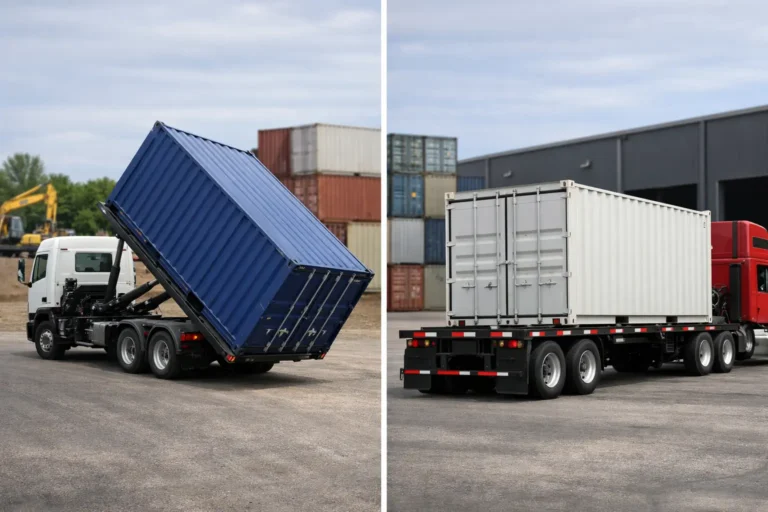
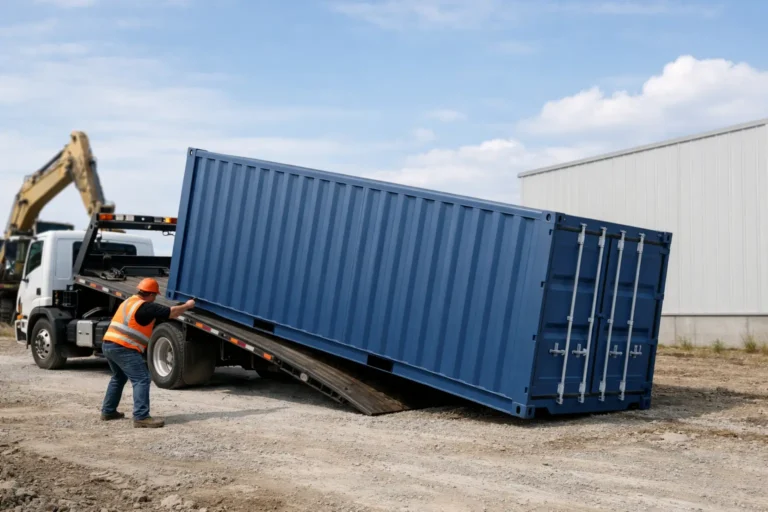
Shipping container delivery requires either a tilt-bed truck or a roll-off truck, and both need significant clearance. A tilt-bed truck needs roughly 100 feet of straight-line space to slide a container off the back. A roll-off truck requires less length but still needs a clear path at least 12 feet wide with no low-hanging branches, power lines, or tight turns.
Measure your driveway, check for overhead obstructions, and confirm that the delivery truck can access your placement spot without backing into a dead end. Lease Lane Containers includes delivery planning support to help you identify potential access issues before the truck shows up.
Raleigh Zoning Laws and Permit Considerations
Placing a shipping container on your property in Raleigh isn't always as simple as picking a spot and having it dropped off. Wake County and the City of Raleigh have specific zoning rules that govern where containers can be placed, how long they can stay, and whether they require a permit.
In most residential zones within Raleigh city limits, a shipping container used for storage is treated as an accessory structure. That means it may need to comply with setback requirements, lot coverage limits, and aesthetic standards. Some HOAs prohibit containers entirely or require screening such as fencing or landscaping.
For commercial and industrial properties, the rules are generally more relaxed, but you'll still want to confirm that your intended use aligns with your zoning classification. If you're placing a container on a construction site, temporary use permits are often available with a defined time limit. Call the Raleigh Planning Department at (919) 996-2626 or visit their website to verify requirements for your specific parcel before you buy.
Customization and Modification Services
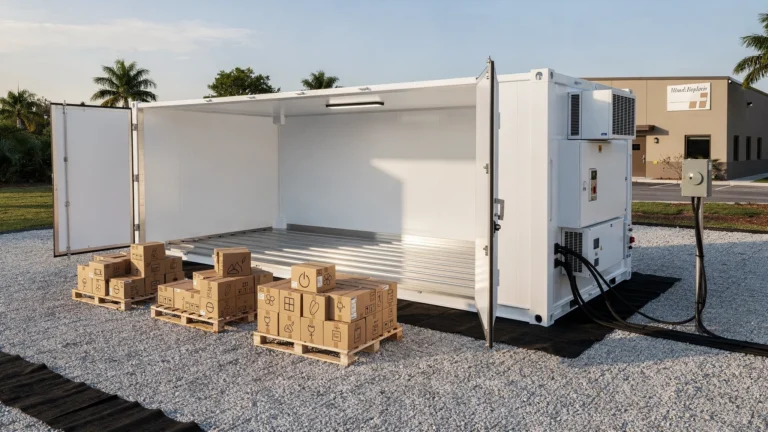
A stock shipping container is a blank canvas. Common modifications include roll-up doors, personnel doors, windows, ventilation, electrical wiring, insulation, and interior partition walls. If you're converting a container into a workspace or retail unit, you can also add HVAC systems, plumbing, and custom paint.
Pricing for modifications varies widely. A simple roll-up door installation might cost $1,200 to $2,000, while a full office build-out in a 40ft container can run $15,000 to $30,000 depending on the scope. Some buyers purchase a one-trip container and handle modifications themselves. Others prefer to work with a supplier or fabricator who can deliver the container already modified and ready to use.
When planning modifications, decide what you need before you buy the container. A container destined for a workshop needs different door placement than one used for cold storage. Getting the specs right upfront saves you from costly rework later.
Final Checklist for Purchasing Your Raleigh Container
Before you finalize any container purchase, run through these practical steps:
- Confirm the container grade and request photos of the actual unit, not stock images.
- Verify the quoted price includes delivery or get a separate delivery estimate.
- Measure your site for clearance: width, length, overhead obstructions, and turning radius.
- Check with Wake County or the City of Raleigh on zoning and permit requirements.
- Prepare your foundation: gravel pad, concrete piers, or slab, depending on your use case.
- Decide on modifications before purchasing so you can choose the right base container.
- Inspect the doors, floor, and corner castings on delivery, or review detailed photos if buying remotely.
Buying a shipping container in Raleigh doesn't have to be complicated, but it does require some homework. The difference between a good purchase and a frustrating one usually comes down to asking the right questions about grade, delivery, and site readiness before you commit.
If you're ready to compare options, browse Lease Lane Containers' current inventory to see available sizes, grades, and pricing. Their Raleigh-based team can help you match the right container to your project and plan a delivery that works the first time.

One Comment