Best Shipping Container Accessories to Add
A shipping container that looks fine on delivery can still be frustrating on day one if the setup details were overlooked. The right shipping container accessories make the unit easier to secure, safer to enter, better ventilated, and more practical for the way you actually plan to use it – whether that is job-site storage, farm equipment protection, retail overflow, or a workshop build.
Most buyers do not need every add-on available. They need the accessories that solve a real operational problem without creating new costs, delays, or structural issues. That is the difference between a container that simply sits on your property and one that works the way it should from the start.
Which shipping container accessories matter most?
The answer depends on how often you access the container, what you are storing, and whether the unit is staying close to stock condition or being modified for another use. A contractor storing power tools on an active site has different priorities than a homeowner creating backyard storage. A retail operator using a container for overflow inventory may care more about lighting and shelving, while an agricultural buyer may prioritize ventilation and secure door hardware.
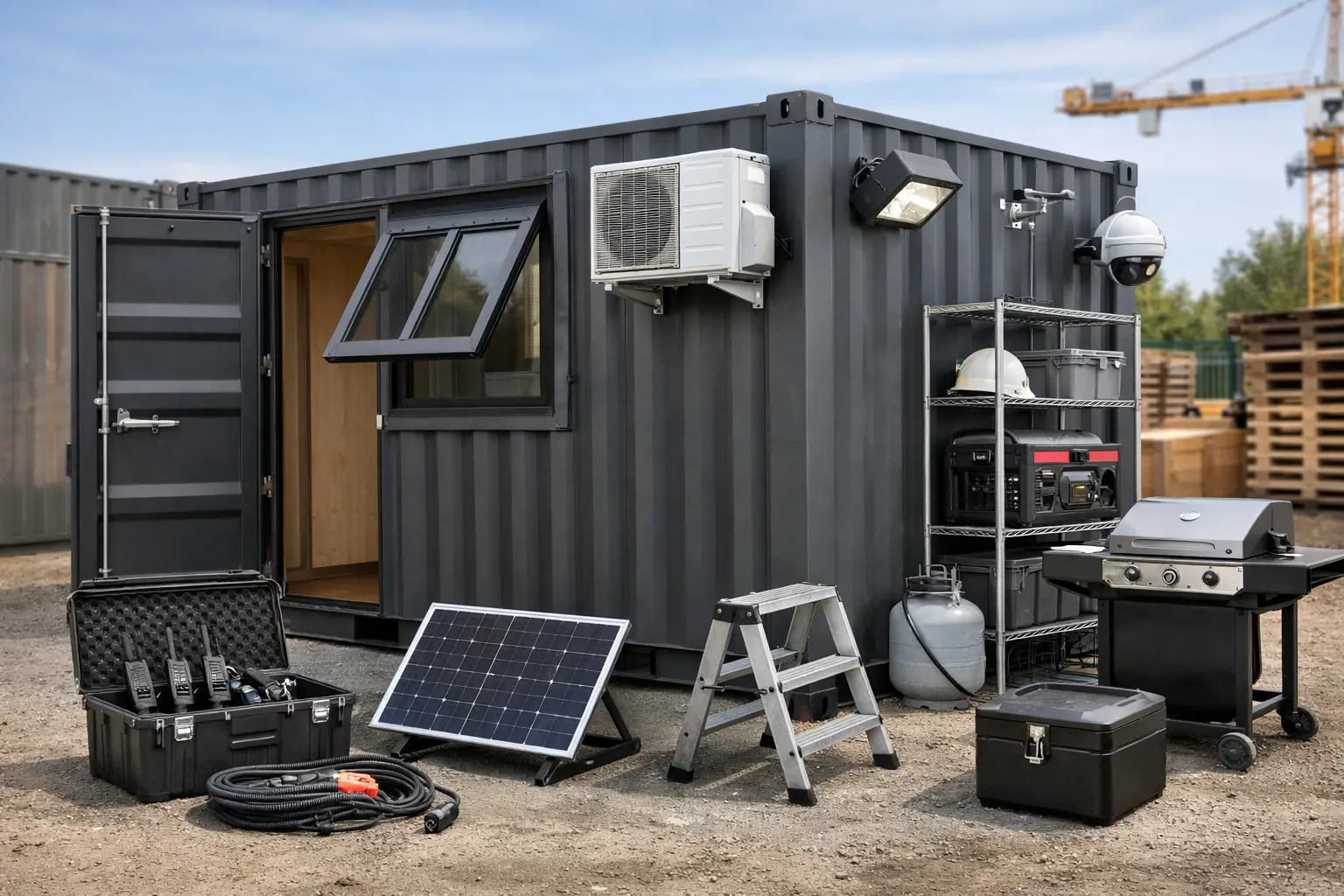
The most useful accessories usually fall into five categories: security, access, climate control, interior organization, and site setup. If you start there, you can narrow the field quickly and avoid paying for upgrades that do not improve daily use.
Security accessories
Security is usually the first conversation, and for good reason. Standard container cargo doors are durable, but they are not always enough on their own for high-value contents. Lock boxes are one of the most common and worthwhile upgrades. A welded steel lock box shields the padlock from bolt cutters and tampering, making forced access more difficult.
A high-quality puck lock or disc lock also matters. Cheap hardware often becomes the weak point in an otherwise secure steel structure. If the container will be placed on an unattended site, that is not where you want to cut corners.
For some commercial setups, door alarms, motion-sensing lights, or integrated access control can make sense. These are more common when containers are used as mobile offices, inventory rooms, or long-term equipment storage. The trade-off is cost and complexity. If your site already has perimeter security, a lock box and commercial-grade lock may be enough.
Access and entry upgrades
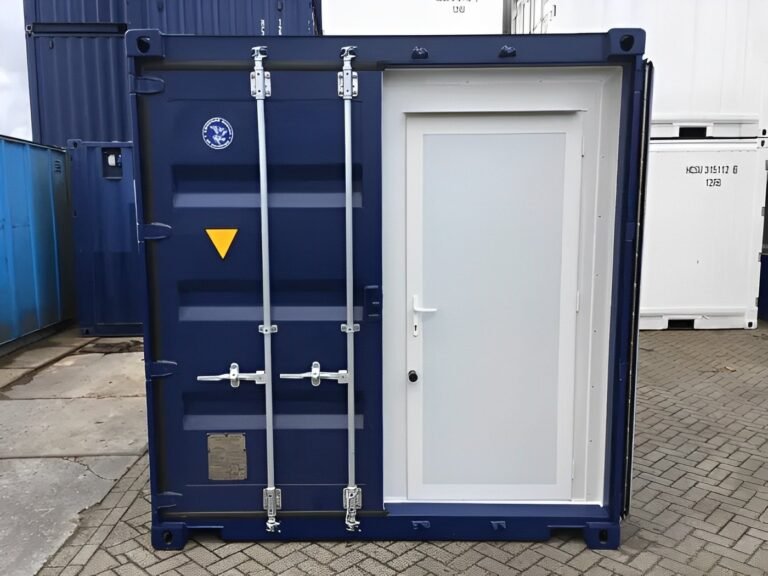
Cargo doors work well for loading pallets, machinery, and bulk materials, but they are less convenient if staff needs to enter the unit several times a day. In that case, a man door is often the accessory that delivers the biggest practical improvement. It gives you fast walk-in access without opening one or both main doors each time.
This matters on construction sites and farms where repeated entry is part of the daily routine. It also reduces wear on the main doors and helps keep the space more organized. The main consideration is that adding a man door is a structural modification. It should be done correctly so the container retains its strength and weather resistance.
Steps, ramps, and threshold plates are also worth considering. Ground-level delivery makes access easier than elevated placement, but even then, a container floor sits higher than grade. If forklifts, mowers, or wheeled carts are going in and out, the right ramp is not optional. It is a safety item.
Shipping container accessories for airflow and climate control
Ventilation is often underestimated until condensation shows up. Even Wind & Watertight containers can develop interior moisture when outside temperatures swing and the contents inside trap humidity. That is especially true for tools, paper goods, textiles, feed, or household items stored long term.
Additional vents are among the most practical shipping container accessories for this reason. Passive vents can improve airflow without much maintenance. For more demanding uses, powered fans or turbine vents may be a better fit. The right option depends on climate, sun exposure, and what is stored inside.
Insulation is a separate decision. If the goal is basic dry storage, ventilation may be enough. If the container will serve as a workshop, office, or conditioned space, insulation becomes much more important. Spray foam, rigid board, and framed wall systems each have pros and cons. Spray foam controls condensation well and seals gaps, but it is harder to remove later. Framed interiors make future finishing easier, but they reduce interior width.
For refrigerated containers, accessory planning is even more specific. Reefer units may need strip curtains, interior lighting upgrades, shelving compatible with airflow, or backup power planning. In those cases, the accessory list should support temperature performance rather than work against it.
Interior organization and usability
A container with no interior layout can become inefficient fast. Shelving systems, wall-mounted tool racks, tie-down points, and work benches make the space easier to use and safer to navigate. For job sites, this can save time every day. For homeowners, it often means the difference between organized storage and a steel box filled with stacked clutter.
The best interior accessories are usually simple and load-aware. Heavy-duty shelving should be anchored properly and sized for the actual materials being stored. Tie-down rings help secure generators, mowers, or palletized stock during loading and unloading. If the unit will hold long materials like pipe, lumber, or conduit, plan that layout early instead of treating organization as an afterthought.
Lighting is another upgrade that pays off quickly. Battery lights may be enough for occasional use, but hardwired LED lighting or solar-powered systems are better for frequent access. If employees are entering before sunrise or after dark, visibility is a safety issue, not just a convenience feature.
Exterior and site-related accessories
Some of the most important accessories are outside the container. Leveling blocks, foundation pads, and tie-down solutions affect door function, long-term performance, and structural stability. A container that is not set properly can develop door alignment issues, pooling water problems, and unnecessary floor stress.
If your site is exposed to heavy wind or uneven terrain, anchoring may be necessary. That is especially true for modified units or containers used in open agricultural settings. The right setup depends on local conditions, soil, and whether the container is temporary or permanent.
Awnings and exterior lighting can also make sense, particularly for mobile offices, retail pop-ups, and workshop conversions. These are useful upgrades, but they should come after the basics are handled. It does not make sense to spend on appearance or convenience if drainage, access clearance, and level placement are still unresolved.
Choosing accessories based on container use
For secure job-site storage, start with a lock box, heavy-duty lock, interior lighting, and a ramp if equipment will be rolled inside. For agricultural use, prioritize ventilation, shelving, and practical entry solutions that work in mud, dust, and frequent-use conditions. For residential storage, security still matters, but many homeowners benefit just as much from better lighting, easy-access doors, and moisture control.
For modular builds or workshop conversions, accessory planning needs to happen before delivery whenever possible. Window placement, electrical pass-throughs, insulation, personnel doors, and HVAC openings all affect the build sequence. Making those decisions late can increase labor costs and limit placement options.
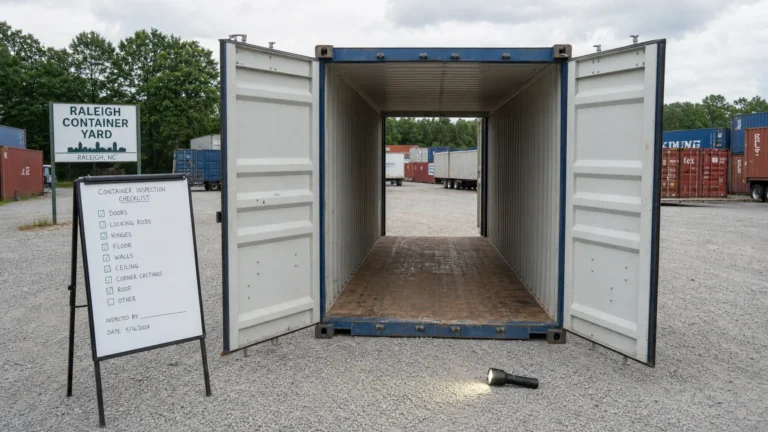
This is also where container grade matters. A one-trip container may need fewer corrective upgrades because the doors, flooring, and overall structure are in near-new condition. A used Cargo Worthy or WWT unit can still be an excellent value, but the accessory plan should account for its condition and intended lifespan. A buyer using a container for temporary material storage may make different choices than someone investing in a long-term finished space.
Avoiding the wrong add-ons
Not every accessory is worth installing. Some buyers overbuild for the application. Others buy low-cost hardware that fails under real use. The better approach is to match the upgrade to the operational need.
For example, expensive interior finishes may not belong in a container used for rough construction storage. On the other hand, skipping ventilation in a humid climate can damage stored contents and cost more later than the original upgrade would have. The right answer is rarely the longest accessory list. It is the list that fits the container, the site, and the workload.
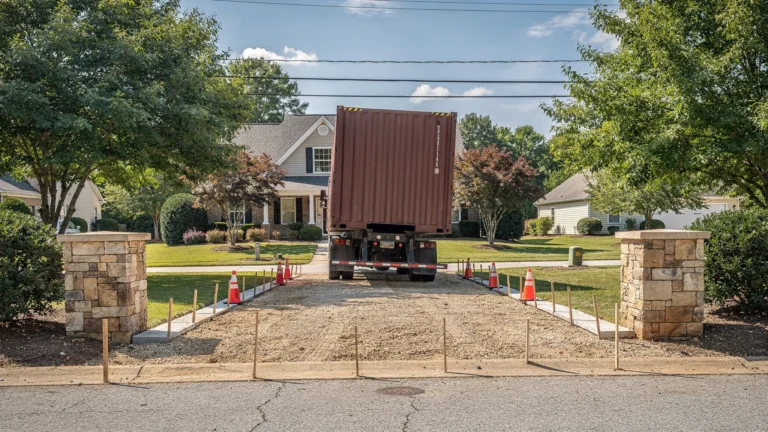
It also helps to think about delivery from the start. Added exterior features can affect handling clearance, placement access, and unloading method. If you are scheduling Tilt-Bed or Ground-Level delivery, accessory choices should not interfere with the delivery path or final positioning.
A good container setup is rarely about adding more. It is about removing friction. Better security reduces risk. Better access saves time. Better ventilation protects what is inside. If you choose shipping container accessories with those outcomes in mind, the container will do its job with fewer surprises and fewer adjustments after delivery.