Shipping Containers: What Buyers Need to Know
A container looks simple until it shows up at your site and something does not fit – the gate is too narrow, the ground is too soft, or the grade is not what you expected. That is why buying shipping containers is less about finding the lowest number on a quote and more about matching the unit, condition, and delivery method to the job.
For contractors, growers, retailers, and property owners, the right container solves a real operational problem. It protects tools, equipment, seasonal inventory, and build materials from weather and theft. It can also become a mobile office, a workshop shell, or the starting point for a modular project. The key is choosing with clear specifications, not assumptions.
What shipping containers are made to do
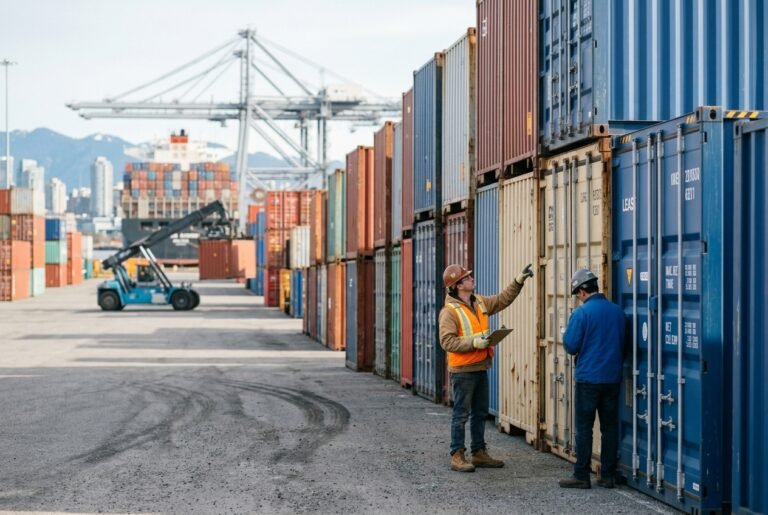
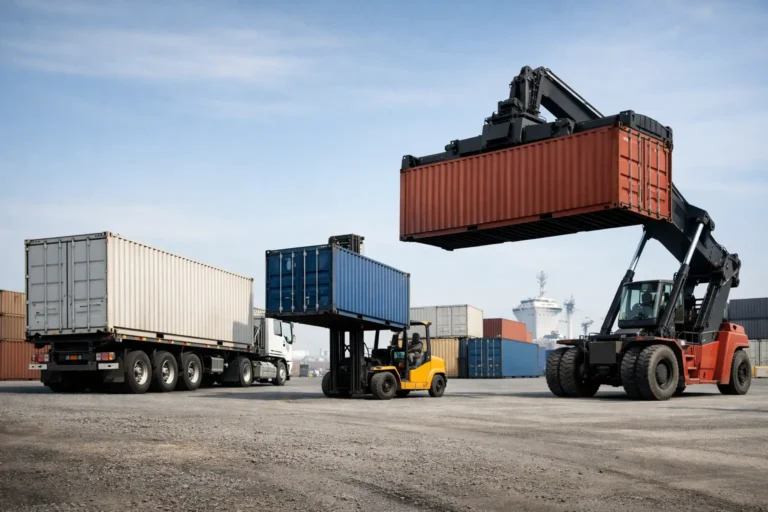
Most shipping containers are built from Corten steel and manufactured to ISO standards for international transport. In plain terms, that means they are designed to handle stacking, lifting, and harsh weather while keeping cargo secure. That structural strength is a big reason they work so well for on-site storage and conversion projects.
But not every container is right for every use. A construction company storing generators and copper wire needs different features than a homeowner creating a backyard studio. A farm operation may care more about ground-level access and ventilation, while a retail operator may prioritize cleaner exterior appearance for customer-facing use. The container itself is only part of the decision. Condition, dimensions, door configuration, and delivery access matter just as much.
Choosing the right shipping containers for your use case
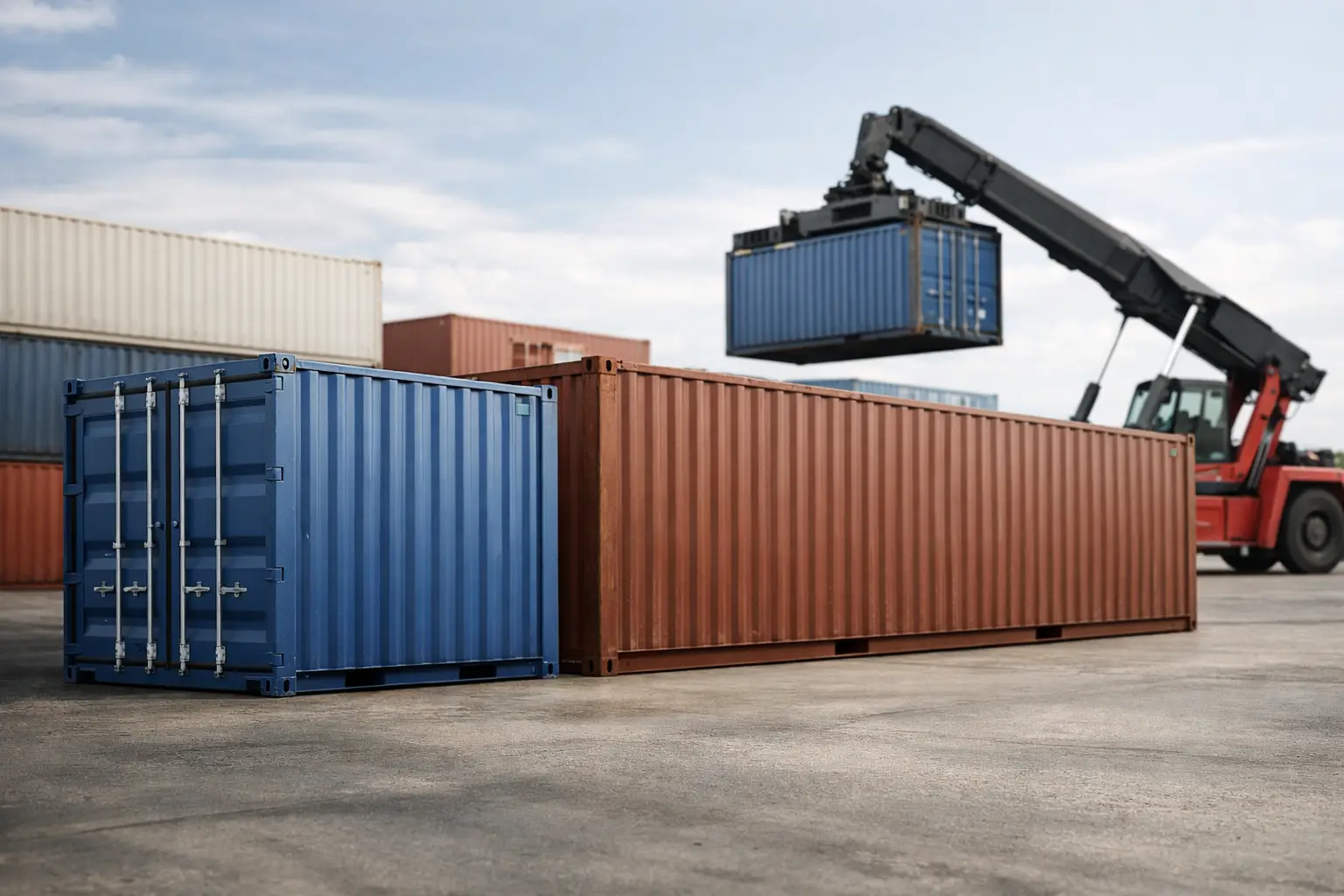
The most common sizes are 20-foot and 40-foot units, with 45-foot containers available for buyers who need more cubic capacity. A 20-foot container is often the practical choice when site space is limited or when you need dense, secure storage close to the work area. A 40-foot unit works well for larger inventory loads, long materials, or operations that want fewer individual containers on site.
High-cube containers add extra interior height, which can make a meaningful difference if you are storing tall equipment, adding shelving, or planning a conversion. Reefer containers are insulated and designed for temperature-sensitive cargo, though they are also sometimes used for projects that benefit from an insulated shell. Open-top units help with oversized materials loaded from above, and tunnel containers with doors at both ends can improve workflow when you need pass-through access.
There is no universally best option. If your priority is a compact footprint and easier placement, 20-foot units usually win. If your priority is lower cost per cubic foot, 40-foot containers often make more sense. If appearance is critical for a customer-facing project, a cleaner one-trip container may be worth the higher upfront price.
Understanding container grades without the guesswork
This is where many buyers run into trouble. Terms like one-trip, Cargo Worthy, and Wind & Watertight are useful, but only if they are explained clearly.
A one-trip container is a newer unit that has typically made a single cargo trip after manufacture. These containers usually have the best cosmetic condition, minimal wear, and long service life remaining. They are a strong fit for buyers who care about appearance, want fewer dents and patches, or plan to modify the unit.
Cargo Worthy, often shortened to CW, means the container meets a standard suitable for continued transport use. It should be structurally sound, with functioning doors, solid flooring, and no major defects that would disqualify it from shipping service. For many commercial buyers, this is a good middle ground between price and condition.
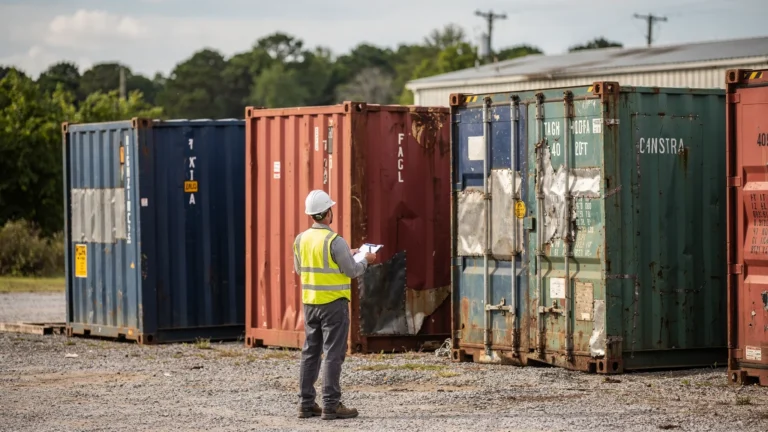
Wind & Watertight, or WWT, means the container is structurally enclosed and suitable for storage. It should keep out normal wind and rain, but it may show more age, repairs, or cosmetic wear than a Cargo Worthy container. For job-site storage, farm use, or equipment protection, WWT can be the right value choice if appearance is not the top priority.
The trade-off is straightforward. Lower-grade units may save money upfront, but they can bring more visible wear and a shorter remaining lifespan. Higher-grade units cost more, but they reduce uncertainty. Buyers who want zero surprises usually benefit from asking for verified grade details, current photos, and a plain-language explanation of what to expect.
Delivery is where good planning pays off
A container can be structurally perfect and still become a problem if the delivery setup is wrong. This is one of the most overlooked parts of the purchase.
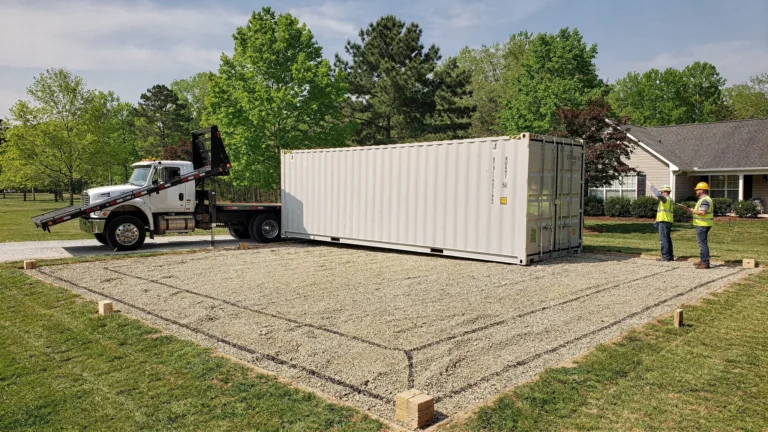
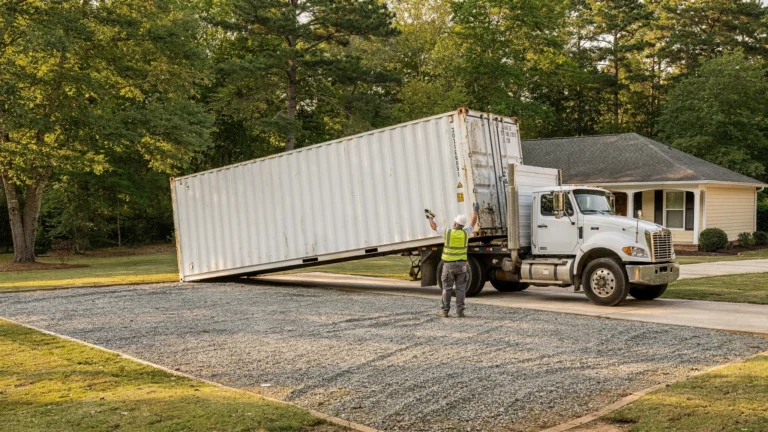
Tilt-Bed delivery is common for residential and light commercial sites because the driver can slide the container off the trailer into position. Ground-Level delivery is often preferred when easy walk-in access matters right away. Both methods depend on enough overhead clearance, turning room, and stable ground conditions.
Soft soil, steep slopes, low branches, overhead wires, and narrow driveways can all complicate delivery. So can unrealistic placement requests. A container truck needs room to maneuver, and the container itself needs a level base to prevent door alignment issues over time.
For most sites, a compacted gravel pad is the practical choice. Concrete piers or railroad ties can also work depending on drainage, soil conditions, and intended use. The goal is not just to get the container dropped. It is to support it properly so the frame stays square and the doors open as they should.
If you are placing a unit on an active construction site, think about traffic flow too. A container that blocks equipment paths or material staging areas becomes a daily frustration. On rural property, drainage and seasonal ground movement deserve extra attention.
Common uses and what each one requires
Job-site storage is the most straightforward application, but even that has variations. Contractors storing power tools, fixtures, and copper need security and dependable door operation. Agricultural users often need weather protection for feed, parts, and seasonal equipment, with enough access around the container for tractors or utility vehicles.
For mobile offices, standard containers can be modified with doors, windows, insulation, electrical packages, and interior finishes. That kind of project starts with structural integrity, but it also depends on code requirements, intended occupancy, and climate conditions. A cheap shell is not always the cheapest path if it needs extensive repair before modification.
Retail pop-ups and branded spaces bring appearance into the equation. Denting, patchwork, and exterior corrosion may be acceptable on an industrial site but not in front of customers. In those cases, one-trip or refurbished containers are often the better fit.
Homeowners using containers for workshops or long-term storage usually care about two things at once – security and aesthetics. They want a unit that protects equipment and tools, but they also want it to look reasonable on the property. That is where honest grading matters. A used container can be a smart buy, but the buyer should know whether “used” means lightly worn or heavily patched.
What to ask before you buy
A serious container quote should answer the practical questions without forcing the buyer to guess. Ask for the exact size, grade, and door type. Ask whether the unit is one-trip, Cargo Worthy, or WWT, and what that means in visible condition. Confirm the delivery method, lead time, and any site access requirements.
It is also worth asking about the container floor, especially if you are storing sensitive materials or planning an interior buildout. Door seals, locking gear, and corner castings should be in serviceable condition. If the container is refurbished, ask what work was actually done. Paint alone is not a structural repair.
Clear pricing matters too. A low headline number can change quickly once transportation, positioning complexity, or upgraded condition is added. Good vendors remove that ambiguity early.
For buyers in North Carolina and beyond, companies such as Lease Lane Containers focus heavily on that kind of up-front clarity because container sales are not only about inventory. They are about making sure the unit, grade, and delivery plan fit the site the first time.
When new is worth it and when used makes sense
If the container will sit behind a warehouse fence storing non-sensitive materials, a used WWT unit may do the job perfectly well. If it will support a branded retail build, a premium residential project, or a long-term asset strategy, one-trip condition may be the smarter investment.
That is the pattern across most container purchases. The right choice depends less on the container market in general and more on how much risk, cosmetic wear, and future maintenance your operation can tolerate.
A good container purchase should feel boring in the best way. The specs are clear, the delivery goes as planned, the doors open cleanly, and the unit does its job for years without drama. That kind of result usually starts before the order is placed – with the right questions, the right grade, and a site plan that leaves no room for surprises.