20ft Shipping Container Review for Real Buyers
A 20ft shipping container review should answer one practical question before anything else: will this box actually do the job without creating problems at delivery, on-site, or a year from now? For most buyers, that matters more than a perfect paint finish or a low headline price. A 20-foot container is often the default choice because it balances capacity, footprint, and transportability better than larger units, but that does not mean it is the right fit in every case.
For contractors, growers, facility teams, and homeowners, the 20ft container usually works because it is compact enough for tighter sites and large enough for serious storage. It can secure tools, palletized inventory, seasonal equipment, and building materials without demanding the turning space and site length that a 40-footer often does. That said, a smart review needs to look past the basic dimensions and focus on grade, condition, floor quality, door operation, and delivery constraints.
What a 20ft shipping container review should actually cover
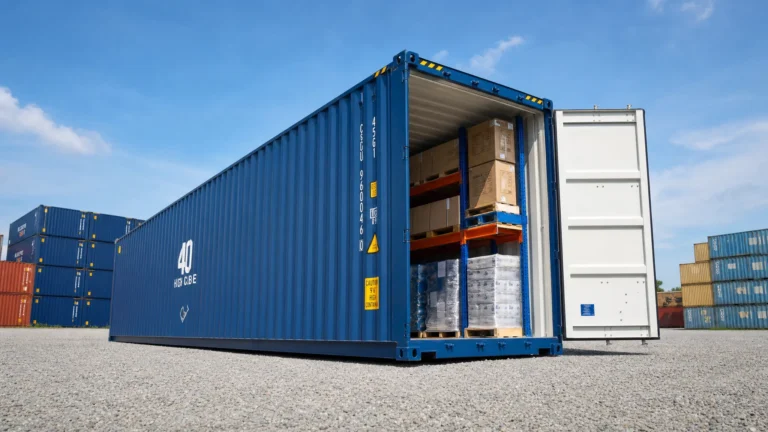
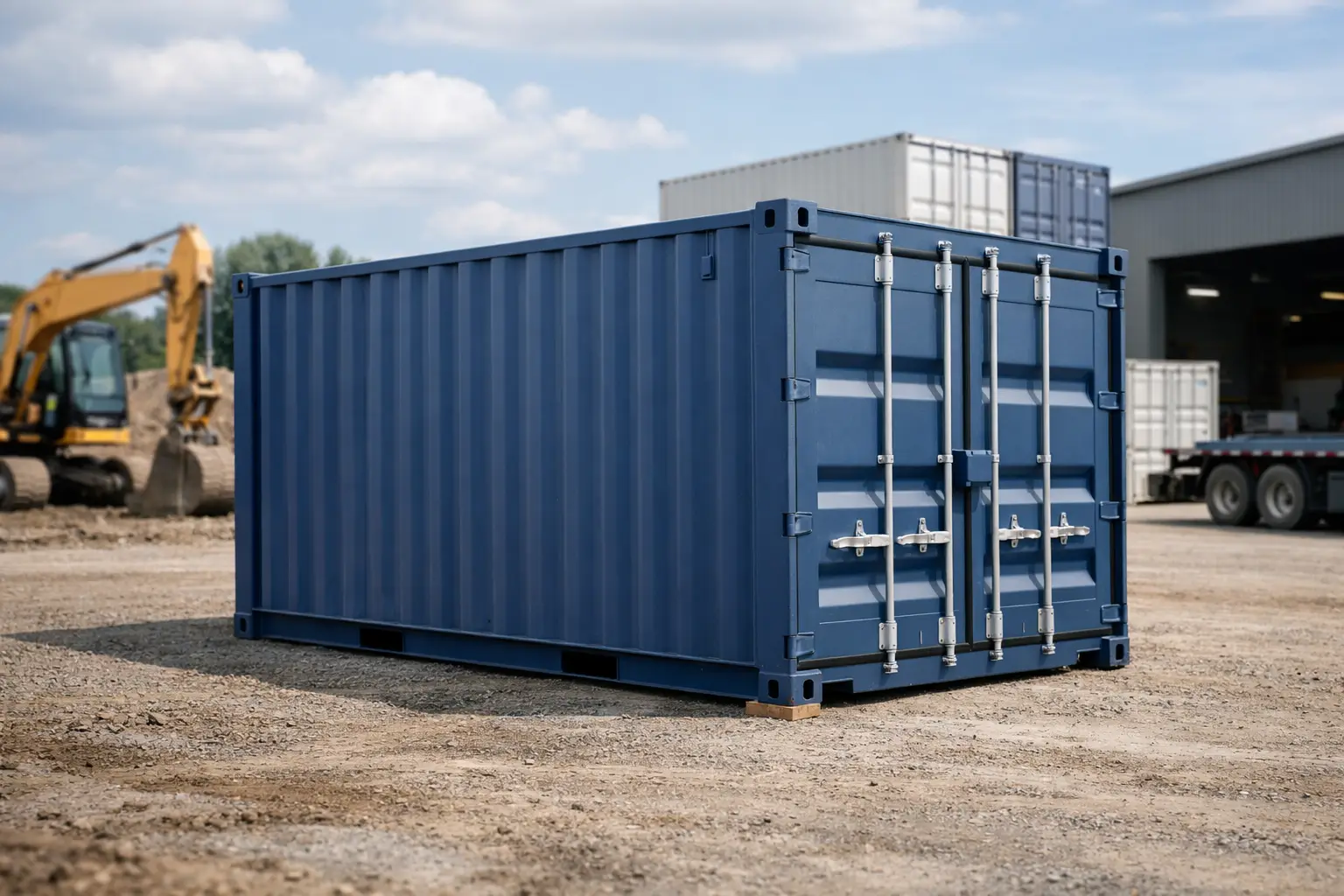
A standard 20-foot shipping container is typically about 20 feet long, 8 feet wide, and 8 feet 6 inches high. Inside, usable space is slightly less because of the wall corrugation and door hardware. Most buyers care less about the exact cubic footage than they do about whether it can hold a compact tractor attachment, several pallets of materials, or the contents of a garage.
The more important point is construction. Most quality containers are built from Corten steel, which is designed to resist corrosion better than ordinary steel in harsh environments. That does not make a used unit rust-proof, but it does mean the shell is built for repeated exposure and heavy use. The floor is usually marine-grade plywood over steel cross members, and that floor condition can vary a lot depending on prior cargo, age, and maintenance.
If you are buying for storage, structural integrity matters more than cosmetics. Surface rust, dents, and patched areas may be acceptable in a used unit if the container remains square, the doors seal properly, and the roof and side panels are wind and watertight. If you are buying for a retail build, workshop conversion, or visible placement on a residential property, cosmetic condition becomes more important and often pushes buyers toward refurbished or one-trip inventory.
New vs used in a 20ft shipping container review
The biggest split in any 20ft shipping container review is usually between one-trip and used units.
One-trip containers
A one-trip container has generally been manufactured overseas, loaded once for transport to the US, and then sold into the domestic market. These units usually offer the best structural and cosmetic condition available in the standard sales market. Doors tend to operate smoothly, gaskets are in better shape, floors are cleaner, and exterior corrosion is minimal.
For buyers who want a professional appearance, long service life, or a shell for modification, one-trip is often the safer choice. The trade-off is price. You pay more upfront, but you reduce the chance of floor repair, gasket replacement, door adjustments, and aesthetic disappointment.
Used containers
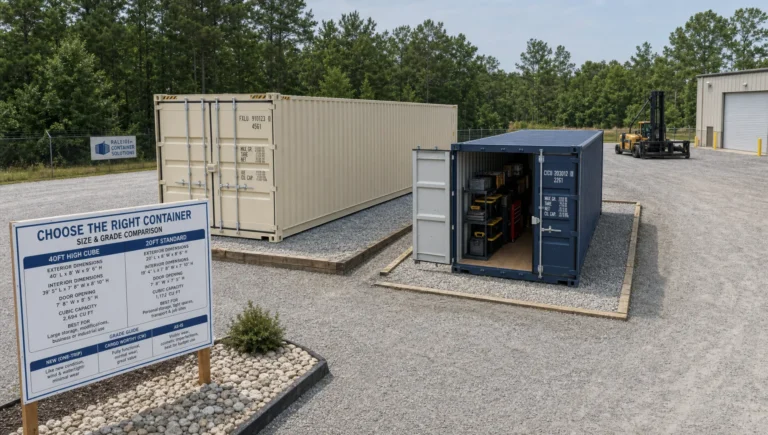
Used containers are where value can be strong, but grading has to be clear. Terms like Wind & Watertight and Cargo Worthy are useful only if the seller explains what they mean in practical terms. Wind & Watertight generally means the unit keeps out normal weather and has a serviceable structure for storage use. Cargo Worthy usually indicates the container meets a higher standard for international shipping eligibility, though exact certification details should be verified.
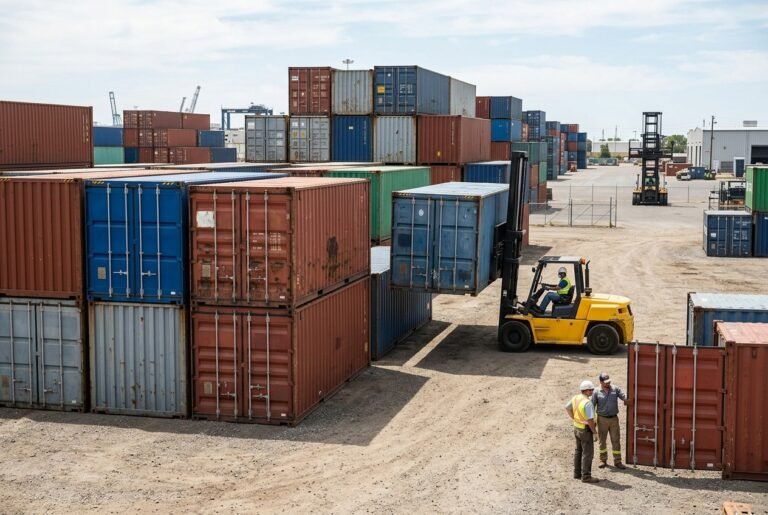
A used 20-footer can be a very good buy for job-site storage, farm use, overflow inventory, and equipment protection. The trade-off is cosmetic wear and greater variability. Dents, rust, old repairs, floor stains, and mismatched paint are common. None of that is necessarily a problem unless the seller glosses over it or the condition conflicts with your intended use.
How the 20ft container performs in real-world use
For secure storage, the 20-foot unit is hard to beat. It is large enough to hold expensive tools, power equipment, electrical supplies, plumbing materials, feed, maintenance stock, or archived records, while still fitting on many residential and commercial lots without major disruption. On construction sites, it often works better than a 40-foot container because placement is easier and access is more manageable.
For agricultural operations, it performs well as weather-resistant storage for seed, parts, fencing supplies, and seasonal machinery attachments. Security is a major advantage. Steel doors, lock boxes, and limited access points make containers more secure than lightweight sheds.
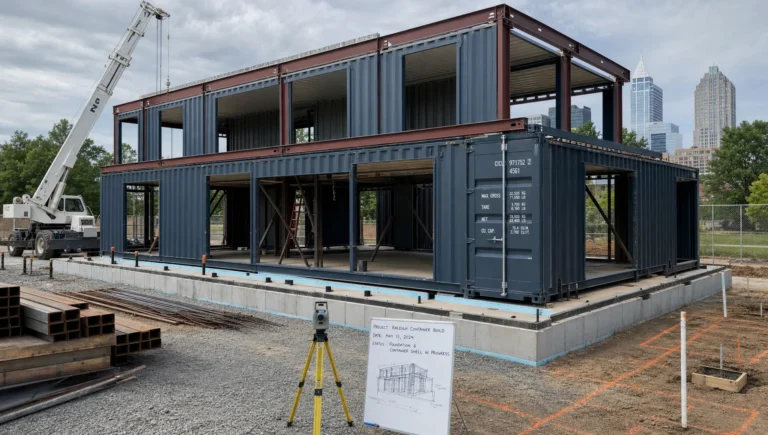
For conversion projects, the 20-foot size is practical but limiting. It can make a good workshop, small office, kiosk, or compact tiny-home shell, but the footprint forces more disciplined design. If the project needs open interior living space or multiple rooms, buyers often discover that a 40-foot or high-cube unit gives better flexibility.
The delivery side of a 20ft shipping container review
This is where many buyers get surprised, and it is often where a good supplier proves their value.
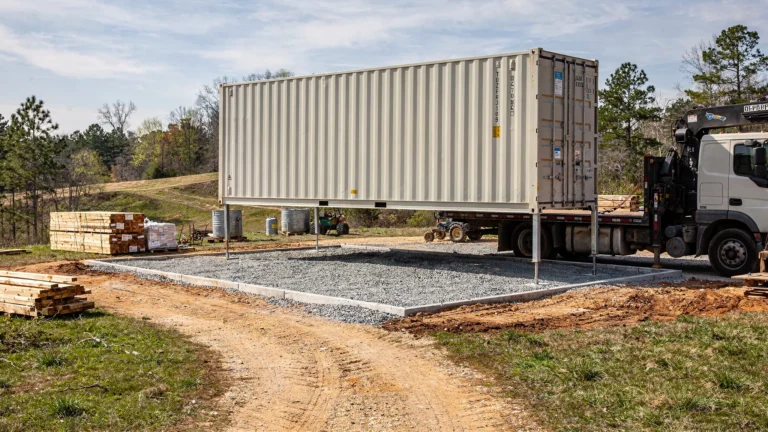
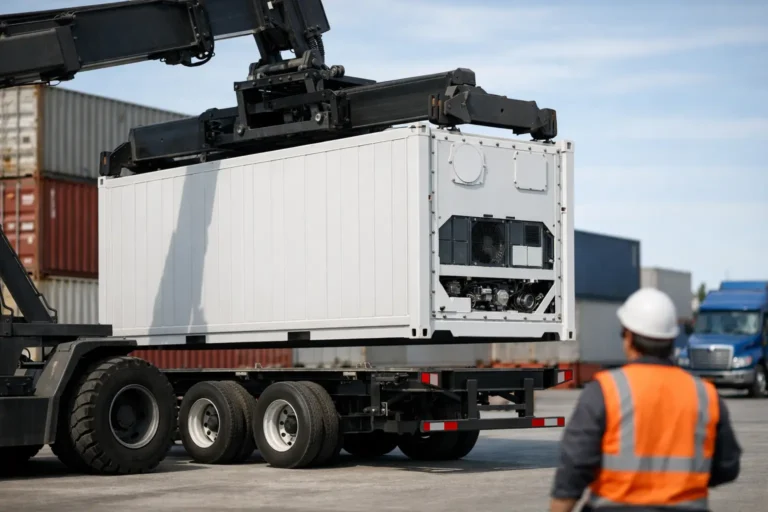
A 20-foot shipping container may be easier to place than a 40-footer, but delivery still requires clear access, sufficient overhead clearance, and a stable drop area. Tilt-bed delivery is common and efficient, but the truck needs room to approach, lift, and slide the container into place. Ground conditions matter. Soft soil, recent rain, steep grades, and low branches can turn a simple drop into a failed delivery or a relocation fee.
Before ordering, buyers should confirm the surface type, site slope, gate width, and any obstacles such as wires, trees, retaining walls, or parked equipment. A dependable seller will ask these questions early. That is not sales friction. It is how hidden costs get avoided.
For many buyers, especially in tighter suburban lots or active commercial yards, the 20-foot container is the practical sweet spot because delivery logistics are simpler. That does not mean effortless. It means fewer constraints if the site is prepared correctly.
What to inspect before you buy
The fastest way to regret a container purchase is to focus only on price. In a proper 20ft shipping container review, inspection points matter more than the cheapest quote.
Start with the doors. They should open and close without extreme force. Check the hinges, locking rods, and gasket seals. If doors are hard to align, the container may be out of square or sitting unevenly.
Look at the roof next. Roof dents are common, but deeper pocketing can hold water and accelerate corrosion over time. Sidewall dents are usually less concerning unless they affect structure or interior use.
Check the flooring carefully. Stains are not always a deal-breaker, but soft spots, delamination, or contamination concerns should be addressed before purchase. If the container will store sensitive materials or support a conversion, floor condition moves up the priority list.
Finally, verify the grade in plain language. Ask what has been repaired, whether the unit is WWT or Cargo Worthy, and whether the photos reflect the actual container or a representative example. Verified specifications matter more than broad promises.
Pricing reality and where buyers miscalculate
Prices vary by market, region, grade, and delivery distance, so any fixed number can age quickly. What stays consistent is the pricing structure. One-trip units cost more than used units. Refurbished containers may carry a premium if they include repairs, repainting, and improved appearance. Delivery can be a significant line item depending on mileage, fuel, access complexity, and equipment required.
Where buyers miscalculate is assuming the lowest initial quote is the lowest total cost. If a bargain container arrives with a bad floor, seized doors, major rust-through, or delivery complications that were never discussed, savings disappear fast. The better question is whether the quoted price matches the condition, the grade, and the actual placement requirements.
That is why transparent sellers stand out. If a company explains the condition honestly, confirms delivery constraints, and outlines no-fine-print pricing, buyers can make a clear decision based on use case instead of guesswork. Lease Lane Containers LLC builds much of its process around that kind of grading clarity and delivery planning because container sales go wrong when assumptions are left unchallenged.
Is a 20-foot container worth it?
For many buyers, yes. If you need secure, durable, long-term storage without giving up excessive yard space, the 20-foot container is one of the most reliable options in the market. It suits job sites, farms, retail overflow, workshops, and residential storage better than many prefabricated sheds because the steel structure is stronger, more secure, and built to ISO-based transport standards.
Still, worth depends on matching the grade and condition to the job. A used WWT unit may be the right answer for storing tools behind a barn. A one-trip unit may be the better call for a visible office conversion or branded retail setup. And if access is tight or appearance matters, delivery planning and condition details matter just as much as the box itself.
The right 20-footer is not the cheapest one on paper. It is the one that arrives as described, lands where it should, and keeps doing its job without surprises.