What Size Shipping Container Do I Need?
A lot of container buying mistakes start the same way – someone asks for the biggest unit available because they do not want to run out of space. A week later, the container arrives, the site is tighter than expected, delivery gets complicated, and they paid for capacity they never used. If you are asking, what size shipping container do I need, the right answer usually comes down to three things: what you are storing, how you plan to access it, and what your site can actually handle.
The good news is that container sizing is more straightforward than it looks. Most buyers are choosing between a 20-foot container, a 40-foot container, or a high-cube version of one of those sizes. The wrong choice creates avoidable costs. The right choice gives you secure, durable storage with no wasted space and no delivery surprises.
What size shipping container do I need for typical storage?
For most residential and job-site storage needs, the decision starts with the 20-foot and 40-foot standard containers. A 20-foot container is the most common fit for buyers who need secure storage without taking up too much ground space. It works well for tools, small equipment, seasonal inventory, household goods, and agricultural supplies. It is also easier to place on tighter sites.
A 40-foot container is usually the better fit when you are storing palletized materials, larger equipment, retail overflow inventory, or a broad mix of job-site supplies. Contractors often prefer 40-foot units because they reduce the need for multiple containers and create longer, more organized storage zones.
If ceiling height matters, a high-cube container adds about one extra foot of interior height compared with a standard unit. That may not sound significant on paper, but it makes a real difference when you are stacking materials, storing taller items, or converting the container into a workshop, office, or modular build.
Standard shipping container sizes and how they compare
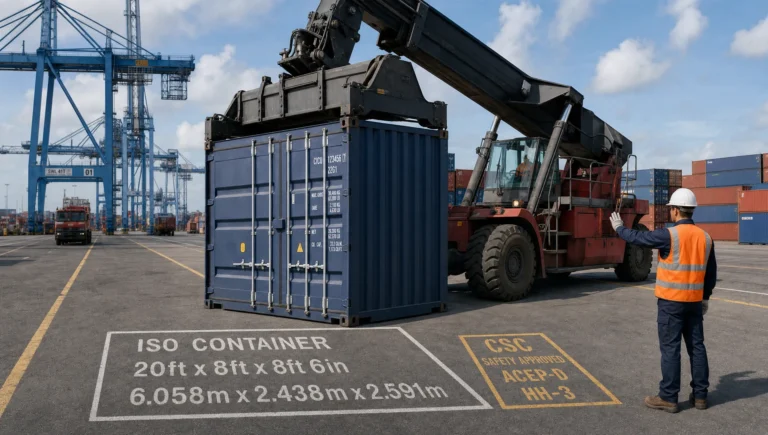
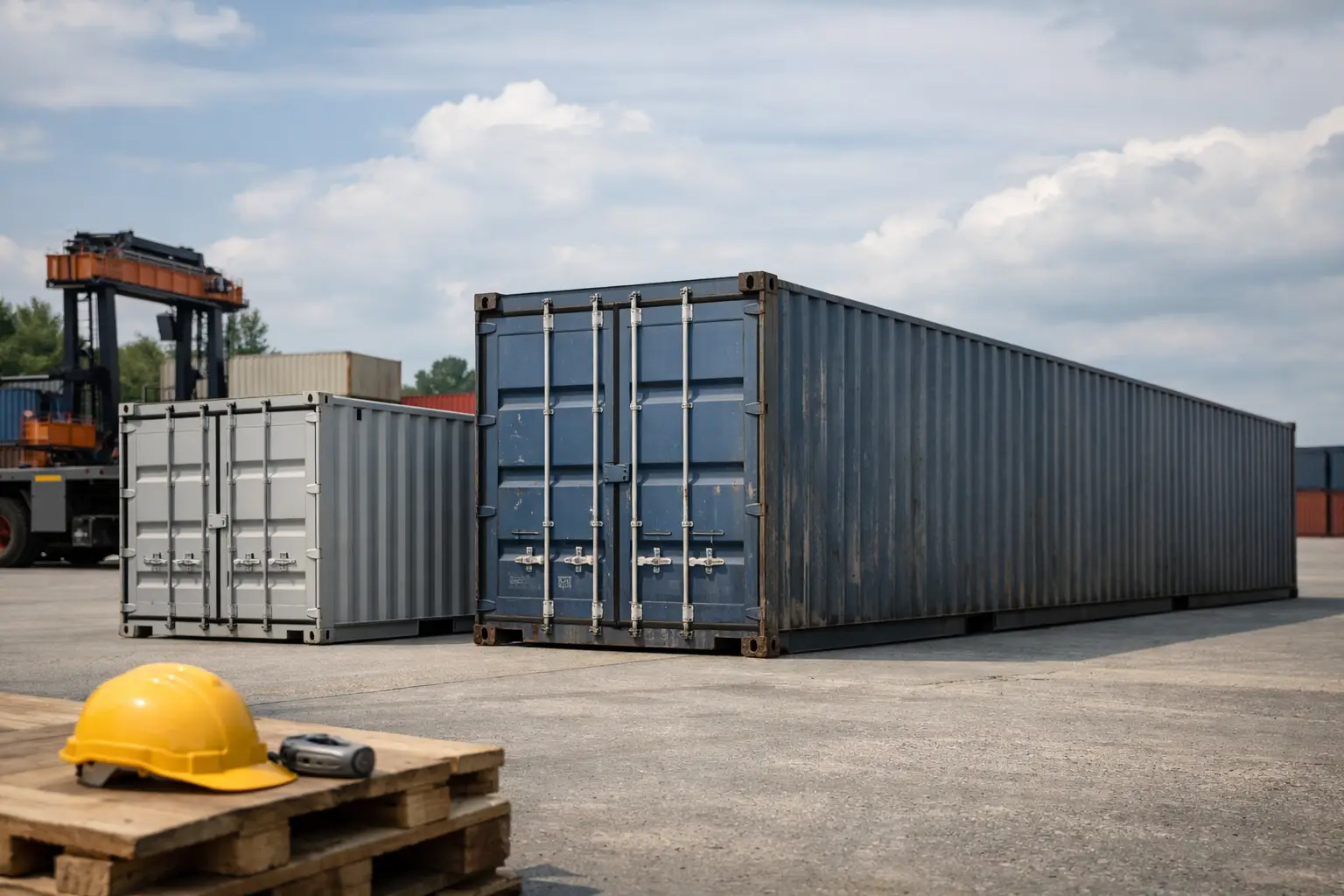
A standard 20-foot container typically offers about 160 square feet of floor space. A standard 40-foot container gives you roughly 320 square feet. A 45-foot container adds even more length, which can help for lighter, bulkier inventory or custom commercial uses where every extra foot matters.
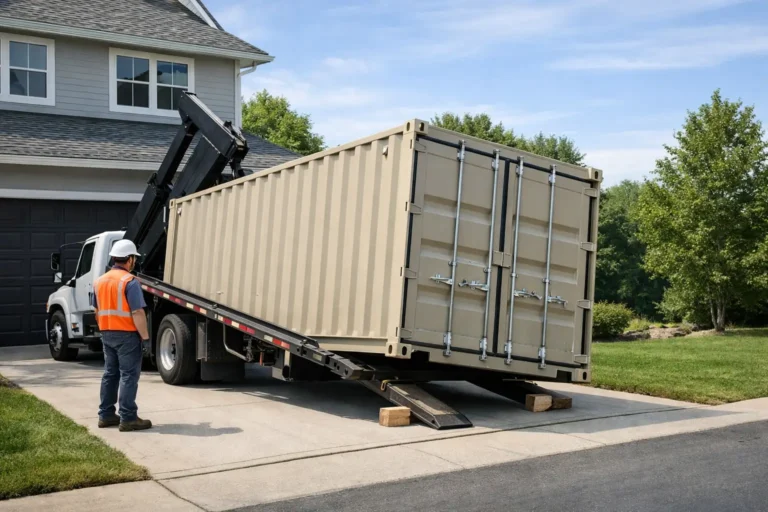
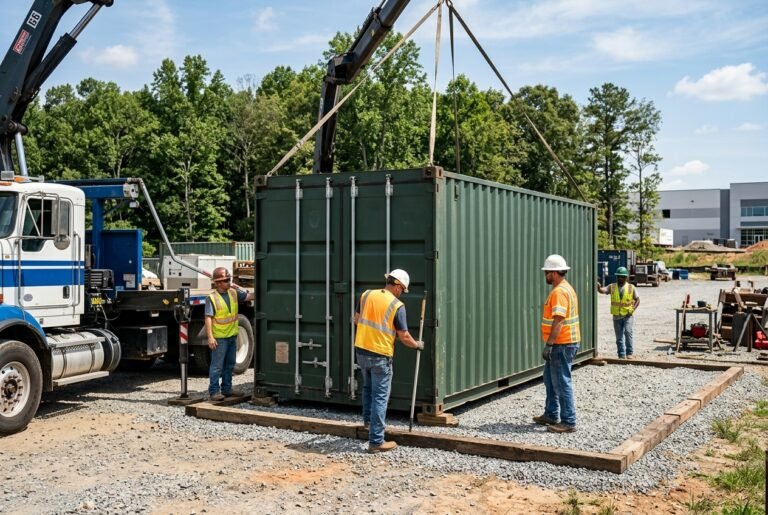
The main trade-off is not just storage volume. It is site practicality. A larger container gives you more room, but it also needs more clearance for delivery and placement. That means enough linear space for the truck, enough overhead clearance for trees or wires, and a stable, level surface that can support the container once it is loaded.
This is why verified specifications matter. Exterior dimensions tell you whether the unit fits the site. Interior dimensions tell you whether your materials fit the unit. Buyers sometimes focus on one and ignore the other, which leads to preventable problems.
When a 20-foot container is the right choice
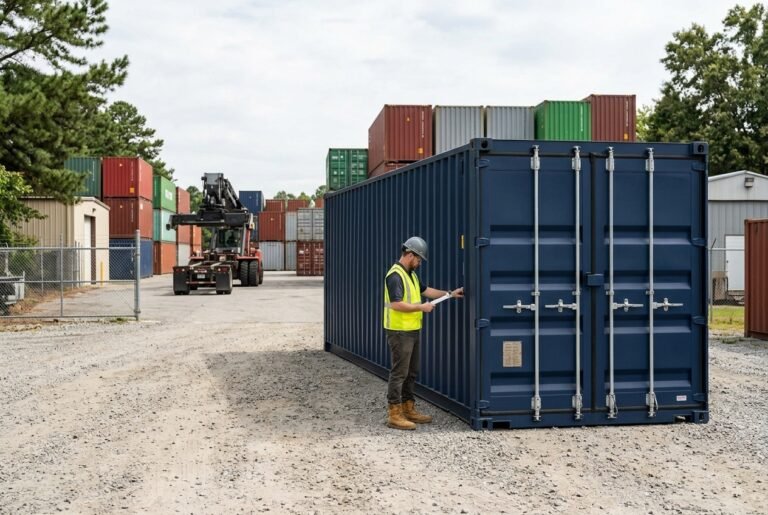
A 20-foot container is often the best all-around option when access is limited or storage needs are substantial but not oversized. For a homeowner, it can handle furniture, tools, lawn equipment, and renovation materials without dominating the property. For a contractor, it works well as a secure lockable storage point for power tools, fixtures, fasteners, and boxed materials.
It is also a strong choice when weight is part of the equation. Dense loads such as metal components, tile, hardware, or machinery parts can make a smaller container more practical because the load stays concentrated and easier to manage. In many cases, one properly organized 20-foot unit performs better than a half-filled 40-foot container where materials shift around and become harder to access.
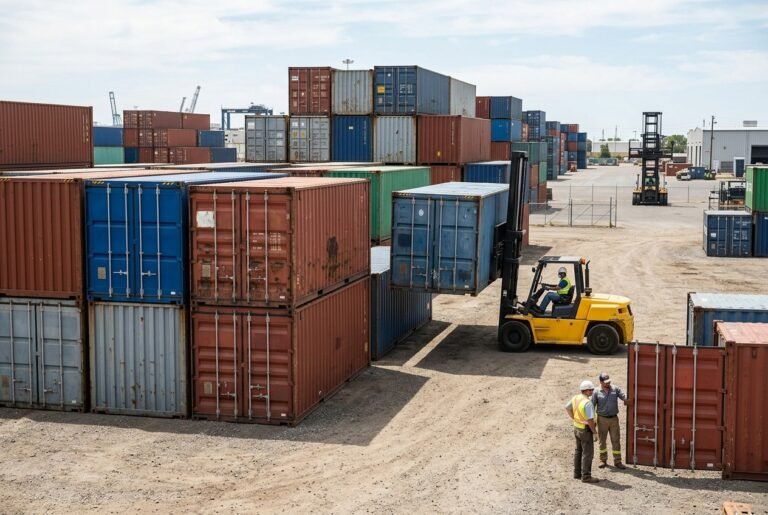
If appearance matters, especially for residential or retail settings, buyers often choose a one-trip 20-foot unit because it offers cleaner exterior condition and minimal cosmetic wear. If budget matters more than appearance, a used Wind & Watertight container may still be the right answer as long as the structure, doors, and floor are sound.
When a 40-foot container makes more sense
A 40-foot container is usually the smarter buy when your storage plan keeps expanding. This is common on construction sites, farms, and distribution operations where materials arrive in phases and storage needs grow over time.
The extra length is useful for creating zones inside the container. You can separate electrical supplies from plumbing materials, reserve one end for tools, or leave a central aisle for faster access. That organization matters on active sites where time gets wasted every time a crew has to unload half the container to reach one item.
A 40-foot unit also works better for larger conversion projects such as mobile offices, workshops, and pop-up retail builds. The footprint gives you more flexibility for layout, insulation, shelving, and work areas. If you are already thinking beyond basic storage, sizing up may save money later.
The caution is delivery. A 40-foot container is not difficult to place on the right site, but it does require more planning. Ground conditions, turning radius, trailer access, and drop-off method all matter. No fine print and no surprises starts with checking those details before the container is dispatched.
Do I need a high-cube container?
High-cube containers are ideal when vertical space has operational value. That includes storing tall equipment, stacking boxed inventory higher, accommodating interior framing for an office build, or creating better headroom for workshop use.
For many commercial buyers, a 40-foot high-cube container is the sweet spot. It combines the storage volume of a long unit with added interior height, making it more flexible for shelving systems and bulk materials. For homeowners converting containers into studios, workshops, or tiny home shells, the added height often makes the space feel far more usable.
The trade-off is site sensitivity. That extra foot means overhead clearance has to be confirmed. Tree branches, utility lines, carports, and other obstacles that would not affect a standard-height unit can become a problem with a high-cube.
Special container sizes and configurations
If your needs go beyond standard dry storage, container type matters just as much as length. Reefer containers are designed for temperature-sensitive storage and can also be useful for insulated applications. Open-top containers help with loading oversized materials from above. Tunnel containers, with doors on both ends, are helpful when you need pass-through access or faster loading and unloading.
A 45-foot container can make sense for specialized commercial use, especially when appearance, layout, or maximum interior length matters. It is less common than 20-foot and 40-foot units, so site planning and product availability should be confirmed early.
This is one reason experienced buyers ask not only what size shipping container do I need, but also what configuration actually fits the work. A standard container that is hard to load or awkward to access may cost more in downtime than the purchase price difference to a better-suited unit.
How container grade affects the decision
Size is only half the decision. Condition grade determines how the container performs once it is on site. A one-trip container is typically the best choice when visual condition, long service life, and minimal wear are priorities. A Cargo Worthy unit meets structural standards for shipping use and is often a solid middle ground. A Wind & Watertight container is usually the practical value option for static storage when appearance is less important than security and weather resistance.
For buyers who want zero surprises, grading transparency matters. Surface rust, dents, floor condition, door seal condition, and overall structural integrity should be explained clearly before delivery. A lower-priced container is not a bargain if it creates hidden repair costs or access issues.
A simple way to choose the right size
Start with what you are storing today, then add room for how the space will actually be used. If you need to walk in, sort items, or install shelving, your real space requirement is larger than the footprint of the materials alone. Next, measure your site carefully, including delivery path and overhead clearance. Finally, think about duration. If this is long-term storage or part of a growing operation, buying slightly ahead of your current needs can be smart. Oversizing without a site plan is not.
For many buyers, the best answer is simple. Choose a 20-foot container for compact, secure storage on tighter sites. Choose a 40-foot container for larger inventory, equipment, or organized job-site storage. Choose a high-cube when headroom or conversion potential matters. Move into specialty units only when the use case clearly justifies it.
If you are unsure, the safest path is to match verified container specs to your actual site conditions before scheduling delivery. That is how you avoid the most expensive mistakes. The right container size should make storage easier on day one, not create a logistics problem you have to solve after it arrives.