Buy a Shipping Container Home: Permits, Utilities, and Budget
Buying a shipping container home can be a smart way to get a durable, modular structure quickly, but the container itself is only the beginning. In Raleigh, North Carolina (and across the Southeast), the projects that go smoothly are the ones that treat permits, utilities, and site work as first-class budget items, not afterthoughts.
This guide breaks down what it really takes to buy a shipping container home plan in a code-compliant way, including which container grade to start with, what approvals are typically involved, how utility connections change your design, and how to build a realistic budget you can defend.
Start with the right container (because “condition” becomes a permit and budget issue)
Most residential builds use ISO shipping containers made from Corten steel (a corrosion-resistant weathering steel) and built around corner castings and a structural frame designed for intermodal stacking under ISO standards. That strength is exactly why container homes are possible, but it also means that cutting, welding, and modifying the shell has structural implications.
Before you talk finishes, pick the right starting point.
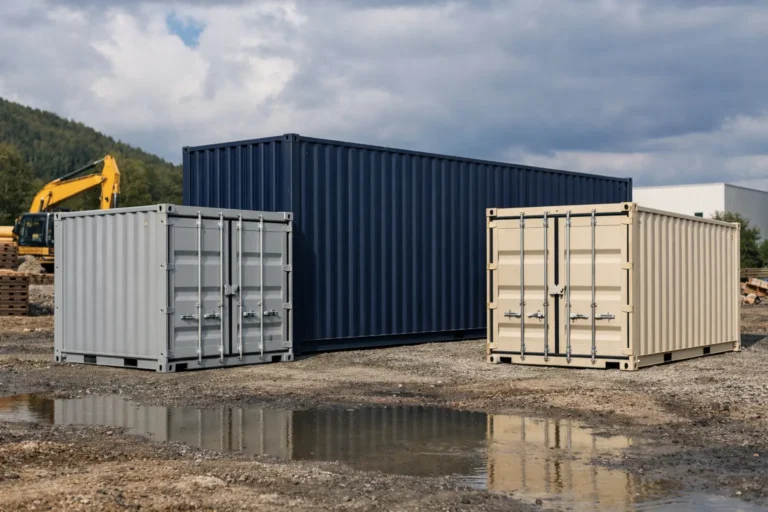
One-Trip vs. Cargo Worthy vs. Wind & Watertight (WWT)
Here’s how the common grades translate to container-home risk.
| Grade | What it means in plain terms | Best fit for residential builds | Common “gotchas” to budget for |
|---|---|---|---|
| One-Trip (new, one voyage) | Near-new container that made a single loaded trip from the factory | Best starting point for homes and customer-facing builds | Higher purchase price, but fewer repairs and less remediation |
| Cargo Worthy (CW / CWO) | Structurally suitable for transport, typically with a valid/inspectable CSC plate history | Good for builds if inspected and you accept cosmetic wear | More dents, surface rust, floor wear, possible patching before cutouts |
| Wind & Watertight (WWT) | Weather-tight for stationary storage, not necessarily certified for transport | Use cautiously for homes, only if you understand remediation scope | Hidden corrosion, door alignment issues, flooring odors/contamination risk |
If your goal is a comfortable, financeable, insurable residence, One-Trip is usually the cleanest foundation. It typically means less time fixing doors, chasing leaks, grinding rust, or replacing flooring before you even start framing.
If you are still comparing conditions, see our detailed breakdown of used grades in Raleigh and nationwide: Used shipping container grades explained.
Size choice affects permitting, utilities, and total cost
In real projects, “bigger container” does not always mean “more expensive overall.” A cramped layout can increase costs by forcing creative (and pricey) mechanical, plumbing, and egress solutions.
- 20ft containers are often used for studios, offices, or as single-room modules. If you’re pricing the shell, start here: 20ft shipping container price: what to expect.
- 40ft containers are common for larger single-module builds or multi-container layouts. If you’re planning a longer footprint and more rooms, start here: Find a 40ft shipping container for sale in Raleigh, NC.
- High Cube units (typically 9'6" exterior height) are frequently the best choice for living space because you gain headroom for insulation, framing, and ducting without making the interior feel tight. A quick reference: 40ft High Cube container dimensions explained.
If you want a structured way to decide, use our sizing guide: How to choose shipping container size.
Permits: what you usually need (and why Raleigh-area rules can feel strict)
A shipping container home is still a home. In most jurisdictions, once you add occupancy, utilities, and permanent foundations, you are in the world of building codes, inspections, and zoning.
In Raleigh and Wake County, the most common permit friction points are:
- Zoning and land use (Is a container-based structure allowed where you want to place it?)
- Foundation design (Engineered support, frost depth considerations, drainage)
- Structural modifications (Large wall cutouts for windows/doors require reinforcement)
- Egress and life safety (Bedroom egress windows, smoke/CO alarms, stair rules)
- Energy code compliance (Insulation, air sealing, HVAC sizing)
This is the practical way to think about approvals.
| Approval category | Who typically enforces it | What you’ll likely need | Why it matters for your budget |
|---|---|---|---|
| Zoning / setbacks / use | City/county planning | Site plan, setbacks, use type, sometimes design review | Can force layout changes, driveway changes, or alternative placement |
| Building permit | Building inspections dept. | Construction drawings, code notes, structural details | Drives engineering, drawing costs, and inspection schedule |
| Electrical / plumbing / mechanical permits | Trade inspectors | Load calcs, panel plan, plumbing venting plan, HVAC plan | Utilities can become the biggest cost after the shell |
| Septic / well (if applicable) | Health/environmental | Soil evaluation, septic design, well location | Site constraints can dictate home size and placement |
| Driveway/encroachment (sometimes) | DOT/city | Driveway permit or right-of-way approvals | Impacts delivery path and long-term access |
Important: Always confirm requirements with your local building department, because rules vary even within the Triangle and surrounding counties.
Engineering is not optional when you cut containers
Shipping containers are strongest at the corner posts and top/bottom rails. When you cut a large opening for a sliding door, picture window, or when you combine two containers side-by-side, you are removing parts of what makes the container act like a structural box.
That’s why many building departments (and responsible builders) require:
- Structural detailing for cutouts
- Reinforcement design (headers, tube steel frames, or engineered members)
- Foundation anchoring details (especially in high-wind events)
If you want the build to pass inspection and behave well long-term, plan for engineered reinforcement early, not after you buy the cheapest container you can find.
Utilities: plan them before delivery, not after the container is on the ground
Utility planning is where container-home budgets often surprise people. The container shell is predictable, but connecting a steel structure to modern utilities is where complexity enters.
Electrical: service size, grounding, and condensation reality
Container homes are steel, so you must treat grounding/bonding seriously and follow code requirements.
Common budget drivers include:
- New service or panel upgrades
- Trenching and conduit runs from the meter to the container
- Exterior disconnects and GFCI/AFCI requirements
- HVAC electrical demand (mini-splits, air handlers, condensers)
Also, steel structures in humid North Carolina climates can be prone to condensation if not insulated and ventilated correctly. That can impact:
- Panel and receptacle placement
- Wall assembly design (vapor strategy)
- Corrosion prevention at penetrations
Water and sewer: municipal tap vs. well/septic changes everything
If you are on municipal water/sewer, you’ll typically budget for:
- Tap fees or connection costs
- Trenching, bedding, and protection for water lines
- A sewer lateral with correct slope and cleanouts
If you are on well/septic, budget impact can be larger and more site-dependent:
- Septic feasibility and system sizing can limit the number of bedrooms
- Soil conditions can force alternative systems
- Placement rules can constrain where the container can sit
HVAC: don’t underestimate heat gain and insulation thickness
Containers can heat up quickly in the sun. In the Southeast, a comfortable build usually depends on:
- A high-quality insulation approach (spray foam or well-detailed assemblies)
- Proper mechanical ventilation (especially in tighter envelopes)
- HVAC sizing that accounts for container geometry and glazing
If you’re choosing between Standard height and High Cube, remember that extra height often pays for itself in livability because you can add insulation and still keep comfortable headroom.
Budget: a realistic way to price a shipping container home
When people search “buy a shipping container home,” they often compare the sticker price of a container to the cost per square foot of traditional construction. The better comparison is total installed cost, because homes are systems: structure, envelope, utilities, and approvals.
A responsible budget is built in layers.
The major cost buckets (what to include from day one)
| Budget bucket | What’s inside it | What changes the cost most |
|---|---|---|
| Container shell purchase | 20ft/40ft, Standard vs High Cube, One-Trip vs used grades | Grade, size, regional availability, delivery distance |
| Delivery and placement | Tilt-bed vs flatbed/crane, access constraints, redelivery risk | Tight turns, soft ground, overhead obstructions |
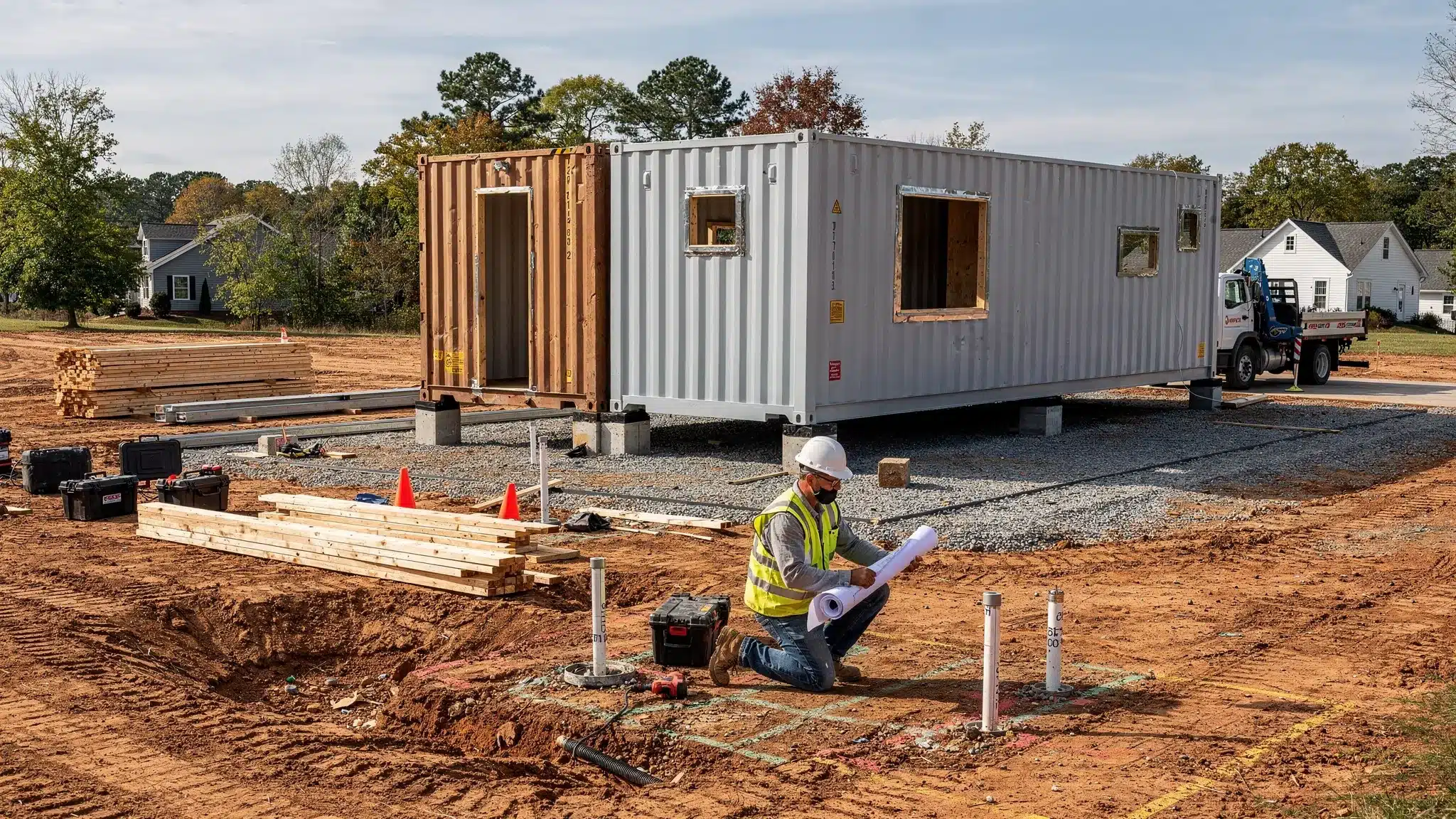
| Site work and foundation | Grading, gravel pad/slab/piers, drainage, anchors | Soil conditions, slope, water management |
| Design and permitting | Drawings, engineering, permit fees, surveys | Jurisdiction requirements, structural complexity |
| Structural modifications | Cutouts, reinforcement, welding, corrosion protection | Number/size of openings, multi-container joins |
| Building envelope | Insulation, air sealing, windows/doors, roofing strategies | Window package, vapor strategy, roof treatment |
| Utilities and MEP | Electrical, plumbing, HVAC, water/sewer or septic/well | Distance to service, septic complexity, HVAC design |
| Interior build-out | Framing, drywall, flooring, kitchen/bath, finishes | Finish level, layout complexity, moisture detailing |
| Contingency | The surprises you didn’t predict | Used-container repairs, permit revisions, weather delays |
One-Trip vs used: the budget trade-off most buyers miss
A used container can lower the upfront shell price, but it can raise the “conversion cost” line items:
- More surface prep before coatings and insulation
- Higher chance of door alignment work (twist shows up after placement if the base is not level)
- Possible flooring replacement if contamination or delamination is present
For many residential builds, paying more for a One-Trip unit can reduce schedule risk and make it easier to achieve a clean, finished interior.
If you are considering a used unit for a build, it’s worth reading our inspection guidance first: How to spot quality containers before you buy.
Financing and insurance: ask early
Not every lender or insurer treats non-traditional construction the same way. Before you commit to a layout, confirm whether your project will be:
- Treated like a site-built home
- Treated like a modular build
- Treated like an “alternative structure” that needs specialty underwriting
That one conversation can influence how you document engineering, inspections, and material specifications.
International or coastal projects: get legal guidance in the right jurisdiction
If your container-home project involves overseas property, importing units, or building in a different legal system (for example, a Caribbean build), local legal advice matters. A starting point for Jamaica-based counsel is Henlin Gibson Henlin, a law firm with practice areas that can be relevant to cross-border projects.
Pro-Tip: Site prep is the cheapest way to avoid expensive container-home problems
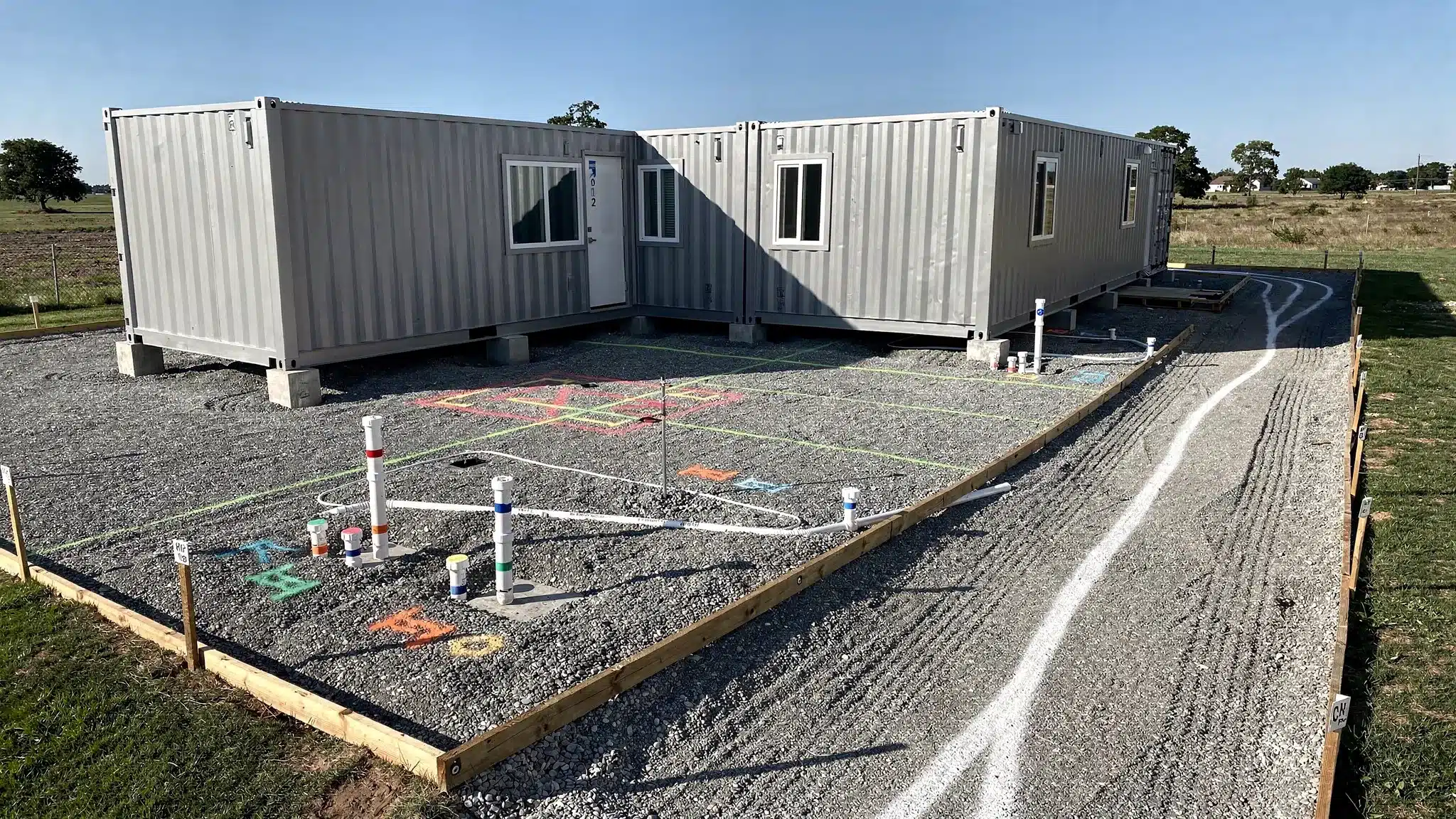
Most container issues that show up after delivery are not “bad container” problems, they are base and drainage problems.
Use this checklist before your container arrives:
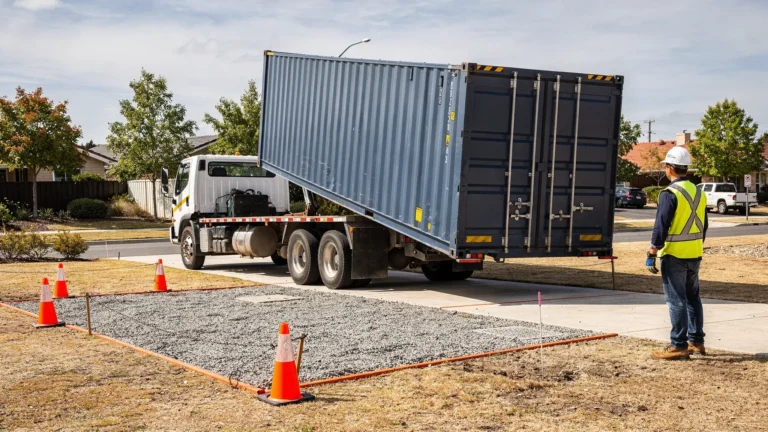
- Build a truly level base (gravel pad, concrete piers, or slab) because even small twist can cause door bind and future framing issues.
- Plan drainage away from the container so water does not pond under the steel frame rails.
- Use proper corner support (and mid-span support if specified by your design) so the container isn’t carrying loads in unintended ways.
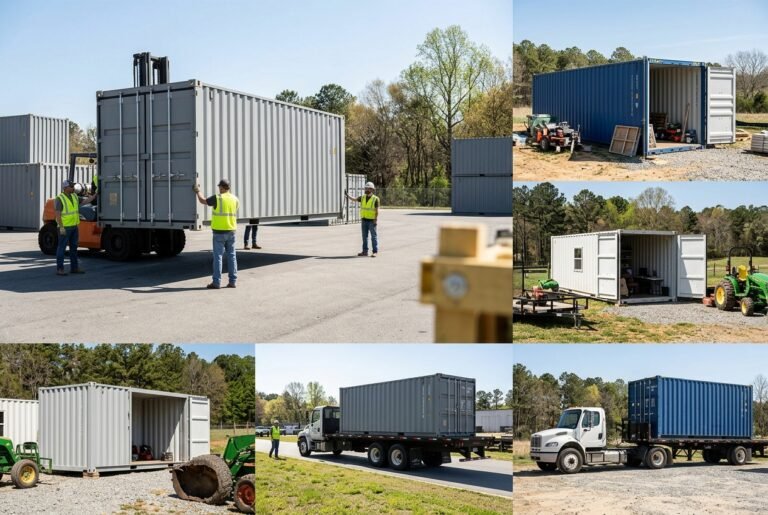
- Confirm access for delivery equipment and measure turning radius and overhead clearance to avoid redelivery fees.
- Treat permits and HOA rules as part of site prep (especially in Raleigh-area neighborhoods with strict placement rules).
For detailed, step-by-step ground guidance, start here: 5 steps for proper shipping container ground preparation and Shipping container delivery requirements.
A practical “pre-purchase” plan for container-home buyers
If you want to buy confidently, align these decisions in this order:
Confirm your use is allowed
Start with zoning and setbacks. In the Raleigh region, the same container can be treated very differently depending on whether it’s:
- Temporary storage
- An accessory structure
- A dwelling unit with plumbing and electrical
Pick the right container grade for living space
For most residential builds:
- Choose One-Trip when you want the cleanest shell and easiest finishing path.
- Choose Cargo Worthy when you’re balancing cost and structure and you can inspect carefully.
- Avoid WWT unless you have a clear remediation plan and you accept uncertainty.
If you’re comparing used options, browse our used-container resources here: Best used shipping containers for sale in Raleigh, NC.
Decide on 20ft vs 40ft vs High Cube based on utilities and layout
Bathrooms, kitchens, laundry, mechanical closets, and egress requirements drive layout. Often, choosing a High Cube or a multi-container plan reduces costly compromises.
Budget for the “unsexy” line items
Set aside real money for:
- Engineering and drawings
- Site work and drainage
- Utility trenching and connections
- Delivery constraints (crane vs tilt-bed)
These are the items that protect your schedule and prevent change orders.
Frequently Asked Questions
Do I need a permit to put a shipping container home on my land in North Carolina? Yes in most cases. Once it’s a dwelling (especially with utilities and a foundation), you typically need zoning approval plus building and trade permits. Confirm requirements with your city/county.
Which container grade is best for a container home? For most residential builds, One-Trip is the best starting point because it minimizes corrosion, floor issues, and prep work. Cargo Worthy can work if it’s inspected carefully. WWT is usually better for stationary storage than finished living space.
Should I buy a 20ft or 40ft container for a home? A 20ft can work for a studio-style layout, but a 40ft (often a High Cube) is usually easier to plan for kitchens, baths, and mechanical space. Layout and local code requirements should drive the decision.
What utilities are hardest to budget for in a container home? The biggest swing factors are often trenching distance to services, septic feasibility (if not on sewer), electrical service upgrades, and HVAC design that handles heat gain and humidity.
Can you deliver a container for a home build in Raleigh even if my site is tight? Often yes, but it depends on turning radius, overhead clearance, ground conditions, and whether you need a tilt-bed, flatbed, or crane placement. Planning access early prevents redelivery costs.
Talk to a Raleigh container team before you buy
If you’re planning to buy a shipping container home shell (or multiple units) and want help selecting the right 20ft or 40ft ISO container, choosing between One-Trip, Cargo Worthy, and WWT, and planning delivery and site prep in Raleigh or anywhere in the Southeast, contact Lease Lane Containers LLC.
Email our sales team at sales@leaselanecontainers.com or visit our Raleigh office to get clear pricing and practical delivery guidance.