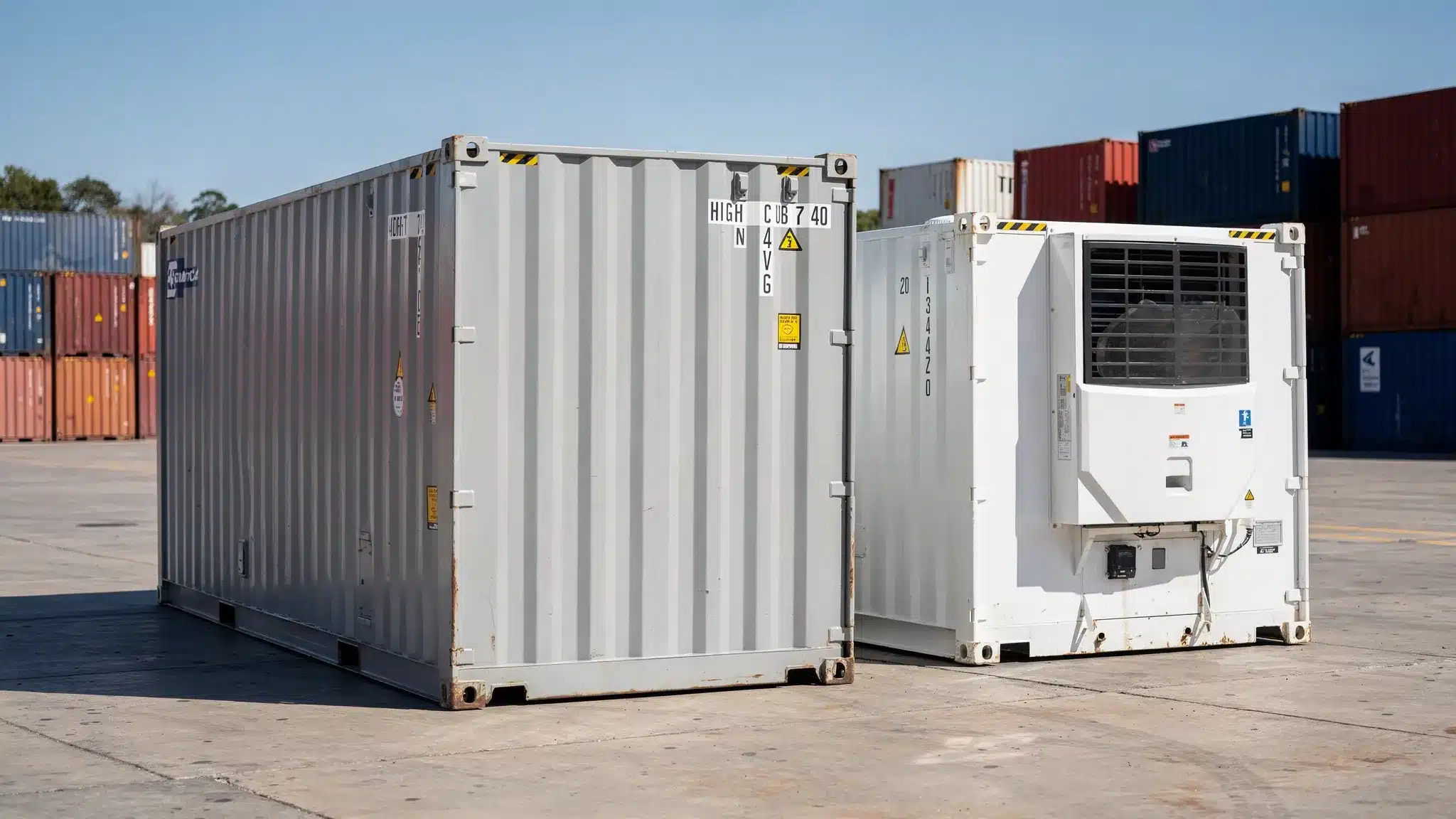
Cargo Containers: Standard, High Cube, Reefer, and More
Cargo containers are not one-size-fits-all. The “right” container depends on what you’re doing (storage, shipping, retail, cold chain, modular build-out), how you’ll place it on site, and which condition grade you can justify in your budget.
At Lease Lane Containers LLC (based in Raleigh, North Carolina), we help buyers across the Southeast and the wider USA match container type (Standard, High Cube, Reefer, and specialty units) with the correct grade (One-Trip vs. Cargo Worthy vs. Wind & Watertight) so you get predictable performance and fewer surprises on delivery day.
The baseline: what makes a “real” cargo container
Most buyers are looking for an ISO shipping container, meaning it’s built around global transport standards for handling, stacking, and intermodal movement.
Here’s what typically matters in practical terms:
- Corten steel construction: Most ISO containers use weathering steel (often called Corten) designed to resist atmospheric corrosion better than standard mild steel.
- Corner castings: Those reinforced corners are what cranes, handlers, and twist-locks grab, and they’re critical for safe lifting and stacking.
- ISO dimensions: Standard widths and lengths (like 20ft and 40ft) are designed to work with chassis, ships, rail, and forklifts (for specific container styles).
- CSC relevance: If you’re exporting or moving cargo internationally, the container may need to meet requirements under the CSC (Container Safety Convention), usually evidenced by a valid CSC plate.
If you’re using a container strictly for stationary storage on private property in Raleigh or elsewhere in North Carolina, you’re usually optimizing for weather tightness, security, and site placement, not international paperwork.
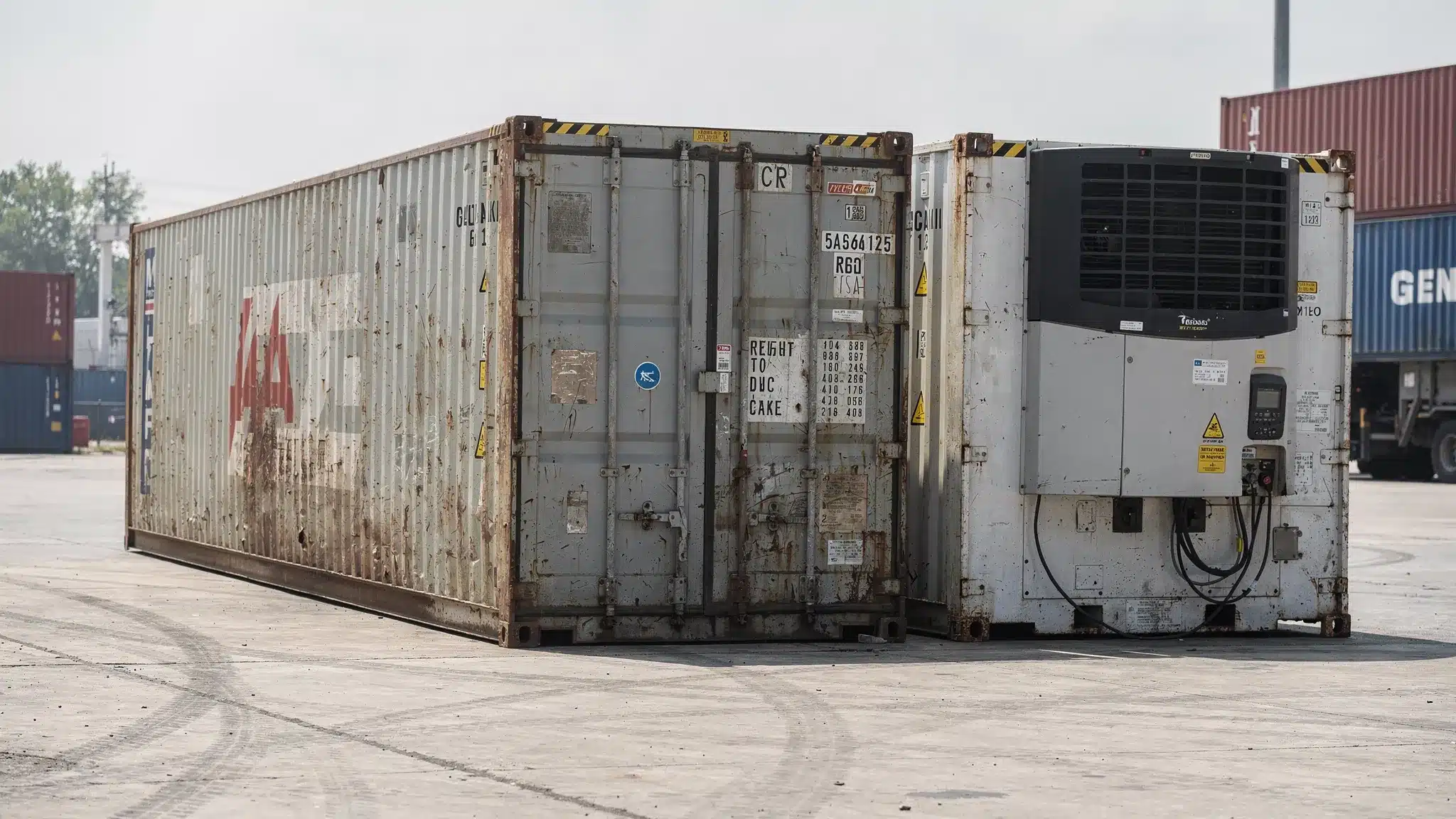
Container grades (condition) in plain English: One-Trip vs. Cargo Worthy vs. WWT
Type tells you what the container is. Grade tells you what condition it’s in.
- One-Trip: A nearly-new container that has made a single loaded voyage from the factory. Best when appearance, longevity, and “clean interior” matter (customer-facing businesses, conversions, high-end storage).
- Cargo Worthy (CW): A used container suitable for transport and typically aligned with intermodal expectations, often associated with stronger structural confidence and export use cases.
- Wind & Watertight (WWT): A used container that keeps wind and water out for stationary storage, but is not necessarily suitable or certified for international shipping.
If you want a deeper purchasing framework, start with the Lease Lane guide: Shipping container buyer’s guide.
Standard (dry) cargo containers: the workhorse for storage and shipping
A standard dry container (often called a “dry van”) is the most common cargo container. It’s the default choice for:
- Jobsite storage for tools and materials
- Farm and property storage (feed, tack, equipment)
- Inventory overflow for small businesses
- Workshops and light modifications
20ft standard containers
A 20-footer is popular around Raleigh neighborhoods and tighter job sites because it’s easier to place and still provides substantial secure storage.
If you’re comparing options, our 20ft resources are a good next step: 20ft containers.
40ft standard containers
A 40-footer is often the best value per square foot when you have space and want to consolidate storage or build out a longer footprint for a project.
For local buying and placement considerations, see: 40ft containers.
High Cube containers: the extra height that changes everything
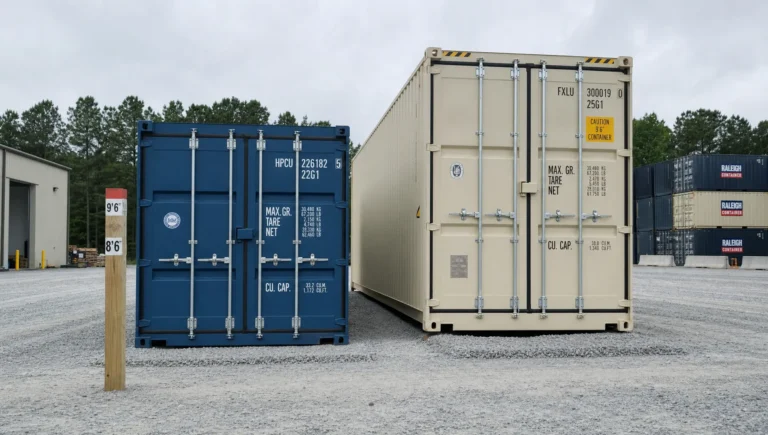
A High Cube container is typically 9'6" tall (about one foot taller than standard). That extra vertical space matters more than most people expect.
High Cube is often the right call when:
- You’re storing tall items (racking, equipment, pallet stacks)
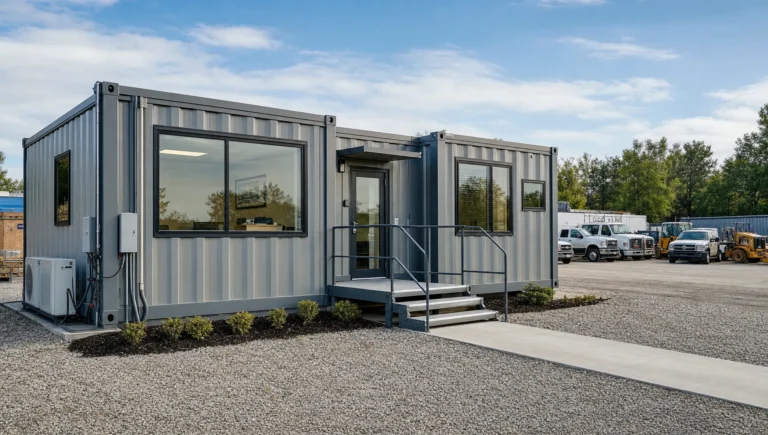
- You’re converting the unit (office, studio, ADU concepts, modular build-outs)
- You want more comfortable headroom after insulation and framing
For exact sizing considerations (including door height), reference: High Cube container dimensions.
Refrigerated (Reefer) cargo containers: cold storage on your property
A Reefer container is a refrigerated cargo container with insulated walls and an integrated refrigeration unit. Reefers are common for:
- Food and beverage storage
- Floral and agricultural cold chain needs
- Temperature-controlled inventory for events and seasonal businesses
- Backup cold storage during renovations or equipment outages
Reefer reality check: power and operating planning
Reefers are not “plug into a normal outlet and forget it.” They typically require dedicated electrical planning and a realistic operating budget.
Key considerations include:
- Electrical compatibility: Voltage/phase requirements vary by unit and application.
- Heat rejection and airflow: The refrigeration unit needs breathing room, especially in hot, humid North Carolina summers.
- Condition verification: Reefer performance should be tested and documented, not assumed.
If you’re in the buying stage, start here: Refrigerated container guide.
If your project involves complex electrical work (like integrating photovoltaic systems, backup power, or site electrical upgrades), it’s worth getting advice from qualified electrical professionals. For an example of a specialist contractor focused on photovoltaics and emergency power systems, see Notstrom & Elektrotechnik Sven Sanny.
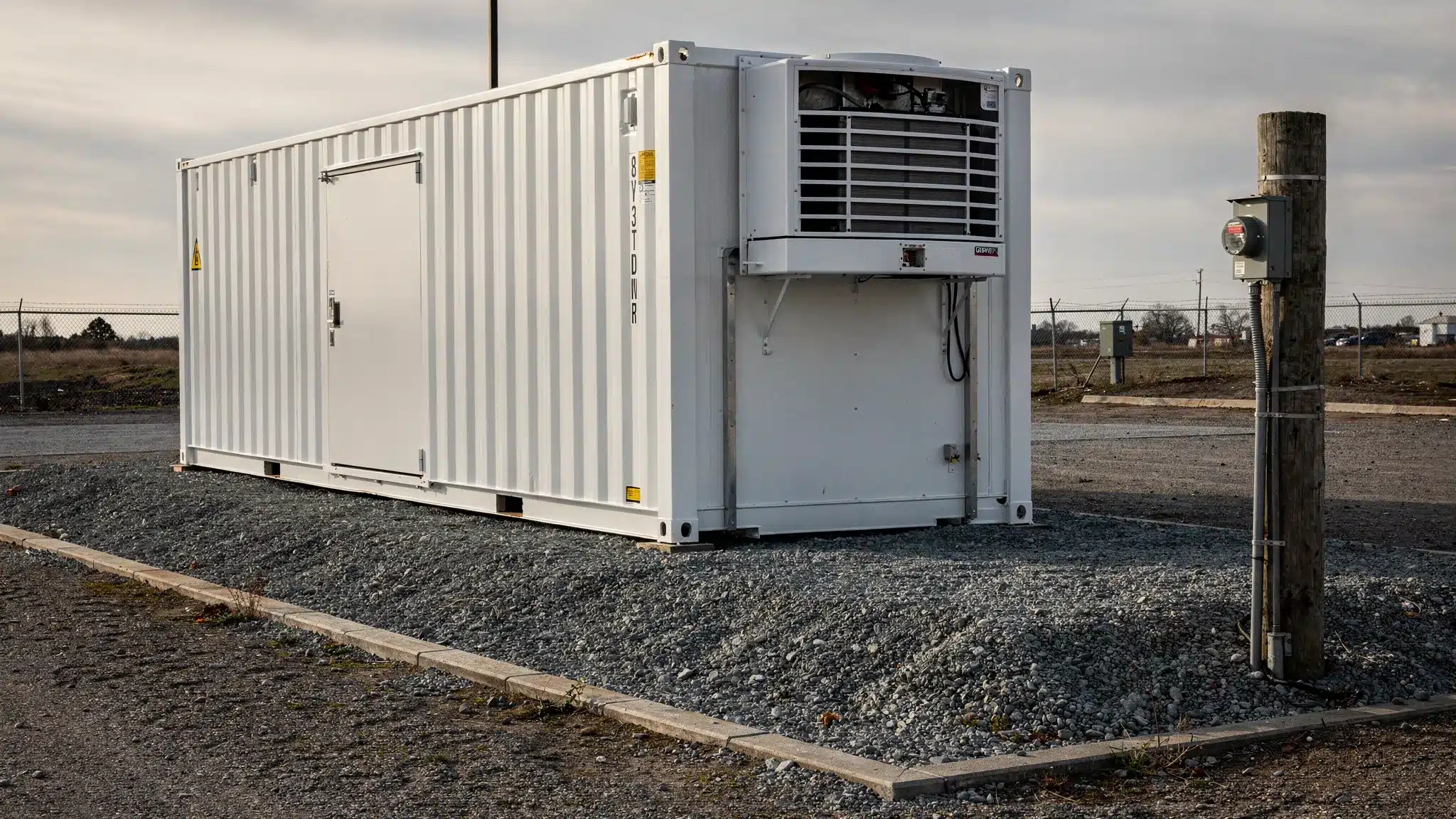
Specialty cargo containers (the “and more” options)
Beyond Standard, High Cube, and Reefer units, there are specialty containers designed for specific loading and access problems. These can be ideal when a normal container would slow you down operationally.
| Container type | What it’s designed for | Common buyer use cases | Key trade-off to plan for |
|---|---|---|---|
| Open Top | Loading from above by crane, over-height cargo | Construction debris, machinery, awkward freight | Uses tarps/roof bows instead of a solid roof |
| Flat Rack | Oversize loads that don’t fit in a box | Equipment, fabricated steel, large components | Minimal side protection, typically not for weatherproof storage |
| Tunnel (double doors) | Access from both ends | Jobsite tool access, farm organization, fast picking | More door hardware to maintain and secure |
| Side Open | Full side access | Retail builds, display/storage access, loading long items | Side-door sealing and security become more critical |
If you’re exploring open tops or tunnel containers specifically, these guides help clarify when they’re worth it:
Matching container type + grade to your real use case
In Raleigh and across the Southeast, the most expensive container isn’t always the best choice. The best choice is the container that matches your risk level, timeline, and how long you need it.
Here’s a practical way to think about it:
| Scenario | Best-fit container types | Typical recommended grade | Why |
|---|---|---|---|
| General contractor jobsite storage | Standard 20ft or 40ft | WWT or CW (depending on security and handling needs) | Prioritize weather tightness, door function, and structural reliability |
| Small business inventory overflow | Standard or High Cube | One-Trip or WWT | Clean interior and predictable seals reduce product damage risk |
| Retail pop-up / customer-facing build | High Cube, Side Open | One-Trip | Appearance and modification readiness matter |
| Farm and rural property storage | Standard or High Cube | WWT | Cost-effective long-term storage when placement is done right |
| Logistics/export shipment | Standard | Cargo Worthy (or better) | Structural and documentation expectations are higher |
| Cold storage | Reefer 20ft or 40ft | Depends on performance testing (newer can reduce risk) | The refrigeration system condition matters as much as the box |
When you’re shopping for used units, it helps to understand grading clearly. This overview is a solid reference: Used containers (grades explained).
Pro-Tip (Site Prep): prevent door problems and delivery surprises
Most container problems that buyers blame on “a bad container” are actually caused by poor site preparation.
To set your container up for success in Raleigh, Wake County, and across the Southeast:
- Level matters (a lot): Even slight twist can cause doors to bind, especially on older used units.
- Use a proper base: A compacted gravel pad is a common, cost-effective choice. Concrete piers or slabs can make sense for permanent installs.
- Plan drainage: Keep water from pooling under the unit to reduce long-term corrosion.
- Measure delivery access: Turning radius, overhead limbs, power lines, and soft shoulders are frequent failure points in residential areas.
- Check permit and HOA requirements early: Rules vary around Raleigh and surrounding towns, especially for long-term placement and modified use.
If you want step-by-step guidance, these resources are designed to help you avoid costly re-delivery fees:
What to request when pricing cargo containers
For clear, apples-to-apples pricing (especially if you’re comparing suppliers), always confirm:
- Container type (Standard, High Cube, Reefer, specialty)
- Container size (20ft vs 40ft)
- Container grade (One-Trip vs Cargo Worthy vs WWT)
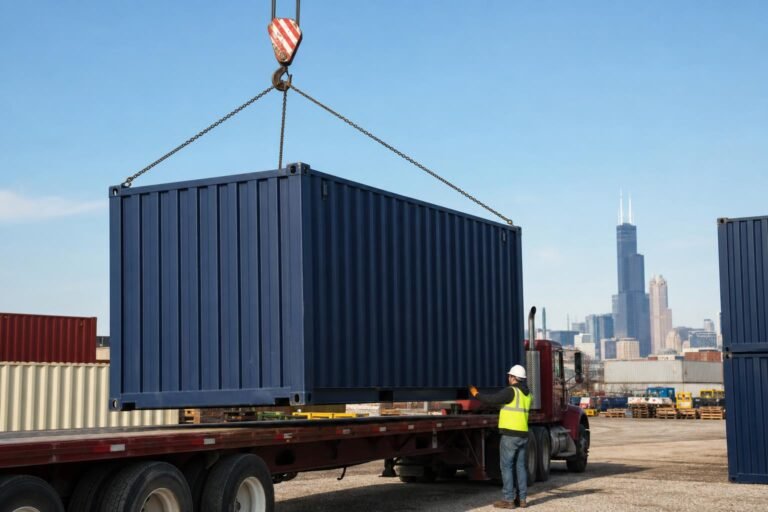
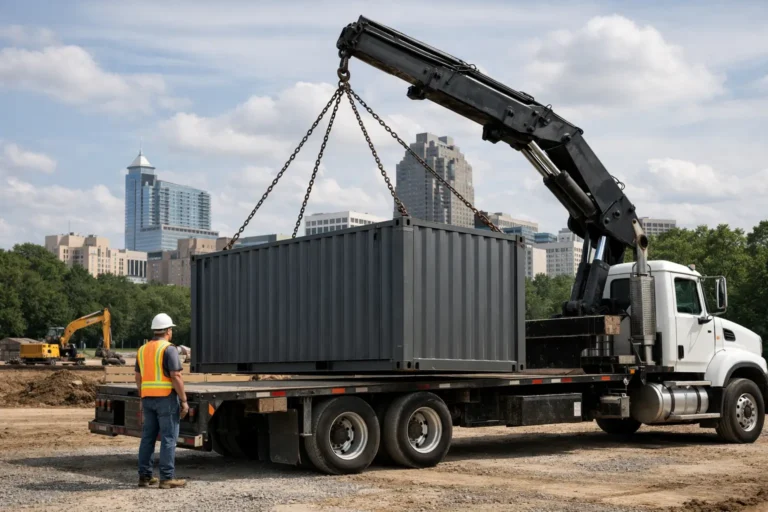
- Delivery method and site constraints (tilt-bed vs flatbed/crane)
- Any modifications (lockbox, vents, extra doors, paint)
Transparent grading plus realistic delivery planning is how you avoid “cheap container” outcomes that turn expensive after repairs, delays, or re-delivery.
Frequently Asked Questions
Are cargo containers and shipping containers the same thing? In most buyer conversations, yes. “Cargo container” often refers to ISO shipping containers used for transport, storage, or modular projects.
Which is better for storage, Cargo Worthy or Wind & Watertight (WWT)? For stationary storage, a WWT container is often sufficient if it truly seals out wind and water. Cargo Worthy is typically chosen when structural confidence, stacking, or shipping requirements are higher.
When should I choose a High Cube container? Choose High Cube when interior height matters (racking, tall items, conversions, or when insulation/framing will reduce usable headroom).
Do reefer containers need special electrical service? Often, yes. Reefers require proper power planning (voltage/phase/amperage) and safe site wiring. Always verify the unit’s electrical requirements before delivery.
Is a One-Trip container worth the premium? It can be, especially for customer-facing projects, conversions, and buyers who want a cleaner interior, fewer repairs, and better long-term appearance.
Can you deliver cargo containers outside North Carolina? Yes. Many suppliers, including Lease Lane Containers, can coordinate nationwide delivery, but your total cost and site constraints will vary by region and access.
Get the right cargo container, with clear grading and delivery planning
If you’re comparing Standard vs. High Cube vs. Reefer (or specialty units) and want straightforward guidance, contact the Lease Lane Containers LLC team. Email sales@leaselanecontainers.com to discuss inventory, grades (One-Trip, Cargo Worthy, WWT), and delivery planning, or visit our Raleigh, NC office to speak with a local expert.