Reefer Container for Sale: What to Check
Cold storage problems usually show up at the worst time – during harvest, before a busy weekend, or after inventory has already been loaded. If you are searching for a reefer container for sale, the real question is not just price. It is whether the unit will hold temperature reliably, fit your site, and arrive in the condition you were told to expect.
A refrigerated shipping container is a specialized asset. It can protect produce, dairy, frozen goods, floral inventory, pharmaceuticals, or temperature-sensitive materials, but only if the core systems are sound and the container itself is structurally solid. That is why buyers who want zero surprises need to look past the listing headline and focus on verified specifications, condition, and delivery setup.
What a reefer container is really built to do
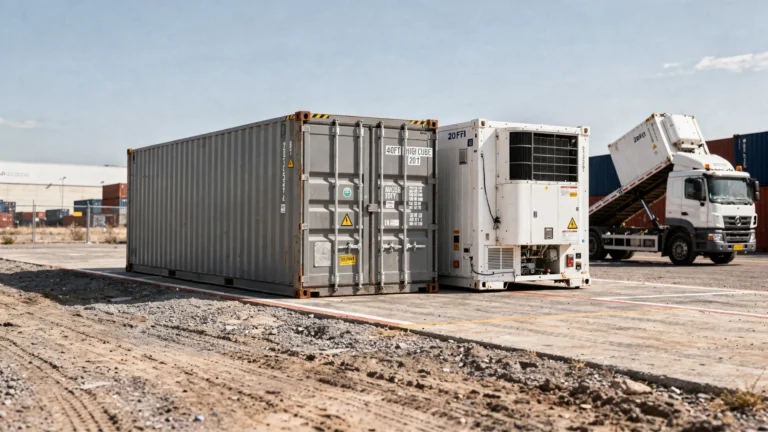
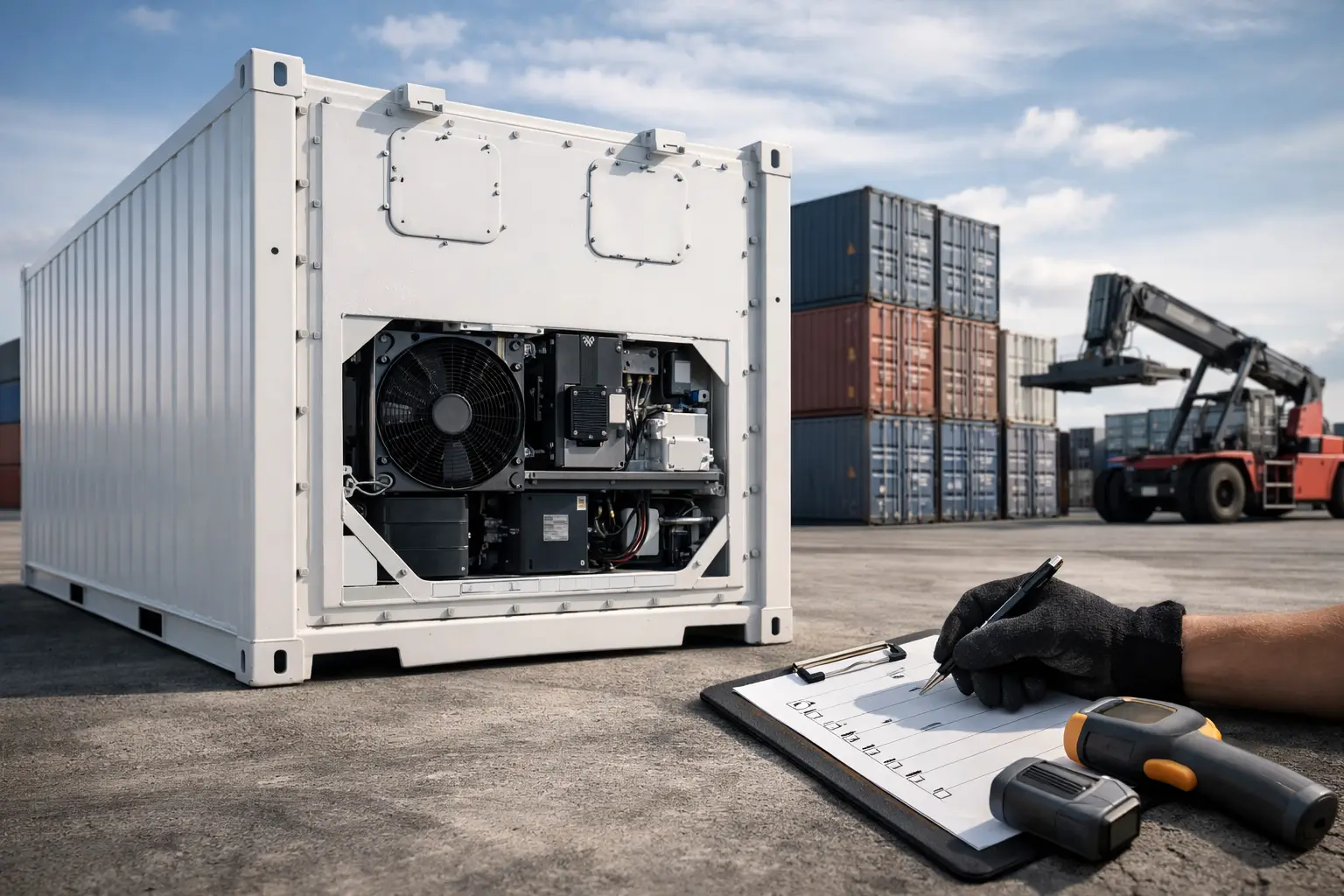
A reefer container is an insulated ISO shipping container with an integrated refrigeration unit. Unlike a standard dry container, it is designed to maintain a controlled temperature range rather than simply keep cargo out of the weather. The refrigeration machinery circulates conditioned air through the container, while the insulated walls, floor, and doors reduce heat transfer.
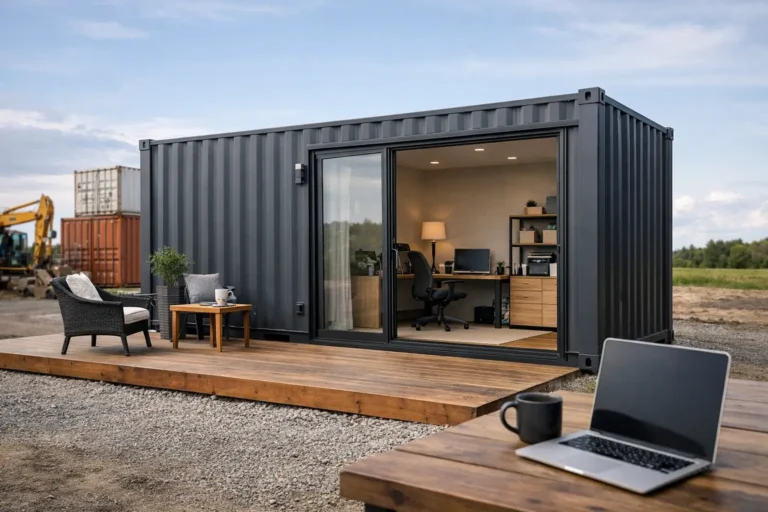
That makes reefers useful well beyond ocean shipping. Contractors use them for temperature-sensitive materials on remote jobsites. Farms use them for pre-cooling and short-term cold storage. Retailers and food operators use them for overflow inventory during peak demand. Some buyers even use retired reefers as controlled environments for specialty equipment or process storage.
The key distinction is this: a reefer is not just a box with a cooling unit attached. The insulation, door seals, floor design, electrical requirements, and machinery all work together. If one part is compromised, the whole container becomes less efficient and less dependable.
Reefer container for sale: new, used, or refurbished?
Most buyers will choose between one-trip, used, and refurbished reefer containers. Each option works for a different budget and use case.
A one-trip reefer is the closest thing to new in the container market. It has typically made a single cargo journey from the manufacturing point to the US. For buyers who need a professional appearance, longer service life, and the lowest risk of corrosion or prior repair history, this is often the cleanest option. It also comes at the highest upfront cost.
A used reefer usually makes sense when budget matters more than cosmetics. These units may show dents, patched areas, surface rust, or signs of previous service, but a good used unit can still perform well if the refrigeration system has been properly inspected and the container remains structurally sound. This is where grading matters. Terms like Cargo Worthy and Wind & Watertight tell you something about structural and weather resistance, but with reefers you also need clarity on the refrigeration unit itself.
A refurbished reefer sits in the middle. It may have had repairs to the body, new paint, replacement door gaskets, serviced machinery, or other upgrades intended to extend useful life. Refurbishment can be a good value, but it depends on what was actually done. Buyers should ask for specifics rather than assume all refurbished units are equal.
The condition details that matter most
When reviewing a reefer container for sale, condition should be discussed in two parts: the container shell and the refrigeration system. A seller who only talks about one side of that equation is leaving out important information.
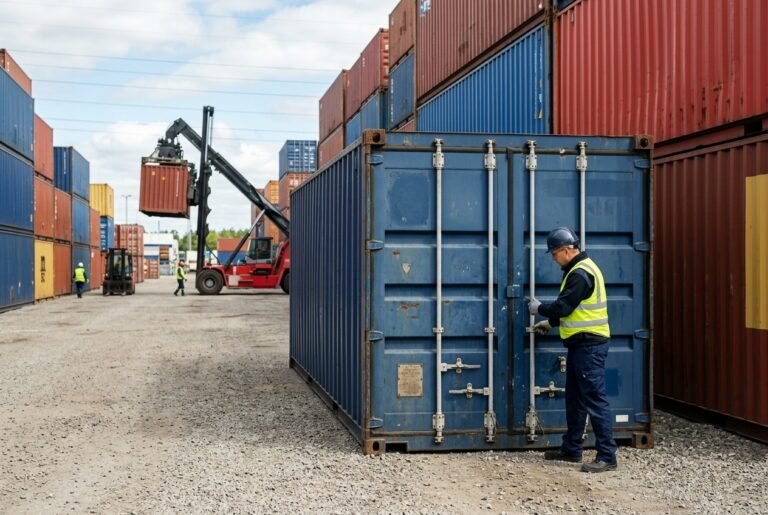
On the shell side, check the corner castings, roof panels, side walls, understructure, and doors. The container should be structurally square, with doors that open and close correctly. Excessive corrosion on the frame or major floor damage can affect both service life and transportability.
Door gaskets deserve close attention. A reefer can have a working refrigeration unit and still struggle to hold temperature if warm air is leaking through worn seals. The interior should also be inspected for cleanliness, insulation damage, and signs of moisture intrusion.
On the machinery side, ask whether the unit has been tested under power. A reefer unit should not just start – it should pull down to target temperature and maintain it. Buyers should also ask about operating hours, service history when available, controller condition, and whether the unit is configured for chilling, freezing, or both depending on the model.
If your operation depends on consistent temperatures, a pre-trip inspection or functional test is often worth requesting. That is especially true for agricultural and food-related use, where temperature deviation can turn into product loss quickly.
Size and layout decisions
The most common reefer sizes are 20-foot and 40-foot units, with high-cube options available in certain inventories. The right size depends on more than storage volume.
A 20-foot reefer is often easier to place on tighter sites and may be a better fit for farms, restaurants, and smaller commercial operations. It also requires less pad space and can simplify truck access during delivery.
A 40-foot reefer gives you more storage capacity and can make sense when inventory volume is predictable and site space is not a constraint. For larger operations, that extra capacity can lower the cost per cubic foot of cold storage. The trade-off is delivery access, turning radius, and pad preparation. A long container on a cramped site can become a placement problem before it becomes a storage solution.
If the reefer will be used for daily access rather than long-term loaded storage, think about aisle space and product flow. A bigger box is not always the better operational choice if staff need to move in and out constantly.
Power requirements are where many buyers get caught off guard
One of the most common reefer buying mistakes has nothing to do with the container itself. It is assuming power will be simple.
Most refrigerated containers require a specific electrical setup, often 460V three-phase power, though exact requirements vary by unit and model. That means buyers need to confirm site power before delivery, not after. If utility power is not available, you may need a generator setup sized for startup load and continuous operation.
This matters for construction sites, rural properties, farms, and seasonal operations where infrastructure may be limited. The right reefer at the wrong site can still become an expensive delay.
A dependable seller should be clear about the unit’s electrical needs and explain them in plain terms. If you are not sure whether your property can support the container, it is better to sort that out early than to pay for a unit you cannot run on day one.
Delivery and site prep matter as much as the purchase
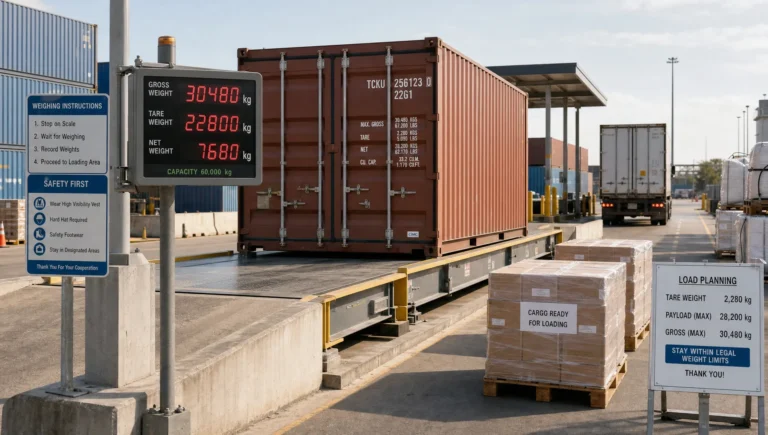
Reefers are heavy, and they are not forgiving when dropped onto an unprepared site. The pad should be level, stable, and capable of supporting the container’s loaded weight. In most cases, buyers are best served by compacted gravel, concrete, or another engineered surface suited to the use case.
You also need enough clearance for truck approach, unload angle, and final placement. Tilt-bed delivery is common, but it requires linear space to set the container down safely. Ground-level placement can be straightforward on paper and difficult in practice if there are trees, soft ground, fencing, overhead wires, or narrow gates.
For many buyers, especially first-time residential customers, this is where guidance from an experienced container seller adds real value. Clear delivery requirements reduce the risk of redelivery fees, site damage, or a reefer ending up somewhere that makes power connection impractical.
Price is important, but price without context is not helpful
A reefer costs more than a standard dry container because you are buying insulation, machinery, and a more specialized asset. But the cheapest listing is not always the lowest-cost decision.
A low-priced used reefer may need gasket replacement, electrical work, or refrigeration service shortly after delivery. A one-trip unit may cost more upfront but reduce maintenance headaches and provide a cleaner appearance for customer-facing use. A refurbished unit can be a smart middle ground if the repair scope is clearly documented.
Ask what is included in the quoted price. Does it cover delivery? Is the unit tested? Is the grade defined clearly? Are there any added costs for difficult access, rural drop-off, or scheduling constraints? Clear pricing matters because reefer purchases are often time-sensitive, and hidden costs usually show up when the container is already on the truck.
How to buy with fewer surprises
The best reefer purchase starts with an honest use-case discussion. If you are storing produce, frozen food, chemicals, or temperature-sensitive materials, say so. If the container is going to a remote farm, urban lot, or active construction site, that should shape the recommendation.
A dependable seller should help you match the container to the job, not just quote the nearest available unit. That includes explaining condition grades, verifying dimensions, confirming power requirements, and reviewing delivery access. Companies like Lease Lane Containers work with buyers who need that kind of practical clarity because it prevents the expensive problems that happen after the invoice is paid.
When you are comparing options, ask direct questions and expect direct answers. Has the unit been tested under power? What grade is the shell? What electrical service is required? What delivery method is planned? Those details matter more than a polished sales pitch.
If a reefer container is going to protect inventory, support field operations, or keep your business moving during peak demand, buy the unit that fits the work, the site, and the power available. That is usually the decision that holds up best six months later.