Shipping Container Construction Basics for Buyers
Buying a shipping container for a build, a jobsite, or a conversion project is not like buying a shed. These units are engineered to ISO standards for intermodal transport, built from heavy-gauge steel, and designed to be lifted, stacked, and secured under real-world abuse. If you understand the basics of shipping container construction, you can choose the right size and grade for your project, avoid hidden repair costs, and plan a smoother delivery in Raleigh, North Carolina or anywhere in the U.S.
Below is a practical “buyer’s view” of how containers are built, what parts matter most, and how construction details connect to common grades like One-Trip, Cargo Worthy (CW), and Wind & Watertight (WWT).
What “ISO-built” really means (and why buyers should care)
Most standard dry freight containers are built to ISO container standards so they can move between ships, rail, and trucks with consistent handling equipment. For buyers, that consistency translates into predictable external dimensions, corner-casting geometry for lifting/stacking, and a structural frame that carries load through specific members.
A container that has been abused, repaired poorly, or twisted out of square can still look fine in photos but become a headache on-site. The most common symptom is doors that won’t seal or swing correctly after placement, which is usually a sign of frame distortion or an uneven base, not “bad doors.”
If you’re still deciding on size before you get into the details below, start with Lease Lane’s dimension guide: Shipping Containers Dimensions: 20ft vs 40ft vs High Cube.
Shipping container anatomy: the parts that make (or break) your project
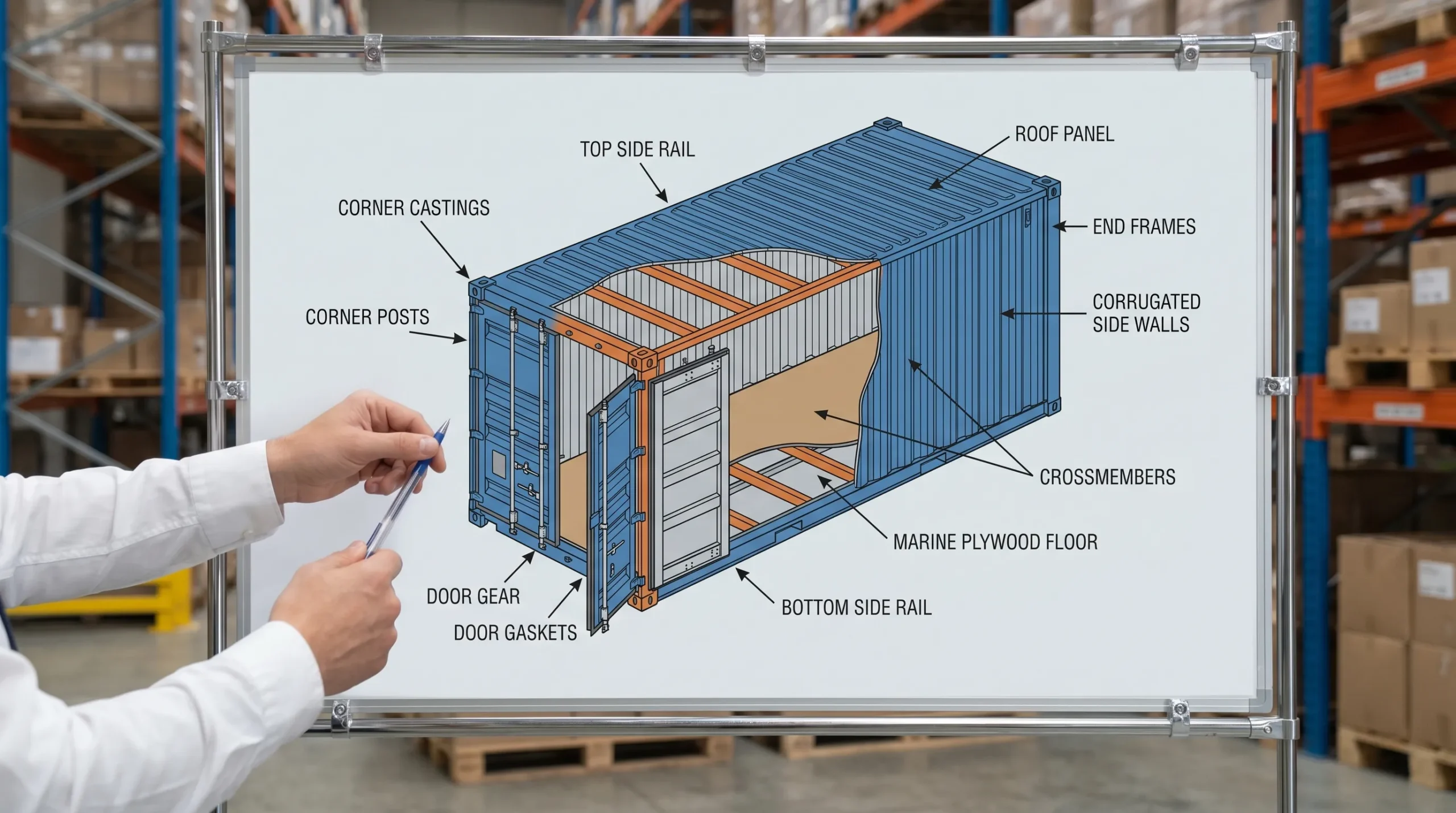
A container is essentially a steel structural frame with corrugated steel panels acting as a skin. Here are the components you should understand before you buy, especially if you’re planning modifications, stacking, or long-term outdoor placement in the Southeast.
Corner castings (the “hard points”)
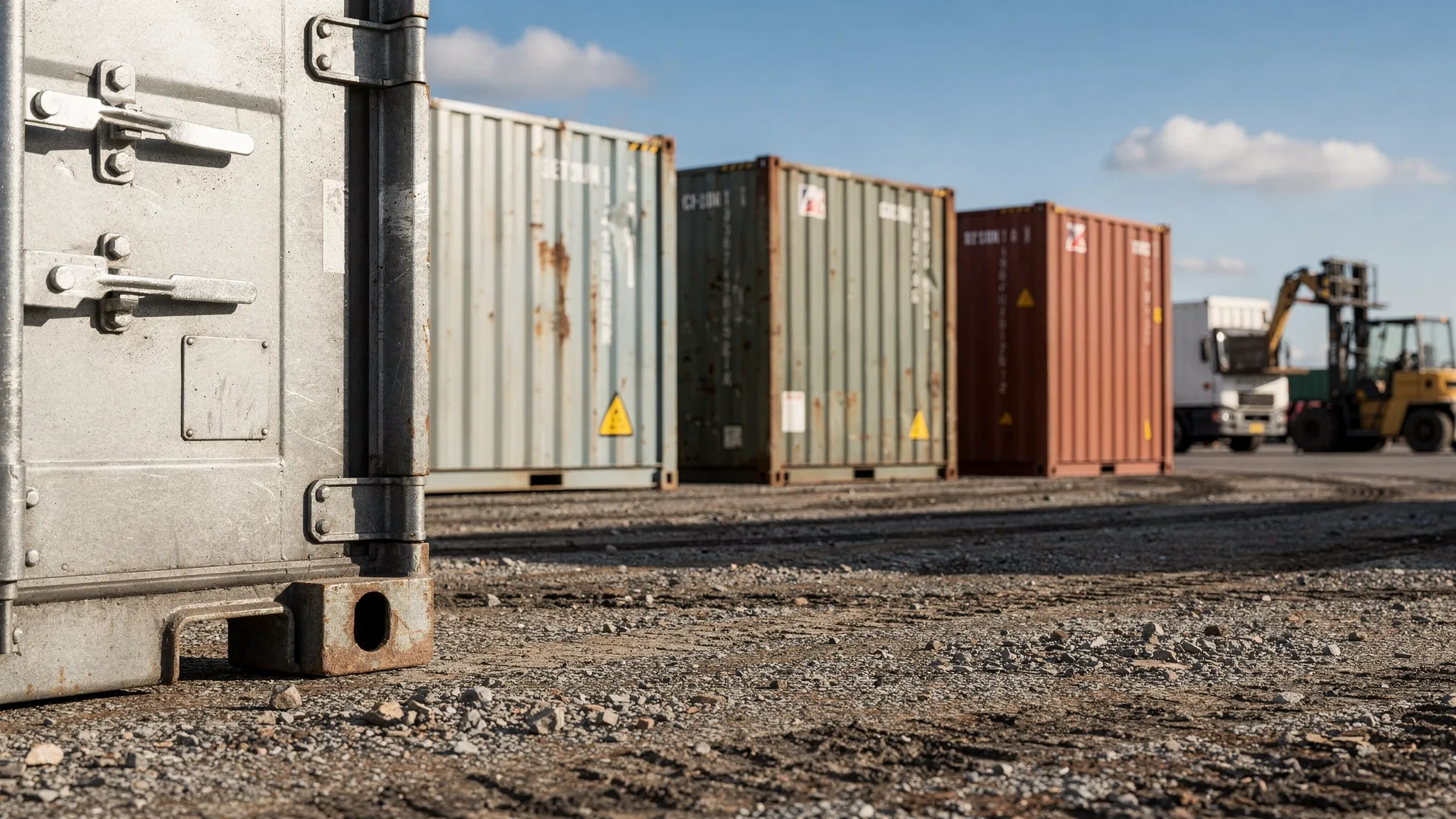
Corner castings are the reinforced steel blocks at each corner. They are the interface for crane lifts, twist locks, and stacking. For buyers, corner castings matter because:
- They reveal how the container has been handled (deformation can indicate harsh lifts or impacts).
- They are key for anchoring systems and for any design that involves stacking.
If you see cracked welds around castings or major deformation, walk away unless you have a repair plan and the price reflects it.
Corner posts, top rails, and bottom rails (the structural frame)
The container’s strength comes from its corner posts and the rail system (top and bottom side rails, plus end frames). This frame carries loads when containers are stacked and when they are lifted.
For buyers in Raleigh and across North Carolina, frame condition is also tied to moisture management. If a container sits on wet soil, low spots, or poorly drained ground, bottom rails can corrode faster than expected.
Corrugated sidewalls and end panels (strength + skin)
The corrugation is not just cosmetic. Corrugated steel increases stiffness, which helps the container resist racking and flexing.
Dents are not automatically a deal-breaker for storage, but deep creases can affect stiffness and can complicate modifications (for example, framing a wall opening or installing insulation panels).
Roof panel and roof bows (the “leak risk zone”)
Roofs take a beating from yard handling and from people walking on them (which they are not designed for in most cases). The roof should shed water cleanly.
For buyers, the roof matters because small pinholes become big problems in humid climates like the Raleigh area. Over time, water intrusion can damage the floor from above, cause internal rust, and create persistent condensation issues.
Crossmembers and the subfloor structure
Under the container, steel crossmembers support the floor. If crossmembers are bent or heavily corroded, you can get soft spots and floor deflection.
This is a major issue for:
- Contractors rolling pallet jacks or small equipment into the unit
- Retail pop-ups with heavy shelving loads
- Office conversions where you want a solid feel underfoot
Flooring (usually marine plywood)
Many dry containers use thick marine-grade plywood floors. Over a container’s life, floors can see spills, abrasion, and in some cases chemical contamination.
If you’re buying used, floor inspection is not optional. Learn what to look for in Lease Lane’s inspection resources, including How to Spot Quality Containers Before You Buy.
Doors, locking gear, and gaskets
Container doors are heavy and depend on a square frame, intact hinges, and functional locking bars. Door gaskets are what turn “steel box” into “weather-resistant storage.”
If the container is out of level after delivery, even a perfectly good container can have doors that bind. This is why construction basics and site prep go together.
What containers are made of: Corten steel and coatings
Most ISO shipping containers are built from Corten steel (weathering steel). Corten is designed to form a stable rust-like patina that slows further corrosion under the right conditions.
Two buyer notes that matter in Raleigh and across the Southeast:
- Corten helps, but it is not magic. Constant moisture, trapped debris, and salt exposure (coastal environments) still accelerate corrosion.
- Paint systems and maintenance matter. Many used containers have been repainted for appearance, so buyers should look for meaningful repair details, not just fresh paint.
If your project depends on aesthetics (retail-facing container, office, hospitality), a cleaner shell can reduce prep labor significantly.
Standard vs High Cube: construction differences buyers should understand
A High Cube container is typically 9'6" tall externally (about 1 foot taller than standard height). That extra height changes your build considerations:
- More vertical wall area for interior framing and insulation
- Better headroom for workshops or offices
- Different clearance planning for delivery and placement
If you’re weighing height and usable interior space, Lease Lane’s Raleigh-focused guide is a solid starting point: High Cube Container Dimensions: Interior Height and Door Specs.
Specialty construction: what’s different about refrigerated (reefer) containers
Refrigerated containers (reefers) are not just “a container with an AC unit.” Construction typically includes:
- Thick insulated walls (which reduces interior cubic space)
- A refrigeration unit with electrical requirements
- Different floor design for airflow and drainage
If your use case involves cold storage, focus on performance verification, power compatibility, and realistic operating costs. Lease Lane covers that in the Refrigerated Shipping Container guide.
How construction ties directly to container grades (One-Trip vs CW vs WWT)
Container “grades” in the resale market are not just marketing terms. They describe the likely condition of the structure, weather tightness, and documentation suitability for shipping.
Here’s the quick buyer framing:
| Grade | What it usually means for construction condition | Best fit for buyers | Typical buyer risk if mismatched |
|---|---|---|---|
| One-Trip | Near-new structure, minimal dents, better door operation, cleaner floors, newer coatings | Conversions, customer-facing builds, long-term ownership | Paying extra when you only need basic storage |
| Cargo Worthy (CW) | Structurally sound for transport, meets shipping suitability expectations, often tied to CSC requirements for export | Logistics, export, stacking, modification-ready projects | Buying CW when WWT would work can inflate cost |
| Wind & Watertight (WWT) | Weather-resistant for stationary storage, may have more dents and cosmetic wear | Jobsite storage, farm storage, homeowners needing secure dry storage | Choosing WWT for export or complex builds can create extra remediation work |
For deeper definitions (and what to verify), Lease Lane has dedicated pages on each:
- What is a One Trip container?
- What is a Cargo Worthy container?
- What is a Wind and Watertight container?
A practical rule for buyers
- If you’re doing construction storage and the container will stay put, WWT often delivers the best value.
- If you need intermodal shipment, you typically want CW (and the right documentation).
- If you’re building an office, retail pop-up, or modular structure, One-Trip or strong CW units often reduce total project cost because you’re starting with a straighter, cleaner shell.
If you’re shopping specifically for used containers in the Raleigh area (or want a reference point for condition expectations), see: Best Used Shipping Containers for Sale in Raleigh, NC.
Choosing 20ft vs 40ft: construction-related trade-offs (not just space)
Size selection is partly about capacity, but it’s also about placement, access, and how you’ll use the doors.
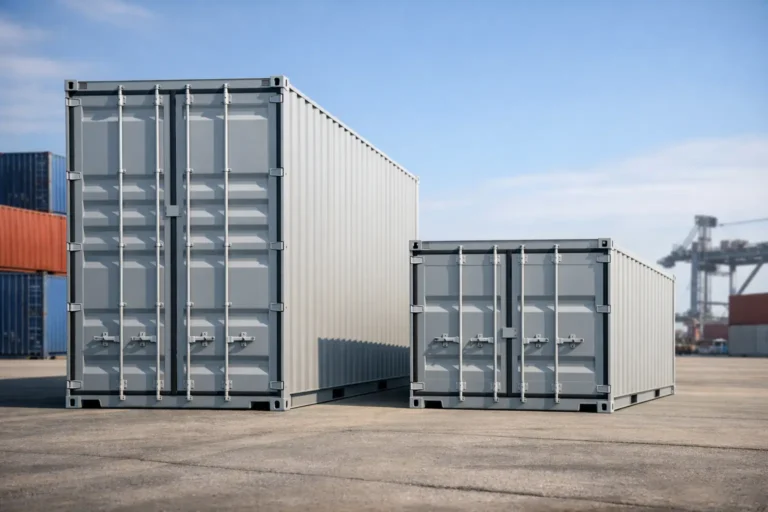
- 20ft containers are often easier to place on tighter residential or infill sites around Raleigh and Wake County, and they can be simpler for tilt-bed delivery depending on access.
- 40ft containers provide better cost per cubic foot, but they demand more turning radius and a larger, flatter drop zone.
If you’re comparing options, start with Lease Lane’s buying guidance and local pricing context:
If you plan to modify a container, start with the structure (not the paint)
Cutting in doors, windows, roll-up openings, or HVAC penetrations changes load paths. That does not mean modifications are unsafe, it means you need to respect the structural logic of the frame.
Buyer-oriented guidance (without overcomplicating it):
- The frame carries the load, especially corner posts and rails.
- The corrugated skin adds stiffness, so big openings often require reinforcement.
- The straighter the container starts, the less time you spend fighting alignment when you add framing, doors, and interior finishes.
For customer-facing builds, lighting is another design element buyers underestimate. If you’re planning a container office, showroom, or retail pop-up, it’s worth looking at modern lighting fixtures for clean, low-profile options that suit compact spaces (for inspiration, see BUYnBLUE’s modern lighting shop).
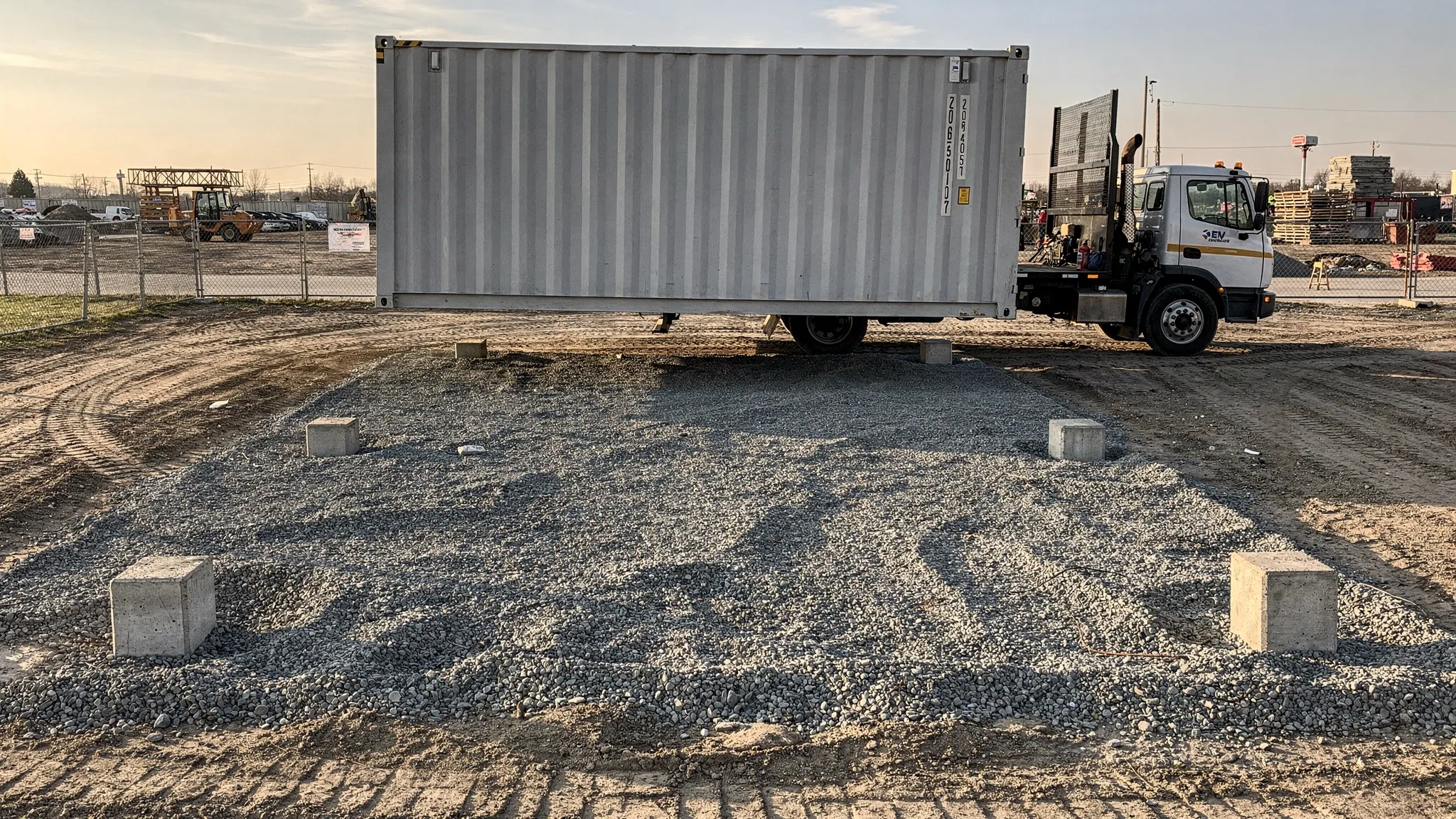
Pro-Tip (Site Prep): Prevent “construction problems” that are actually ground problems
Many container issues blamed on “bad construction” are caused by placement on an uneven or unstable base.
For Raleigh and the Southeast (where clay soils, heavy rain, and humidity are common), assume you need to plan for drainage and leveling, not just a flat-looking spot.
Pro-Tip: Build the base first, then buy the container.
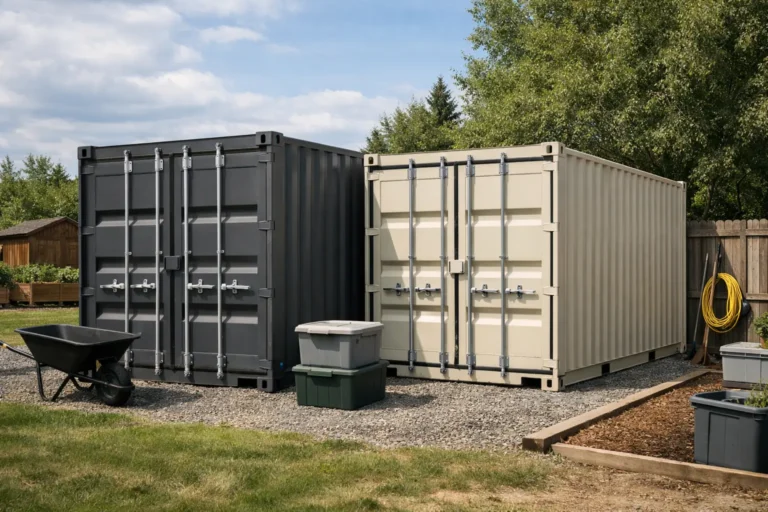
- Use a compacted gravel pad with geotextile where needed, especially on softer soils.
- Support the container at the corners (and additional points if your use case demands it) to reduce twist.
- Plan for water to move away from the unit (a slight grade and drainage path beats “perfectly flat” with puddles).
- Confirm permits, zoning, and HOA rules where applicable (in Raleigh, rules can vary by property type and use).
Lease Lane has step-by-step resources you can hand to your site crew:
What to tell your supplier so you get the right container the first time
When buyers get frustrated, it’s usually because the quote was based on assumptions. Whether you’re in Raleigh, elsewhere in North Carolina, or ordering for nationwide delivery, you will get a more accurate recommendation if you can answer these questions clearly:
- Intended use: stationary storage, office/conversion, export, or modular construction
- Size: 20ft vs 40ft, and whether you need High Cube
- Grade: One-Trip, CW, or WWT (and whether a CSC plate matters for your application)
- Placement constraints: access width, turning space, overhead clearance (trees and lines), and ground condition
- Door plan: which way the doors should face for daily operations
If you want a single page that ties the whole buying process together, use Lease Lane’s: Ultimate Shipping Container Buyers Guide.
Frequently Asked Questions
What is Corten steel, and does it mean a container will never rust? Corten is a weathering steel used in many ISO containers. It resists corrosion better than mild steel, but it can still rust, especially in constantly wet conditions, where debris traps moisture, or near coastal salt exposure.
Do I need a Cargo Worthy container for a construction site storage box? Not usually. For stationary storage, a Wind & Watertight (WWT) container is often the best value. Cargo Worthy (CW) is most important when the container must meet transport requirements for shipping and intermodal use.
Is a One-Trip container worth the premium for a conversion project? Often, yes. One-Trip units typically have straighter frames, cleaner floors, better door operation, and fewer repairs, which can reduce labor and surprises when you start cutting openings or finishing interiors.
What’s the biggest construction-related red flag when inspecting a used container? A twisted frame. It shows up as doors that bind, uneven gaps, or signs the container is out of square. Twist can be caused by hard handling over time, or by poor placement on an uneven base.
Can I place a container directly on dirt or grass in North Carolina? It’s possible, but not recommended for long-term use. Moisture and settlement increase corrosion risk and can cause the frame to twist. A compacted gravel pad (with drainage) is one of the most common, cost-effective bases.
Get the right container for your project in Raleigh (or delivered nationwide)
If you’re evaluating shipping container construction for a jobsite, storage plan, or conversion build, Lease Lane Containers LLC can help you match size, grade (One-Trip vs CW vs WWT), and delivery method to your property and your timeline.
Contact our team at sales@leaselanecontainers.com or visit our Raleigh, NC office to get clear pricing and site-prep guidance before you buy.