Best 40ft shipping container in Chicago, Illinois | 2026 Guide
Table of Contents
- Table of Contents
- Chicago 40ft Shipping Container Quick Facts
- 40ft Shipping Container in Chicago: What You Need to Know
- What Services Are Available
- Why Location Matters
- Top 40ft Shipping Container Options in Chicago
- Budget-Friendly: Wind and Watertight Grade
- Mid-Range: Cargo Worthy Grade
- Premium: One-Trip Containers
- How to Choose the Right 40ft Shipping Container in Chicago
- Verify the Seller’s Credentials
- Ask the Right Questions Before You Buy
- Red Flags to Watch For
- Site Preparation Matters
- Chicago 40ft Shipping Container Market in 2026
- Pricing Trends
- Seasonal Demand Patterns
- Regulatory Considerations
- How Chicago Compares to the Rest of Illinois
- Chicago 40ft Shipping Container FAQ
- How much does a 40ft shipping container cost in Chicago?
- Do I need a permit to place a shipping container on my property in Chicago?
- How long does delivery take?
- What’s the difference between cargo worthy and wind and watertight?
- Can I modify a 40ft container into an office or workspace?
- What foundation do I need for a 40ft container?
- Get 40ft Shipping Container in Chicago Today
- Final Checklist
Table of Contents
- Chicago 40ft Shipping Container Quick Facts
- 40ft Shipping Container in Chicago: What You Need to Know
- Top 40ft Shipping Container Options in Chicago
- How to Choose the Right 40ft Shipping Container in Chicago
- Chicago 40ft Shipping Container Market in 2026
- Chicago 40ft Shipping Container FAQ
- Get 40ft Shipping Container in Chicago Today
- Final Checklist
Chicago’s industrial backbone runs through its rail yards, freight corridors, and commercial districts, and the 40ft shipping container sits at the center of much of that activity. Whether you’re a contractor staging materials for a project in Pilsen, a small business owner needing overflow inventory space in Schaumburg, or a rural property owner west of the metro looking for permanent on-site storage, a 40ft container is one of the most practical investments you can make. This 2026 guide breaks down pricing, sourcing options, condition grades, delivery logistics, and the specific factors that make buying a 40ft shipping container in the Chicago area different from anywhere else in Illinois. The goal is simple: help you pick the right container, avoid common mistakes, and get it delivered correctly the first time.
Chicago 40ft Shipping Container Quick Facts
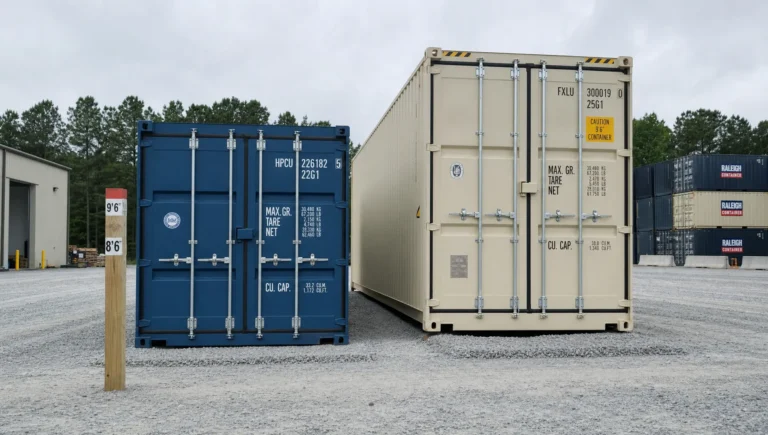
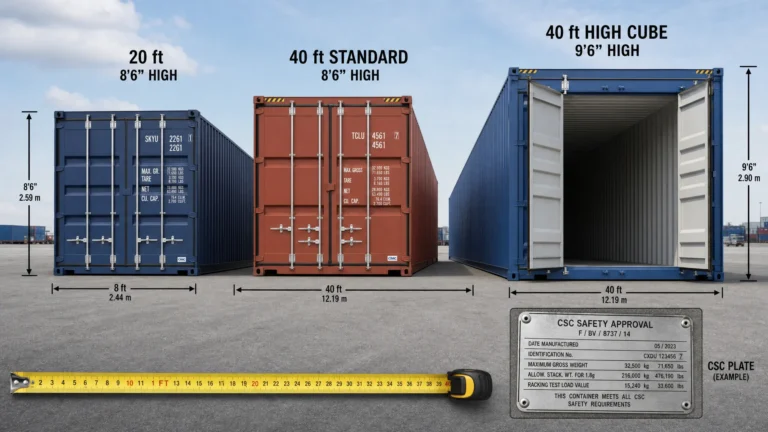
A 40ft shipping container measures 40 feet long by 8 feet wide by 8 feet 6 inches tall (or 9 feet 6 inches for a high cube shipping container). Interior usable space is roughly 2,390 cubic feet in a standard unit and about 2,700 cubic feet in a high cube. Empty weight runs between 3,600 kg and 4,200 kg depending on the build.
Here are the numbers Chicago buyers should know heading into 2026:
- Typical pricing range: $2,200 to $3,200 for a used shipping container in wind and watertight condition; $4,800 to $7,500 for a one-trip container, depending on grade and features.
- Delivery lead time: 5 to 15 business days for most of the Chicagoland area, though availability from regional depots can shorten this to under a week.
- Service area: Chicago proper, Cook County suburbs, DuPage, Will, Kane, Lake, and McHenry counties are all well-served by major container depots.
- Local advantage: Chicago’s position as the largest inland freight hub in North America means container inventory is consistently higher here than in most Midwest cities, which keeps pricing competitive.
These figures shift based on steel market conditions, seasonal demand, and the specific container grade you select. The rest of this guide explains how to use those variables to your advantage.
40ft Shipping Container in Chicago: What You Need to Know
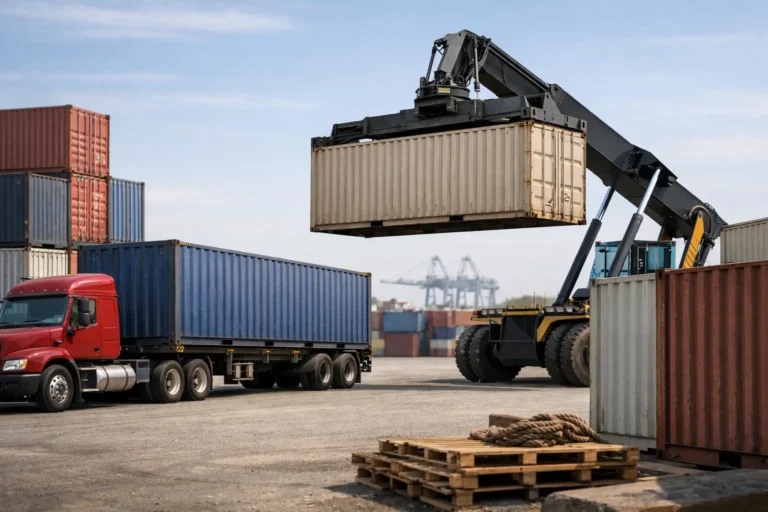
Chicago is not a typical container market. The city sits at the intersection of six Class I railroads and handles more intermodal freight than any other inland metro in the country. That infrastructure means a steady flow of containers moving through depots in Bedford Park, Hodgkins, and the south suburbs near the BNSF and Union Pacific intermodal yards. For buyers, this translates to better selection and faster availability compared to cities that rely solely on coastal port inventory.
What Services Are Available
Chicago-area buyers can purchase containers outright, lease them on short or long-term agreements, or arrange rent-to-own deals. The most common transaction for small businesses and property owners is a direct purchase of a used shipping container in cargo worthy or wind and watertight condition. Contractors working on temporary projects often prefer leasing, while businesses scaling up warehouse operations tend to buy outright for permanent placement.
Why Location Matters
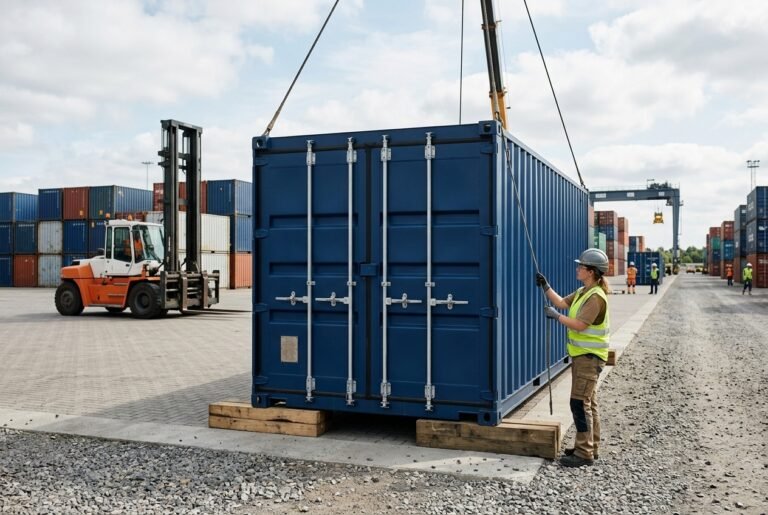
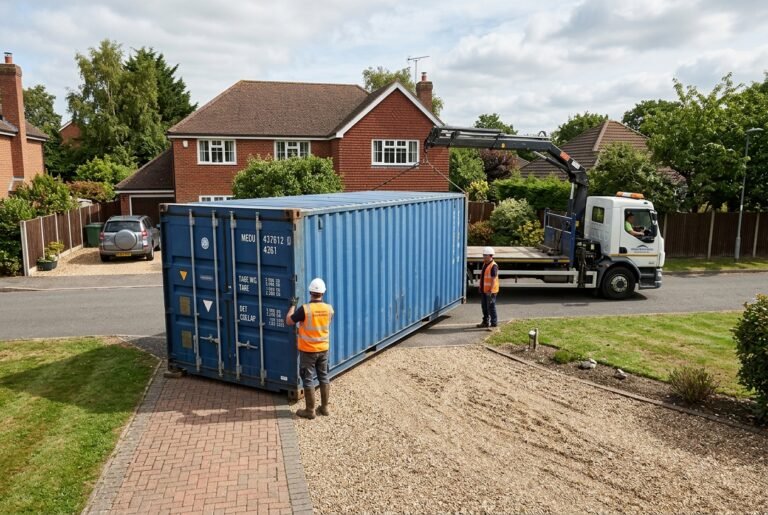
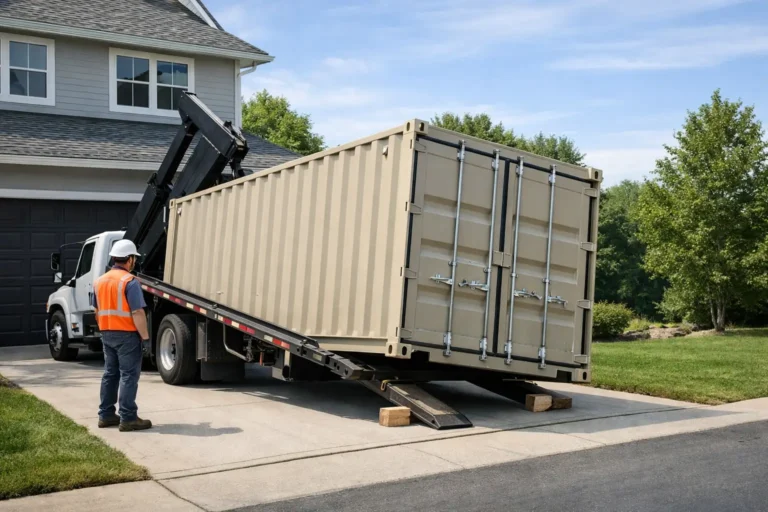
Delivery logistics are a real cost factor. A container shipped from a depot in Bedford Park to a site in Naperville is a very different job than one headed to a rural property near Kankakee. Tilt-bed trucks need roughly 100 feet of straight-line clearance to drop a 40ft unit, and overhead obstructions like power lines or tree branches must clear at least 14 feet. Urban neighborhoods on the North Side or in areas like Logan Square often have tight alleys and restricted street access that complicate delivery. Buyers in those areas should request a site assessment before committing to a purchase.
Lease Lane Containers, based in Raleigh, North Carolina, provides container delivery planning support nationwide, including guidance on turning radius, overhead clearance, and site prep for Chicago-area deliveries. Getting these details right before the truck arrives saves time and money.
Top 40ft Shipping Container Options in Chicago
Not every buyer needs the same container. The right choice depends on your budget, how long you plan to use it, and what you’re storing or building inside it. Here’s how the market breaks down by tier.
Budget-Friendly: Wind and Watertight Grade
Price range: $2,200 to $3,000
These containers show visible wear – surface rust, dents, patched panels, and older door gaskets. They’re structurally sound and keep weather out, but they won’t pass international shipping certification. Best for on-site storage of tools, equipment, seasonal inventory, or agricultural supplies. If you’re a farmer in DeKalb County or a landscaping company storing mowers over winter, this grade gets the job done at the lowest cost.
Inspection tip: Check floor condition carefully. Plywood flooring in older containers can show water damage or soft spots. Press firmly in corners and along edges near the door threshold.
Mid-Range: Cargo Worthy Grade
Price range: $2,800 to $4,200
Cargo worthy containers meet the standards required for international ocean transport. They’ve been inspected and certified, with intact door seals, functional locking mechanisms, and no structural holes. This is the most popular grade for Chicago-area small businesses, retail operators using containers for pop-up shops, and contractors who want a unit that looks presentable on a job site.
For buyers comparing grades, Lease Lane Containers offers container buying guidance that walks through the differences between cargo worthy, wind and watertight, and one-trip units so you can match condition to your actual use case.
Premium: One-Trip Containers
Price range: $4,800 to $7,500
A one-trip container has made a single voyage from the overseas manufacturer (typically China) to the U.S. These units look nearly new: minimal cosmetic wear, fresh paint, factory-installed door seals, and clean marine-grade plywood flooring. They’re the right choice for container offices, retail conversions, or any project where appearance and long-term durability matter. High cube shipping containers in one-trip condition are especially popular for workspace builds because the extra foot of ceiling height (9’6″ total) makes a noticeable difference in comfort.
Chicago-specific note: One-trip inventory in the Midwest tends to be more limited than at coastal ports. Ordering 4 to 6 weeks ahead of your project timeline is a smart move if you need a specific configuration.
How to Choose the Right 40ft Shipping Container in Chicago
Buying a shipping container is straightforward if you know what to check. Most problems come from skipping basic due diligence or not planning for delivery logistics. Here’s a practical decision framework.
Verify the Seller’s Credentials
Illinois does not require a special license to sell shipping containers, which means the barrier to entry for sellers is low. Look for companies that provide clear container grading information, transparent pricing, and documented delivery terms. Ask for photos of the specific unit you’re purchasing, not stock images. If a seller can’t provide unit-specific photos or a container number, that’s a red flag.
Ask the Right Questions Before You Buy
These five questions will save you from the most common mistakes:
- What is the exact grade of this container, and has it been inspected recently?
- Can you provide photos of all four sides, the interior, the roof, and the door seals?
- What is the delivery method (tilt-bed, roll-off, or chassis), and what site clearance do I need?
- Are there any additional fees beyond the listed price (delivery surcharges, fuel costs, drop fees)?
- What is your return or dispute policy if the container arrives in different condition than described?
Red Flags to Watch For
Prices that fall significantly below market range often signal containers with undisclosed damage. A 40ft unit listed at $1,500 in “great condition” should raise immediate questions. Also watch for sellers who won’t let you inspect before purchase, refuse to provide a container number, or list vague condition descriptions like “good shape” without specifying an industry-standard grade.
Site Preparation Matters
Before your container arrives, confirm that your placement site has a level surface, adequate drainage, and enough clearance for the delivery vehicle. A gravel pad at least 42 feet long and 10 feet wide is the standard recommendation for a 40ft unit. Concrete piers or railroad ties work well as a foundation to keep the container off direct ground contact, which prevents moisture damage to the undercarriage over time.
For Chicago properties with clay-heavy soil, common across much of Cook and Will counties, drainage planning is especially important. Standing water around the base of a container accelerates corrosion on the bottom rails.
Chicago 40ft Shipping Container Market in 2026
The container market in Chicago heading into 2026 reflects several converging trends that buyers should understand before making a purchase.
Pricing Trends
Steel prices have stabilized compared to the volatility of 2021-2023, but they remain above pre-pandemic levels. Used 40ft containers in Chicago are running about 10-15% higher than they were in 2019, while one-trip containers have seen smaller increases due to steady manufacturing output from overseas. The practical effect for buyers: budget $200 to $500 more than you might have expected based on older price guides.
Seasonal Demand Patterns
Chicago’s container market follows a predictable seasonal curve. Demand picks up in March and April as construction season begins and peaks through September. Winter months (November through February) typically offer the best pricing and fastest availability because fewer buyers are active. If your project timeline allows flexibility, purchasing in Q4 or Q1 can save you 8-12% compared to summer pricing.
Regulatory Considerations
The City of Chicago requires permits for containers placed on residential property for more than 30 days. Unincorporated areas of Cook County and many suburban municipalities have their own zoning rules. DuPage County, for example, generally restricts containers in residential zones unless they’re associated with active construction permits. Always check with your local planning department before placing a container. The Cook County Department of Building and Zoning can be reached at (312) 603-0500 for questions about unincorporated areas.
How Chicago Compares to the Rest of Illinois
Chicago’s container pricing runs 5-10% lower than downstate markets like Springfield or Champaign, primarily because of proximity to intermodal depots. Delivery costs also tend to be lower within the metro area. Buyers in central or southern Illinois often find it cost-effective to source from Chicago-area depots even with the added delivery distance.
Chicago 40ft Shipping Container FAQ
How much does a 40ft shipping container cost in Chicago?
Expect to pay between $2,200 and $3,200 for a wind and watertight unit, $2,800 to $4,200 for cargo worthy, and $4,800 to $7,500 for a one-trip container. Delivery within the Chicagoland metro area typically adds $250 to $600 depending on distance from the depot and site accessibility. Deliveries to locations outside the metro, such as Rockford or Joliet, may carry higher transport fees.
Do I need a permit to place a shipping container on my property in Chicago?
Yes, in most cases. The City of Chicago requires a permit for containers on residential lots that stay beyond 30 days. Commercial properties may have different requirements depending on zoning classification. Suburban municipalities set their own rules. Call your local building department before purchasing to avoid fines or forced removal.
How long does delivery take?
Most Chicago-area deliveries from regional depots take 5 to 15 business days from order confirmation. Availability of the specific grade and configuration you want affects timing. One-trip containers or high cube shipping containers may require longer lead times if local depot stock is limited.
What’s the difference between cargo worthy and wind and watertight?
Cargo worthy means the container has been inspected and certified for international ocean shipping. Wind and watertight means the container keeps weather out but hasn’t been certified for transport. For on-site storage, wind and watertight is often sufficient. For projects where condition and appearance matter, cargo worthy or one-trip is the better investment. Lease Lane Containers provides transparent grading guidance to help buyers understand exactly what each grade includes.
Can I modify a 40ft container into an office or workspace?
Absolutely. A 40ft container provides 320 square feet of floor space in standard height and more usable volume in a high cube configuration. Common modifications include insulation, electrical wiring, HVAC installation, windows, and roll-up doors. One-trip containers are the preferred starting point for modification projects because they offer the cleanest structure and longest remaining lifespan.
What foundation do I need for a 40ft container?
A level gravel pad is the most common and cost-effective foundation. For permanent installations, concrete piers placed at the four corners and midpoints provide excellent support and keep the container elevated for airflow and drainage. Avoid placing containers directly on bare soil, especially in areas with high moisture or clay content.
Get 40ft Shipping Container in Chicago Today
If you’ve read this far, you have a solid understanding of what the Chicago container market looks like in 2026, what grades are available, and what to watch for during the buying process. The next step is straightforward: define your use case, set your budget, and start comparing specific units.
Have your site dimensions, delivery address, and access details ready before you contact a supplier. Knowing whether your site can accommodate a tilt-bed truck (which needs roughly 100 feet of straight clearance) or requires a chassis drop will speed up the quoting process and prevent delivery-day surprises.
Lease Lane Containers works with buyers across the country, including the Chicago metro area, to match the right container to the right project. Whether you need a wind and watertight unit for equipment storage or a one-trip high cube for a workspace conversion, the process starts with understanding your options. Browse available inventory to compare sizes, grades, and pricing, or contact us directly for help planning your purchase and delivery.
Final Checklist
Before you commit to a 40ft shipping container purchase in Chicago, run through these steps:
- Confirm your local zoning and permit requirements by calling your municipality’s building department.
- Measure your delivery site for length (minimum 42 feet), width (minimum 10 feet), and overhead clearance (minimum 14 feet).
- Determine whether your access road or driveway can accommodate a tilt-bed or roll-off delivery truck with a 100-foot turning clearance.
- Prepare a level foundation: gravel pad, concrete piers, or railroad ties.
- Decide on your container grade based on use case: wind and watertight for basic storage, cargo worthy for certified condition, one-trip for modifications or long-term use.
- Request unit-specific photos showing all four exterior walls, the interior, roof, and door seals before purchasing.
- Get a written quote that includes the container price, delivery fee, and any additional charges.
- Plan for drainage around the container base, especially on clay-heavy Chicago-area soil.
- If modifying, confirm your container is a one-trip or high-grade cargo worthy unit before investing in electrical, insulation, or HVAC work.
- Schedule delivery during Q4 or Q1 if your timeline is flexible to take advantage of lower seasonal pricing.