High Cube Container vs Standard: Which Should You Buy
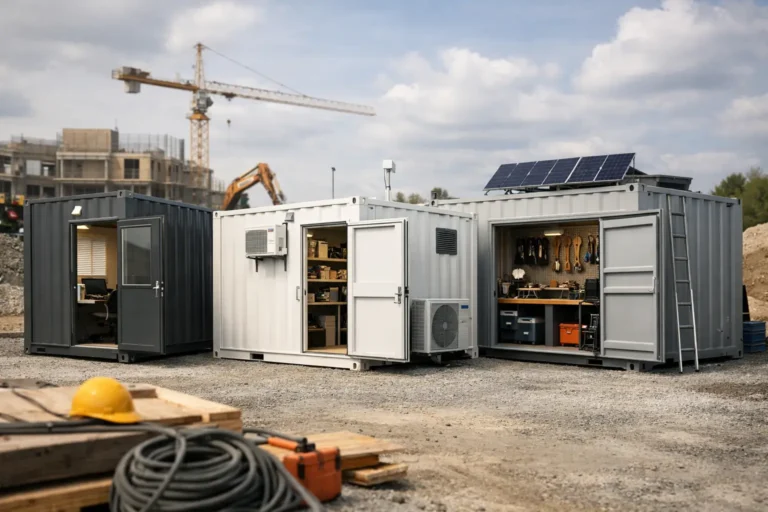
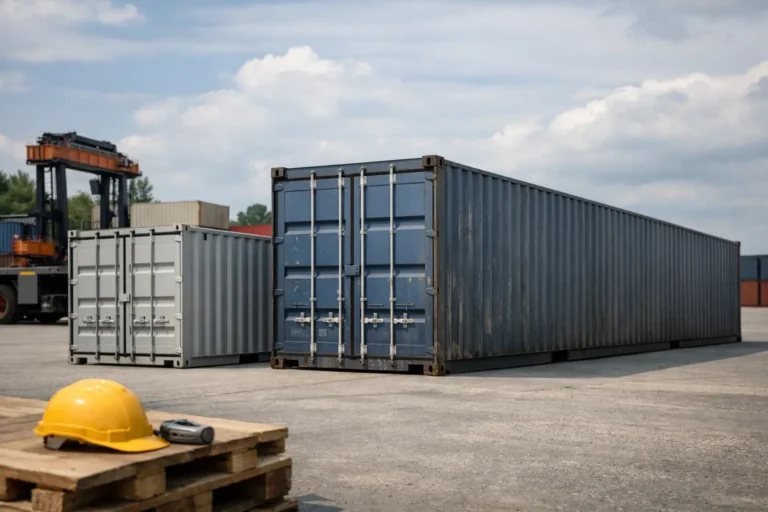
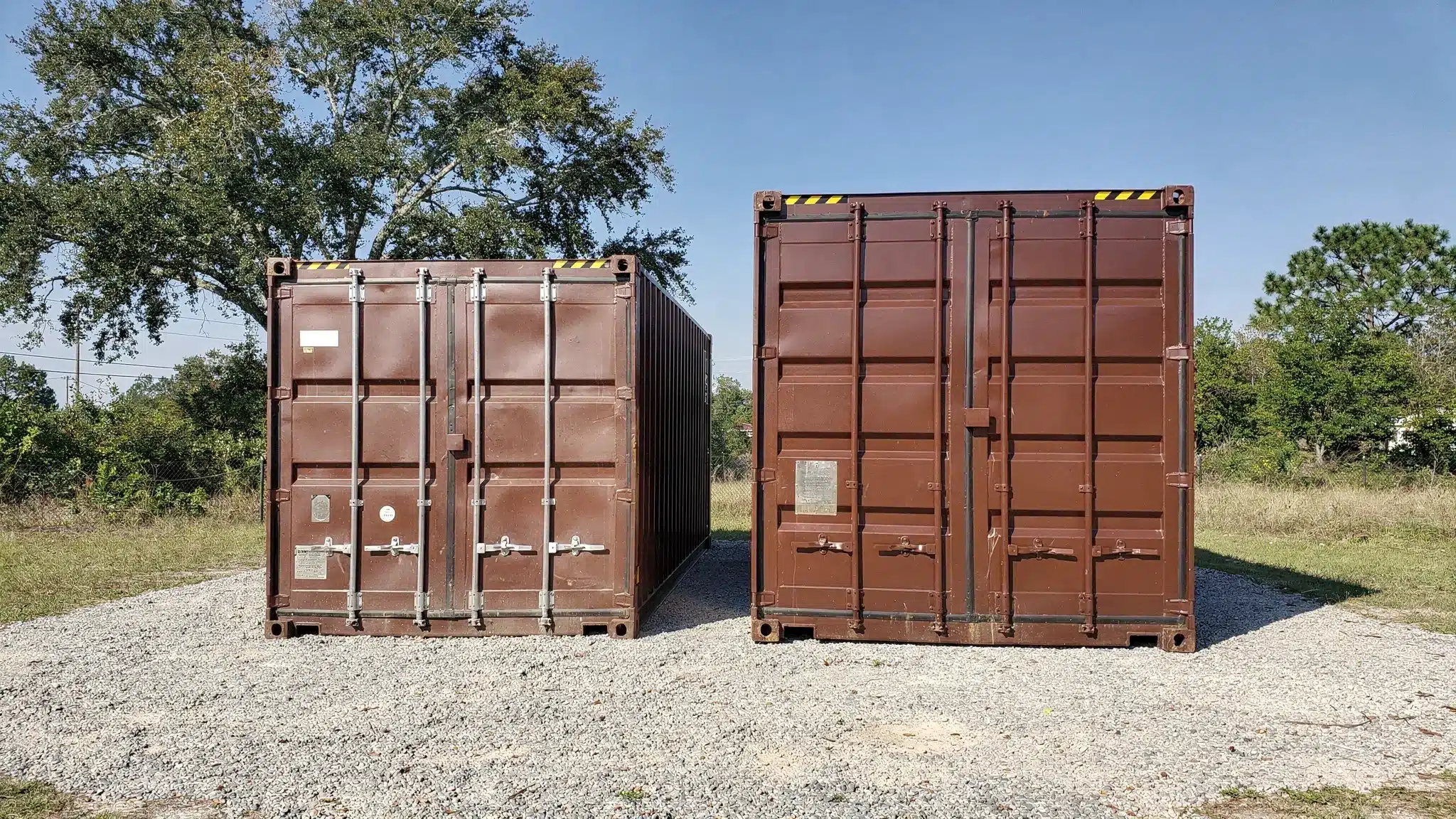
A standard shipping container and a High Cube container can look almost identical from the ground, especially when they are both 20ft or 40ft long. The difference is vertical: a standard ISO container is typically 8 ft 6 in tall outside, while a High Cube is typically 9 ft 6 in tall outside. That extra foot can be the difference between simple storage and a container that works well for pallet racking, jobsite materials, mobile offices, workshops, and modular builds.
For buyers in Raleigh, across North Carolina, and throughout the Southeast, the right choice depends on more than height. You also need to consider container grade, delivery clearance, total delivered cost, and how the unit will be used over the next several years.
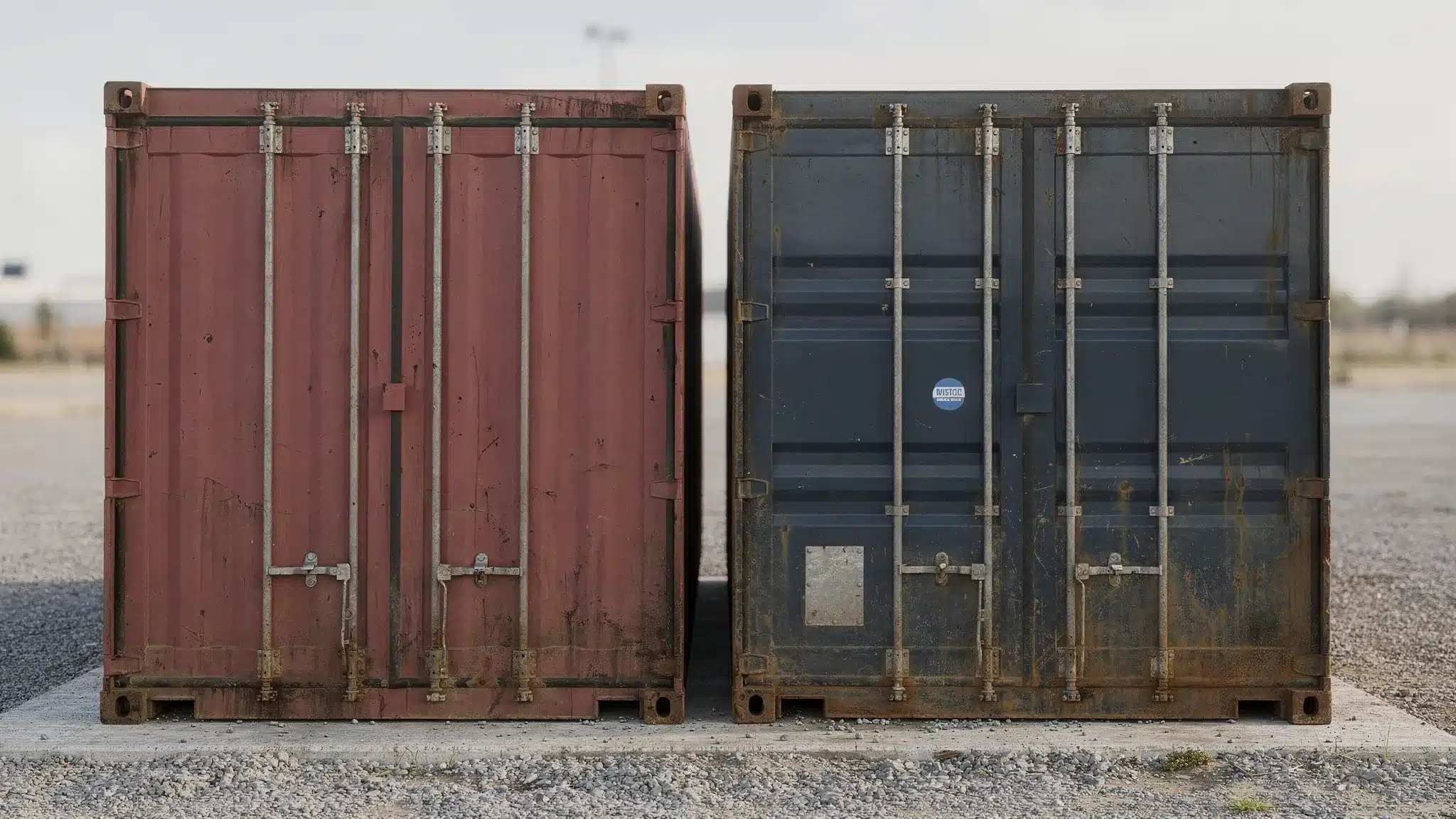
Quick Answer: Standard Works for Basic Storage, High Cube Wins for Space and Conversions
If you only need secure ground-level storage for tools, household items, farm supplies, or general inventory, a standard container is often the most cost-effective choice. It is widely available, easy to place, and usually costs less than the same length in High Cube.
If you need comfortable headroom, tall equipment storage, stacked inventory, shelving, insulation, HVAC, interior framing, or a container-based office or build, a High Cube container is usually worth the premium. The footprint is the same, but the added cubic capacity gives you more usable space without requiring a larger pad.
For most buyers comparing a 40ft standard unit against a 40ft High Cube, the High Cube is the better long-term value when the site can handle the extra height. For small properties, tight driveways, or low overhead clearance, standard height may be the safer choice.
Standard vs High Cube Container Dimensions
Shipping containers are built around ISO standards, including the standardized corner castings that allow containers to be lifted, stacked, secured, and transported by intermodal equipment. Both standard and High Cube units are typically built with corrugated Corten Steel, a weathering steel designed to withstand harsh marine and outdoor environments.
The key dimensional difference is height. Width and length are generally the same within each size class.
| Container type | Typical exterior dimensions | Typical interior height | Approx. cubic capacity | Best fit |
|---|---|---|---|---|
| 20ft standard | 20 ft L x 8 ft W x 8 ft 6 in H | About 7 ft 10 in | About 1,170 cu ft | Compact storage, residential sites, tools |
| 20ft High Cube | 20 ft L x 8 ft W x 9 ft 6 in H | About 8 ft 10 in | About 1,320 cu ft | Taller storage in a small footprint, less common |
| 40ft standard | 40 ft L x 8 ft W x 8 ft 6 in H | About 7 ft 10 in | About 2,390 cu ft | Large storage, jobsite materials, inventory |
| 40ft High Cube | 40 ft L x 8 ft W x 9 ft 6 in H | About 8 ft 10 in | About 2,700 cu ft | Conversions, pallet racking, bulky storage |
Exact measurements vary slightly by manufacturer, floor thickness, door design, and container type. Refrigerated containers, also called reefers, have less usable interior room because insulation and refrigeration machinery take up space. If your project depends on exact clearance, verify the unit’s spec sheet or measured interior dimensions before purchase.
For a deeper look at the 40ft option, see Lease Lane Containers’ guide to 40ft High Cube container dimensions.
What the Extra Foot Actually Changes
One foot of height sounds small until you start using the container every day. In a standard container, the interior height is commonly around 7 ft 10 in. That is enough for most storage, but it can feel tight once you add lights, insulation, ceiling panels, shelving, or HVAC.
A High Cube container typically gives you about 8 ft 10 in of interior height. That extra clearance supports better workflow, especially when people will walk inside frequently or when you want to use vertical storage.
High Cube containers are especially useful for:
- Pallet racks, shelving, and stacked inventory
- Tall tools, scaffolding, pipe, conduit, ladders, and jobsite materials
- Mobile offices, workshops, studios, and container cabins
- Insulated builds where framing reduces interior space
- Retail pop-ups and customer-facing modular spaces
- Equipment storage where height matters more than floor area
For general contractors in Raleigh and the Research Triangle, High Cube containers often make sense when a jobsite needs organized vertical storage. For home builders, developers, and small business owners, the added headroom can make a modified container feel far less cramped.
When a Standard Container Is the Better Buy
A standard container remains the right choice for many buyers. If you are storing low-profile items, standard units deliver excellent value. They are common in both 20ft and 40ft sizes, and you may have more grade and condition options available in the used market.
A standard container is usually the better choice when:
- Your site has limited overhead clearance from trees, power lines, building eaves, or gates
- You need the lowest total delivered cost
- You are using the unit for static storage rather than human occupancy
- You do not need tall shelving, racking, or insulation
- You want easier availability in Wind and Watertight or Cargo Worthy used grades
Homeowners, farmers, and small contractors often choose standard units for lawn equipment, household overflow, feed storage, seasonal business inventory, and tools. A 20ft standard container is particularly useful when the delivery area is tight. If you are comparing smaller units, review this 20ft shipping container price guide to understand how condition, delivery, and modifications affect total cost.
When a High Cube Container Is Worth It
A High Cube container is worth buying when the additional height improves the way you will use the unit. The value is not just cubic footage. It is flexibility.
For storage, the extra height may allow taller shelving, which can reduce clutter and make inventory easier to access. For construction sites, it can help store ladders, panels, insulation bundles, tall equipment, and long materials without awkward stacking. For small businesses, it can turn a single container into a more efficient overflow warehouse.
For conversions, High Cube is often the preferred starting point. Once you add insulation, framing, electrical, flooring, and ceiling finish, a standard container can lose enough interior height to feel compressed. A High Cube starts with more headroom, giving designers and builders more room to work while still staying inside the same 8 ft exterior width.
That is why High Cube units are popular for container offices, retail pop-ups, tiny-home shells, workshops, farm workspaces, and modular construction. If your project is customer-facing or occupied, consider a One-Trip High Cube for better cosmetics, cleaner floors, and longer expected service life.
Do Standard and High Cube Containers Use the Same Grades?
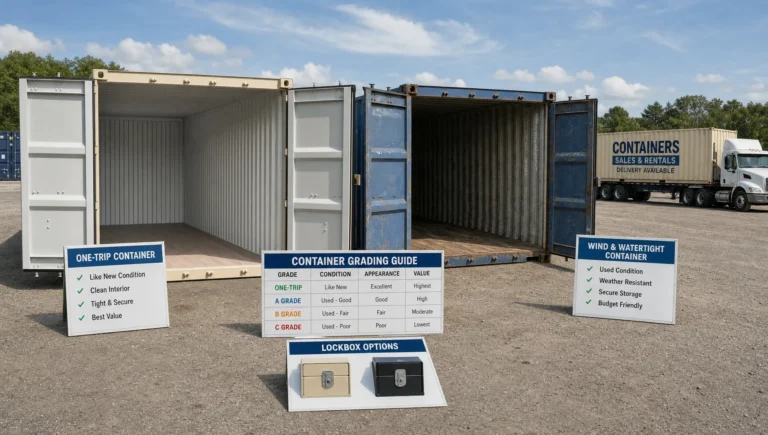
Yes, both standard and High Cube containers are commonly sold in the same core condition grades. Grade matters as much as size because it tells you what the container is suitable for.
| Grade | What it means | Best use |
|---|---|---|
| One-Trip | A container that has typically made one loaded voyage from the factory and is close to new condition, with minor handling marks possible | Premium storage, modifications, offices, retail, long service life |
| Cargo Worthy, or CW | A used container that is structurally suitable for cargo transport and may have a valid CSC inspection when required | Export, intermodal use, stacked storage, higher-value storage |
| Wind and Watertight, or WWT | A used container that keeps out wind and rain but is not necessarily certified for ocean cargo | Static storage, farms, jobsites, household and business overflow |
| As-Is | A lower-grade unit with unknown or disclosed defects | Only for buyers prepared to repair or use for noncritical purposes |
A One-Trip High Cube is usually the premium choice for modifications and clean visible projects. A Cargo Worthy High Cube may be the right fit for logistics managers or buyers who need structural integrity for transport. A Wind and Watertight standard or High Cube unit can be excellent for ground storage, provided doors, gaskets, roof, floor, and walls are properly inspected.
If you are shopping for used containers, start with the grade definitions in Used Shipping Container Grades Explained before comparing quotes. A low price is only useful if the grade matches your intended use.
Cost: High Cube vs Standard
High Cube containers usually cost more than standard containers of the same length and grade. The premium comes from added steel, higher demand for modifications, and sometimes tighter regional availability. In the Raleigh market, availability can shift based on port flows, inland depot inventory, construction demand, and fuel costs across the Southeast.
However, the lowest purchase price is not always the best deal. Think in terms of total value.
A standard container may be the lower-cost choice if your items fit comfortably and the container will sit as basic storage. A High Cube may be the better value if it prevents you from needing a second unit, reduces modification compromises, or lets you use shelving more effectively.
When comparing quotes, make sure each quote includes the same variables:
- Size, such as 20ft, 40ft, or 40ft High Cube
- Grade, such as One-Trip, Cargo Worthy, or WWT
- Delivery distance and unloading method
- Door orientation and placement expectations
- Taxes, surcharges, and any site-related fees
- Photos or inspection details of the actual or representative unit
For larger projects, Lease Lane Containers’ shipping container buyers guide can help you compare total delivered cost, not just the sticker price.
Delivery Considerations in Raleigh and the Southeast
The extra height of a High Cube container affects delivery planning. A High Cube is 9 ft 6 in tall before it is placed on a truck or trailer. During delivery, especially with a tilt-bed trailer, the container can temporarily require more overhead clearance as it slides down into position.
That matters in Raleigh neighborhoods with mature trees, tight driveways, sloped lots, overhead utility lines, and HOA-controlled access points. It also matters on farms and construction sites where the ground may be soft after heavy rain, a common issue across North Carolina and the Southeast.
If your route includes low branches, power lines, narrow gates, steep grades, tight turns, or soft shoulders, a standard container may be easier to deliver. If you still want a High Cube, you may need additional site planning, trimming, a different drop location, or a specialized delivery method.
For more detail, review Lease Lane Containers’ guide to shipping container delivery requirements.
Pro-Tip: Prepare the Pad Before You Decide on Height
Before choosing between High Cube and standard, confirm where the container will sit and how the truck will access the drop spot. A container that is not level can twist slightly, which may cause the cargo doors to bind. This is true for both standard and High Cube units, but it becomes more noticeable when a container is modified, used frequently, or placed on soft ground.
For most Raleigh-area properties, a compacted gravel pad with good drainage is a practical foundation for storage containers. Concrete pads, concrete piers, and properly placed blocks can also work when designed for the load. The goal is to support the corner castings, keep the unit level, and prevent standing water beneath the Corten Steel frame.
Check local requirements before delivery. Permits and zoning rules can vary by municipality, county, HOA, property use, and whether the container is temporary storage or part of a permanent structure. In Raleigh, Wake County, and surrounding communities, it is smart to confirm placement rules before scheduling delivery.
Also call 811 before digging or preparing a pad if excavation, grading, trenching, or utility work is involved. A little preparation can prevent failed delivery, damage, drainage issues, and expensive rework.
Best Choice by Use Case
The simplest way to choose is to match the container to the work it must perform.
| Use case | Best choice | Why |
|---|---|---|
| Basic jobsite tool storage | Standard WWT or CW | Cost-effective, secure, widely available |
| Contractor storage with racks and tall materials | High Cube WWT, CW, or One-Trip | Better vertical organization and easier access |
| Export or intermodal shipping | Cargo Worthy standard or High Cube | Must meet cargo and documentation requirements |
| Mobile office or workshop | One-Trip High Cube | More headroom after insulation and finish-out |
| Household storage | Standard 20ft or 40ft WWT | Good value for static storage |
| Retail pop-up or customer-facing build | One-Trip High Cube | Cleaner appearance and better interior feel |
| Farm equipment and supplies | Standard or High Cube WWT | Choose High Cube if equipment height requires it |
| Refrigerated storage | Reefer sized to load and power needs | Interior space differs due to insulation and machinery |
For buyers looking at 40ft containers, the High Cube version is often the most versatile if your site can accept it. For tighter residential spaces, a 20ft standard unit may be more practical.
Final Recommendation
Buy a standard container if you need reliable, secure, cost-effective storage and your items do not require extra height. It is the practical choice for many homeowners, farms, contractors, and small businesses.
Buy a High Cube container if you want better vertical capacity, a more comfortable interior, or a stronger starting point for modification. The extra foot of height is especially valuable for offices, workshops, modular projects, pallet racking, and bulky materials.
The best purchase is the one that matches four things: size, grade, site access, and intended use. A 40ft High Cube One-Trip unit may be perfect for a premium build, while a 20ft standard WWT unit may be the smarter choice for simple backyard storage. Focus on the total delivered solution, not just the container price.
Frequently Asked Questions
Is a High Cube container always better than a standard container? Not always. A High Cube container offers more height and flexibility, but a standard container may be cheaper, easier to deliver, and fully adequate for basic storage.
How much taller is a High Cube container? A High Cube container is typically 9 ft 6 in tall outside, which is one foot taller than a standard container at 8 ft 6 in outside.
Are High Cube containers built to ISO standards? Yes, High Cube containers are built around ISO container standards, including standardized corner castings, but exact specifications can vary by manufacturer and container type.
Can I get a High Cube container in Cargo Worthy or Wind and Watertight condition? Yes. High Cube units are commonly available as One-Trip, Cargo Worthy, and Wind and Watertight containers, depending on market inventory and location.
Is a High Cube container better for a container office? Usually, yes. The added height helps offset the space lost to insulation, ceiling finishes, lights, flooring, and HVAC, making the office feel more comfortable.
Can a High Cube container be delivered to a residential property in Raleigh? Often, yes, but you need to confirm overhead clearance, driveway access, turning room, ground stability, and any local zoning or HOA requirements before delivery.
Talk With a Local Container Team Before You Buy
If you are deciding between a standard container and a High Cube container, Lease Lane Containers LLC can help you compare sizes, grades, delivery access, and site preparation requirements before you commit. Our Raleigh-based team supports buyers across North Carolina, the Southeast, and nationwide with clean shipping containers, transparent grading, and practical delivery guidance.
For help choosing the right unit, contact the sales team at sales@leaselanecontainers.com or visit the Raleigh office to talk through your project with a local container specialist.