Best Refrigerated Shipping Container Guide
Cold storage problems usually show up after the container is delivered. The unit is too large for the site, the power setup is wrong, or the condition grade was described loosely and now you are paying to fix doors, flooring, or refrigeration components. If you are trying to choose the best refrigerated shipping container, the right answer depends less on brand labels and more on verified specs, operating conditions, and how the container will actually be used.
For a contractor, that might mean protecting temperature-sensitive materials on a live job site. For an agricultural operator, it could mean preserving produce during peak harvest. For a retail or logistics team, it may be temporary overflow with strict temperature control. The container itself matters, but so do the refrigeration unit, insulation performance, delivery access, and whether the seller is clear about condition from the start.
What makes the best refrigerated shipping container?
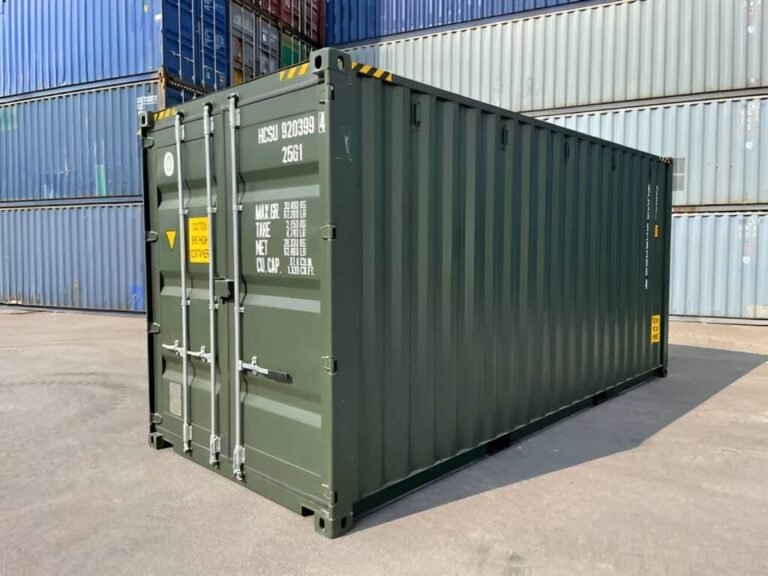
A refrigerated shipping container, often called a reefer, is not just a standard box with a cooling unit attached. It is a temperature-controlled steel container with insulated walls, an integrated refrigeration system, and a floor design that allows air to circulate under cargo. The best unit is the one that holds temperature consistently, matches your available power, and arrives in a condition grade that fits your budget and risk tolerance.
That means the buying decision usually comes down to five things: size, condition, temperature range, power requirements, and delivery setup. If one of those is off, the container may still work, but it will not feel like the best choice once operating costs and downtime start adding up.
Best refrigerated shipping container sizes for common use cases
For most buyers, the practical choice starts with 20-foot or 40-foot reefers. A 20-foot reefer works well when site space is tight or when you need cold storage close to loading areas. It is often a strong fit for smaller farms, restaurants, medical overflow, and construction sites where maneuverability matters.
A 40-foot reefer gives you more capacity and is usually the better value per cubic foot if you have consistent volume to store. It is common for food distributors, larger agricultural operations, and businesses that need overflow inventory space during seasonal demand.
High-cube refrigerated units can make sense when vertical clearance matters, but they are not automatically better. Taller containers provide more internal volume, yet they also require enough site access and unloading equipment to use that space efficiently. If your pallets, racks, or material handling process do not benefit from the extra height, standard reefer dimensions may be the cleaner solution.
20-foot reefer vs. 40-foot reefer
A 20-foot unit is easier to place and often easier to power at smaller sites. A 40-foot unit reduces the need for multiple containers but demands more room for delivery and placement. If access roads are narrow, overhead clearance is limited, or you need a ground-level drop in a constrained area, that delivery detail can outweigh storage capacity.
Condition matters more than many buyers expect
If you are comparing options, this is where a lot of confusion starts. The best refrigerated shipping container is not always the newest one. It is the one with a condition grade and refrigeration performance that match your use case.
A one-trip reefer is generally the closest thing to new in the container market. It has typically made a single cargo journey after manufacture. These units usually offer the cleanest appearance, longer remaining service life, and fewer cosmetic issues. They are a strong option for commercial settings, retail applications, or any project where presentation and reduced maintenance risk matter.
Used refrigerated containers can still be a smart buy, especially for stationary storage. But used does not mean all units are equal. Buyers should ask whether the unit has been tested, whether the refrigeration system is operating correctly, and how the container body has been graded. Terms like Wind & Watertight and Cargo Worthy help describe structural condition, but with reefers you also need clarity on the machinery side, not just the shell.
Refurbished reefers sit in the middle. In some cases, they offer a better value than either extreme because visible wear has been addressed and key components have been serviced. The trade-off is that refurbishment quality varies by seller, so documentation matters.
The refrigeration unit is the real decision point
A reefer container is only as useful as its ability to maintain the target temperature under real operating conditions. That is why a buyer should focus on pull-down performance, temperature consistency, controller functionality, and service history.
Some users need deep-freeze capability. Others only need a stable chilled environment for produce, beverages, flowers, or specialty materials. Buying more refrigeration capacity than you need can raise costs without adding practical value. On the other hand, buying a marginal unit for a demanding application can create spoilage risk and emergency repair costs.
Ask whether the unit has been pre-trip inspected or tested prior to sale. Confirm the operating temperature range and whether the seller can verify that the system reaches and maintains setpoint. If the answer is vague, treat that as a warning sign.
Fresh storage vs. frozen storage
Not every reefer application is the same. Fresh produce storage usually depends on steady cooling and airflow management. Frozen storage puts more pressure on the unit and may require tighter attention to door openings, loading practices, and ambient outdoor temperatures. The best refrigerated shipping container for frozen goods may not be the same one you would choose for short-term beverage cooling or floral inventory.
Power requirements can make or break the purchase
This is one of the most common issues for first-time reefer buyers. Standard dry containers do not need external power to function as storage. Reefers do. Before delivery, you need to know the unit’s electrical requirements and make sure your site is prepared for them.
Most refrigerated shipping containers require a dedicated power connection, often 460V three-phase in commercial settings, though converter options and modified setups exist in some cases. The exact requirement depends on the unit. What matters is confirming compatibility before the container is on your property.
For job sites, farms, and rural properties, this step deserves extra attention. If electrical infrastructure is limited, your best option may be a specific reefer model, a planned power upgrade, or a different storage strategy altogether. Clear pricing should include realistic expectations about setup, not just the container itself.
Site preparation and delivery are part of choosing the best refrigerated shipping container
A reefer can be mechanically sound and still become a bad purchase if the delivery plan is wrong. These containers are heavy, and refrigerated units often weigh more than standard dry containers because of insulation and machinery. The ground needs to be level and capable of supporting the load. You also need enough clearance for the truck, trailer, and placement method.
Tilt-Bed and Ground-Level delivery can simplify placement, but only if the site allows the truck room to operate safely. Tight turns, soft ground, low tree branches, and overhead wires are common problems. For buyers who want zero surprises, delivery planning should be handled with the same care as the equipment specs.
This is where working with an experienced container provider matters. A seller that asks detailed site questions is usually trying to prevent expensive mistakes, not slow down the sale.
When the best refrigerated shipping container is not the cheapest one
Price matters, but reefer value is about total operating cost. A lower-priced used unit can be the right choice for noncritical storage if the machinery has been tested and the structure is sound. But if downtime would interrupt operations, damage inventory, or create emergency replacement costs, spending more on a cleaner one-trip or well-documented refurbished unit often makes sense.
The same logic applies to appearance. A homeowner or retail operator may care more about exterior condition than a back-lot industrial user. That is not cosmetic vanity. It is simply choosing a container that fits the property, the brand, and the long-term plan.
If you are comparing quotes, look beyond base price. Ask what condition standard is being used, whether the reefer unit has been inspected, what delivery includes, and whether there are any access or placement assumptions built into the quote. No fine print and no surprises should be the standard here.
How to narrow your decision quickly
If you need a practical filter, start with use case. Are you storing frozen product, chilled inventory, or temperature-sensitive materials? Then match the container size to actual volume, not future guesswork. After that, confirm power availability and delivery access before you look too closely at cosmetic condition.
Finally, choose the grade that fits your risk tolerance. For visible commercial use or mission-critical storage, a one-trip reefer is often worth the premium. For more budget-sensitive stationary use, a tested used or refurbished reefer may be the better buy. Neither is universally best. The right fit depends on how much performance certainty you need on day one.
For buyers who want verified specifications and direct answers about condition, sizing, and delivery, Lease Lane Containers provides refrigerated container options with a practical, no-surprises approach.
A refrigerated container should solve a temperature-control problem, not create a delivery, power, or maintenance problem. The best choice is the one that fits your site, your product, and your tolerance for risk before the truck ever leaves the yard.