Best Used Shipping Containers for Sale in Raleigh, NC
Buying a used shipping container in Raleigh, NC, is one of the most practical investments a property owner, contractor, or small business can make. Whether you need secure job site storage, a backyard workshop, or overflow inventory space, a pre-owned steel container delivers serious value at a fraction of what new construction costs. But not every container is the same, and not every seller is upfront about condition, pricing, or delivery logistics. The Raleigh market has its own quirks: proximity to the Port of Wilmington, strong demand from the Triangle’s construction boom, and local zoning rules that vary by municipality. This guide walks you through the sizes, grades, use cases, inspection tips, and delivery details you need to make a confident purchase. If you’ve been searching for used shipping containers for sale in Raleigh, NC, the information below will help you avoid costly mistakes and find the right fit for your project.
Table of Contents
- Navigating the Raleigh Shipping Container Market
- Why Raleigh is a Hub for Quality Used Containers
- Common Container Sizes and Dimensions Available in North Carolina
- Standard 20ft vs. 40ft Units
- High Cube Options for Extra Vertical Space
- Understanding Used Container Condition Categories
- Wind and Watertight (WWT) vs. Cargo Worthy (CW)
- As-Is Containers for Budget Projects
- Local Use Cases for Raleigh Businesses and Homeowners
- Secure On-Site Storage for Construction and Retail
- Residential Workshops and Backyard Conversions
- Key Factors When Inspecting a Container in Person
- Delivery Logistics and Site Preparation in the Triangle Area
- Ground Requirements and Clearance Needs
- Permitting and Zoning Regulations in Wake County
- Finding Reliable Local Suppliers and Pricing Trends
Navigating the Raleigh Shipping Container Market
Raleigh sits in a sweet spot for container buyers. The city is close enough to major port infrastructure that transport costs stay reasonable, yet far enough inland that containers aren’t priced at coastal premiums. The Triangle area’s rapid growth in residential construction, retail development, and small business expansion has created steady demand for affordable, portable storage solutions. That demand means more inventory cycles through the region, giving buyers better selection than you’d find in smaller markets.
Pricing for used containers in the Raleigh area typically ranges from $1,500 to $4,500 depending on size, condition grade, and current supply. A standard 20-foot wind and watertight unit often sits around $1,800 to $2,500, while a 40-foot container in cargo worthy condition can run $2,800 to $4,200. These figures shift with steel prices and seasonal demand, so checking current inventory regularly is a smart move.
Why Raleigh is a Hub for Quality Used Containers
Raleigh benefits from its position along major freight corridors, including I-40 and I-95. Containers that finish their ocean shipping life cycle frequently get repositioned through inland depots in North Carolina. This means local buyers can often find units that have only completed a handful of international voyages before being retired from active cargo service.
The city’s booming construction industry also plays a role. General contractors, electrical subcontractors, and landscaping companies regularly buy and resell containers as projects wrap up. This secondary market keeps a healthy supply of inspected, graded units available year-round. Lease Lane Containers, a Raleigh-based supplier, maintains inventory across multiple grades specifically to serve Triangle-area buyers who need reliable containers without long lead times.
Common Container Sizes and Dimensions Available in North Carolina
Choosing the right container size is the first real decision you’ll face. Most buyers narrow it down to two standard options, though specialty sizes exist for specific applications.
Standard 20ft vs. 40ft Units
A 20-foot shipping container measures roughly 20 feet long, 8 feet wide, and 8 feet 6 inches tall on the exterior. Interior dimensions come in slightly smaller: about 19 feet 4 inches long, 7 feet 8 inches wide, and 7 feet 10 inches tall. This gives you approximately 1,170 cubic feet of storage space, which is enough for a one-bedroom apartment’s worth of furniture or a solid inventory of tools and materials.
A 40-foot unit doubles the length to roughly 40 feet exterior, with the same 8-foot width and 8-foot-6-inch height. You get about 2,390 cubic feet of interior space. For construction companies storing large equipment or retailers managing seasonal inventory overflow, the 40-foot container is usually the better value per square foot.
High Cube Options for Extra Vertical Space
High cube shipping containers add an extra foot of height, standing 9 feet 6 inches tall on the exterior instead of the standard 8 feet 6 inches. That additional 12 inches of vertical clearance matters more than you might expect. If you’re planning a container office conversion, a workshop, or any space where people will stand and move around, the high cube option makes the interior feel significantly less cramped.
The trade-off is weight and delivery clearance. High cube units weigh slightly more and sit taller on a delivery truck, which can create issues with low-hanging power lines or tree branches along your delivery route. Always confirm overhead clearance before ordering a high cube.
Understanding Used Container Condition Categories
Container grading isn’t standardized by a single governing body, but the industry follows widely accepted categories. Knowing the differences saves you from overpaying or buying a container that doesn’t match your needs.
Wind and Watertight (WWT) vs. Cargo Worthy (CW)
A wind and watertight container does exactly what the name says: it keeps wind and water out. The doors seal properly, the roof doesn’t leak, and the walls have no holes. Cosmetically, a WWT unit will show surface rust, dents, and scuff marks from years of service. It won’t pass an international shipping inspection, but for stationary storage on your property or job site, it performs well.
A cargo worthy container meets a higher standard. It has been inspected and certified for international ocean transport, meaning the structural steel, door hardware, floor integrity, and weatherproofing all pass specific criteria. CW containers cost more, but they’re the right choice if you need a unit that could potentially be resold into the shipping market later or if you want better overall structural condition.
As-Is Containers for Budget Projects
As-is containers are sold without any condition guarantee. They might have minor rust-through spots, damaged door gaskets, or floor patches. For buyers on a tight budget who plan to modify the container anyway, an as-is unit can be a smart purchase. If you’re cutting out wall sections for windows or welding on additional doors, paying a premium for cosmetic condition doesn’t make sense.
The key is inspecting the structural frame. Rust on wall panels is fixable. Rust on the corner castings or bottom rails is a serious structural concern. Always check the corner posts and cross members before committing to an as-is purchase.
Local Use Cases for Raleigh Businesses and Homeowners
The Triangle area’s mix of urban growth and surrounding rural properties creates diverse demand for shipping containers. Here are the most common applications local buyers pursue.
Secure On-Site Storage for Construction and Retail
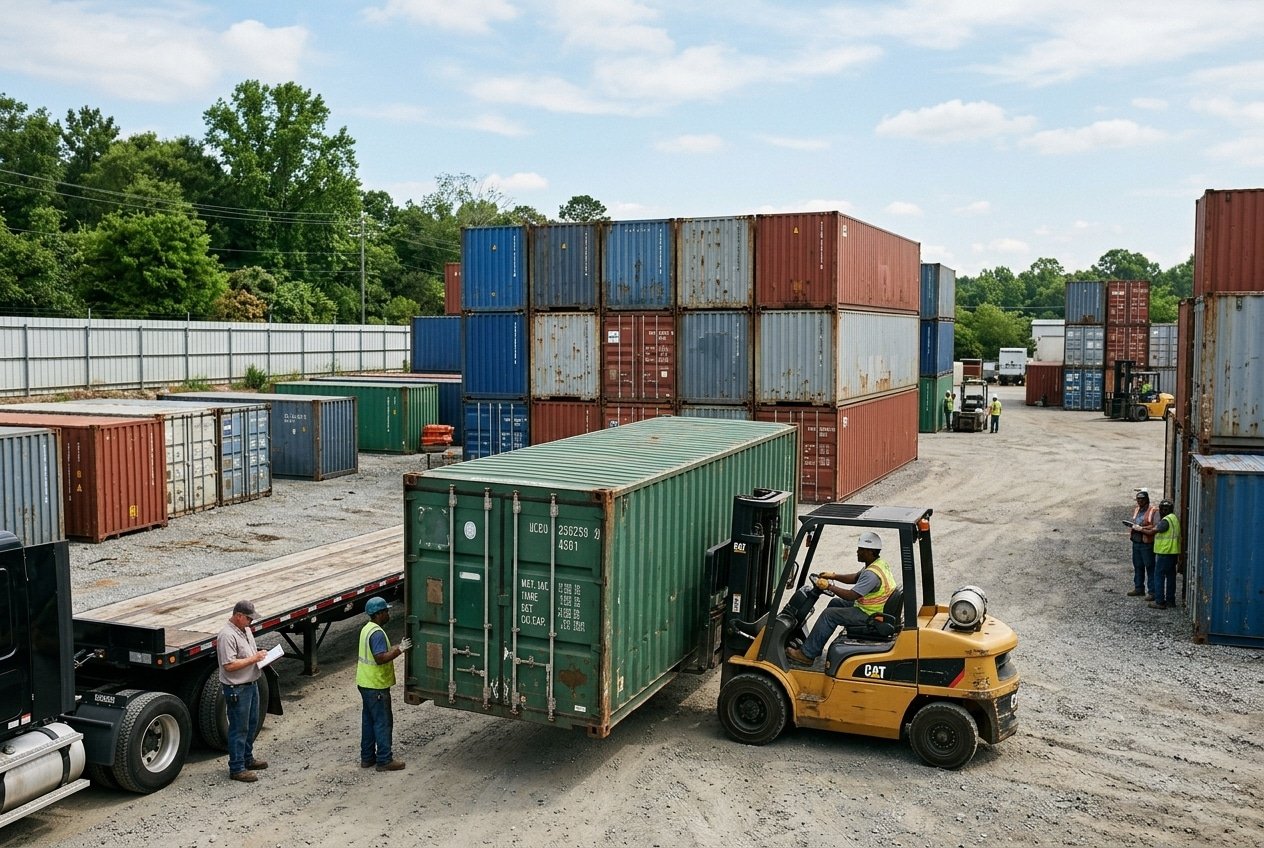
Construction contractors across Wake County use containers as lockable tool and material storage on active job sites. A 20-foot container with a lockbox-protected door handle resists break-in attempts far better than a portable shed or trailer. Retail businesses, particularly those along Capital Boulevard and in growing areas like North Hills, use containers for seasonal inventory overflow during peak months.
Restaurants and event venues in downtown Raleigh have also started using containers as dry storage for tables, chairs, and equipment. The steel construction keeps pests out and handles North Carolina’s humid summers without the mold issues that plague wooden sheds.
Residential Workshops and Backyard Conversions
Homeowners in Raleigh’s suburban neighborhoods are increasingly converting containers into workshops, home offices, and hobby spaces. A 20-foot high cube unit provides enough room for a woodworking bench, tool storage, and a small finishing area. Some homeowners insulate the interior with closed-cell spray foam and add a mini-split HVAC system, creating a climate-controlled workspace for under $10,000 total, including the container.
Backyard art studios, podcast recording rooms, and home gyms are other popular conversions. The container’s steel shell provides natural sound dampening, and the compact footprint fits most residential lots without requiring a variance.
Key Factors When Inspecting a Container in Person
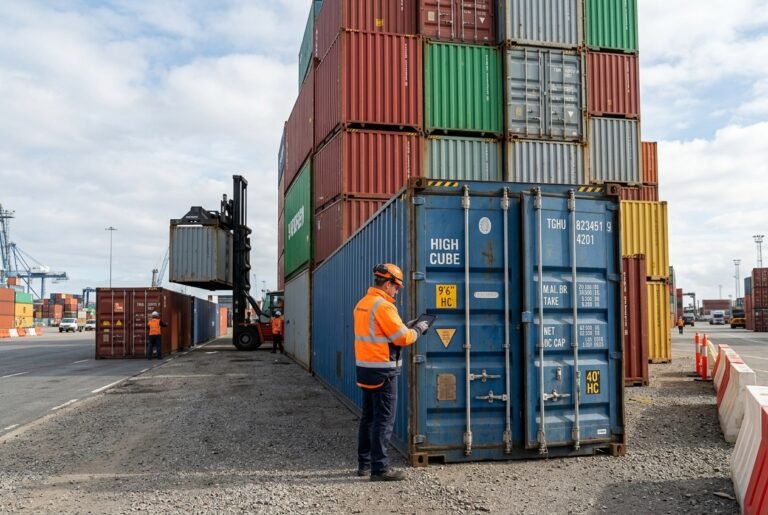
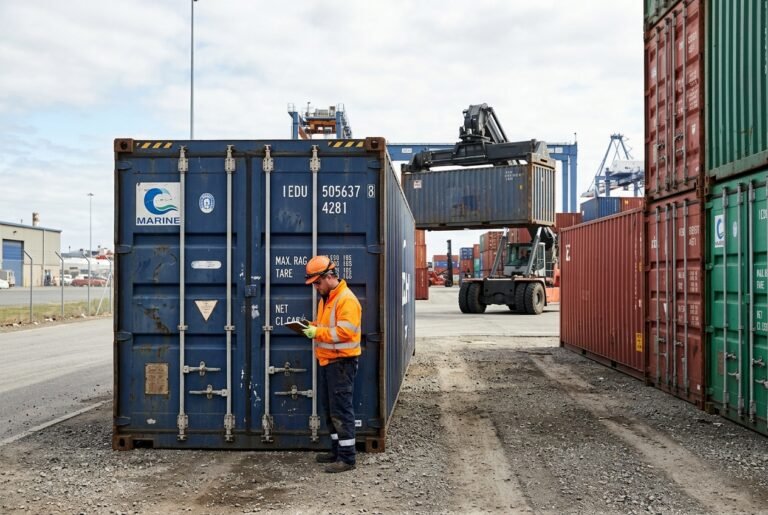
If you can visit a container yard before buying, a hands-on inspection is worth your time. Bring a flashlight and spend 15 to 20 minutes checking these areas:
- Floor condition: Step inside and walk the entire length. Soft spots or excessive bounce indicate rotted plywood subflooring. Check for patches that might hide deeper damage.
- Door operation: Open and close both doors fully. They should swing freely and latch securely. Stiff or misaligned doors suggest frame damage or twisted corner castings.
- Roof integrity: Look up from inside with the doors closed. Any pinpoints of light mean rust-through holes. Run your hand along the roof corrugations near the edges where water pools.
- Corner castings and rails: These are the structural skeleton. Surface rust on wall panels is cosmetic, but corrosion on the bottom side rails or corner posts compromises the container’s ability to be safely lifted and transported.
- Gaskets and seals: Check the rubber door gaskets for cracking or compression. Worn gaskets let moisture in and are a common source of interior condensation and mold.
Lease Lane Containers provides transparent grading guidance on every unit, so you know what you’re getting before delivery. But if you’re buying from any supplier, these inspection points apply universally.
Delivery Logistics and Site Preparation in the Triangle Area
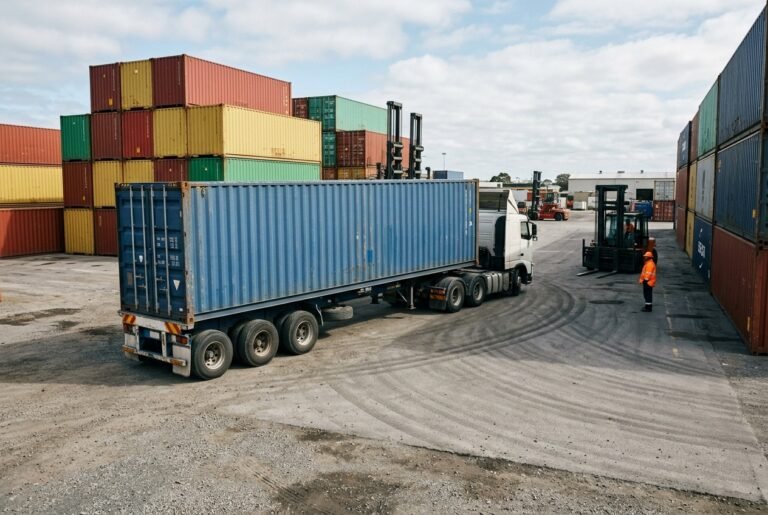
Getting a container to your property involves more planning than most first-time buyers expect. A standard delivery uses a tilt-bed truck that needs a straight, level approach to your placement spot.
The truck and container together can measure 65 to 70 feet long. That means tight residential streets, cul-de-sacs, and driveways with sharp turns can be challenging. If your property is off a narrow road in areas like Wendell, Knightdale, or Fuquay-Varina, measure the access route carefully. Overhead power lines, tree limbs, and mailboxes along the path all need clearance.
Ground Requirements and Clearance Needs
Your placement surface should be level, firm, and well-drained. Gravel pads work well. Bare dirt can work temporarily, but containers sitting directly on soil tend to sink unevenly over time, especially during North Carolina’s rainy spring months. Concrete pads or railroad tie foundations are the most durable options for permanent placement.
The truck needs roughly 100 feet of straight clearance behind the container’s final position to slide it off the tilt bed. If that’s not possible, a crane delivery is the alternative, though it adds $500 to $1,500 depending on the crane size required. Lease Lane Containers offers delivery planning support to help you measure access, check overhead clearance, and choose the right delivery method before the truck rolls out.
Permitting and Zoning Regulations in Wake County
Wake County and the City of Raleigh treat shipping containers differently depending on their intended use and location. For temporary storage on an active construction site, containers typically fall under the job site’s existing permit and don’t require a separate approval.
Permanent residential placement is where things get more specific. Raleigh’s Unified Development Ordinance (UDO) addresses accessory structures, and a container used as a permanent storage building or converted workspace may need a building permit. Setback requirements, lot coverage limits, and HOA covenants can all affect whether and where you can place a container on your property.
Call the Raleigh Development Services office or your local municipal planning department before purchasing. A 10-minute phone call can save you from buying a container you can’t legally place. If you’re in an unincorporated area of Wake County, the rules differ from those within Raleigh city limits, so confirm which jurisdiction applies to your property.
Finding Reliable Local Suppliers and Pricing Trends
The best approach to finding quality used shipping containers for sale in the Raleigh area is to work with a supplier who can show you current inventory with clear grading, photos, and pricing. Avoid sellers who list containers without specifying the exact condition grade or who won’t let you inspect before purchase.
Pricing trends in 2024 and into 2025 have stabilized after the volatility of the pandemic years. Steel prices have settled, and container availability has improved as global shipping patterns normalized. Expect to pay a premium during spring and early summer when construction activity peaks and demand for job site storage spikes.
Get quotes from at least two suppliers, and compare not just the container price but the total delivered cost. A container listed $200 cheaper but with a $600 higher delivery fee isn’t actually a better deal. Ask about delivery timelines, payment terms, and whether the supplier handles site access planning.
Lease Lane Containers keeps updated inventory you can browse online to compare sizes, grades, and pricing before requesting a quote. Their Raleigh-based team can walk you through grade differences, help you match a container to your specific project, and plan delivery logistics for your site. If you’re ready to move forward or just want to see what’s available, checking their current stock is a practical first step toward getting the right container at the right price.