Cargo Worthy vs. Wind and Watertight Containers: Which to Buy?
Table of Contents
- Table of Contents
- Understanding Container Grading Standards
- Defining Wind and Watertight (WWT) Units
- Defining Cargo Worthy (CW) Certification
- Structural Integrity and Inspection Criteria
- CSC Plate Requirements for International Shipping
- Common Cosmetic vs. Structural Defects
- Key Differences in Durability and Lifespan
- Best Use Cases for Each Container Grade
- When WWT is Sufficient for Ground Storage
- Why CW is Essential for Export and Modifications
- Price Comparison and Value Analysis
- Factors to Consider Before Finalizing Your Purchase
- Delivery Logistics and Site Preparation
- Verifying Seller Reputation and Guarantees
- Final Checklist
Table of Contents
- Understanding Container Grading Standards
- Defining Wind and Watertight (WWT) Units
- Defining Cargo Worthy (CW) Certification
- Structural Integrity and Inspection Criteria
- CSC Plate Requirements for International Shipping
- Common Cosmetic vs. Structural Defects
- Key Differences in Durability and Lifespan
- Best Use Cases for Each Container Grade
- When WWT is Sufficient for Ground Storage
- Why CW is Essential for Export and Modifications
- Price Comparison and Value Analysis
- Factors to Consider Before Finalizing Your Purchase
- Delivery Logistics and Site Preparation
- Verifying Seller Reputation and Guarantees
Choosing between a cargo worthy and a wind and watertight container is one of the most common decisions buyers face, and getting it wrong can cost you hundreds of dollars or leave you with a unit that doesn’t meet your needs. The distinction between these two grades isn’t just about cosmetic appearance: it determines whether your container can legally travel overseas, how long it will hold up on your property, and whether it passes inspection for modification projects. Most buyers shopping for a used shipping container will encounter both grades, and the right choice depends entirely on how you plan to use it. Whether you’re a contractor storing tools on a job site, a farmer looking for equipment shelter, or a small business owner managing inventory overflow, the grade you pick matters more than the price tag alone. This guide breaks down the real-world differences so you can make a confident, informed purchase.
Understanding Container Grading Standards
The shipping container industry uses a grading system to communicate the condition and usability of used units. These grades aren’t arbitrary marketing labels: they reflect specific physical criteria that affect how a container performs over time. The three most common grades you’ll encounter are One-Trip (sometimes called “new”), Cargo Worthy (CW), and Wind and Watertight (WWT). One-Trip containers have made a single voyage from the factory, typically in China, to the United States. They show minimal wear and carry the highest price. The other two grades, CW and WWT, represent different tiers of the used container market, and understanding what separates them is essential before you spend a dollar.
A container’s grade tells you two things: its current structural condition and what it’s certified to do. A unit graded for ocean transport meets a higher bar than one rated only to keep weather out. Sellers who explain these grades clearly, like the team at Lease Lane Containers in Raleigh, help buyers avoid the common mistake of overpaying for features they don’t need or underpaying for a unit that won’t hold up.
Defining Wind and Watertight (WWT) Units
A wind and watertight container does exactly what the name says: it keeps wind and water from entering the interior. That’s the standard, and it’s the minimum threshold for a container that still functions as enclosed storage. WWT units have typically been in service for 12 to 20 years or more. They show visible signs of use, including surface rust, dents, scratched paint, and worn door gaskets that may have been replaced.
The critical point is what WWT does not guarantee. A WWT container has not been inspected or certified for ocean transport. Its CSC (Convention for Safe Containers) plate may be expired. Floor boards might show wear. Corner castings could have minor damage that wouldn’t pass a depot inspection. None of that disqualifies it from sitting on your property and keeping your belongings dry, but it does mean the container has limits.
WWT containers are visually inspected by the seller, not by an accredited surveyor. The seller confirms the unit doesn’t leak and that the doors open and close properly. That’s a meaningful assurance for ground-level storage, but it’s a long way from a structural certification.
Defining Cargo Worthy (CW) Certification
A cargo worthy container has passed a formal inspection by a certified surveyor, typically someone accredited by IICL (Institute of International Container Lessors) or a recognized classification society. This inspection verifies that the container meets the structural standards required for international ocean freight. The surveyor checks wall panels, floor integrity, corner castings, door operation, locking mechanisms, and the overall frame for signs of fatigue or damage.
When a container earns CW certification, it receives a valid CSC plate with a current inspection date. This plate is the container’s passport: without it, no shipping line will accept the unit for transport. The inspection also confirms that the container can safely bear stacked loads, which matters because containers on a vessel may have four or five other units stacked on top of them during transit.
CW containers are generally younger or in better structural shape than WWT units. They may still show cosmetic wear, including surface rust, minor dents, and faded paint. The difference is that a qualified third party has confirmed the unit’s structural soundness, not just its ability to keep rain out.
Structural Integrity and Inspection Criteria
The gap between CW and WWT grades comes down to what gets inspected and who does the inspecting. A WWT rating is typically a visual check performed by the seller or depot staff. A CW rating involves a documented, standardized inspection by an independent surveyor. That distinction has real consequences for buyers who need a container that performs under stress, whether that stress comes from ocean swells, stacking weight, or years of sitting on uneven ground.
Structural integrity isn’t just about whether the walls look solid. It includes the condition of cross members under the floor, the alignment of corner posts, the integrity of welds at stress points, and the function of the locking bar mechanism. A container can appear fine from the outside and still have corroded floor supports that would fail under a heavy load.
CSC Plate Requirements for International Shipping
Every shipping container built for intermodal transport carries a CSC plate, a metal tag riveted to the door end of the unit. This plate lists the container’s maximum gross weight, tare weight, stacking capacity, and the date of its last inspection. Under the Convention for Safe Containers (an international treaty), a container must have a valid CSC plate to be loaded onto a vessel.
CSC plates require renewal through periodic inspection. The first re-examination is due within five years of manufacture, and subsequent inspections follow on a schedule determined by the inspection program: typically every 30 months under the Approved Continuous Examination Program (ACEP) or at fixed intervals. If the plate has lapsed, the container cannot legally ship overseas until it passes a new survey.
For buyers who only need ground storage, an expired CSC plate is not a dealbreaker. But if there’s any chance you’ll need to export goods or relocate the container by sea, a current CSC plate is non-negotiable. This is the single biggest functional difference between CW and WWT grades.
Common Cosmetic vs. Structural Defects
Not every dent or rust spot means a container is compromised. Learning to tell the difference between cosmetic and structural issues saves buyers from both overpaying for perfection and overlooking real problems.
Cosmetic defects include:
- Surface rust on exterior panels that hasn’t penetrated the steel
- Minor dents (less than 1 inch deep) on wall panels
- Scratched or faded paint
- Small patches of floor wear that don’t affect load-bearing capacity
- Sticker residue or old shipping labels
Structural defects that disqualify a container from CW certification include:
- Holes or perforations in wall panels, roof, or floor
- Cracked or bent corner castings
- Corroded cross members beneath the floor
- Damaged or misaligned door hinges that prevent proper sealing
- Warped or cracked header beams above the door opening
- Welds that show cracking or separation at stress joints
A good rule of thumb: if you can push a screwdriver through a rust spot, that’s structural. If the rust wipes off or sits only on the surface, it’s cosmetic. Inspecting the underside of the container is just as important as looking at the walls: floor cross members are a common failure point on older units.
Key Differences in Durability and Lifespan
A CW container will generally outlast a WWT unit, but the margin depends on the specific container and how it’s maintained. CW units have been verified to meet structural minimums, which means their steel is in better overall condition at the time of purchase. A WWT container might have 15 good years of ground storage left, or it might develop a roof leak within two years if corrosion is already progressing in hidden areas.
The average shipping container is built from COR-TEN steel (also called weathering steel), which forms a protective oxide layer that slows further corrosion. A standard 20ft shipping container has a tare weight of approximately 2,300 kg (about 5,070 lbs), with wall panels typically 1.6 mm thick and roof panels around 2.0 mm thick. When that steel loses 30% or more of its thickness to corrosion, the panel’s structural contribution drops significantly.
Expect a CW container purchased today to serve reliably for 10 to 15 years in ground storage with basic maintenance. WWT containers typically offer 5 to 10 years of dependable service, though some last longer with proper care. Maintenance in either case means keeping the roof clear of standing water, touching up rust spots with marine-grade paint, lubricating door hinges and gaskets annually, and ensuring the container sits on a level surface with adequate drainage. Budget roughly $100 to $200 per year for basic upkeep on either grade.
Resale value also differs. A CW container retains roughly 40% to 60% of its purchase price after five years of use, depending on condition and market demand. WWT units depreciate faster because they start from a lower baseline and are harder to recertify. If you plan to sell the container after a few years, CW offers a better return.
Best Use Cases for Each Container Grade
The right grade depends on what you’re doing with the container. Overspending on a CW unit for basic backyard storage wastes money. Underspending on a WWT unit that you need to ship overseas wastes even more.
When WWT is Sufficient for Ground Storage
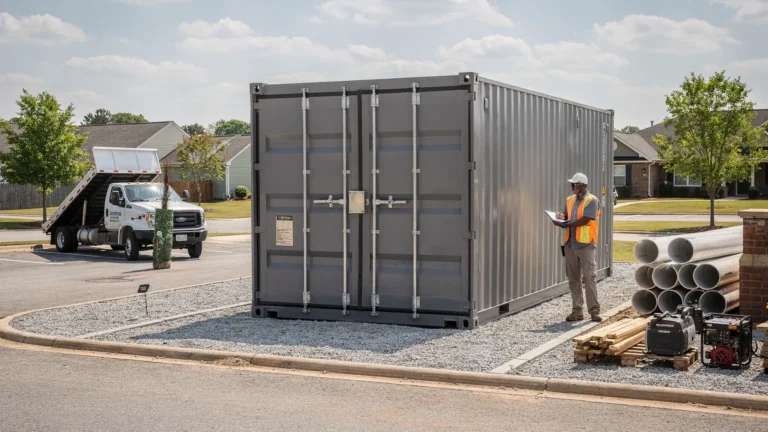
WWT containers are a smart, cost-effective choice for stationary applications where the container stays on your property and doesn’t need to meet transport regulations. Common WWT use cases include:
- Backyard storage for seasonal items, lawn equipment, or household overflow
- Farm equipment and feed storage on rural properties
- Job site tool and material storage for contractors
- Retail inventory overflow for small businesses
- Temporary storage during a home renovation or move
If the container will sit on a gravel pad or concrete surface and you just need dry, secure space, WWT delivers that at the lowest cost. Many buyers across North Carolina and the Southeast use WWT containers for exactly these purposes without any issues.
The 80% load rule applies here: avoid loading a container beyond 80% of its rated payload capacity, especially with older units where floor cross members may have some wear. For a standard 20ft WWT container with a payload capacity around 25,000 kg (55,000 lbs), that means keeping loads under 20,000 kg (44,000 lbs) as a practical safety margin.
Why CW is Essential for Export and Modifications
CW certification is required, not optional, in several scenarios:
- Exporting goods by ocean freight (shipping lines will reject units without a valid CSC plate)
- Container modification projects such as container offices, workshops, or pop-up retail spaces, where local building inspectors often require proof of structural soundness
- Stacking applications where containers are placed two or three high
- Any use where the container will be lifted, transported by crane, or repositioned frequently
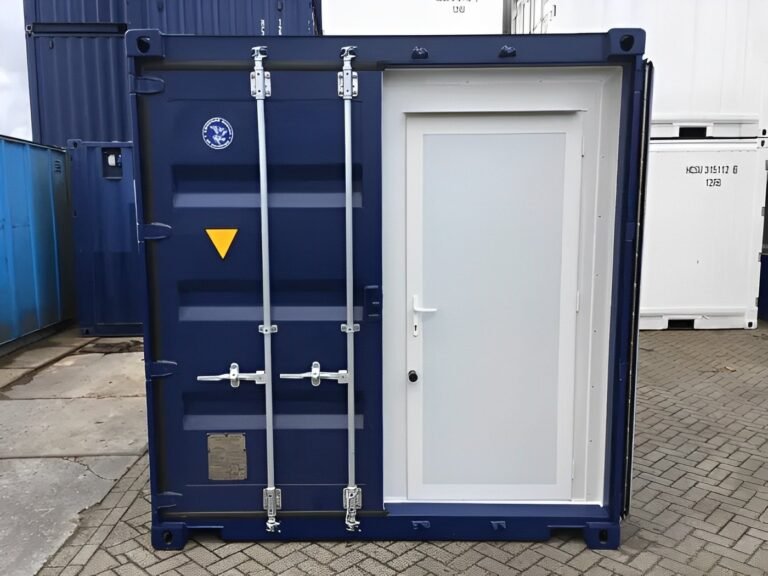
Modification projects deserve special attention. If you’re cutting openings for windows, doors, or HVAC systems, you’re removing structural steel. Starting with a CW container ensures the remaining structure can handle the stress. A WWT container with marginal cross members or weakened corner posts can develop serious problems once you start cutting into it.
Lease Lane Containers regularly helps buyers match the right grade to their project requirements, whether that’s a simple storage setup or a more complex build-out that demands verified structural integrity.
Price Comparison and Value Analysis
Price differences between CW and WWT containers vary by market conditions, container age, and location, but here are realistic ranges for 2024-2025 in the U.S. market:
- 20ft WWT container: $1,400 to $2,200
- 20ft CW container: $1,800 to $2,800
- 40ft WWT container: $1,600 to $2,600
- 40ft CW container: $2,200 to $3,400
The CW premium typically runs $400 to $800 more than a comparable WWT unit. That premium buys you a certified inspection, a valid CSC plate, confirmed structural soundness, and generally better resale value. For buyers who need the container for export or modifications, that premium pays for itself immediately by avoiding recertification costs, which can run $200 to $400 for the survey alone, with no guarantee the container will pass.
For pure storage buyers, the math favors WWT in most cases. If you’re storing tools on a construction site for two years, the $500 you save on a WWT unit is real money. But if you’re investing $5,000 to $15,000 in modifications, spending an extra $600 on a CW starting point is cheap insurance against structural surprises.
Delivery costs are separate from the container price and typically range from $150 to $500 for local delivery, with longer distances costing more. These costs are the same regardless of grade, so they don’t change the CW vs. WWT calculus.
Factors to Consider Before Finalizing Your Purchase
Beyond the grade itself, several practical factors determine whether your container purchase goes smoothly or turns into an expensive headache.
Delivery Logistics and Site Preparation
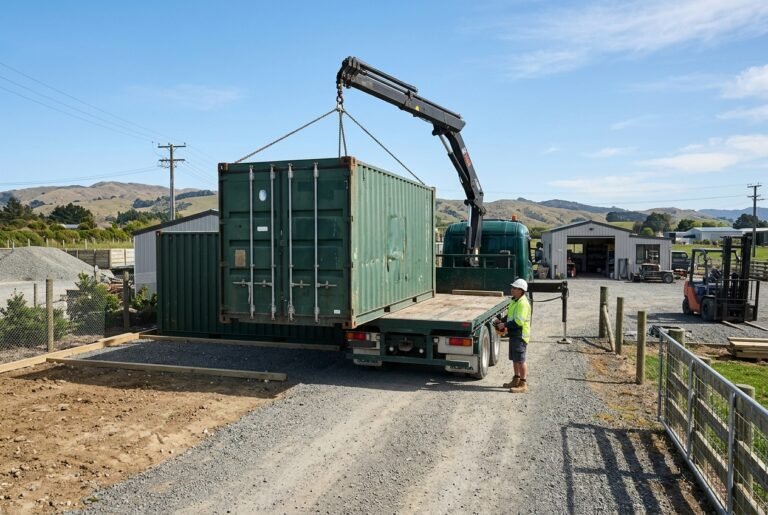
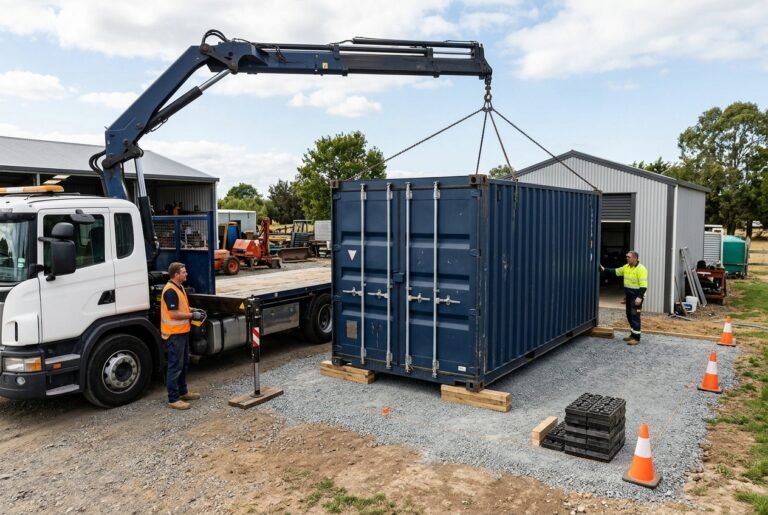
A shipping container delivery requires planning that many first-time buyers overlook. Standard delivery methods include tilt-bed trucks and roll-off trucks, each with different space requirements.
A tilt-bed truck needs approximately 100 feet of straight, level space to slide a 40ft container off the back. A roll-off truck needs less length but requires about 60 feet of clearance. Both need a minimum of 14 feet of overhead clearance to account for the raised container during unloading. Power lines, tree branches, and low-hanging structures are the most common obstacles.
Prepare your site before delivery day. A level gravel pad at least 4 inches deep is the most common foundation for ground storage. Concrete piers or railroad ties work well for keeping the container off direct soil contact, which slows underside corrosion. Ensure the ground is compacted and drains away from where the container will sit.
If you’re in the Raleigh area or anywhere in North Carolina, check with your local municipality about permits. Wake County, for example, may require a zoning permit for a container placed on residential property. A quick call to your local planning department can save you from fines or forced removal later.
Lease Lane Containers provides delivery planning support that covers access evaluation, turning radius requirements, overhead clearance checks, and placement guidance, helping buyers avoid common delivery problems before the truck arrives.
Verifying Seller Reputation and Guarantees
The used shipping container market includes reputable dealers and fly-by-night operators. Protecting yourself requires some due diligence.
Ask these questions before purchasing:
- Can you see photos of the actual container you’re buying, not stock images?
- Does the seller provide a written condition report or grade certification?
- For CW containers, is the CSC plate inspection date current?
- What is the return or dispute resolution policy if the container doesn’t match the described condition?
- Does the seller offer delivery, and do they handle placement logistics?
- How long has the seller been in business, and can they provide references?
Sellers who offer transparent grading guidance and explain the differences between container conditions are generally more trustworthy than those who use vague terms like “good condition” or “ready to use.” A reputable dealer will tell you exactly what grade you’re getting, what that grade means, and what it doesn’t cover.
Avoid buying sight-unseen from online marketplaces without a clear return policy. A container that looks fine in a wide-angle photo might have hidden floor damage or a roof patch that’s already failing. If you can’t inspect in person, work with a seller who provides detailed, recent photos of the specific unit, including interior shots and underside views.
Final Checklist
Before you commit to a purchase, run through these steps to make sure you’re choosing the right container at the right grade:
- Confirm your use case: ground storage only (WWT may be sufficient) or export, modification, or stacking (CW required)
- Verify the grade certification: ask for the CSC plate date on CW units and a written condition description on WWT units
- Inspect or request detailed photos of the specific container, including the interior, roof, underside, and door seals
- Measure your delivery site for access clearance: 100 feet for tilt-bed, 60 feet for roll-off, 14 feet overhead minimum
- Prepare your foundation: gravel pad, concrete piers, or railroad ties on compacted, well-drained ground
- Check local permit requirements with your city or county planning office
- Confirm the seller’s return policy and delivery terms in writing
Choosing between a cargo worthy and wind and watertight container doesn’t have to be complicated once you understand what each grade actually certifies. Match the grade to your intended use, verify the condition before you pay, and prepare your site before the truck shows up. If you’re ready to compare options, browse Lease Lane Containers’ current inventory to see available sizes, grades, and pricing. The Raleigh-based team can help you match the right container to your specific project and walk you through delivery planning so everything goes right the first time.