Container Cabin for Sale: What to Check First
A container cabin for sale can look like a fast, simple solution – until the real questions show up. Is it built from a one-trip unit or an older used container? Is the floor structurally sound? Can it actually be delivered to your site without extra crane fees, tree removal, or last-minute delays? Those details matter more than the photos.
For contractors, landowners, and small business operators, a container cabin usually needs to do real work. It may serve as a job-site office, secure storage with finished interior space, a hunting property retreat, a workshop, or the shell for a small modular build. In every case, the smart purchase is the one that balances condition, layout, and delivery logistics – not just the lowest advertised price.
When a container cabin for sale makes sense
Container cabins appeal to buyers for one reason above all: they start with a steel structure that is already built to handle transport, stacking, and weather exposure. A standard shipping container is made from Corten steel and built to ISO dimensions, which gives you a strong shell with predictable sizing and good long-term durability.
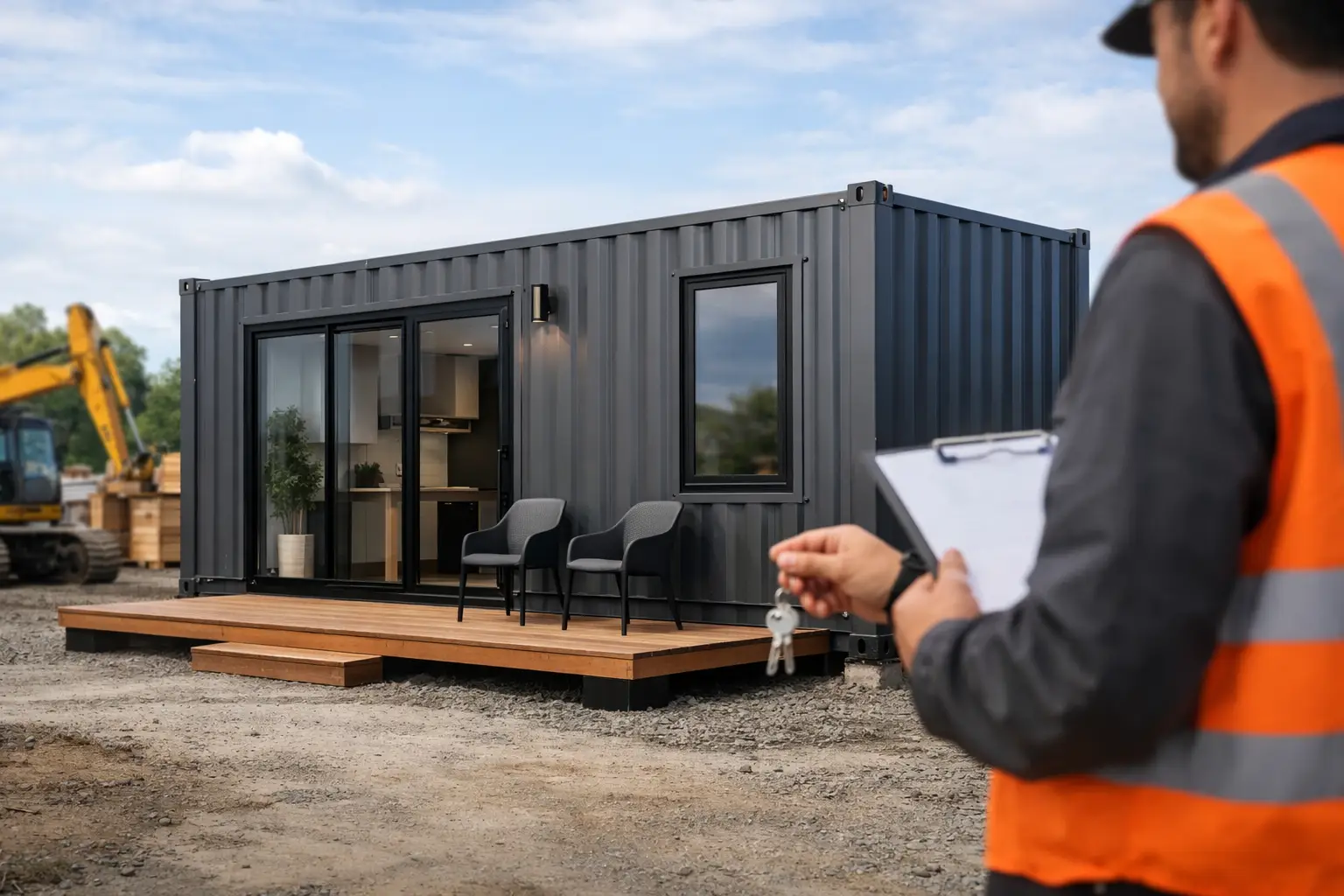
That said, not every buyer needs the same level of finish. A construction company may want a secure field office with basic electrical, insulation, and a personnel door. A rural homeowner may care more about clean exterior appearance, window placement, and whether the unit can later become a workshop or guest space. A retail operator may prioritize curb appeal, lighting, and a professional interior. The right cabin depends on use, and that should drive every buying decision that follows.
Start with the container itself, not the interior finishes
Interior paneling and fresh paint can hide a lot. Before looking at trim, cabinets, or flooring, verify the condition of the container shell. The structural shell is the expensive part to correct if something is wrong.
If the cabin is built from a one-trip container, that generally means it has made a single cargo journey after manufacture. These units usually have straighter walls, cleaner floors, and fewer corrosion concerns. They also tend to present better for customer-facing or residential use.
If it is built from a used container, ask how it was graded before modification. Terms like Wind and Watertight and Cargo Worthy are useful, but buyers should understand them clearly. Wind and Watertight means the container is suitable for ground-level storage and keeps out normal weather. Cargo Worthy usually indicates it meets a higher standard for structural integrity and may qualify for continued shipping use, subject to inspection. For a cabin build, the key question is whether the shell remains structurally sound after any cutouts for doors, windows, or HVAC penetrations.
A properly modified container cabin should have reinforced framing around openings. Cutting steel walls changes load paths. If windows and doors are added without proper reinforcement, you can end up with warping, binding doors, or weakness over time. That is not a cosmetic issue. It affects security, weather resistance, and long-term usability.
Size is not just about square footage
Most buyers start with either a 20-foot or 40-foot footprint. A 20-foot container cabin is easier to place on tighter sites and often works well for small offices, compact retreats, or storage-plus-workspace combinations. A 40-foot unit gives more layout flexibility, especially if you need separate zones for equipment, office use, or sleeping space.
High-cube containers add extra interior height, which can make a major difference in comfort. That additional foot of height helps with insulation, lighting, overhead shelving, and finished ceilings. If the cabin is meant for extended occupancy or customer-facing use, high-cube often feels less restrictive.
Still, larger is not always better. A 40-foot cabin may cost more to deliver, require more room for truck access, and create site challenges on narrow or sloped properties. For many buyers, the best size is the one that fits the property and the use case without forcing expensive site work.
Delivery can make or break the purchase
This is where many container cabin listings fall apart. A price may look competitive until delivery realities surface. A container cabin is not a parcel shipment. It requires equipment, access planning, and enough space for placement.
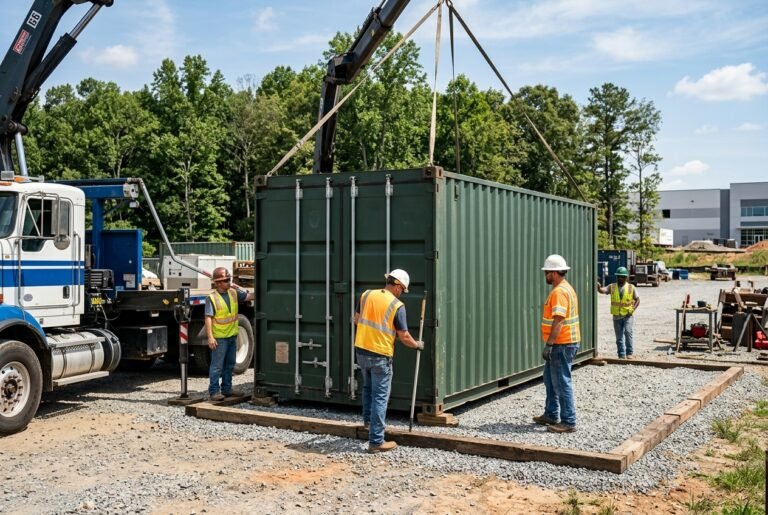
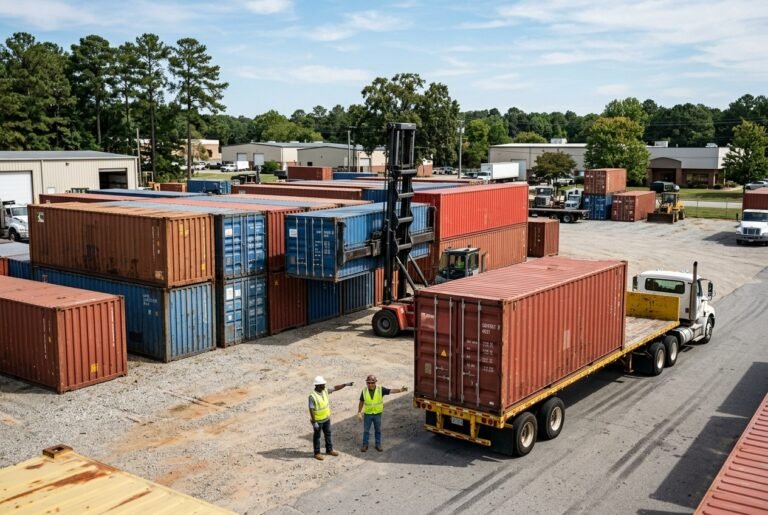
Tilt-bed delivery is common for ground-level placement, but it needs sufficient clearance in front of the drop area. The driver must have room to maneuver, raise the bed, and slide the unit into place. Overhead wires, soft ground, fences, low branches, and tight gates can all create problems. If the site is not ready, you may face rescheduling fees or the need for separate lifting equipment.
That is why experienced buyers ask delivery questions early. What truck type is being used? How much linear clearance is required? Does the site need gravel, concrete piers, railroad ties, or a full slab? Is the ground level enough to avoid twisting the frame? A dependable supplier should explain this upfront in plain terms, with no fine print and no vague assumptions.
For buyers in North Carolina and the Southeast, weather and soil conditions also deserve attention. Saturated ground can quickly turn a straightforward drop into a delay. If the cabin is headed to a rural property or active job site, access should be reviewed with the same care as the cabin specs.
Insulation, ventilation, and moisture control matter more than buyers expect
A steel container reacts to temperature fast. In direct sun, interior heat builds quickly. In cooler weather, condensation can become a problem if warm interior air meets cold steel. If the unit is being used as a cabin rather than simple storage, insulation and ventilation are not optional details.
Spray foam is a common choice because it helps control condensation while adding insulation value. Framed wall systems with batt insulation can work too, but they need proper vapor management and enough cavity depth. The right answer depends on climate, intended use, and budget.
Ventilation matters just as much. A cabin with sealed windows, poor airflow, and no mechanical ventilation can feel damp and stale, even if it looks finished. If the unit includes HVAC, ask whether the system is sized for the container volume and insulation level. If it does not, budget for that upgrade rather than assuming a portable unit will solve the issue.
Look closely at the floor system
Container floors are often overlooked, especially by first-time buyers. Many original shipping container floors are marine-grade plywood over steel cross members. In used containers, floor wear can vary widely. In modified cabins, the original floor may be covered, refinished, or partially replaced.
Ask what is under the finished surface. Is the original floor still in place? Was it repaired? Was a subfloor added? If plumbing or electrical lines were run through the floor, how were those penetrations sealed and protected? For a workshop, office, or cabin shell, the floor needs to be level, dry, and able to support intended loads.
This is especially important for agricultural and construction buyers who may move tools, generators, shelving, or heavy materials in and out of the space. A cabin that looks clean but has an uneven or compromised floor will become a headache quickly.
A good container cabin for sale should come with clear specifications
The strongest listings are not the flashiest ones. They are the ones that tell you exactly what you are buying. That includes exterior dimensions, interior dimensions, container grade, door and window specs, insulation type, electrical package details, and delivery requirements.
If pricing seems low, ask what is excluded. Site prep, delivery mileage, permits, utility tie-ins, anchoring, and local code compliance can all sit outside the base price. That does not mean the deal is bad. It means you need the full picture before committing.
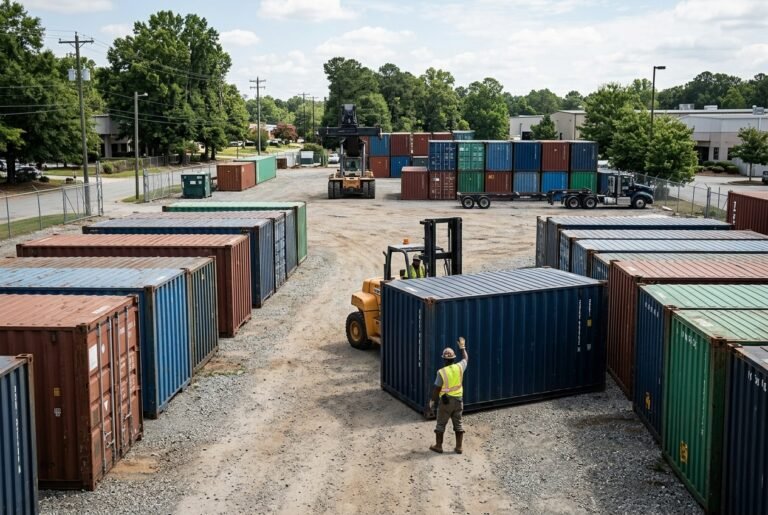
Transparency is what separates a dependable supplier from a risky listing. At Lease Lane Containers, that means discussing verified container grades, realistic delivery methods, and whether a one-trip, used, or refurbished unit makes the most sense for the project. For buyers who want zero surprises, those conversations save time and money.
Customization is valuable, but overbuilding is expensive
It is easy to overspend on features that look good in photos but do little for the actual use case. Before adding premium finishes, map the cabin to the job it needs to do. A job-site office may need insulation, lighting, desk space, and secure access – not high-end cabinetry. A hunting cabin may benefit more from durable wall finishes, weatherproof windows, and simple off-grid power planning than from decorative upgrades.
On the other hand, underbuilding creates its own costs. If a unit will be occupied regularly, skipping insulation, proper doors, or reinforced openings usually leads to rework later. The best builds are practical. They invest in structure, weather resistance, and systems first, then add finish details that support the intended use.
Buying a container cabin is less about finding the perfect listing and more about asking the right questions before money changes hands. If the seller can clearly explain the shell condition, modifications, delivery plan, and what is included in the price, you are probably looking in the right place.