
How to Choose the Right Shipping Container Grade
Table of Contents
- Table of Contents
- Understanding Standard Container Grading Systems
- The Role of IICL Standards
- Cargo Worthy vs. Wind and Watertight
- One-Trip Containers for Long-Term Value
- Evaluating Used Containers for Storage and Shipping
- Refurbished Grade Benefits
- As-Is Grade Risks and Savings
- Matching Container Grade to Your Specific Project
- Grades for Residential Conversions
- Grades for Export and Logistics
- Essential Physical Inspection Checklist
- Structural Integrity and Rust Levels
- Door Seal and Floor Quality
- Price Factors and Market Availability
- Final Decision: Balancing Budget and Longevity
Table of Contents
- Understanding Standard Container Grading Systems
- The Role of IICL Standards
- Cargo Worthy vs. Wind and Watertight
- One-Trip Containers for Long-Term Value
- Evaluating Used Containers for Storage and Shipping
- Refurbished Grade Benefits
- As-Is Grade Risks and Savings
- Matching Container Grade to Your Specific Project
- Grades for Residential Conversions
- Grades for Export and Logistics
- Essential Physical Inspection Checklist
- Structural Integrity and Rust Levels
- Door Seal and Floor Quality
- Price Factors and Market Availability
- Final Decision: Balancing Budget and Longevity
Buying a shipping container sounds straightforward until you realize that the same 20ft or 40ft steel box can come in five or more condition grades, each with different price points, lifespans, and suitability for specific projects. A contractor building a modular office, a farmer storing equipment, and a logistics company moving freight overseas all need different things from the same basic structure. Choosing the wrong grade means either overpaying for condition you don’t need or inheriting structural problems that cost more to fix than the container was worth.
The difference between a smart purchase and an expensive mistake almost always comes down to understanding grades before you shop. Knowing how to choose a shipping container grade that matches your actual use case, budget, and timeline saves real money and prevents headaches on delivery day. This guide breaks down every major grade, explains what to inspect, and gives you clear criteria for matching condition to project.
Understanding Standard Container Grading Systems
Shipping container grades exist because these steel boxes live hard lives. A typical intermodal container spends 10 to 15 years crossing oceans, getting stacked six high on cargo ships, and being loaded and unloaded by heavy equipment at ports worldwide. By the time a container is retired from active shipping service, it has accumulated dents, surface rust, patched welds, and wear patterns that vary wildly from unit to unit.
Grading systems bring order to that variation. They give buyers a shorthand for structural condition, cosmetic appearance, and functional reliability. Without standardized grades, every purchase would require a full engineering inspection, and buyers would have no way to compare prices across suppliers.
The most common grades you will encounter are One-Trip, Cargo Worthy (CW), Wind and Watertight (WWT), and As-Is. Each represents a distinct tier of condition, and the price gaps between them can be significant: a one-trip 40ft high cube shipping container might run $4,500 to $6,000, while a WWT unit of the same size could land between $2,000 and $3,500 depending on your market and delivery distance.
The Role of IICL Standards
The Institute of International Container Lessors, known as IICL, sets the inspection benchmarks that most of the industry relies on. IICL-certified inspectors evaluate containers against published criteria covering structural steel, corner castings, door hardware, floor condition, and weatherproofing. When a container carries an IICL certification, it means a qualified inspector has confirmed it meets specific minimum standards.
For buyers, IICL certification matters most when purchasing Cargo Worthy containers. A CW-rated container with a current IICL inspection certificate can legally be used for international ocean freight. Without that certificate, a container might be in excellent physical shape but still get rejected at the port. The certificate typically costs the seller $100 to $200 to obtain, and it remains valid for a limited period, so always check the inspection date.
Not every used shipping container on the market has been IICL inspected. Containers sold for domestic storage or on-site use often skip this step entirely, which is fine if you are placing a unit on your property in Wake County for tool storage. But if there is any chance you will need to ship internationally, insist on a current IICL survey.
Cargo Worthy vs. Wind and Watertight
These two grades cause the most buyer confusion because they sound similar but serve different purposes. A Cargo Worthy container has been inspected and certified as safe for loaded ocean transport. It meets structural requirements for stacking, lashing, and handling at port terminals. The steel framing, corner castings, and locking mechanisms all pass minimum thresholds.
A Wind and Watertight container, by contrast, simply means the unit keeps weather out. Rain, wind, and snow will not penetrate the interior. The container may have dents, surface rust, minor floor wear, and cosmetic damage that would disqualify it from CW status, but it still functions as a sealed enclosure. WWT containers are the workhorse of the domestic storage market.
The practical distinction: CW containers can go on a ship, WWT containers cannot. If your container will sit on a gravel pad behind your shop in Raleigh and hold seasonal inventory, WWT is likely all you need. If you are exporting machinery to South America, you need CW with a current survey certificate.
One-Trip Containers for Long-Term Value
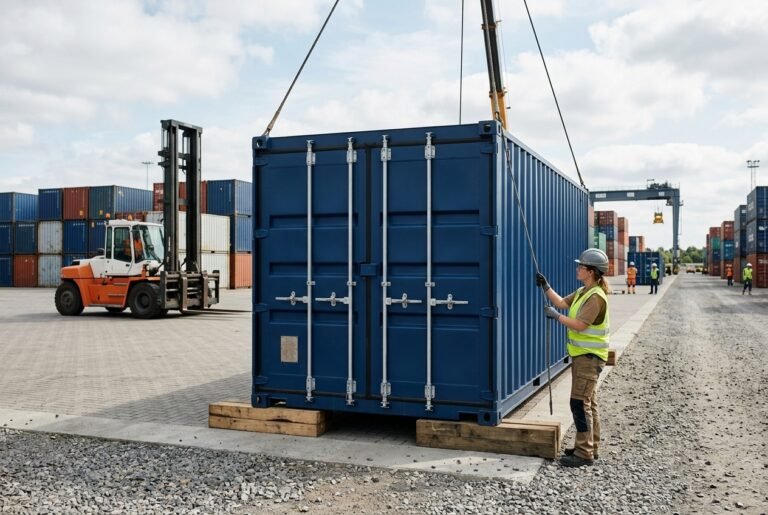
One-trip containers are manufactured overseas, typically in China, loaded with cargo for a single voyage to the United States, and then sold domestically. They arrive with minimal wear: clean paint, intact factory flooring, smooth door operation, and no structural repairs. For all practical purposes, they are new containers with one ocean crossing behind them.
The premium for a one-trip unit over a used Cargo Worthy container typically runs 40% to 70% higher, depending on size and local market conditions. A one-trip 20ft standard container might cost $3,200 to $4,500, while a CW unit of the same size could be $1,800 to $2,800. That price gap buys you something specific: an expected service life of 25 years or more with minimal maintenance.
For projects where the container becomes a permanent or semi-permanent structure, one-trip is almost always the right call. Container homes, offices, workshops, and retail buildouts benefit from starting with clean steel that does not need rust remediation, floor replacement, or structural patching before modifications begin. The money saved on prep work frequently offsets the higher purchase price.
One-trip units also carry a consistent cosmetic standard. If your project is client-facing, like a pop-up retail space or a farm stand, starting with uniform paint and no visible damage matters. Lease Lane Containers stocks one-trip units in standard and high cube configurations specifically because buyers doing conversion projects need that clean starting point. A high cube one-trip container gives you 9 feet 6 inches of interior height, which makes a meaningful difference when framing walls and adding insulation.
The rule of thumb: if the container will be modified, occupied, or visible to customers, one-trip pays for itself. If it will sit behind a fence holding tools, a lower grade works fine.
Evaluating Used Containers for Storage and Shipping
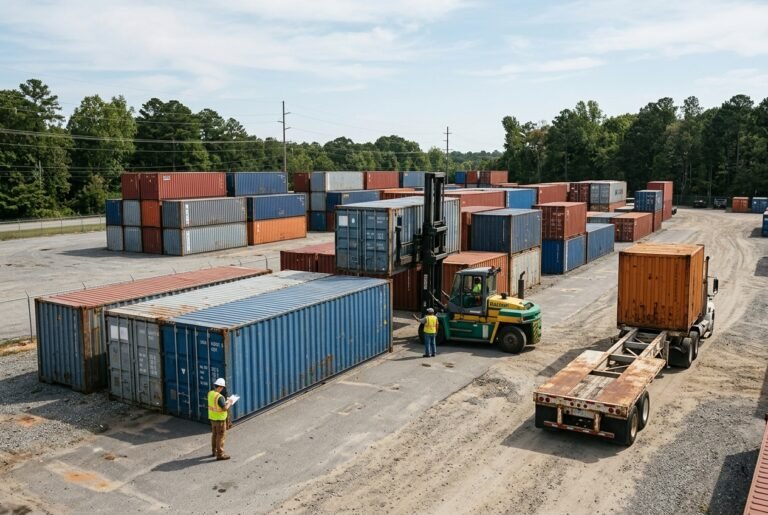
Used shipping containers represent the bulk of the domestic market. After 10 to 15 years of international service, containers are retired, inspected, graded, and sold through depots and resellers across the country. The condition range within “used” is enormous, which is exactly why grading matters.
A well-maintained used container can serve reliably for another 10 to 20 years in a stationary storage role. A poorly selected one can leak within months, develop floor rot, or present structural concerns that make modification dangerous. Your job as a buyer is to understand what separates a solid used unit from a money pit.
Refurbished Grade Benefits
Refurbished containers, sometimes marketed as “premium used” or “reconditioned,” have been repaired and repainted after retirement from shipping service. Typical refurbishment includes grinding and treating rust spots, replacing damaged floor sections, repairing or replacing door gaskets, and applying fresh exterior paint.
The result is a container that looks significantly better than a standard used unit and carries fewer maintenance concerns for the first several years of ownership. Refurbished containers typically cost 15% to 25% more than a comparable WWT unit, but they arrive ready to use without the buyer needing to invest time or money in immediate repairs.
For small business owners who need presentable on-site storage, a refurbished container hits a sweet spot between the premium of one-trip and the wear of a standard used unit. A landscaping company in the Triangle area, for example, might place a refurbished 20ft container at their yard for equipment storage. The fresh paint looks professional, the repaired seals keep moisture out, and the price stays well below a new unit.
One caution: “refurbished” is not a standardized industry term. The scope of work varies by supplier. Always ask specifically what was repaired, what paint system was used, and whether floor sections were replaced or simply patched. A reputable supplier will document the refurbishment scope clearly.
As-Is Grade Risks and Savings
As-Is containers are sold in their current condition with no warranties, no repairs, and no guarantees beyond basic structural standing. They represent the lowest price point in the market, sometimes 50% to 60% less than a one-trip container of the same size. That discount comes with real tradeoffs.
An As-Is container might have significant rust, holes patched with welded steel plates, damaged or missing door gaskets, warped door frames that do not seal properly, or marine plywood flooring with soft spots and water damage. Some As-Is units are perfectly serviceable for dry storage in covered or semi-protected environments. Others are essentially scrap steel.
The key risk is buying sight unseen. If you purchase an As-Is container from a photo listing without a physical inspection, you are gambling. The photos might show the good side while the back wall has a fist-sized rust hole. For buyers on tight budgets who can inspect the unit in person before purchase, As-Is containers can be genuine bargains. For remote buyers who cannot visit a depot, the risk often outweighs the savings.
If you go the As-Is route, budget an additional $300 to $800 for potential repairs: new door seals, rust treatment, and minor welding. Factor that into your total cost comparison against a WWT or refurbished unit.
Matching Container Grade to Your Specific Project
The right grade depends entirely on what you plan to do with the container. A storage unit sitting on a rural property has different requirements than a container being converted into a climate-controlled office or loaded onto a chassis for export. Mismatching grade to purpose is the most common and most expensive mistake buyers make.
Think about three factors: how long the container needs to last, whether it will be modified, and whether appearance matters. A 10-year storage need on a farm calls for a different investment than a container home expected to last 30 years.
Grades for Residential Conversions
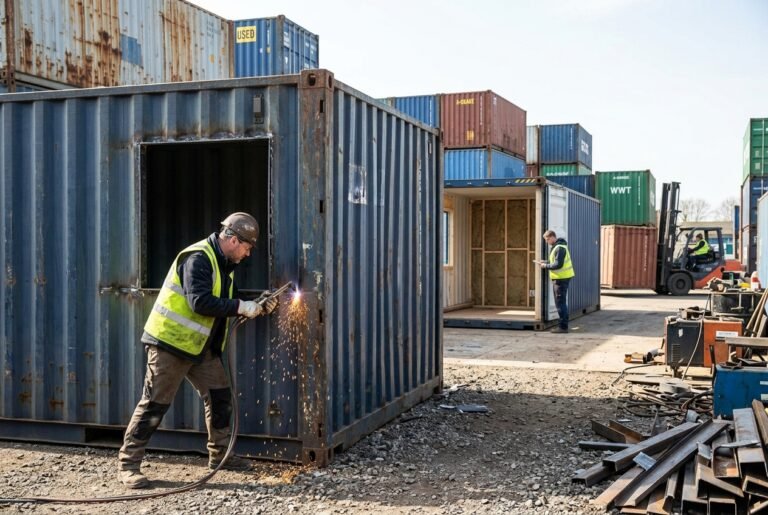
Container homes, guest houses, studios, and ADUs (accessory dwelling units) demand the highest starting condition. You are cutting steel, welding frames, adding insulation, running electrical and plumbing, and finishing interior surfaces. Every structural deficiency in the starting container becomes an expensive problem during construction.
One-trip is the standard recommendation for residential conversion projects. The steel is clean, the dimensions are true, and the floor does not need replacement before you begin framing. Contractors working on container conversions in North Carolina consistently report that starting with a lower-grade unit adds $2,000 to $5,000 in prep work before actual construction begins. That erases most or all of the savings from buying a cheaper container.
If budget is genuinely constrained, a high-quality Cargo Worthy container with minimal rust and intact flooring can work for residential projects, but plan for a thorough inspection and additional prep time. Anything below CW grade is not appropriate for occupied structures.
Grades for Export and Logistics
Export shipping requires a Cargo Worthy container with a current IICL survey certificate. This is non-negotiable. Shipping lines and port terminals will reject containers that do not meet CW standards, and the cost of having a container rejected at the port, including repositioning fees and cargo delays, far exceeds the cost of buying the right grade upfront.
For domestic logistics, where containers move on truck chassis between facilities within the United States, the requirements are less rigid. A WWT container in good structural condition can handle domestic freight moves, though individual carriers may have their own inspection requirements.
Businesses running regular export operations should consider one-trip containers for their freight. The lower maintenance costs and longer service life often justify the premium, especially when containers are cycling through multiple international voyages per year.
Essential Physical Inspection Checklist
No matter what grade you are buying, a physical inspection protects your investment. Even one-trip containers occasionally arrive with transit damage, and used containers always warrant hands-on evaluation. If you cannot inspect personally, work with a supplier like Lease Lane Containers that provides transparent grading guidance and honest condition descriptions.
Structural Integrity and Rust Levels
Start with the corner castings, the thick steel blocks at each corner that bear stacking loads and connect to handling equipment. Cracks, heavy corrosion, or weld repairs on corner castings are disqualifying defects. These components carry the entire structural load of the container.
Move to the main structural rails: the top and bottom side rails and the cross members beneath the floor. Look for deep pitting, holes, and repairs. Surface rust on exterior panels is normal on any used container and is largely cosmetic. Structural rust that has eaten through load-bearing members is a different story entirely.
Check the corrugated wall panels by pressing firmly from inside. Panels should feel solid and resist pressure. If you can flex a panel significantly with hand pressure, the steel has thinned to a point where it may not provide adequate protection. Use a flashlight inside with the doors closed: any visible light coming through walls or the roof means the container is not watertight.
A practical rule of thumb: budget 15 minutes per container for a proper walk-around inspection. Rushing this step is how buyers end up with problems they could have spotted in seconds.
Door Seal and Floor Quality
Container doors take the most abuse over a service life. The locking bars, cam handles, hinges, and rubber gaskets all wear with use. Open and close both doors fully during inspection. They should swing freely without binding, and the locking bars should seat into their keepers without excessive force.
The rubber door gaskets should be pliable, not cracked or brittle. Compressed or hardened gaskets will not seal properly, and water intrusion through door seals is the number one cause of interior moisture damage in stored containers. Replacement gasket kits run $150 to $300 installed, so factor this cost if the seals show wear.
Floor condition matters more than most buyers realize. Standard container floors are 1-1/8 inch marine plywood, sometimes called apitong or keruing hardwood. Check for soft spots by walking the entire floor and pressing with your heel. Pay special attention to areas near the doors and along the walls where water tends to collect. A floor replacement on a 40ft container runs $1,500 to $3,000 in materials and labor, so catching this early changes your cost calculation significantly.
Price Factors and Market Availability
Container pricing is not fixed. It fluctuates based on global shipping demand, steel prices, port inventory levels, and regional supply. Coastal cities near major ports, like Houston, Los Angeles, and Savannah, typically have lower container prices due to higher supply. Inland locations pay more because of transportation costs from port depots.
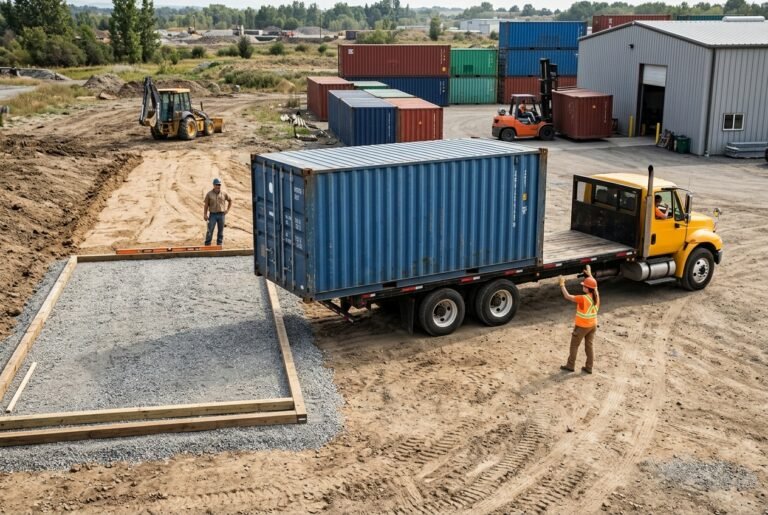
For buyers in Raleigh and central North Carolina, the nearest major port depots are in Norfolk, Virginia, and Wilmington or Charleston to the south. Delivery from these depots to the Triangle area typically adds $400 to $900 to the container cost, depending on distance and the delivery method used: tilt-bed trucks for ground-level placement or chassis delivery for raised positioning.
Seasonal patterns also affect pricing. Spring and summer see higher demand from construction and agriculture buyers, which can push prices up 10% to 15% on popular sizes. Buying during the slower winter months sometimes yields better pricing and faster delivery scheduling.
Lease Lane Containers provides delivery planning support that accounts for these regional factors, helping buyers in North Carolina and across the U.S. understand total landed cost rather than just the sticker price on the container itself. Knowing your delivery access requirements, including turning radius (a standard delivery truck needs roughly 60 feet to maneuver), overhead clearance of at least 14 feet 6 inches, and firm ground conditions, prevents costly delivery failures.
A quick pricing framework by grade for a 40ft high cube shipping container in the Southeast market:
- One-Trip: $4,200 to $6,000
- Cargo Worthy: $2,500 to $3,800
- Wind and Watertight: $1,800 to $3,000
- As-Is: $1,200 to $2,200
These ranges shift with market conditions, so always get current quotes from your supplier.
Final Decision: Balancing Budget and Longevity
Choosing a container grade is a cost-per-year calculation, not just an upfront price decision. A one-trip container at $5,000 that lasts 25 years costs $200 per year. A WWT container at $2,500 that lasts 12 years costs $208 per year and may need $500 to $1,000 in repairs along the way. The “cheaper” container is not always the cheaper option over its useful life.
Match the grade to the job. One-trip for conversions, occupied spaces, and long-term investments. Cargo Worthy for export shipping and high-value storage. Wind and Watertight for general domestic storage where cosmetics do not matter. As-Is only when you can inspect in person and have the budget for repairs.
Do not skip the physical inspection regardless of grade. Check corner castings, floor condition, door seals, and structural rails. Ask your supplier for honest condition descriptions and, where applicable, IICL survey certificates.
If you are still weighing your options, browse current inventory at Lease Lane Containers to compare sizes, grades, and pricing side by side. The Raleigh-based team can walk you through grading details, delivery logistics, and site prep requirements so you get the right container on the first try.