New vs Used Shipping Container: Which Fits?
A container that looks good in a listing can still be the wrong buy once it reaches your site. That is why the new vs used shipping container decision usually comes down to more than price. It affects how long the unit will last, how it presents to customers, what repairs you may face, and whether delivery goes smoothly the first time.
For contractors, growers, business owners, and homeowners, the right choice is the one that matches the job without creating hidden costs. A one-trip container may save time on repainting, sealing, and modifications. A used container may be the smarter value if appearance is secondary and secure storage is the real goal. The key is understanding what you are paying for.
New vs used shipping container: the real difference
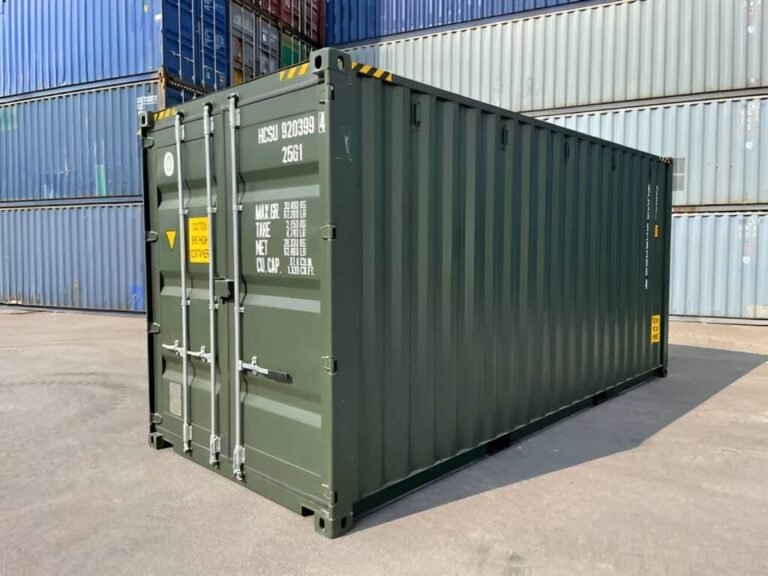
In container sales, “new” usually means one-trip, not factory-fresh in the way people think of a new truck or trailer. These containers were built overseas, loaded once for transport to the US, and then sold. They typically have minimal wear, intact flooring, straight side panels, and clean door seals.
A used container has seen years of service in the shipping network. That does not make it a bad unit. Many are still fully functional for storage and job-site use. What matters is the grade and condition. Terms like Wind & Watertight and Cargo Worthy are more useful than a vague description like “good shape.”
Wind & Watertight, often shortened to WWT, means the container is structurally sound enough to keep out normal wind and rain. Cargo Worthy generally indicates it is fit for transport and meets a higher standard for structural integrity. For a buyer who wants no surprises, those distinctions matter more than whether the paint is faded.
When a new container makes more sense
If appearance, long service life, and lower immediate maintenance matter most, a one-trip container is usually the better fit. This is often the case for retail overflow, customer-facing storage, HOA-sensitive residential properties, and modular conversion projects.
A new container typically arrives with fewer dents, less surface rust, and more consistent door operation. That may sound cosmetic, but it has practical value. Doors that seal properly and swing without a fight make daily access easier on busy sites. Cleaner steel and straighter framing can also simplify modifications for windows, roll-up doors, insulation, or electrical work.
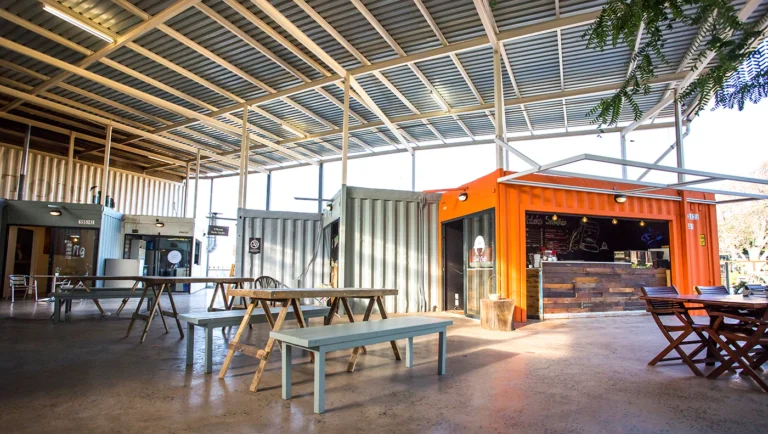
For buyers turning a container into a workshop, office, or tiny home shell, starting with a one-trip unit often reduces prep work. There is usually less patching, grinding, and coating before build-out begins. That can offset part of the higher upfront cost.
There is also the issue of predictability. Newer units tend to have fewer variables, which is helpful when you need consistent dimensions, a cleaner exterior, or a container that will sit on a visible property for years.
When a used container is the better value
A used container often makes the most financial sense for straightforward storage. If you need to secure tools, materials, equipment, feed, seasonal inventory, or maintenance supplies, a quality used unit can do the job well without the premium price of one-trip inventory.
This is common on construction sites, industrial yards, farms, and rural properties where the container is a working asset rather than a visual centerpiece. Scratches, prior repairs, and faded paint may not matter if the floor is solid, the doors seal, and the structure is sound.
Used containers are also a practical choice when you need multiple units. For a contractor setting several boxes across jobsites, or a business adding temporary overflow storage, the price difference between new and used can add up quickly.
That said, used works best when the grading is clear. A low price without a clear explanation of condition can become expensive if you later need roof patching, door repairs, or extra labor to place a unit that should have been screened more carefully before delivery.
Cost is not just the purchase price
The biggest mistake buyers make is comparing only sticker price. A true cost comparison should include expected lifespan, cosmetic tolerance, repairs, and intended use.
A one-trip container costs more upfront, but it may reduce maintenance and extend the period before repainting or corrosion treatment is needed. If the container will support a branded retail setup, client-facing site office, or long-term residence conversion, that premium may be justified.
A used container costs less upfront, which is often the right move for utility storage. But if you are sensitive to appearance or planning extensive modifications, a cheaper unit can become more expensive after prep work. Rust treatment, panel repair, floor replacement in isolated areas, and resealing doors all affect the final budget.
Delivery can influence cost too. A 40-foot container that is technically affordable is still the wrong buy if your site cannot accept the truck, turning radius, or drop method required. Clear delivery planning matters as much as the condition grade.
Condition, lifespan, and maintenance
Shipping containers are built from Corten Steel for durability, but no steel box is maintenance-free forever. Climate, placement, drainage, and frequency of use all affect service life.
A new container generally gives you a longer runway before maintenance becomes a concern. That is useful for long-term installations and for sites in humid or coastal environments, where rust control matters more.
A used container can still provide years of service if it has been properly graded and placed on a suitable foundation. Blocking it correctly, keeping water from pooling around the base, and maintaining roof drainage all help preserve structural integrity. Many complaints about “bad containers” are actually site issues in disguise.
If your priority is long-term storage with minimal upkeep, one-trip is usually the safer bet. If your priority is immediate secure storage at the best value, used is often enough.
New vs used shipping container for common use cases
For construction and job-site storage, used containers are frequently the right answer. They offer strong security, practical durability, and lower cost per unit. If crews will be opening and closing doors daily, ask for clear information on door condition and floor integrity rather than focusing on paint.
For agricultural storage, it depends on what you are protecting. Feed, tools, and hardware can usually go in a quality used container. Temperature-sensitive or cleaner-stored items may justify a newer unit or even a reefer, depending on the application.
For homeowners, the decision often comes down to appearance and permanence. A container tucked behind a barn can be used without much downside. A container placed beside a home, workshop, or driveway usually benefits from the cleaner look of one-trip inventory.
For pop-up retail, office conversions, and custom modular projects, new is often the smarter starting point. It presents better, modifies more predictably, and reduces finish work.
Questions to ask before you buy
A good container seller should make the decision easier, not murkier. Before choosing new or used, ask what grade the container is, whether it is WWT or Cargo Worthy, what size and height are available, and what delivery method will be used.
You should also ask about the actual unit condition, not just a generic inventory description. Are there patches? How do the doors operate? Is the floor original plywood, and is it structurally sound? Has the container been inspected for leaks and major corrosion points?
If delivery is tight, confirm truck access, required clearance, and whether a tilt-bed or ground-level drop is needed. This is where experienced logistics support matters. The right unit on the wrong truck schedule still creates delays.
Lease Lane Containers works with buyers who want verified specifications and straightforward grading because that is what reduces site issues later. No fine print, no surprises should apply to delivery just as much as condition.
So which one should you choose?
If you want the cleanest appearance, the longest likely service life, and the easiest path for modifications, buy a new one-trip container. If you want secure, reliable storage at the best value and you can accept cosmetic wear, buy a properly graded used container.
Most buyers do not need the most expensive option. They need the right container for the job, with clear condition standards and a delivery plan that fits the site. That is the difference between a smart purchase and a frustrating one.
The best container is not the newest one or the cheapest one. It is the one that shows up as described, lands where it should, and keeps working long after delivery day.