One Trip vs. Used Containers: Which Should You Buy?
Table of Contents
- Table of Contents
- Understanding One Trip and Used Container Classifications
- The Journey of a One Trip Container
- Common Grades for Used Containers
- Structural Integrity and Cosmetic Condition
- Signs of Wear in Retired Fleet Units
- Cost Analysis: Upfront Investment vs. Long-Term Value
- Maintenance and Repair Expectations
- Suitability for Modifications and Construction
- Standard Sizes and Customization Potential
- Environmental Impact and Sustainability Factors
- Determining the Right Choice for Your Specific Project
- Checklist for Choosing Your Container
- Making Your Container Purchase Count
Table of Contents
- Understanding One Trip and Used Container Classifications
- The Journey of a One Trip Container
- Common Grades for Used Containers
- Structural Integrity and Cosmetic Condition
- Signs of Wear in Retired Fleet Units
- Cost Analysis: Upfront Investment vs. Long-Term Value
- Maintenance and Repair Expectations
- Suitability for Modifications and Construction
- Standard Sizes and Customization Potential
- Environmental Impact and Sustainability Factors
- Determining the Right Choice for Your Specific Project
- Checklist for Choosing Your Container
Buying a shipping container sounds straightforward until you start comparing grades. The difference between a one trip container and a used container goes well beyond surface-level cosmetics. It affects structural lifespan, modification potential, resale value, and how much you’ll spend on maintenance over the next decade. For buyers in Raleigh, across the Southeast, or anywhere in the U.S., understanding these distinctions can save thousands of dollars and months of frustration. Whether you’re a contractor staging equipment on a job site, a homeowner planning backyard storage, or a small business owner managing inventory overflow, the grade you choose shapes the outcome of your project. The right call depends on your budget, your timeline, and what you actually need the container to do. This guide breaks down every factor that matters so you can make that decision with confidence, not guesswork.
Understanding One Trip and Used Container Classifications
The shipping container market uses a grading system that can confuse first-time buyers. Terms like “one trip,” “cargo worthy,” and “wind and watertight” get thrown around interchangeably, but each grade describes a specific condition with real implications for your purchase. Getting clear on these classifications before you shop is the single most important step in the buying process.
A one trip container is manufactured overseas, typically in China, loaded with cargo for a single voyage to the United States, and then sold domestically. It has made exactly one ocean crossing. A used container, by contrast, has spent years in active shipping service, cycling between ports around the world. Some have logged 10 to 15 years of service before being retired from fleet duty.
The distinction matters because ocean shipping is brutal on steel. Saltwater exposure, constant loading and unloading, stacking forces from being placed six or seven containers high on a vessel, and temperature swings from tropical to arctic routes all take a measurable toll. A container that has endured one crossing versus one that has survived a thousand are fundamentally different products, even if they share the same exterior dimensions.
The Journey of a One Trip Container
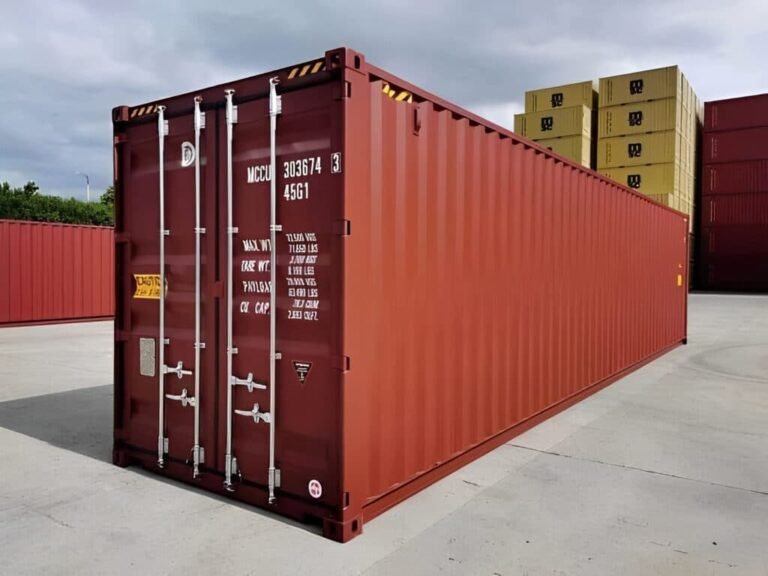
A one trip container starts its life at a manufacturing facility, usually built to ISO 6346 standards with 14-gauge corrugated Corten steel walls, marine-grade plywood flooring (typically 28mm Apitong or Keruing), and fresh factory paint. The doors are fitted with new gaskets, and the locking mechanisms operate smoothly. Every component is at peak condition.
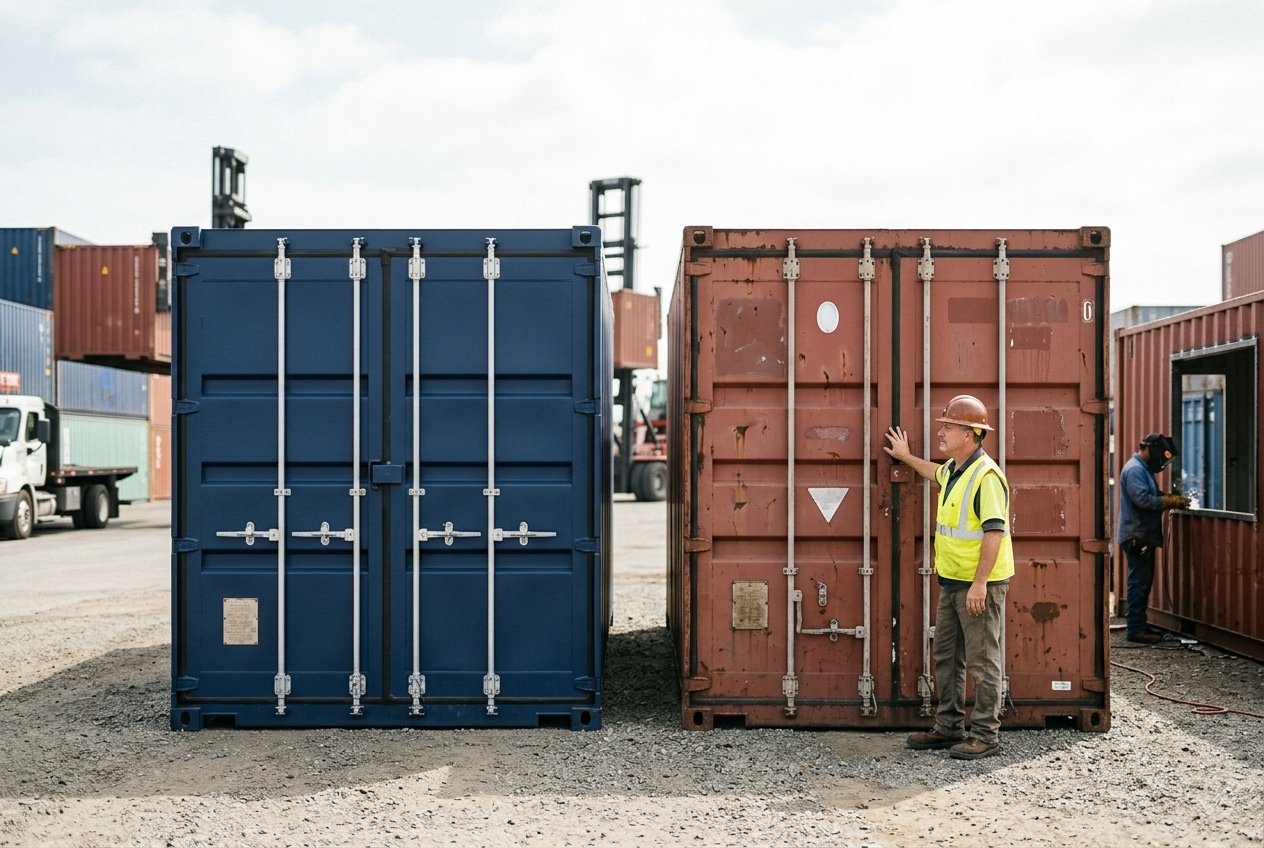
After manufacturing, the container is loaded with export cargo and shipped to a U.S. port. Once the cargo is offloaded, the container enters the domestic market. It has no dents from years of crane operations, no rust from prolonged salt exposure, and no patched floor sections. The paint is uniform, the doors swing freely, and the rubber seals are intact.
Most one trip containers arrive with a clean, consistent appearance: think factory-fresh steel with minor transit marks at most. They carry a remaining usable lifespan of 25 years or more with basic maintenance. For buyers who need a container that looks professional, performs reliably, and requires minimal upfront repair, the one trip grade is the benchmark.
Common Grades for Used Containers
Used shipping containers fall into several recognized grades, and knowing the differences prevents costly surprises. The three most common classifications are:
- Cargo Worthy (CW): Certified for international ocean transport. Structurally sound with functional doors and watertight seals. Expect moderate cosmetic wear: surface rust, dents, and some paint fading. Typically 8 to 12 years old.
- Wind and Watertight (WWT): No longer certified for ocean shipping but still keeps weather out. May have more visible wear, minor floor repairs, or replaced door gaskets. Suitable for ground-level storage but not for export.
- As-Is: Sold without condition guarantees. Could have significant rust, damaged flooring, or compromised seals. Priced lowest but carries the highest risk.
Lease Lane Containers provides transparent grading guidance on each of these classifications, helping buyers understand exactly what they’re getting before placing an order. A Cargo Worthy container from a reputable supplier is a solid workhorse. An As-Is container from an unknown source could cost you more in repairs than you saved on the purchase price.
Structural Integrity and Cosmetic Condition
The structural gap between a one trip container and a used shipping container is measurable, not just visible. A one trip unit arrives with its full factory steel thickness intact: approximately 1.6mm (16-gauge) for the roof panel and 2.0mm (14-gauge) for the corrugated side walls. The corner castings, which bear stacking loads of up to 192,000 kg across four points, show zero fatigue. The cross members beneath the floor are straight and free of corrosion.
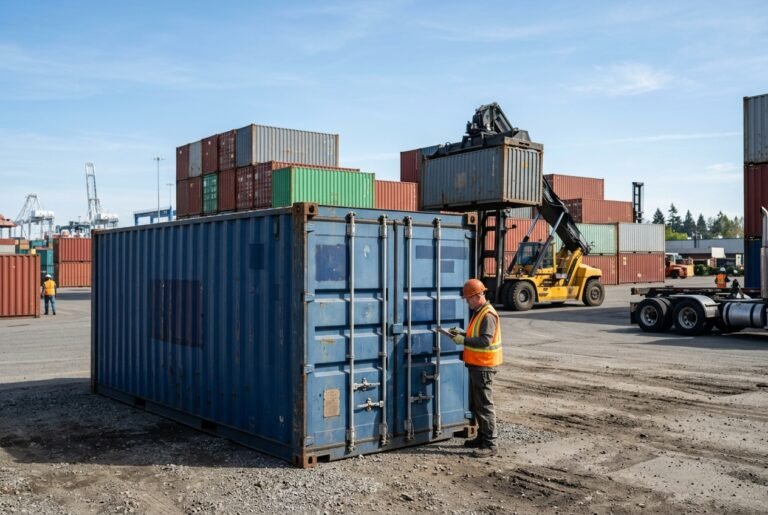
A used container that has spent a decade in active service tells a different story. Repeated crane lifts wear on the corner castings. Forklift entry wears down the floor near the door end. Salt spray pits the lower side rails, and pooled water on the roof panel can thin the steel significantly. None of this means a used container is unsafe or unusable. It means the margin for error is smaller, and inspection matters more.
For projects where the container sits on level ground and stores dry goods, a well-graded used unit performs just fine. For projects involving stacking, heavy interior loads, or structural modifications like cutting large openings for windows and doors, the thicker, unworn steel of a one trip container provides a meaningful safety advantage.
Signs of Wear in Retired Fleet Units
Knowing what to look for during inspection separates a smart purchase from an expensive mistake. Here are the specific wear points to examine on any used shipping container:
- Floor condition: Check for soft spots, delamination, or patched sections in the plywood decking. Probe with a screwdriver near the door end and along the edges where moisture collects. Replacement flooring costs $1,500 to $3,000 depending on the container size.
- Lower side rail corrosion: The bottom 6 inches of the side walls and the steel rail beneath them are the most corrosion-prone areas. Surface rust is cosmetic. Flaking, pitting, or holes indicate structural concern.
- Roof panel integrity: Stand inside the container with the doors closed and look up. Any pinpoints of light mean the roof has been compromised. Even small holes lead to interior water damage over time.
- Door operation and seals: Open and close both doors fully. They should swing without binding or scraping. Inspect the rubber gaskets for cracking or compression. Replacing door gaskets runs $200 to $500.
- Cross member condition: If possible, inspect the underside. The steel cross members supporting the floor should be straight and free of heavy rust. Bent or corroded cross members affect load capacity.
A used container that passes these checks is a solid buy. One that fails on multiple points should either be priced accordingly or avoided entirely.
Cost Analysis: Upfront Investment vs. Long-Term Value
Price is usually the first factor buyers consider, and the gap between grades is significant. As of 2024-2025, a standard 20ft one trip container typically sells for $3,000 to $4,500 depending on location and market conditions. A 40ft one trip unit runs $4,500 to $6,500. Used containers in Cargo Worthy condition price out at roughly 40% to 60% less: a 20ft CW unit often falls between $1,800 and $2,800, while a 40ft CW container ranges from $2,200 to $3,500.
Wind and watertight units drop another 15% to 25% below Cargo Worthy pricing. The savings are real, but so is the trade-off in condition and remaining lifespan.
Here is where the comparison between a one trip container and a used container gets interesting. A one trip unit with a 25-plus year lifespan at a purchase price of $4,000 costs roughly $160 per year of service. A used CW container with 10 to 15 years of remaining life at $2,200 costs $147 to $220 per year. Factor in the maintenance differential, and the per-year cost gap narrows considerably.
For short-term projects lasting one to five years, a used container almost always wins on cost. For permanent installations, storage buildings, or container homes, the one trip grade often delivers better value over the full ownership period.
Maintenance and Repair Expectations
Budget for maintenance from day one, regardless of which grade you buy. The difference is how much and how soon.
One trip containers typically need nothing beyond basic care for the first five to seven years. An annual inspection, occasional touch-up paint on any scratches, and a silicone refresh on the door gaskets every three to four years will keep the unit in excellent shape. Plan on $100 to $200 per year for preventive maintenance.
Used containers demand more attention upfront. A Cargo Worthy unit might need $300 to $800 in initial work: new gaskets, rust treatment on the lower rails, and possibly a floor patch near the door threshold. Annual maintenance runs $200 to $400 depending on the local climate. Coastal or high-humidity areas like parts of eastern North Carolina accelerate corrosion, pushing those numbers higher.
The 80% rule is a useful guideline here: if repair costs exceed 80% of the price difference between a used container and a one trip unit, buy the one trip. You’ll get a longer lifespan and less hassle for roughly the same total investment.
Suitability for Modifications and Construction
Container modifications have moved well beyond simple storage. Contractors build site offices, homeowners create workshops, and businesses install retail pop-ups from modified shipping containers. The grade you start with directly affects what modifications are practical and how much they cost.
One trip containers are the preferred starting point for any project involving structural cuts. Removing wall sections for roll-up doors, cutting window openings, or joining two containers side by side all require welding into steel that can handle the stress redistribution. Factory-fresh Corten steel welds cleanly and predictably. Worn or corroded steel from a used container can complicate cuts, requiring additional reinforcement framing that adds $500 to $2,000 per opening.
Paint and finish work also differ. A one trip container accepts new coatings without extensive surface preparation. A used unit typically needs grinding, rust treatment, and primer before any finish coat will adhere properly. For projects where appearance matters, like a retail space, a client-facing office, or a container home, the prep savings on a one trip unit can offset a meaningful portion of the price premium.
Standard Sizes and Customization Potential
Most modifications start with either a 20ft or 40ft container, and both are available in standard height (8ft 6in) or high cube (9ft 6in). The extra foot of interior height in a high cube shipping container makes a noticeable difference for livable or workable spaces, and most modification shops recommend high cube units for any project involving insulation, ceiling finishes, or HVAC ductwork.
Common modifications and their grade considerations include:
- Window and door cutouts: Best on one trip steel. Used containers work if the cut locations avoid corroded areas.
- Interior framing and insulation: Spray foam insulation (closed-cell, R-6.5 per inch) adheres better to clean, dry steel. Used containers may need interior rust treatment first.
- Electrical and plumbing rough-in: Grade-independent, but floor condition matters for plumbing. A compromised used container floor may need full replacement before plumbing installation.
- Exterior cladding or paint: One trip containers need minimal prep. Used units require grinding and primer, adding $1,000 to $2,500 to the project.
- Container joining (multi-unit structures): Structural engineers strongly prefer one trip steel for welded connections between containers. The consistent wall thickness provides predictable load paths.
If your project involves significant modification work, the one trip grade typically saves money on the build side even though it costs more on the purchase side. For simple storage with minimal cuts, a used container performs the same job at a lower total cost.
Environmental Impact and Sustainability Factors
Reusing a shipping container is inherently a sustainable choice. A standard 40ft steel container contains approximately 3,500 kg of Corten steel. Manufacturing that steel from raw materials produces roughly 8,750 kg of CO2 emissions. Every container repurposed instead of scrapped keeps that embodied carbon in productive use.
Buying a used container scores highest on the sustainability scale because it extends the life of an existing unit that would otherwise sit idle in a depot or get melted down. No new manufacturing is required. The environmental cost is limited to transport from the depot to your site.
One trip containers have a slightly different profile. They are manufactured new, which carries the full carbon footprint of steel production. However, they arrive in the U.S. as part of the existing trade flow: the container would have been built and shipped regardless of whether you buy it. Your purchase simply diverts it from entering the used fleet, where it would have cycled through years of shipping before eventual retirement.
For buyers who prioritize environmental impact, used containers are the greener option. For buyers who need a long-lifespan container that will stay in service for 25-plus years, a one trip unit arguably delivers more total utility per unit of embodied carbon. Both choices are far more sustainable than building an equivalent structure from scratch using conventional materials.
Repurposed containers also reduce construction waste. A container modification project generates a fraction of the debris produced by traditional stick-frame construction, and the steel itself is 100% recyclable at end of life.
Determining the Right Choice for Your Specific Project
The decision between a one trip and used shipping container comes down to matching the grade to the job. A farmer in Johnston County storing hay equipment has different requirements than a contractor in downtown Raleigh building a pop-up retail space. Neither choice is universally better. The right answer depends on your specific situation.
Short-term storage for a construction project, seasonal inventory, or a temporary staging area rarely justifies the premium of a one trip unit. A Cargo Worthy or wind and watertight container handles these jobs effectively at a lower price point. The container needs to keep weather out and stay secure. Cosmetic appearance and 25-year lifespan are irrelevant for a two-year deployment.
Permanent installations shift the math. A backyard workshop, a farm office, a small business storage building, or any container that will sit on your property for a decade or more benefits from the one trip grade. The lower maintenance costs, better appearance, and longer structural life justify the upfront investment.
Modification-heavy projects are where the grade choice has the most financial impact. Lease Lane Containers regularly helps buyers in Raleigh and across the U.S. match the right grade to their project scope, factoring in delivery logistics, site access requirements, and intended modifications. Getting this decision right at the start prevents costly mid-project corrections.
Checklist for Choosing Your Container
Use this checklist to clarify your decision before you buy:
- Define your project timeline. Under 5 years? Used is likely the better value. Over 10 years? One trip pays for itself.
- Assess modification scope. Minimal cuts or none? Used works fine. Major structural modifications? Start with one trip steel.
- Set your total budget. Include purchase price, delivery, site prep, and estimated repairs or modifications. Compare the all-in cost for each grade.
- Check your site access. Delivery requires a clear path at least 12 feet wide and 60 to 100 feet of straight-line approach for a tilt-bed truck. Overhead clearance of 14 feet minimum is needed. This applies regardless of grade, but plan it before ordering.
- Inspect before buying (or buy from a graded supplier). If purchasing a used container, inspect it in person or buy from a supplier that provides transparent grading with photos and condition reports.
- Consider resale value. One trip containers retain 60% to 70% of their purchase value after 10 years. Used containers retain 30% to 50%, depending on condition at resale.
- Factor in your climate. Coastal or high-humidity locations accelerate corrosion on used containers. In these environments, the corrosion-resistant fresh paint and intact coatings of a one trip unit provide meaningful protection.
- Match the container size to the job. A 20ft container offers roughly 1,360 cubic feet of interior volume. A 40ft container doubles that to approximately 2,700 cubic feet. High cube variants add about 300 cubic feet to each size.
Making Your Container Purchase Count
The comparison between a one trip and used shipping container is not about finding a winner. It is about finding the right match for your project, your budget, and your timeline. Used containers deliver excellent value for straightforward storage and short-term deployments. One trip containers earn their premium through longer lifespans, cleaner steel for modifications, and lower lifetime maintenance costs.
Whichever grade fits your needs, the buying process works best when you can compare real options side by side. Browse Lease Lane Containers’ current inventory to see available sizes, grades, and pricing, or reach out to the Raleigh-based team at (984) 313-6158 for help matching a container to your specific project. Getting the grade right from the start is the simplest way to protect your investment and avoid surprises down the road.