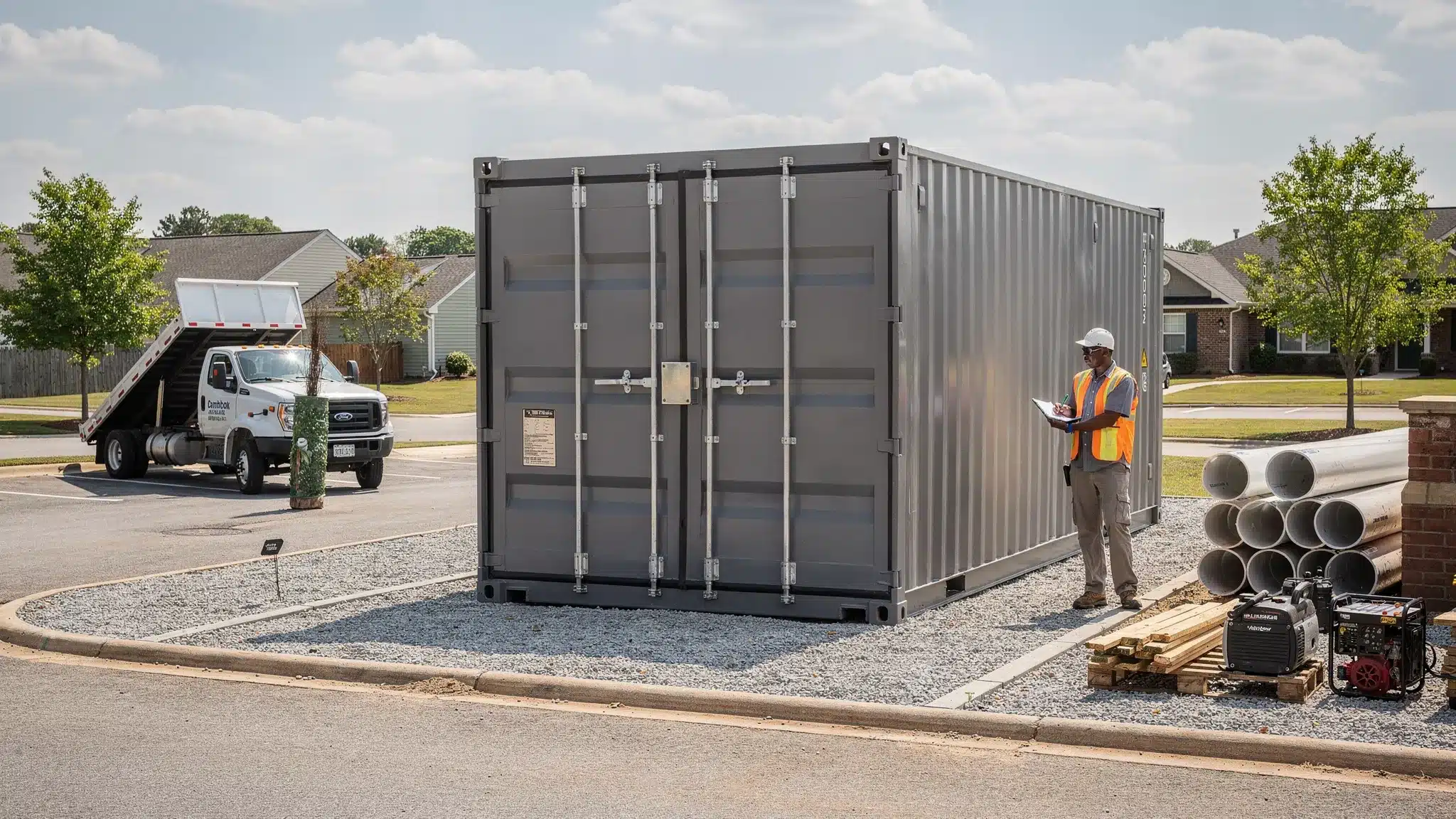
Rental Containers: What’s Included, Fees, and Term Lengths
When people search for rental containers, they usually want one thing: secure, weather-resistant storage delivered fast, without surprise charges.
The catch is that “container rental” can mean different products (portable storage pods vs. steel ISO shipping containers), and rental quotes often look simple until you read the fine print. Below is a practical, contractor and homeowner friendly breakdown of what’s typically included, what fees to expect, and how rental term lengths usually work, especially around Raleigh, North Carolina and the broader Southeast.
First, what “rental containers” usually means (and why it matters)
In most U.S. markets, rental containers fall into two buckets:
- Portable storage containers (often lighter-duty, designed for repeated moves and short-term storage).
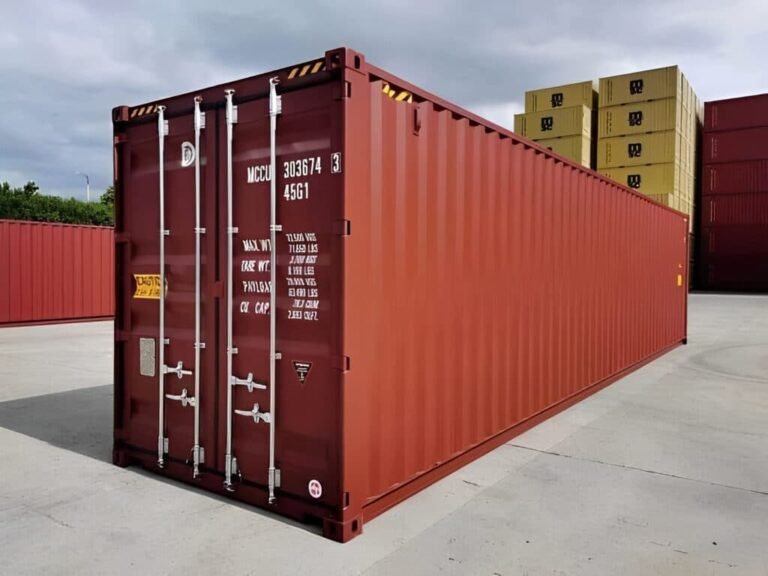
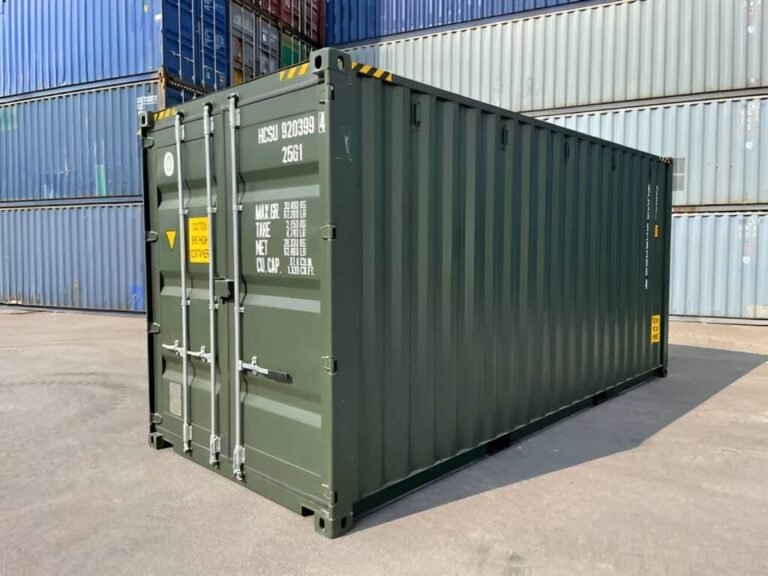
- ISO shipping containers (steel, forkliftable, corner castings, designed around ISO standards for lifting and stacking).
Lease Lane Containers focuses on ISO shipping containers built from Corten steel (weathering steel used in maritime service). That matters because an ISO container behaves differently than a portable pod when it comes to security, longevity, and delivery requirements.
If you’re evaluating options, confirm what you’re actually renting: a true ISO container or a portable storage box.
What’s typically included in a rental container quote
Most rental programs include a baseline set of items, but details vary widely by provider and by location (Raleigh vs. rural NC vs. out-of-state delivery zones).
Here’s what is commonly included, and what is commonly extra.
| Item | Often included | Often extra | What to confirm before you sign |
|---|---|---|---|
| Container itself (20ft or 40ft) | Yes | No | Exact size, door style, and whether it is Standard or High Cube |
| One delivery drop-off | Sometimes | Often | Delivery method (tilt-bed, flatbed, crane) and if “standard placement” is defined |
| One pickup at end of term | Sometimes | Often | Pickup window scheduling rules and failed pickup charges |
| Locking hardware | Sometimes | Often | Whether a lockbox is included or you must supply a puck lock |
| Wind and water protection | Yes (claimed) | No | Whether it is contractually Wind & Watertight (WWT) or just “weather resistant” |
| Damage waiver/limited coverage | Sometimes | Often | What damage is excluded (forklift hits, interior floor damage, door damage) |
| Cleaning on return | No | Often | “Normal use” definition and what triggers cleaning fees |
A note about container grades (yes, even for rentals)
Even if you’re renting, you should still ask what grade you’re getting. In the container industry, these terms have real meaning:
- One-Trip (new/one-use): A container that has made a single loaded voyage from the factory and then enters the resale market. Typically the best cosmetic condition and longest remaining lifespan. Learn the specifics in our guide to what a one-trip container is.
- Cargo Worthy (CW): Generally intended to be structurally sound for transport, often aligned with requirements you’d expect for freight use. If you’re shipping internationally, you may also need a valid CSC plate and acceptance by your carrier.
- Wind & Watertight (WWT): A common storage grade. It should keep weather out (no holes, functional doors, solid roof) but may have dents, patches, and cosmetic wear.
Many rental fleets are WWT because it balances cost and function for storage. If your project is customer-facing (retail pop-up, showroom, hospitality) you may want One-Trip instead.
If you’re still deciding between rental and ownership, our new vs used shipping container breakdown can help you match grade to your actual use case.
Common fees to expect with rental containers (and how to avoid them)
The fastest way to compare rental quotes is to ask for a complete “out-the-door” cost list that includes delivery and end-of-term pickup assumptions.
1) Delivery and pickup fees
Delivery is where most “cheap monthly rental” offers get expensive.
What influences delivery cost:
- Distance from the depot to your job site (Raleigh, Durham, Cary, Johnston County, and outlying areas can price differently).
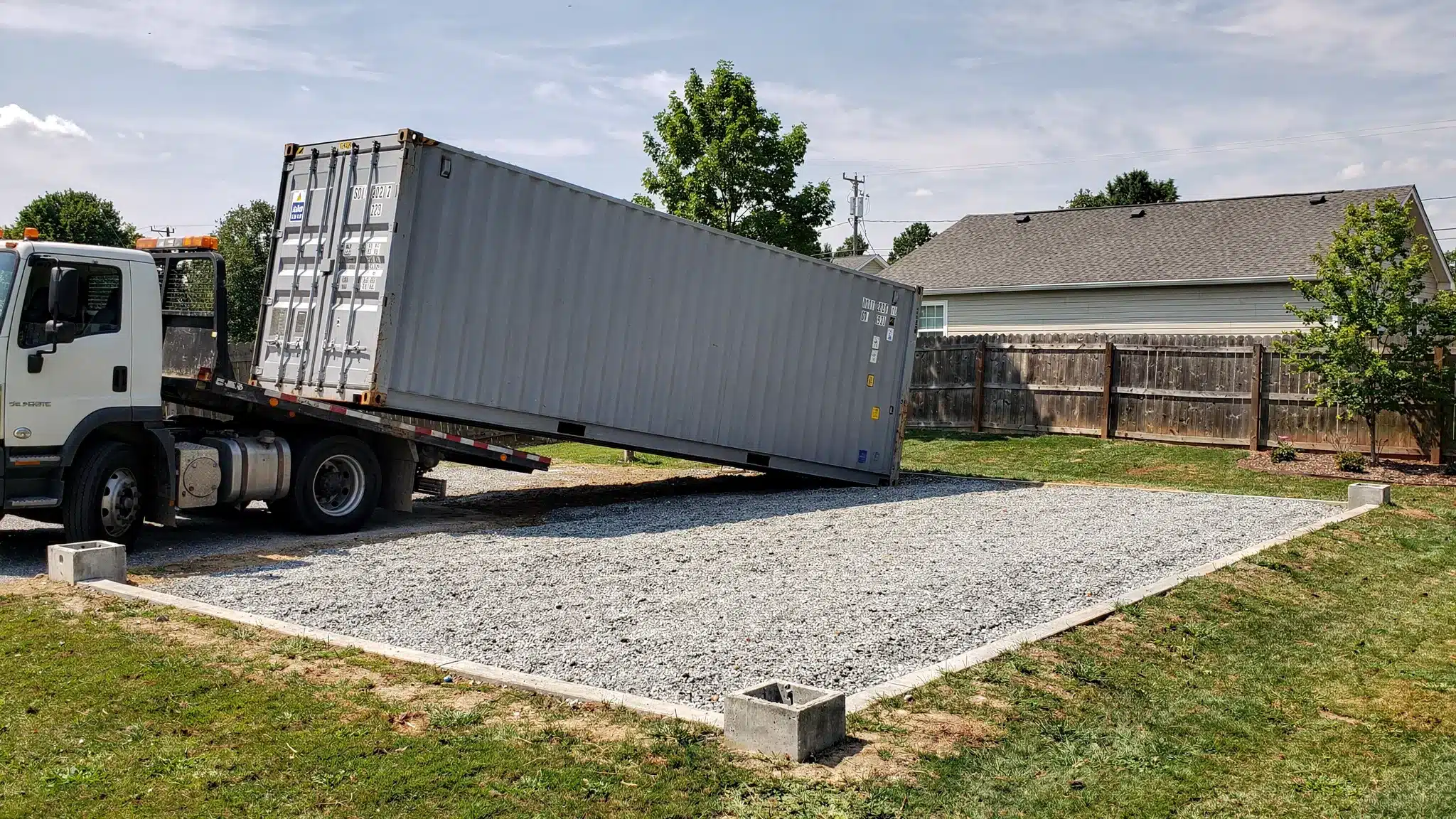
- Delivery method (tilt-bed vs. flatbed with unload equipment vs. crane).
- Site difficulty (soft ground, slope, tight turns, overhead branches, narrow gates).
- Placement requirements (precise positioning, multiple moves on-site, or backing deep into a lot).
If you want to understand the clearance and access requirements before the truck arrives, use this practical checklist: shipping container delivery requirements.
2) Failed delivery or redelivery charges
These happen when the driver arrives and cannot safely place the container. Common causes in the Southeast include saturated ground after rain, soft shoulders, or blocked access.
You can reduce risk by confirming:
- Minimum access width and turning space
- Overhead clearance for trees and lines
- Where the driver can stage while tilting/offloading
3) Damage, repair, and “beyond normal wear”
Rental contracts typically charge for avoidable damage. The most frequent issues:
- Bent door bars and damaged locking cams (often caused by forcing doors on an unlevel base)
- Forklift strikes or equipment collisions
- Floor damage from chemicals, solvents, or point loads
If you need maximum security, consider a setup with a lockbox and puck lock (common for construction sites). Our jobsite-focused security guide can help you plan: secure container setup.
4) Cleaning fees (especially for business inventory)
If you store dusty building materials, landscaping products, feed, or boxed inventory, expect potential cleaning charges at return.
This is especially relevant for small brands doing fulfillment, kitting, or light production. If you are building an apparel workflow (design, sampling, production, and then storing finished goods), pair your storage plan with an experienced apparel development and manufacturing partner so you do not over-rent space or misjudge timelines.
5) Extension, early termination, and auto-renew rules
Many rentals auto-renew monthly unless you give notice. Early termination may require a minimum paid term.
Ask these questions up front:
- Is the term billed in true calendar months or 28-day cycles?
- How many days’ notice is required to schedule pickup?
- Are there fees if the driver cannot access the container on pickup day?
6) Relocation fees (moving it on your property)
A common misconception is that you can “just slide it over a few feet later.” In reality, moving a loaded ISO container safely often requires a truck, crane, or forklift capacity that most sites do not have.
If you think you might need to reposition, plan the final drop spot on day one.
Typical rental term lengths (what’s normal in 2026)
Most rental containers are structured around a simple model: a minimum term plus monthly renewal.
Common patterns you will see:
- Short-term (1 to 8 weeks): Events, disaster recovery, quick renovations, temporary inventory overflow.
- Project-based (3 to 6 months): Typical for construction phases, remodels, and seasonal business peaks.
- Long-term (6 to 24+ months): Ongoing storage for contractors, farms, property managers, and small businesses.
In and around Raleigh, longer rentals are common for job sites because builds often span multiple months and trades overlap. In the rural Southeast, longer terms are also common for agricultural storage where seasonality repeats annually.
When renting stops making sense financially
If you expect to keep a container for a long time, compare rental totals against ownership. Buying can be more cost-effective when:
- You need storage for 12+ months
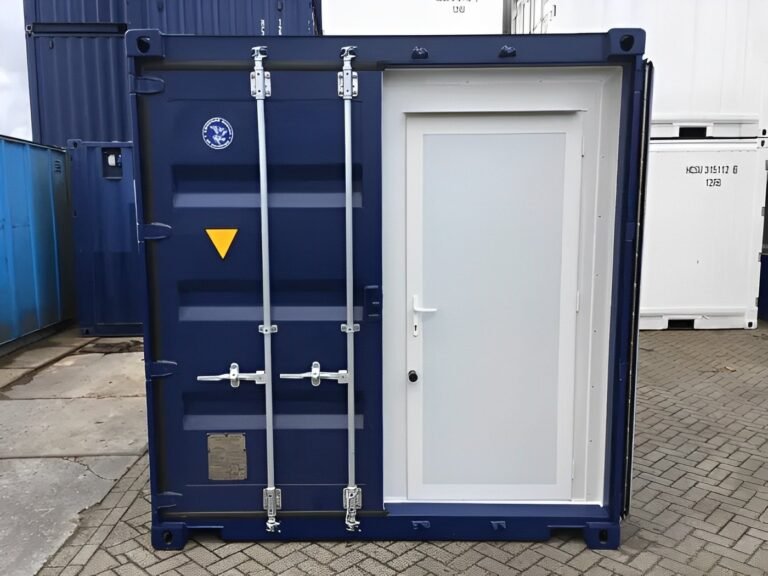
- You want to modify the unit (shelving, roll-up door, electrical, HVAC)
- You want consistent condition and known grade
If you are leaning toward ownership, start with the fundamentals in our Ultimate Shipping Container Buyers Guide. It lays out grades, delivery planning, and how to compare quotes correctly.
Choosing the right size for a rental: 20ft vs 40ft (and when High Cube matters)
Rental demand usually concentrates in 20ft and 40ft ISO containers.
- 20ft containers are easier to place on tighter residential driveways and smaller job sites. They are also a common choice for tool storage and remodel staging. If you’re comparing footprints and door clearances, reference our 20ft vs 40ft vs High Cube dimensions guide.
- 40ft containers shine for large material staging, multi-trade projects, and business inventory overflow, but they demand more turning room for delivery.
- High Cube (typically 9'6" tall) is often worth it when you need vertical clearance for racking, bulky equipment, or a more comfortable workspace. If your project is specifically a 40ft High Cube, our detailed measurements are here: 40ft High Cube container dimensions.
If you are unsure, our practical sizing method (based on what you store and how you access it) is in how to choose shipping container size.
Contract details to check before you rent
A rental agreement should clearly state what you’re getting and what triggers extra charges. The highest-value items to confirm are:
- Grade definition in writing (One-Trip vs CW vs WWT)
- Door operation expectations (no forced doors if site is unlevel)
- Delivery assumptions (method, placement, access requirements)
- Insurance and liability (your responsibility for contents, damage, and site conditions)
- Return condition and cleaning standards
If a provider cannot clearly describe container grade or avoids specifics (fresh paint, vague “refurbished,” no photos), treat that as a red flag. Our inspection principles apply even when you are not buying: how to spot quality containers before you buy.
Pro-Tip (Site Prep): Prevent fees with a simple, Southeast-ready pad plan
In Raleigh and across North Carolina, ground conditions change fast with storms and clay-heavy soils. A container that sits slightly twisted can develop door alignment issues, and a delivery truck that sinks can trigger a failed delivery charge.
Pro-Tip: Prep the drop spot like you would for permanent placement, even if it’s a short rental.
- Level first: A small slope can make ISO doors hard to open and close, which leads to damage claims.
- Use a gravel pad when possible: Compacted gravel improves drainage and reduces rutting in wet months.
- Support at the corners: Many sites use solid blocks or suitable supports at corner castings to reduce twist.
- Confirm permits and HOA rules: Some neighborhoods and municipalities around the Triangle regulate temporary structures and placement duration.
If you want a clean, no-surprises plan, send site photos and measurements before delivery. It is the best way to avoid redelivery and relocation fees.
Renting vs buying in Raleigh (and nationwide): how Lease Lane Containers can help
Lease Lane Containers is built around transparent grading and practical delivery planning, especially for customers in Raleigh and the Southeast, with nationwide delivery available. Even if you start your search with rental containers, it’s smart to compare the long-term economics and the condition you actually need.
If you decide ownership is a better fit, use these guides to get specific fast:
- Container shipping prices: a real-world cost breakdown
- 20ft shipping container price: what to expect
- The Ultimate Shipping Container Buyers Guide
Get a clear answer for your project
If you want help comparing rental containers versus buying the right ISO container (One-Trip, Cargo Worthy, or Wind & Watertight), contact our team for straight answers and practical site guidance.
Email sales@leaselanecontainers.com to talk with a local expert, or visit our Raleigh office to plan your delivery and container spec with confidence.