
Shipping Container Delivery Requirements
The delivery date is usually the easy part. What causes delays, added fees, or failed drop-offs is almost always the site itself. If you are buying a container for a job site, farm, retail overflow, or residential storage, understanding shipping container delivery requirements before the truck arrives will save time, money, and rework.
A container is simple once it is on the ground. Getting it there is the technical part. The driver needs enough room to enter, maneuver, and place the unit safely, and your site needs to support both the delivery equipment and the container’s loaded weight.
What shipping container delivery requirements actually mean
When customers ask about shipping container delivery requirements, they are usually asking one question in different ways: what does the driver need from my property to complete the drop-off safely on the first trip?
The answer depends on the container size, the delivery method, and the site conditions. A 20ft container going to a flat gravel lot is very different from a 40ft high-cube headed to a narrow residential driveway with tree cover. The requirements are not arbitrary. They exist because a steel container is heavy, rigid, and delivered on specialized equipment that needs working room.
For most deliveries, the key factors are access width, overhead clearance, turning space, ground stability, grade or slope, and a level placement area. If even one of those is off, the driver may not be able to unload the unit where you want it.
Access: the first thing to verify
If the truck cannot reach the drop area, the rest of the planning does not matter. This is where many avoidable delivery problems start.
A standard container delivery truck needs a clear path from the road to the placement point. That includes driveway width, gate openings, interior roads, and any tight turns. Even if a container is only 8 feet wide, the truck carrying it needs more real-world clearance for mirrors, trailer angle, and safe maneuvering.
For many sites, 12 feet of width is a practical minimum for access, and more is better. Tight gates, fence posts, retaining walls, parked equipment, and soft shoulders can all reduce usable width. Rural properties often have another issue: a long drive that looks accessible in dry weather but becomes soft after rain.
Turning radius matters just as much. A long trailer carrying a 40ft or 45ft container needs room to swing wide. If the truck has to make a sharp turn from a narrow road into your entrance, the driver may need more space than customers expect. That is one reason site photos are so useful before scheduling delivery.
Overhead clearance is often the hidden problem
Trees, power lines, utility drops, carports, and building overhangs are common deal-breakers. Tilt-bed and ground-level deliveries require vertical clearance not only for the truck but for the container as it is raised and slid into place.
A standard path may seem open until the bed tilts. During unloading, the highest point can be much taller than the container itself sitting on the ground. A safe rule is to confirm clear overhead space along the full path and especially at the final placement area. If there are utility lines nearby, do not estimate. Measure.
Delivery method changes the site requirements
Not every container is delivered the same way, and the equipment used affects how much space you need.
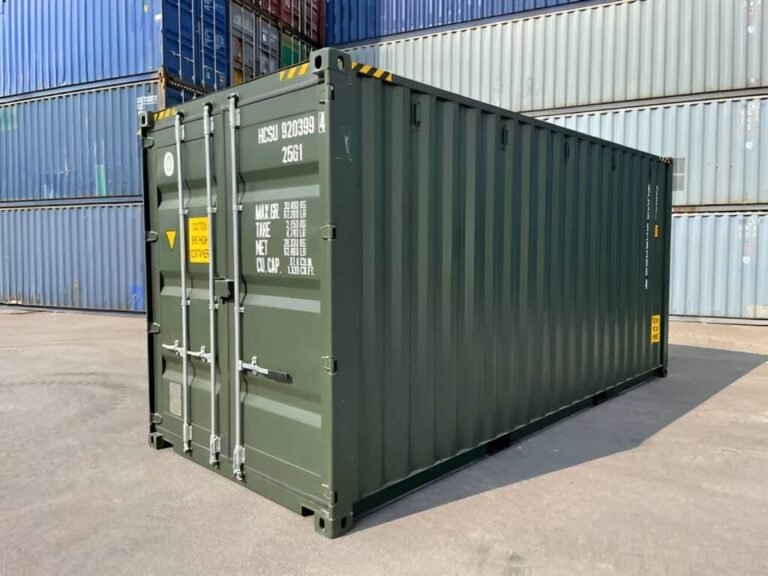
A tilt-bed truck is common for 20ft containers and many ground-level drop-offs. The truck tilts its bed and slides the container off the rear. This method is efficient, but it needs straight-line room in front of the placement area. In practical terms, the truck needs enough length to pull forward as the container slides backward onto the ground.
A flatbed delivery may be used when a crane, forklift, or other unloading equipment is available on site. This can help on locations with difficult access, but it shifts responsibility to the customer or site manager to provide proper unloading equipment with adequate lift capacity.
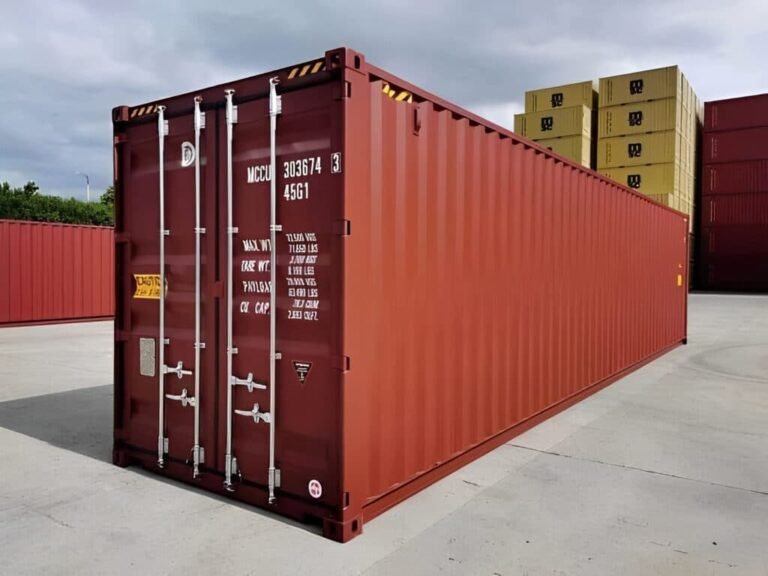
For larger units, especially 40ft and 45ft containers, delivery planning becomes more site-specific. The container length affects trailer size, turn radius, and unloading room. A site that can accept a 20ft unit may not be suitable for a 40ft high-cube without adjustments.
That is why verified specifications matter. The right question is not just, “Can you deliver a container here?” It is, “Can you deliver this specific container size and type to this exact location using this delivery method?”
Ground conditions matter more than most buyers expect
A container can look fine on uneven ground for a few days, then start causing problems. Doors may bind, the frame can rack slightly, and long-term settling can stress the corner castings and floor system.
The drop area should be firm, well-drained, and as level as possible. Gravel is often a solid choice because it provides drainage and compaction. Concrete pads work well too, especially for permanent placements or containers being converted into offices, workshops, or modular structures.
Bare soil is where it depends. Compacted soil may be acceptable for some short-term uses, but loose fill, mud, or recently disturbed ground can create trouble for both the truck and the container. Delivery equipment is heavy. If the truck sinks or loses traction, the drop-off may have to be postponed.
For long-term placement, support at the container’s corner points is standard practice because containers are engineered to bear loads through the corner castings. Some customers use railroad ties, concrete blocks, or piers, but those supports need to be properly placed and level. Improvised support can create more issues than it solves.
Slope and drainage are part of delivery requirements too
A mild slope may be manageable, but significant grade changes complicate unloading. If the truck is not level enough during a tilt-bed drop, the container can shift unpredictably or land out of position. Low areas that collect water also create long-term access and foundation problems.
If your site is in a flood-prone or soft-ground area, it is better to address grading and base preparation before delivery. That is especially true for agricultural and construction users who expect repeated access with forklifts, side-by-sides, or pallet jacks.
Placement planning should match how you will use the container
Delivery is not just about getting the container onto the property. It is about placing it where it will function properly once the truck leaves.
Door orientation is a common oversight. If you need frequent access, the cargo doors should face the direction that gives you working room. On a job site, that may mean orienting doors toward equipment access. On a residential property, it may mean leaving enough room to open both doors fully without backing into a fence or tree line.
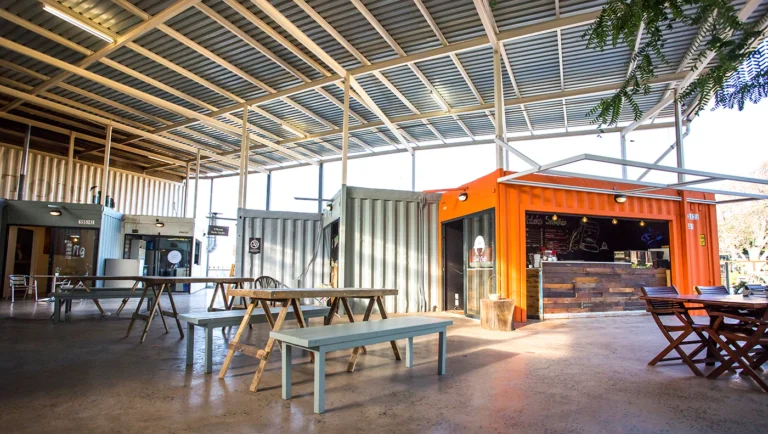
You should also think about future use. If the container may later become a mobile office, workshop, or insulated build-out, leave room for electrical access, HVAC equipment, personnel doors, or framing work. A container placed too close to another structure can limit those options.
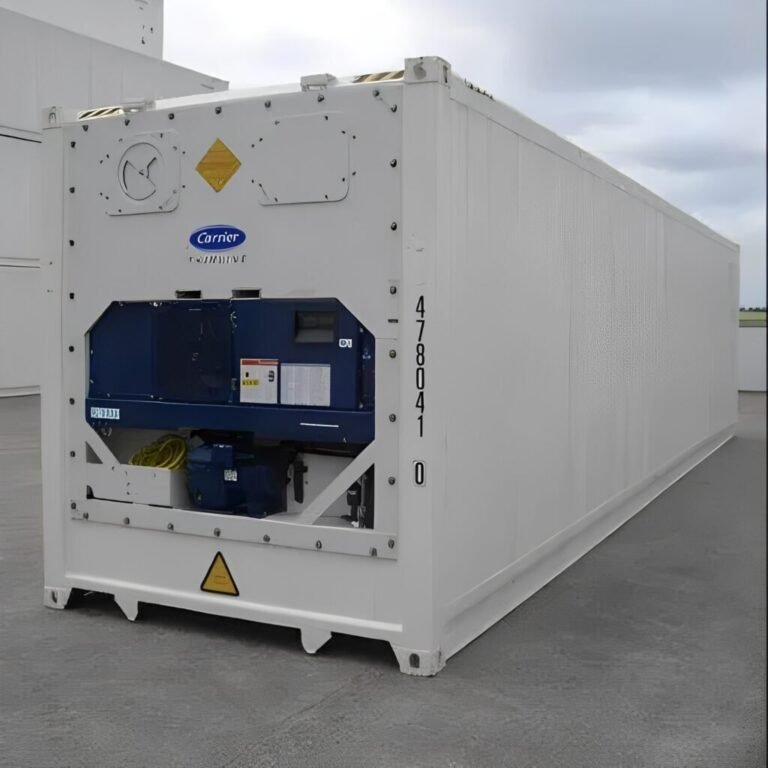
For refrigerated containers, tunnel containers, or custom units, the requirements can be more specific. Reefers may need electrical planning and service access. Open-top units may require overhead room for loading methods. Tunnel containers need practical access at both ends to make the design useful.
What to have ready before the truck arrives
The cleanest deliveries happen when the site contact has already walked the route and cleared the placement area. Remove vehicles, loose materials, low branches, and anything else that narrows the path. If there is a gate, verify that it opens fully and stays open.
It also helps to mark the exact location where the container should be placed. Paint, stakes, or flags can work, as long as they are visible to the driver. If property lines are tight, measure setbacks before delivery day rather than guessing once the truck is on site.
If permits, HOA approvals, or local zoning rules apply, handle them in advance. This varies widely by municipality and by intended use. A storage container on an active construction site is different from a permanent backyard placement or a retail pop-up installation. The delivery company can often advise on logistics, but local compliance is typically the customer’s responsibility.
Why condition and grade still matter during delivery
Delivery planning should account for the container’s actual condition, not just its dimensions. A one-trip container generally presents the most uniform appearance and is often preferred for residential or customer-facing commercial use. A used Wind & Watertight container can be an excellent value for secure storage, but buyers should understand cosmetic wear versus structural integrity.
That transparency matters because expectations affect placement decisions. If appearance matters, you may choose a more visible location near a building or storefront. If the unit is purely for job-site storage, access and security may matter more than surface cosmetics.
This is where working with a provider that gives verified specifications and clear grading definitions makes a practical difference. Companies such as Lease Lane Containers help customers think through access, drop method, and container condition together, which reduces the chance of surprises on delivery day.
The best approach is simple: treat delivery as part of the purchase, not an afterthought. A few measurements, honest site photos, and clear placement goals usually prevent the expensive problems people assume are just part of the process. If you prepare the site for the truck, the container tends to take care of the rest.
One Comment