Shipping Container Pool Cost Explained
A shipping container pool cost can look straightforward at first glance, then change quickly once delivery, site prep, and finish work enter the picture. That is why buyers who want a clean budget need to look past the container itself and price the full installation. The pool shell matters, but so do structural modifications, utility connections, and how difficult it is to place the unit on site.
For most buyers, the real question is not just, “What does the pool cost?” It is, “What will I actually spend from purchase to first swim?” That is the number worth planning around.
What is the typical shipping container pool cost?
In the US market, a basic shipping container pool cost often starts around $25,000 to $40,000 for a simpler setup and can move into the $50,000 to $80,000 range for a more finished installation. Premium builds can go higher, especially when buyers add heating, composite decking, glass viewing panels, premium liners, automation, or extensive landscaping.
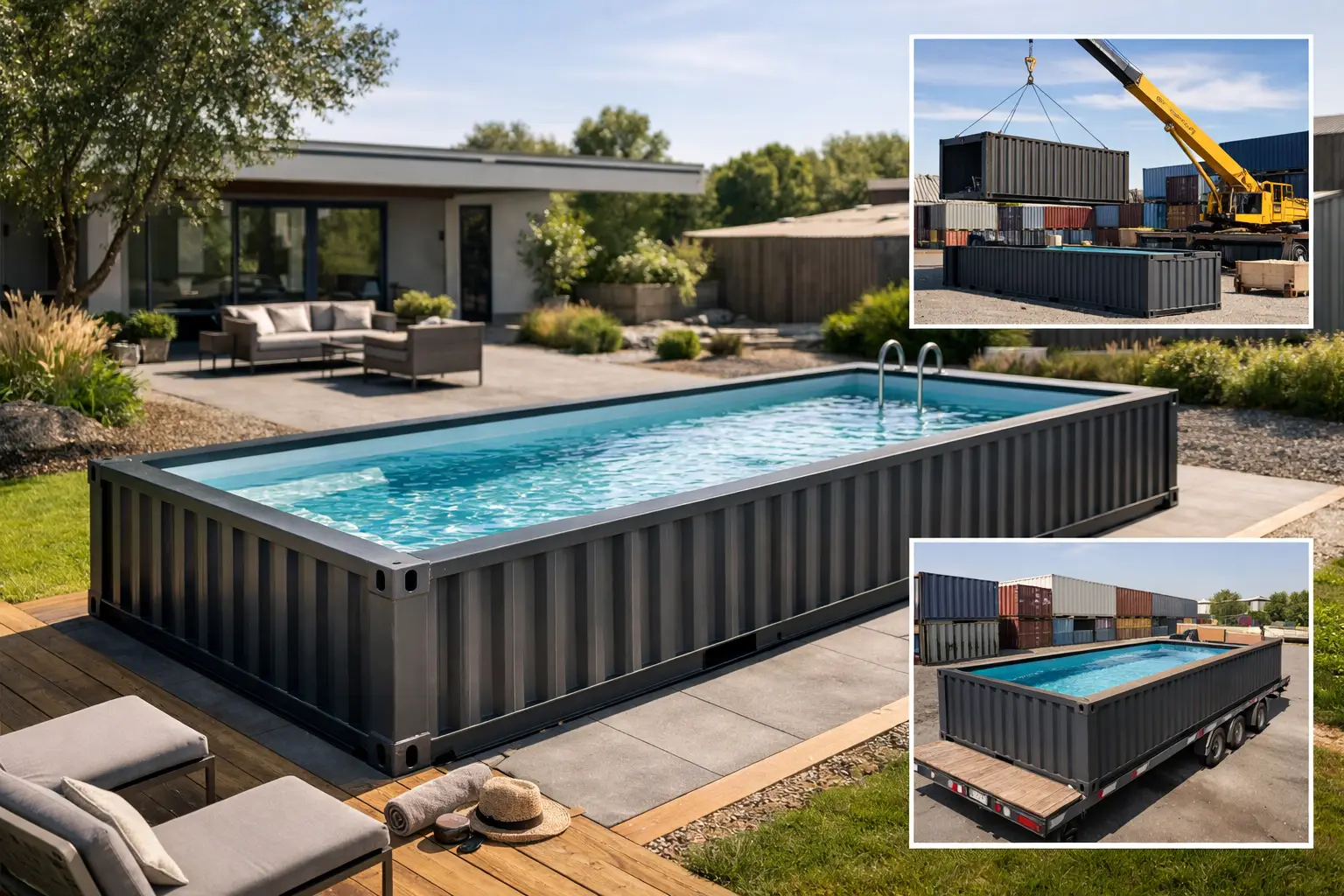
That range is wide for a reason. A stock 20-foot or 40-foot container is not a finished pool. It has to be cut, reinforced, waterproofed, plumbed, and transported in a way that protects structural integrity. If the site has limited access, poor soil, elevation issues, or strict permit requirements, costs rise fast.
For a buyer focused on zero surprises, it helps to break the project into five buckets: the container itself, fabrication, site work, pool equipment, and delivery and placement. Miss one of those categories, and the budget will not hold.
The biggest factors that affect shipping container pool cost
Container size and condition
A 20-foot container usually costs less to buy, transport, and place than a 40-foot unit. That sounds obvious, but it affects more than footprint. Larger pools need more reinforcement, more liner or coating material, more water, and often larger equipment to circulate and heat that water efficiently.
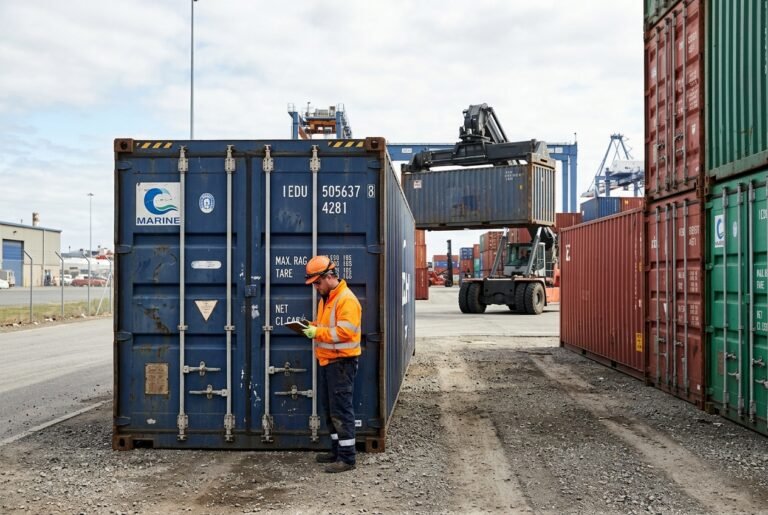
Condition matters too. A one-trip container generally costs more upfront than a used container, but it may offer a cleaner exterior appearance and a more predictable starting point for modification. A used Wind & Watertight unit can save money, but if corrosion, prior repairs, or floor contamination need extra remediation, those early savings may disappear.
For pool conversion work, structural reliability matters more than getting the cheapest box. Cutting out sections for skimmers, stairs, windows, or mechanical access changes how loads move through the container. Starting with a sound shell usually reduces downstream problems.
Fabrication and structural reinforcement
This is one of the largest cost drivers. A shipping container was built to carry cargo through corner castings and corrugated steel walls, not to hold thousands of gallons of lateral water pressure after major cutouts have been made.
That means fabricators often add steel reinforcement, internal framing, and engineered support around any openings. If you want a full-width stair entry, acrylic viewing panel, infinity edge, or elevated installation, the structural work becomes more involved. Simple rectangle conversions cost less. Custom design choices raise both labor and engineering costs.
Waterproofing and interior finish
Steel alone is not your finished swimming surface. Most container pools need a waterproofing system plus an interior finish such as a liner, epoxy-style coating, fiberglass insert, or similar treatment depending on the design.
This category has a direct impact on long-term maintenance. Lower-cost finishes may reduce upfront price but create earlier repair cycles, surface wear, or leak risks. Better materials usually cost more on day one, but they can produce a more stable ownership cost over time.
Pool equipment and utility connections
A container pool still needs the same core systems as any other pool. That includes a pump, filter, plumbing lines, electrical service, and often a heater. Saltwater systems, automated controls, lighting, and upgraded sanitation systems add cost but can improve usability.
If the pool sits far from the home’s electrical panel or water supply, trenching and utility runs can become a serious line item. This is one of the most common budget misses. Buyers focus on the pool shell and forget that the site may need substantial support work before the system can operate safely.
Site work can change the budget more than expected
If there is one area where shipping container pool cost gets underestimated, it is site preparation. The container pool must sit on a properly prepared base that matches the soil conditions and the installation plan. Depending on the project, that could mean compacted gravel, concrete piers, a slab, or an engineered foundation.
A level site with good access is cheaper to work with. A sloped backyard, soft ground, tree removal, retaining walls, fencing upgrades, or tight crane access pushes costs up. The same applies if local codes require drainage work, barrier compliance, or specific setbacks.
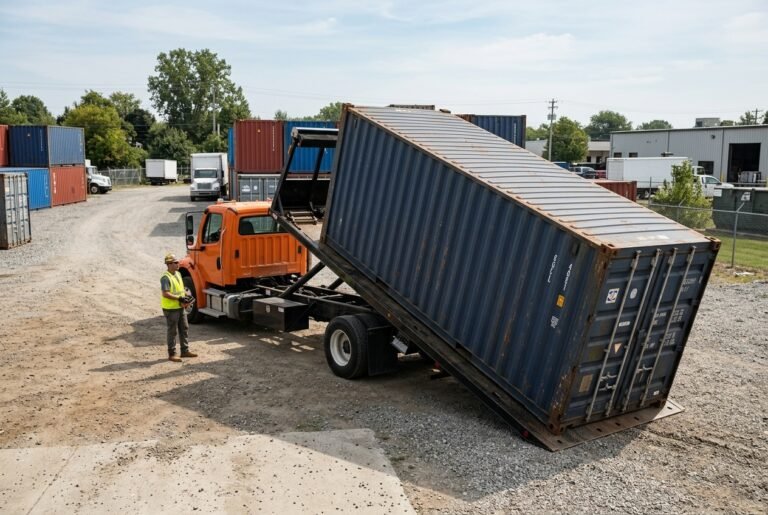
Delivery is another practical detail that should be priced early. A container pool is large, heavy, and not easy to reposition once it arrives. Tilt-bed delivery may work for some at-grade placements, while others need crane service. Access width, overhead wires, gate clearances, and turning radius all matter. This is where an experienced container logistics partner can prevent expensive mistakes before the unit is dispatched.
New build vs prefab vs DIY conversion
There is no single buying path, and that affects the final number.
A prefab container pool from a specialized manufacturer usually costs more upfront, but it may reduce decision fatigue and compress the timeline. In many cases, key fabrication work is already completed and tested before delivery.
A custom local build gives more control over dimensions, finishes, and features. It can be a good fit for commercial hospitality projects or homeowners with specific design goals. The trade-off is that project management gets more complex, and costs can drift if specifications are not tightly defined.
A DIY-style conversion can look cheaper on paper, but it carries the most risk. Waterproofing failures, poor reinforcement, and code issues can turn a budget project into a very expensive correction. For buyers without fabrication and site experience, DIY often saves less than expected.
Hidden costs buyers should price early
Some expenses are not really hidden. They are just left out of the first quote.
Permits, engineering review, excavation, electrical trenching, fencing, decking, landscaping, and startup chemicals all count toward the true project cost. Insurance requirements may also change if the installation is part of a commercial property, short-term rental, or public-facing venue.
Maintenance should be part of the conversation as well. Container pools can be efficient in size, but they still need regular water treatment, cleaning, and seasonal care. If the steel shell or coating system is poorly executed, future repair costs can be significant.
This is why clear scope matters. A low quote for the pool alone is not the same as a realistic installed budget.
How to budget for shipping container pool cost without surprises
Start with the installed goal, not the shell price. Ask for separate pricing on the container, fabrication, equipment package, delivery, and site work. If a quote does not clearly state what is excluded, treat that as a warning sign.
It also helps to decide early whether appearance or function is your higher priority. Some buyers want a clean modern showpiece with premium exterior cladding and deck integration. Others want a durable, compact plunge pool that performs well and keeps the budget controlled. Both are valid, but the pricing is different.
If you are still in the planning stage, verify the container specifications before fabrication begins. Grade, dimensions, steel condition, and delivery method all affect the final outcome. A dependable supplier can help you understand whether a one-trip, used, or modified unit makes the most sense for the project. Companies such as Lease Lane Containers work with buyers who want verified specifications and clear logistics planning before a unit ever hits the road.
Is a container pool worth the cost?
It depends on what you value. If you want a compact pool with a modern industrial look, faster installation potential, and a smaller footprint than many traditional in-ground builds, a container pool can make financial sense. If your site is difficult, your finish expectations are high, or local code requirements are strict, the savings compared with a conventional pool may narrow.
The smart approach is to treat it like any other structural project. Price the shell, the modifications, the site, and the delivery with the same level of care. When those numbers are clear from the start, a container pool becomes easier to evaluate on real value instead of rough estimates.
The best pool projects are rarely the cheapest on page one. They are the ones with clear pricing, verified specs, and no surprises once the truck shows up.