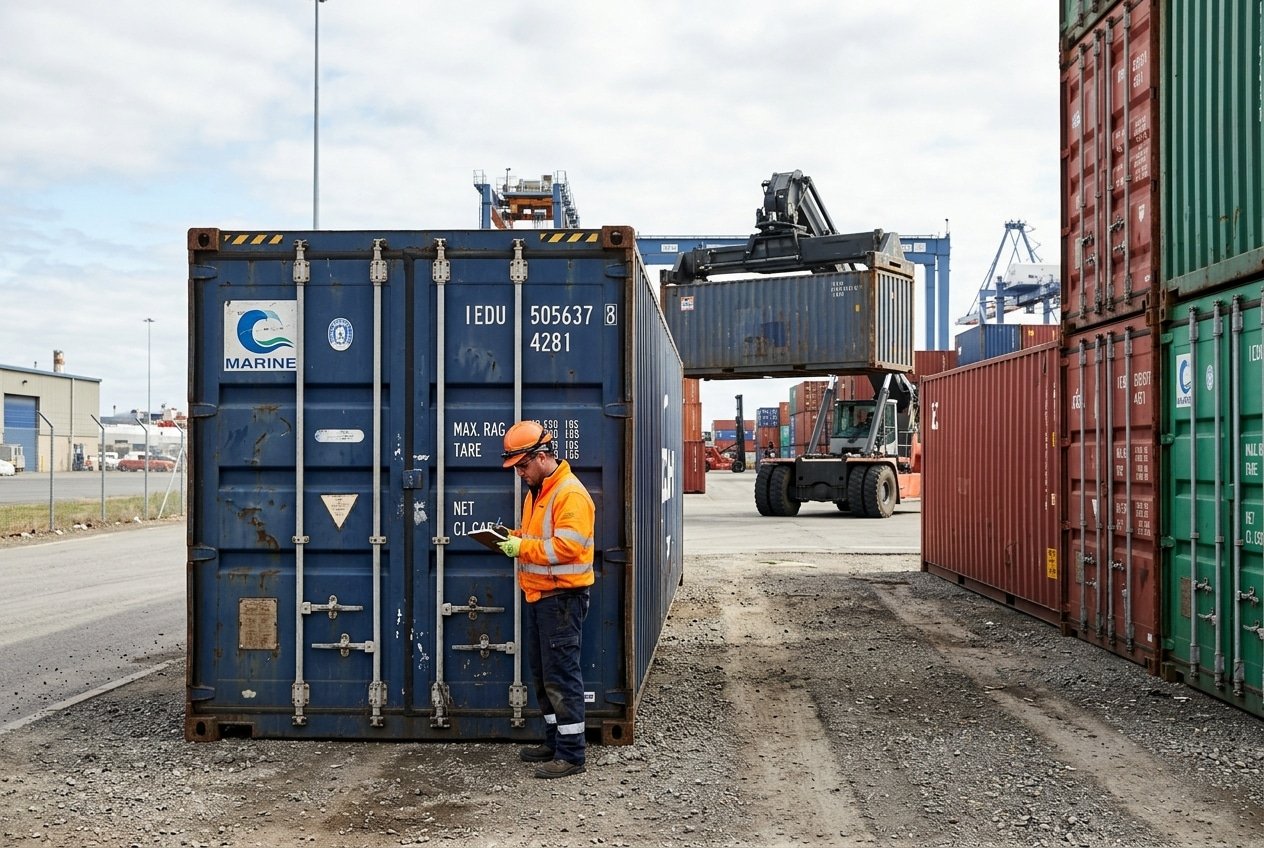
The Average Used 40ft High Cube Container Price
Table of Contents
- Table of Contents
- Understanding the 40ft High Cube Container Market
- Standard vs. High Cube: Dimensions and Capacity Differences
- Current Average Price Ranges for Used Units
- Price Variance by Condition: Cargo Worthy vs. Wind and Watertight
- The Premium for ‘One-Trip’ Used Containers
- Key Factors Influencing Used Container Costs
- Global Supply Chain Trends and Steel Prices
- Geographic Location and Port Proximity
- Hidden Costs Beyond the Sticker Price
- Delivery Logistics and Tilt-Bed Trailer Fees
- Modification and Refurbishment Expenses
- Inspecting a Used High Cube Before Purchase
- Identifying Structural Integrity and Corrosion Issues
- Where to Buy Used 40ft High Cube Containers
- Direct from Shipping Lines vs. Container Resellers
- Predicting Future Price Trends in the Used Market
- Final Checklist
Table of Contents
- Understanding the 40ft High Cube Container Market
- Standard vs. High Cube: Dimensions and Capacity Differences
- Current Average Price Ranges for Used Units
- Price Variance by Condition: Cargo Worthy vs. Wind and Watertight
- The Premium for ‘One-Trip’ Used Containers
- Key Factors Influencing Used Container Costs
- Global Supply Chain Trends and Steel Prices
- Geographic Location and Port Proximity
- Hidden Costs Beyond the Sticker Price
- Delivery Logistics and Tilt-Bed Trailer Fees
- Modification and Refurbishment Expenses
- Inspecting a Used High Cube Before Purchase
- Identifying Structural Integrity and Corrosion Issues
- Where to Buy Used 40ft High Cube Containers
- Direct from Shipping Lines vs. Container Resellers
- Predicting Future Price Trends in the Used Market
- Final Checklist
If you’re budgeting for a storage project, job-site workspace, or container conversion, one of the first numbers you’ll want to pin down is the used 40ft high cube container price. These taller shipping containers have become a go-to for buyers who need more vertical clearance than a standard unit provides, and pricing can swing by thousands of dollars depending on condition, location, and market timing. A realistic price range for most buyers in 2024 and into 2025 falls between $2,200 and $5,500, but that spread hides a lot of detail worth understanding before you commit. Knowing what drives that number up or down puts you in a stronger position to negotiate, avoid surprises, and get a container that actually fits your project. This guide breaks down real pricing data, condition grades, hidden costs, inspection tips, and sourcing options so you can make a confident purchase.
Understanding the 40ft High Cube Container Market
The 40ft high cube shipping container is one of the most popular units on the secondary market, and for good reason. It offers a massive footprint for storage, conversion projects, and on-site workspace, with extra headroom that standard containers can’t match. Demand has stayed consistently strong among contractors, small businesses, homeowners, and rural property owners who need a durable, relocatable structure.
The used market for these containers is fed by international shipping lines that retire units after a set number of voyages. Once a container cycles out of active ocean freight, it enters the resale pipeline through depots, resellers, and direct sales. Because global trade volumes fluctuate, the number of available units rises and falls, which directly affects what you’ll pay.
Standard vs. High Cube: Dimensions and Capacity Differences
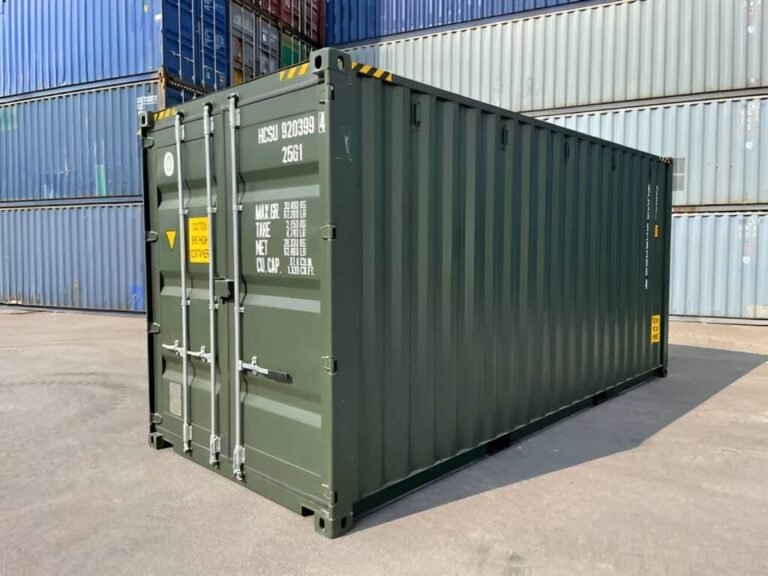
A standard 40ft shipping container measures 40 feet long, 8 feet wide, and 8 feet 6 inches tall on the exterior. The high cube version shares the same length and width but adds an extra foot of height, bringing the exterior to 9 feet 6 inches. That translates to roughly 2,700 cubic feet of interior space versus about 2,390 cubic feet in a standard unit.
That extra 12 inches of vertical clearance matters more than most buyers expect. If you’re installing shelving, hanging lighting, building out an interior workspace, or stacking pallets, the difference between a 7-foot-10-inch interior ceiling and an 8-foot-10-inch ceiling is significant. For container offices, workshops, or living space conversions, the high cube is almost always the better choice. The taller profile also makes it easier to run ductwork, insulation, and electrical conduit without feeling cramped.
Current Average Price Ranges for Used Units
Pricing for a used 40ft high cube shipping container typically falls into three tiers based on condition grade. Across the U.S., you can expect the following general ranges as of late 2024 and early 2025:
- Cargo Worthy (CW): $2,200 to $3,200
- Wind and Watertight (WWT): $1,800 to $2,800
- One-Trip: $4,000 to $5,500
These figures shift based on your location, the seller, and current supply levels. Buyers near major port cities like Houston, Savannah, or Los Angeles often find lower prices because of higher container availability. Inland buyers, including those in the Raleigh, North Carolina area, may see a small premium due to transport costs from the nearest depot.
Price Variance by Condition: Cargo Worthy vs. Wind and Watertight
The distinction between Cargo Worthy and Wind and Watertight grades is one of the most misunderstood aspects of container buying. A Cargo Worthy container has been inspected and certified as structurally sound enough to be loaded onto a vessel for international shipping. It will have functional doors, intact floor boards, and no holes, though it may show surface rust, dents, and cosmetic wear.
A Wind and Watertight unit keeps the elements out but hasn’t passed a current cargo worthiness inspection. It may have older patches, heavier surface corrosion, or minor structural issues that don’t affect its use as ground-level storage. For most buyers using a container on their property or job site, a WWT unit works perfectly well and saves $400 to $800 compared to a CW-graded container.
The Premium for ‘One-Trip’ Used Containers
One-trip containers sit at the top of the used market. These units were manufactured overseas, typically in China, loaded with cargo for a single voyage to the U.S., and then sold domestically. They’re technically “used” because they’ve made one ocean crossing, but they look and perform like new containers.
Expect to pay $4,000 to $5,500 for a one-trip 40ft high cube, depending on your region. The premium buys you clean paint, minimal wear, factory-fresh door seals, and a container that will last 25 years or more with basic maintenance. If appearance matters for your project, or if you’re planning a conversion where cutting and welding are involved, starting with a one-trip unit saves time and money on prep work.
Key Factors Influencing Used Container Costs
Several forces push the used 40ft high cube container price up or down in any given month. Understanding these helps you time your purchase and set realistic expectations.
Global Supply Chain Trends and Steel Prices
Container pricing tracks closely with two macroeconomic factors: global shipping demand and the cost of raw steel. When international trade volume drops, shipping lines retire more containers, flooding the secondary market and pushing prices down. The opposite happens during trade surges, when lines hold onto units longer and fewer hit the resale pipeline.
Steel prices also play a direct role. A standard 40ft high cube shipping container contains roughly 3,500 to 4,000 pounds of corten steel. When scrap steel prices rise, the floor price for used containers rises with it, because sellers won’t let units go below their melt value. Between 2021 and 2023, container prices spiked dramatically due to pandemic-era supply chain disruptions. Prices have since corrected, but they remain above pre-2020 levels.
Geographic Location and Port Proximity
Your distance from a major container depot is one of the biggest cost variables. Buyers in port cities can often pick up a container for $300 to $800 less than someone located 500 miles inland. That’s because the seller doesn’t need to factor in long-haul delivery.
For buyers in the Southeast, including the Raleigh and Triangle region of North Carolina, containers typically come from depots connected to the ports of Savannah, Norfolk, or Charleston. Lease Lane Containers, based in Raleigh, helps local and nationwide buyers compare options and plan delivery logistics, which can make a real difference in your total cost.
Hidden Costs Beyond the Sticker Price
The listed price on a container is only part of the equation. Several additional expenses can add $500 to $3,000 or more to your total investment.
Delivery Logistics and Tilt-Bed Trailer Fees
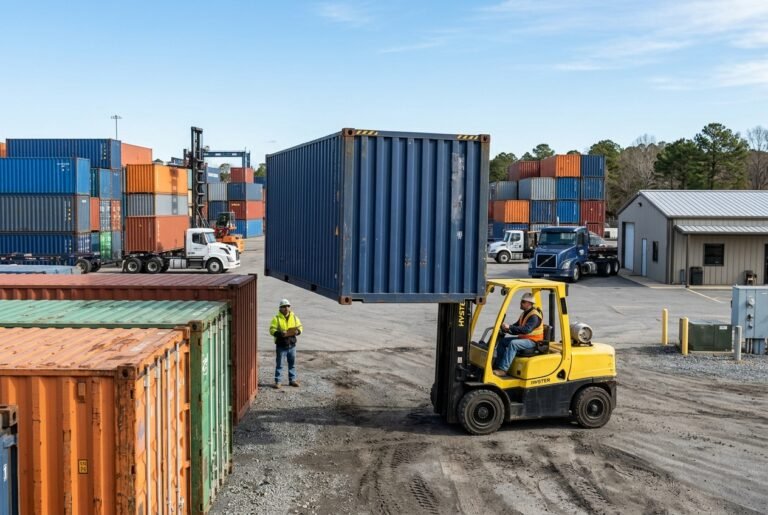
Most used containers are delivered on a tilt-bed trailer, which requires a relatively flat, firm surface and enough clearance for the truck to maneuver. A typical tilt-bed needs about 100 feet of straight-line space to slide the container off the back. If your site has overhead power lines, low-hanging branches, or a narrow driveway, you may need a more expensive delivery method like a crane or a side-loader.
Delivery fees range from $150 to $500 for local drops within 50 miles of a depot. Longer hauls can run $1,000 to $2,500 depending on distance. Always confirm the delivery method and access requirements before you commit. A container that costs $2,800 at the depot can quickly become a $4,000 purchase once delivery, site prep, and placement are factored in.
Modification and Refurbishment Expenses
If you’re planning to modify your container, budget accordingly. Common modifications and their rough costs include:
- Roll-up door installation: $1,200 to $2,000
- Personnel door and frame: $800 to $1,500
- Window cut-out and installation: $500 to $1,000 per window
- Interior insulation and framing: $2,000 to $5,000
- Electrical panel and wiring: $1,500 to $3,500
- Exterior repainting: $500 to $1,200
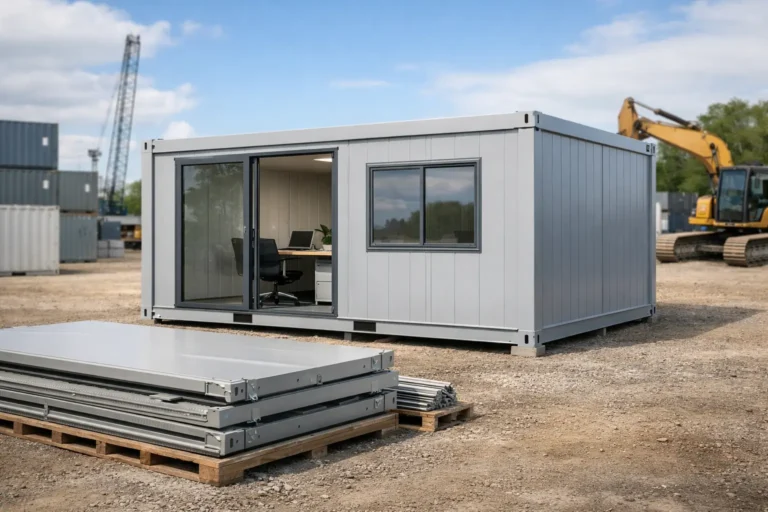
Starting with a higher-grade container, like a one-trip unit, reduces the amount of prep work needed before modifications begin. Heavily corroded or patched WWT containers may need sandblasting and rust treatment before any cutting happens, which adds time and cost.
Inspecting a Used High Cube Before Purchase
A thorough inspection before buying protects you from expensive surprises. Even reputable sellers can have units with hidden issues, so knowing what to check gives you an edge.
Identifying Structural Integrity and Corrosion Issues
Start with the roof. Climb up or use a ladder to look for dents, pooling areas, and rust-through spots. Roof panels on older containers are prone to corrosion, especially where water has sat for extended periods. Inside, look up at the ceiling with a flashlight on a sunny day. Any pinpoints of light indicate holes.
Check the corner castings and bottom rails. These are the structural backbone of the container. Cracks, heavy rust, or deformation in the corner castings are deal-breakers. Open and close both cargo doors fully. They should swing smoothly and seal tightly against the rubber gaskets. Stiff or misaligned doors suggest frame warping.
Inspect the flooring by walking the full length of the container. Standard marine-grade plywood floors should feel solid underfoot with no soft spots. Look for signs of moisture damage, mold, or pest activity. Finally, check the exterior walls for patches, welds, and deep corrosion. A few surface dents are normal. Holes that have been patched with silicone rather than welded steel are a red flag.
Where to Buy Used 40ft High Cube Containers
You have two main purchasing channels, each with distinct advantages and trade-offs.
Direct from Shipping Lines vs. Container Resellers
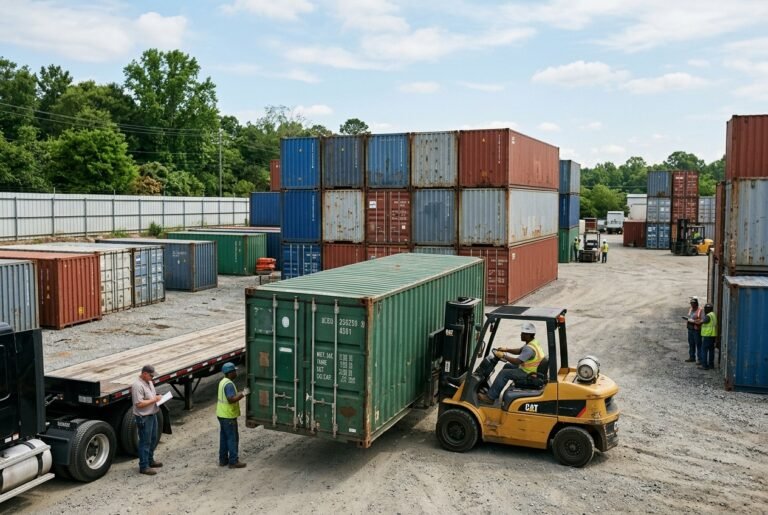
Buying directly from a shipping line can sometimes get you a lower per-unit price, especially if you’re purchasing multiple containers. Lines like Maersk, MSC, and CMA CGM operate their own resale platforms. The downside is limited flexibility: you often can’t inspect individual units before purchase, delivery options may be restricted, and customer support is minimal.
Container resellers, on the other hand, typically offer inspected and graded inventory with clearer condition descriptions. A good reseller will provide photos, explain the grading system, and help you match a container to your specific project. Lease Lane Containers, for example, provides transparent grading guidance and delivery planning support, helping buyers across the U.S. understand exactly what they’re getting before a container shows up on their property.
For most individual buyers and small businesses, working with a reputable reseller saves time and reduces risk compared to navigating a shipping line’s bulk sales process.
Predicting Future Price Trends in the Used Market
Container pricing is cyclical, and several indicators suggest where the market is heading. Global trade volumes, new container production rates in China, and U.S. infrastructure spending all influence supply and demand.
As of early 2025, prices have stabilized after the dramatic post-pandemic correction. New container production has slowed slightly, which means fewer one-trip units are entering the U.S. market. If that trend continues, expect one-trip prices to firm up or rise modestly over the next 12 to 18 months.
For Cargo Worthy and WWT units, pricing will depend heavily on how many containers shipping lines decide to retire. A slowdown in global trade could push more units into the secondary market, creating buying opportunities. Conversely, strong trade activity keeps containers in service longer and tightens supply.
The practical takeaway: if you need a container in the next six months, current pricing represents fair value. Waiting for a dramatic price drop isn’t a reliable strategy, and you risk paying more if supply tightens.
Final Checklist
Before you purchase a used 40ft high cube shipping container, run through these steps:
- Confirm your site can accommodate a tilt-bed delivery: 100 feet of clearance, firm ground, no overhead obstructions.
- Decide on a condition grade (One-Trip, Cargo Worthy, or Wind and Watertight) based on your intended use and budget.
- Request photos and a condition report from the seller before committing.
- Factor in delivery fees, site prep costs, and any planned modifications to get your true total cost.
- Inspect corner castings, roof panels, doors, and flooring before accepting delivery.
- Verify the container’s CSC plate for manufacturing date and original specifications.
Getting the right container at a fair price comes down to preparation and working with a seller who gives you honest information. If you’re ready to compare options, browse Lease Lane Containers’ current inventory to see available sizes, grades, and pricing. Their Raleigh-based team can help you plan delivery logistics and choose the right unit for your project, whether you’re local to North Carolina or ordering from anywhere in the country.