The Best Shipping Container Grades for Storage
Table of Contents
- Table of Contents
- Understanding Container Grading Standards
- The Role of the International Convention for Safe Containers
- Common Industry Terminology and Definitions
- One-Trip Containers: The Gold Standard for Storage
- Structural Integrity and Aesthetic Benefits
- Long-Term Value and Resale Potential
- Cargo Worthy (CWO) Grade for Reliable Protection
- Certification Requirements for Overseas Shipping
- Wind and Watertight (WWT) Containers for Budget Storage
- Assessing Door Seals and Floor Quality
- As-Is Containers and Refurbished Options
- The Risks and Rewards of Uncertified Units
- Choosing the Right Grade for Your Specific Needs
- Matching Container Grade to Stored Inventory Type
- Environmental Considerations and Placement Duration
- Essential Inspection Checklist Before Purchase
Table of Contents
- Understanding Container Grading Standards
- The Role of the International Convention for Safe Containers
- Common Industry Terminology and Definitions
- One-Trip Containers: The Gold Standard for Storage
- Structural Integrity and Aesthetic Benefits
- Long-Term Value and Resale Potential
- Cargo Worthy (CWO) Grade for Reliable Protection
- Certification Requirements for Overseas Shipping
- Wind and Watertight (WWT) Containers for Budget Storage
- Assessing Door Seals and Floor Quality
- As-Is Containers and Refurbished Options
- The Risks and Rewards of Uncertified Units
- Choosing the Right Grade for Your Specific Needs
- Matching Container Grade to Stored Inventory Type
- Environmental Considerations and Placement Duration
- Essential Inspection Checklist Before Purchase
Buying a shipping container for storage sounds straightforward until you realize there are four or five distinct grades on the market, each with different price points, cosmetic conditions, and structural guarantees. A contractor storing power tools on a job site in Wake County has very different requirements than a farm owner in rural eastern North Carolina shelving seasonal equipment for a decade. The grade you select determines how well that steel box protects your property, how long it lasts without maintenance headaches, and what it’s worth if you decide to sell or relocate it later. Picking the right shipping container grade for storage is one of the most consequential decisions in the buying process, and it deserves more than a five-second glance at a price sheet. This guide breaks down every major grade, explains the certifications behind them, and gives you a practical framework for matching the right container to your actual use case, budget, and site conditions.
Understanding Container Grading Standards
Container grading is not a single universal system. It’s a combination of international safety regulations, industry shorthand, and supplier-level quality assessments that together describe a container’s structural condition, weatherproofing, and cosmetic appearance. The confusion most buyers face stems from the fact that different sellers sometimes use the same terms to mean slightly different things, or they invent their own grading labels to differentiate inventory.
The core grades you’ll encounter are One-Trip, Cargo Worthy, Wind and Watertight (WWT), and As-Is. Each represents a step down in condition, certification, and price. Understanding what backs each label – whether it’s an international inspection standard or simply a seller’s visual assessment – helps you avoid paying premium prices for a container that doesn’t meet the standard you assumed.
The Role of the International Convention for Safe Containers
The International Convention for Safe Containers (CSC) is a 1972 treaty administered by the International Maritime Organization. Its primary purpose is ensuring containers used in international transport meet minimum structural safety requirements. Every container built for ocean shipping carries a CSC safety approval plate, typically riveted to the left door, listing the container’s maximum gross weight, stacking capacity, and the date of its last inspection.
A CSC plate doesn’t tell you much about cosmetic condition. It confirms the container was structurally sound enough for ocean transport at the time of its last examination. For storage buyers, the CSC plate matters most if you ever plan to ship the container overseas or resell it into the logistics market. Containers that have fallen out of CSC compliance can still be excellent storage units, but they lose their eligibility for international freight, which affects resale value.
CSC re-examinations typically happen on a five-year cycle under the Continuous Examination Program (CEP) or through periodic inspection schemes. Once a container fails or is retired from shipping service, it drops out of the CSC system entirely. That’s the point where containers transition from active cargo use into the storage and modification market.
Common Industry Terminology and Definitions
The four primary grades break down as follows:
- One-Trip: A container manufactured overseas (usually in China) and shipped to the U.S. with a single cargo load. Essentially new condition with minimal cosmetic wear.
- Cargo Worthy (CWO): A used shipping container that has passed a certified inspection confirming it meets structural and weatherproofing standards for ocean transport. Still carries valid CSC approval.
- Wind and Watertight (WWT): A used shipping container that keeps out wind and rain but has not been certified for ocean shipping. The assessment is typically made by the seller, not a third-party inspector.
- As-Is: Sold without any guarantee of condition. May have rust holes, damaged floors, broken door hardware, or compromised structural members.
Some sellers add intermediate grades like “IICL-5” (based on the Institute of International Container Lessors repair standards) or proprietary labels like “Premium Used.” These can be useful distinctions, but always ask what specific inspection criteria back the label.
One-Trip Containers: The Gold Standard for Storage
If your budget allows it, a one-trip container is the strongest choice for long-term storage. These units have made a single ocean voyage from the manufacturing facility to a U.S. port, arriving in near-new condition with factory-applied paint, fresh marine-grade plywood flooring (typically 28mm Apitong or bamboo composite), and original rubber door gaskets that seal tightly.
The typical one-trip 20ft shipping container weighs approximately 2,300 kg (5,070 lbs) empty and offers roughly 1,170 cubic feet of interior storage space. A 40ft high cube shipping container – the most popular one-trip option for storage – provides about 2,700 cubic feet with an interior height of 8’10”, giving you an extra foot of vertical clearance compared to standard-height units.
Structural Integrity and Aesthetic Benefits
One-trip containers have Corten steel walls and roofing panels with their full original thickness, typically 1.6mm for wall panels and 2.0mm for roof panels. There’s no meaningful corrosion, no patch welds, and no dents beyond the minor scuffs picked up during a single transit. The corrugated steel panels retain their full load-bearing capacity, meaning you can stack containers or mount rooftop equipment without worrying about compromised steel.
Cosmetically, one-trip units look clean. The paint is uniform, the doors operate smoothly, and the container presents well on residential properties, retail sites, or anywhere appearance matters. Homeowners in neighborhoods with HOA oversight, or businesses using containers as customer-facing storage, often choose one-trip specifically because the unit doesn’t look like salvage equipment parked on the property.
Long-Term Value and Resale Potential
One-trip containers hold their value better than any other grade. A well-maintained one-trip unit retains roughly 70-80% of its purchase price after five years of stationary storage use, assuming it stays on a proper foundation and receives basic annual maintenance (inspecting seals, touching up paint chips, lubricating door hardware).
If you ever need to resell, a one-trip container in good condition can re-enter the cargo market or sell quickly to another storage buyer. That resale flexibility makes the higher upfront cost easier to justify, especially for buyers planning to use the container for three or more years. The rule of thumb: if your storage timeline exceeds 36 months, the per-month cost difference between one-trip and WWT shrinks considerably, and the one-trip unit will be in far better shape at the end of that period.
Cargo Worthy (CWO) Grade for Reliable Protection
Cargo Worthy containers occupy the middle ground between new and budget. These are used shipping containers that have been inspected and certified as structurally sound enough for loaded ocean transport. A CWO container typically ranges from 8 to 15 years old, with visible wear: surface rust patches, minor dents, faded or mismatched paint from repairs, and door gaskets that may show compression but still seal.
The critical distinction between CWO and lower grades is the third-party certification. A qualified surveyor has physically examined the container and confirmed it meets the standards required for international shipping. That certification means the container’s structural frame, corner castings, locking bars, floor, and weatherproofing all passed inspection at a specific point in time.
For storage buyers, CWO represents a solid balance of reliability and cost. You’re getting a container that a professional inspector deemed structurally sound, at a price point typically 30-40% below one-trip. The cosmetic condition won’t impress anyone, but the steel is intact where it counts.
Certification Requirements for Overseas Shipping
A Cargo Worthy certification follows standards set by the International Convention for Safe Containers. The inspection covers the container’s structural frame (corner posts, cross members, bottom rails), wall and roof panels, flooring, door operation, locking mechanisms, and gasket integrity. The surveyor checks for holes, cracks, excessive corrosion, deformed structural members, and any condition that could compromise the container’s ability to protect cargo during ocean transit.
Once certified, the container receives an updated CSC plate with the inspection date and the surveyor’s identification. This certification is valid for a set period, usually 30 months under the Approved Continuous Examination Program. After that window, the container needs re-inspection to maintain CWO status.
For storage-only buyers, the CWO certification provides peace of mind that the container was professionally evaluated. Even if you never ship it overseas, knowing that a third party confirmed the structural integrity is worth the modest premium over WWT units.
Wind and Watertight (WWT) Containers for Budget Storage
WWT is the most common grade purchased for on-site storage, and it’s where buyers need to be most careful. A wind and watertight container keeps out the elements – rain doesn’t get in, wind doesn’t whistle through gaps – but it carries no third-party structural certification. The WWT designation is typically assigned by the seller based on their own visual inspection.
That doesn’t mean WWT containers are unreliable. Many are retired CWO units that simply haven’t been re-inspected after their certification lapsed. They may have 15-20 years of service behind them, with accumulated surface rust, dents, repaired panels, and worn flooring, but they still do the fundamental job of keeping stored items dry and protected.
The price advantage is significant. WWT containers typically cost 40-55% less than one-trip units, making them the go-to option for budget-conscious buyers storing equipment, seasonal inventory, hay bales, or construction materials where cosmetic appearance is irrelevant.
Assessing Door Seals and Floor Quality
The two areas that fail first on aging containers are door gaskets and flooring. Door seals compress and crack over time, allowing moisture intrusion around the door frame. Open both doors fully, close them, and check for daylight around the perimeter. Even small gaps will let in rain during wind-driven storms. Replacing gaskets costs $150-$300 and is straightforward, but you should factor that into your purchase price.
Flooring in a WWT container deserves close inspection. The marine plywood floor sits on steel cross members, and moisture from below (condensation, ground contact) can cause delamination, soft spots, or rot. Walk the entire floor and press firmly, especially near the door threshold and along the container’s edges. Soft or spongy areas indicate plywood failure. A full floor replacement on a 20ft container runs $800-$1,500 depending on material and labor, so catching this before purchase is critical.
As-Is Containers and Refurbished Options
As-Is containers sit at the bottom of the grading scale. They’re sold with no guarantees about weatherproofing, structural integrity, or operational condition. Some As-Is units are perfectly usable for dry storage in covered or semi-sheltered locations. Others have rust-through holes in the roof, jammed doors, or compromised floor sections that make them unsuitable for protecting anything of value.
The appeal is price. As-Is containers can sell for 60-70% less than one-trip units, and for buyers with specific low-stakes applications (firewood storage, non-sensitive equipment staging, or container modification projects where panels will be cut out anyway), the savings make sense.
Refurbished containers occupy a different category. These are typically WWT or As-Is units that have been repaired: new floor installed, rust ground and repainted, gaskets replaced, and sometimes new lockbox hardware added. A quality refurbishment can bring a container close to CWO-level protection at a price between WWT and one-trip. The key is understanding exactly what was refurbished and by whom.
The Risks and Rewards of Uncertified Units
The primary risk with As-Is containers is hidden damage. Rust on exterior panels is visible, but corrosion on structural cross members underneath the floor is not. A container that looks acceptable from the outside may have severely compromised bottom rails that affect its ability to be safely lifted, transported, or stacked.
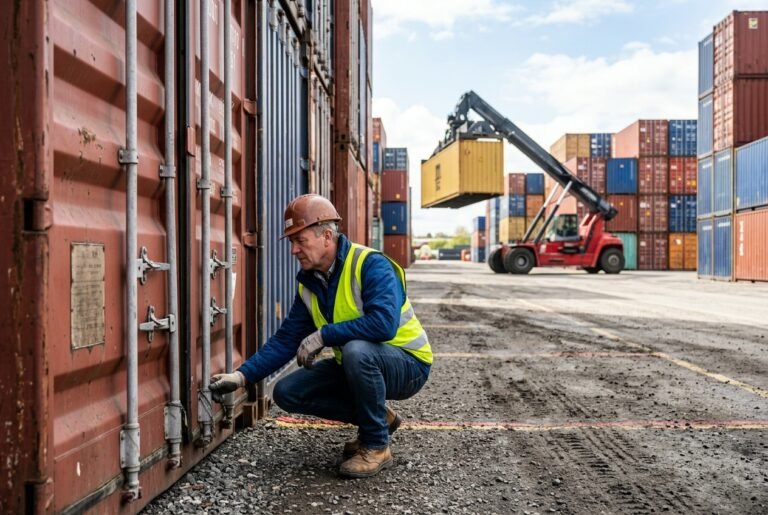
If you’re considering an As-Is unit, budget for a personal inspection or hire someone who knows what to look for. Check the bottom rails by getting underneath the container (or requesting underside photos). Look for heavy scale rust, perforations, or welded patches on structural members. Test every locking rod and cam by operating the doors multiple times. An As-Is container that passes your own thorough inspection can be an excellent value. One that hides structural problems becomes an expensive headache.
Refurbished units carry less risk, but ask the seller for specifics: what was repaired, what materials were used, and whether any warranty or guarantee applies. A reputable supplier like Lease Lane Containers provides transparent grading guidance so you know exactly what condition you’re purchasing.
Choosing the Right Grade for Your Specific Needs
The best container grade for your storage project depends on three factors: what you’re storing, where the container will sit, and how long you plan to keep it. A buyer storing $50,000 in retail inventory has fundamentally different requirements than a farmer sheltering tractor attachments through winter.
Cost alone shouldn’t drive the decision. A WWT container that needs $1,200 in gasket and floor repairs within the first year may end up costing more than a CWO unit that arrives ready to load. Think in terms of total cost of ownership over your expected use period, not just the sticker price on delivery day.
Matching Container Grade to Stored Inventory Type
For high-value, moisture-sensitive items (electronics, documents, upholstered furniture, medical supplies, retail merchandise), a one-trip or CWO container is the minimum standard. These items need reliable weatherproofing and clean, dry interior conditions from day one.
For moderate-value, durable goods (power tools, metal equipment, building materials, packaged goods), a well-inspected WWT container handles the job. These items tolerate minor humidity fluctuations and don’t require pristine interior conditions.
For low-value, weather-tolerant items (firewood, scrap metal, landscaping equipment, bulk agricultural supplies), an As-Is or basic WWT container provides adequate protection at the lowest cost. The 80% load rule applies here: don’t fill a container beyond 80% of its interior volume if you want adequate airflow to reduce condensation buildup.
Environmental Considerations and Placement Duration
Placement location matters more than most buyers realize. A container sitting on bare soil in a humid, low-lying area near the coast will deteriorate faster than the same unit placed on a gravel pad in the Piedmont region of North Carolina. Ground contact accelerates bottom-rail corrosion, and poor drainage creates standing water underneath the container.
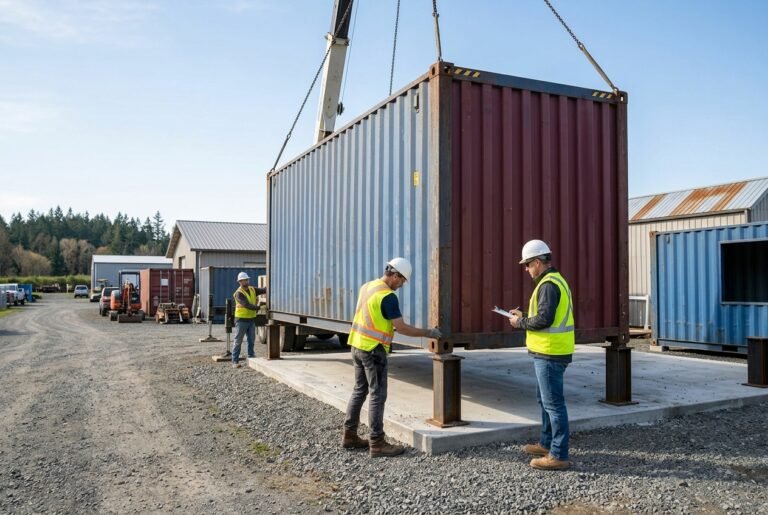
For placements exceeding two years, invest in a proper foundation. A 6-inch compacted gravel pad is the minimum standard. Concrete piers or railroad ties elevate the container above ground moisture and allow airflow underneath, extending the container’s useful life by years. Lease Lane Containers offers delivery planning support that includes guidance on site access, placement, overhead clearance, and foundation requirements – details that directly affect how well your container performs over time.
Coastal and high-humidity environments push buyers toward higher grades. Salt air accelerates corrosion on exposed steel, and a one-trip container’s fresh paint and intact factory coatings provide significantly better protection than a WWT unit with 15 years of existing surface rust.
Essential Inspection Checklist Before Purchase
Whether you’re buying one-trip or As-Is, a systematic inspection protects your investment. Use this checklist before finalizing any container purchase:
- Roof panels: Climb up or use a ladder to check for dents, pooling areas, rust patches, or pinholes. Even small perforations will leak.
- Wall panels: Look for heavy dents that crease the corrugation (minor surface dents are cosmetic only). Check for rust-through holes or welded patches.
- Corner castings and posts: These are the primary structural elements. Cracks, heavy corrosion, or deformation here compromise the entire container.
- Bottom rails: Inspect from underneath. These steel beams support the floor and bear the container’s weight during lifting. Severe corrosion here is a deal-breaker.
- Floor condition: Walk every square foot. Press firmly on edges and corners. Check for soft spots, delamination, or water staining that indicates past leaks.
- Door operation: Open and close both doors fully. Test all four locking cams and rods. Doors should swing freely and seal evenly when closed.
- Gaskets: Check rubber seals around the full door perimeter. Close the doors and look for daylight from inside. Compressed or cracked gaskets need replacement.
- CSC plate: Verify the plate is present and legible. Note the last inspection date and maximum gross weight rating.
- Interior smell: A strong musty or chemical odor may indicate past cargo contamination, mold, or fumigation residue.
- Paint and coatings: On one-trip units, confirm uniform factory paint. On used shipping containers, look for mismatched paint that may hide repairs or rust patches.
This 10-point inspection takes about 20 minutes and can save you thousands in unexpected repairs. If you’re buying remotely and can’t inspect in person, work with a supplier that provides detailed photos and honest condition descriptions. Lease Lane Containers, based in Raleigh, North Carolina, provides transparent grading information and detailed condition assessments so buyers across the U.S. can purchase with confidence.
Selecting the right grade comes down to honest self-assessment: what are you storing, how long will it sit there, and what’s your tolerance for cosmetic imperfection versus structural risk? One-trip containers deliver the best long-term protection and resale value. CWO units offer certified reliability at a lower price. WWT containers work well for budget storage when properly inspected. As-Is units reward careful buyers who know what to look for.
The smartest move before committing is to compare actual inventory across grades and see what’s available in your price range. Browse current container options from Lease Lane Containers to compare sizes, grades, and specifications, or reach out to the Raleigh-based team at (984) 313-6158 for straightforward guidance on matching the right container to your project.