
What Is a One Trip Container?
If you are comparing container quotes and see the term what is a one trip container come up repeatedly, the short answer is this: it is a shipping container that has made one loaded cargo journey after leaving the factory, then gets sold into the storage and resale market. In practical terms, that usually means the closest thing to new that most buyers can purchase.
For contractors, farmers, retailers, and property owners, that distinction matters. A one-trip unit typically arrives with straight rails, solid flooring, tight door seals, and a clean exterior that has not spent years getting stacked, bumped, and repaired through international service. You still may see light scuffs, forklift marks, or shipping labels from that initial move, but condition is usually far better than a standard used container.
What is a one trip container in real-world terms?
A one-trip container is generally manufactured overseas, loaded with cargo once, shipped to the US, unloaded, and then offered for sale. It is not technically factory-fresh by the time it reaches the buyer, because it has already been used in transport. But compared with older cargo-worthy or wind and watertight units, it has seen minimal wear.
This matters because all containers start with the same basic purpose – moving freight under ISO standards. Once they enter the active shipping fleet for years, condition starts to vary. Doors may get stiff. Floors may show patches. Side panels may have dents. A one-trip container avoids most of that accumulated damage.
For buyers using a container as job-site storage, a workshop shell, a mobile office base, or a retail overflow unit, the benefit is straightforward: fewer unknowns. You are paying for a cleaner asset with longer remaining service life.
Why one-trip containers cost more
The higher price is not just about appearance. It is about expected lifespan, reduced repair risk, and more predictable performance.
A one-trip container is usually built from Corten steel, also called weathering steel, which is designed to hold up well in harsh environments. That material is common across many shipping containers, but on a one-trip unit the steel has not yet absorbed years of corrosion exposure, impacts, or field repairs. The roof is typically cleaner, the understructure is usually in better shape, and the doors often operate with less effort.
That premium makes sense for some buyers and not for others. If you need basic enclosed storage on private land and cosmetic wear does not matter, a used wind and watertight unit may do the job at a lower cost. If you want a container that looks professional on arrival, has fewer dents, and is better suited for long-term ownership or modification, one-trip is often the better value.
What condition should you expect?
A lot of buyers hear one-trip and assume spotless. That is not always realistic. These containers are moved by crane, chassis, forklift, and rail during production and transport. Minor dents, surface scratches, handling marks, and small paint rubs are normal.
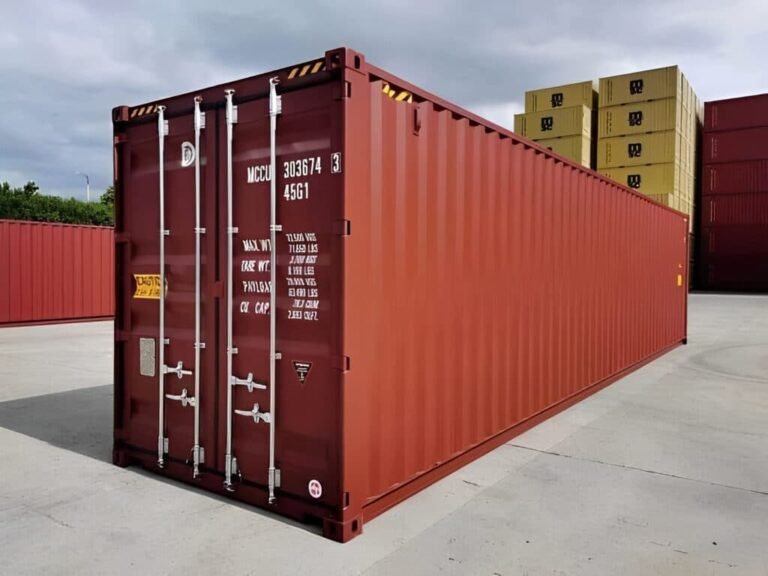
What you should expect is a container with strong structural integrity and very limited wear. Doors should seal properly. Flooring should be solid and clean. The frame should be square. Rust, if present at all, is usually minimal and superficial. On a quality one-trip unit, there should be no major repairs, no patchwork side panels, and no signs of long-term container fleet abuse.
Color consistency can vary too. Many one-trip containers are sold in common factory colors such as beige, gray, blue, green, or white, depending on inventory. If appearance matters for a residential property, storefront, or branded site, it is smart to confirm available colors before delivery rather than assuming a specific finish.
How a one-trip container compares to used grades
This is where grading transparency matters. Buyers often compare one-trip containers with terms like WWT and Cargo Worthy without fully understanding the difference.
A Wind and Watertight container, often shortened to WWT, is expected to keep out wind and water and provide secure storage. It may still have dents, surface rust, prior repairs, and visible wear from years of service. It is often a practical choice for lower-cost storage, but cosmetic and structural condition can vary more.
A Cargo Worthy container generally means it meets a condition standard appropriate for continued transport use, though specific certifications and local requirements can differ. It may still be older and visibly worn. Cargo Worthy does not mean close to new.
A one-trip container typically sits above both categories in appearance and remaining life. For high-visibility uses, custom builds, or buyers who want less maintenance early on, that difference is usually worth serious consideration.
Best use cases for a one-trip container
For construction firms, one-trip containers are a strong fit when secure storage needs to be dependable from day one. If crews are storing tools, copper, wire, generators, or specialty equipment, a newer container reduces the chance of dealing with door issues, compromised seals, or hidden structural wear.
Agricultural operators often prefer one-trip units for feed storage, supply storage, and equipment protection because they want a container that can sit on a property for years with minimal attention. A cleaner shell also matters when storing temperature-sensitive supplies or items that should not sit in a heavily worn interior.
For homeowners, the appeal is usually part function and part appearance. A one-trip unit looks better on a property, works well for workshop conversions, and often makes more sense for long-term placement where curb appeal matters.
Retailers and logistics managers also lean toward one-trip containers for pop-up applications, overflow inventory, or modified spaces because starting with a cleaner container usually lowers prep work before painting, branding, insulation, or interior buildout.
When a used container may be the smarter buy
Not every job calls for premium condition. If your container will sit behind a warehouse, on a farm, or at a low-visibility laydown yard, a used WWT unit may be the more efficient investment. You still get lockable steel storage, but without paying extra for near-new appearance.
The decision usually comes down to three factors: how long you plan to keep it, how visible it will be, and whether you intend to modify it. If the container is temporary, hidden from public view, and used only for basic storage, one-trip may be more than you need. If it is a long-term asset or the foundation for a conversion, buying better condition at the start often avoids future repair costs.
Delivery and site prep still matter
Even the best container can become a frustrating purchase if the delivery plan is not clear. One-trip buyers sometimes focus so heavily on condition that they overlook access, placement, and ground preparation.
A container needs a stable, reasonably level site. That does not always mean a full concrete pad, but it does mean planning for support at the corners and enough clearance for truck access and unloading. If you are using tilt-bed or ground-level delivery, overhead wires, tight gate openings, soft ground, and slope can all create problems.
This is one reason buyers tend to work with suppliers who explain grading and logistics in plain language. Clear pricing and verified delivery requirements matter just as much as the container itself. A good container on the wrong site setup can still create delays, repositioning costs, or door alignment issues later.
Common buyer questions about one-trip containers
One common question is whether one-trip containers are “new.” In the container industry, new usually means one-trip. Because the unit has made one cargo move from the factory, it is not untouched, but it is the nearest standard market equivalent to new.
Another question is whether one-trip containers last longer. In most cases, yes, because they begin their storage life with less wear, less corrosion exposure, and fewer structural compromises. Actual lifespan still depends on climate, placement, maintenance, and use.
Buyers also ask whether one-trip units are better for conversions. Usually they are. A straighter frame and cleaner shell can make cutting openings, adding insulation, framing interiors, and finishing the exterior more straightforward.
How to decide if the premium is worth it
If you are choosing between one-trip and used, think less about the sticker price and more about the total cost of ownership. A lower upfront number can be attractive, but repair work, repainting, floor replacement, and door servicing add up quickly if the starting condition is poor.
For many buyers, especially those who want zero surprises, one-trip containers offer the clearest path. You get a cleaner unit, better presentation, and fewer condition-related variables. That does not mean it is the right answer every time. It means the premium buys predictability.
If you are placing a container where customers will see it, where long-term durability matters, or where future modification is likely, one-trip is often the safer choice. If your goal is simple, low-cost storage and cosmetic wear does not matter, a used unit may be the smarter fit.
The right container is not always the newest one. It is the one that matches your site, your budget, and how much uncertainty you are willing to accept after delivery.
One Comment