What Is a Used 20ft Shipping Container Price?
Table of Contents
- Table of Contents
- Current Market Ranges for 20ft Used Containers
- Average Price Benchmarks by Region
- Wholesale vs. Retail Pricing Structures
- Key Factors That Influence the Final Cost
- Impact of Global Supply Chain Fluctuations
- Steel Market Prices and Scarcity
- Understanding Container Condition Categories
- Cargo Worthy (CWO) vs. Wind and Watertight (WWT)
- The Premium Cost of ‘One-Trip’ Containers
- Hidden Expenses Beyond the Sticker Price
- Delivery Fees and Site Preparation Requirements
- Local Permits and Zoning Compliance Costs
- Evaluating Value for Modifications and Conversions
- Where to Buy and How to Avoid Scams
- Buying from Local Depots vs. Online Marketplaces
- A Checklist for Inspecting a Used 20ft Unit
Table of Contents
- Current Market Ranges for 20ft Used Containers
- Average Price Benchmarks by Region
- Wholesale vs. Retail Pricing Structures
- Key Factors That Influence the Final Cost
- Impact of Global Supply Chain Fluctuations
- Steel Market Prices and Scarcity
- Understanding Container Condition Categories
- Cargo Worthy (CWO) vs. Wind and Watertight (WWT)
- The Premium Cost of ‘One-Trip’ Containers
- Hidden Expenses Beyond the Sticker Price
- Delivery Fees and Site Preparation Requirements
- Local Permits and Zoning Compliance Costs
- Evaluating Value for Modifications and Conversions
- Where to Buy and How to Avoid Scams
- Buying from Local Depots vs. Online Marketplaces
- A Checklist for Inspecting a Used 20ft Unit
If you’re budgeting for a storage project, job site setup, or backyard workshop, the price of a used 20ft shipping container is probably one of the first numbers you’ll search for. The answer isn’t as simple as a single figure. Prices shift based on your region, the container’s condition, delivery logistics, and even the global steel market. A container that costs $2,200 in Houston might run $3,400 in rural Vermont, and the reasons behind that gap matter if you’re trying to spend wisely.
This guide breaks down what real buyers are paying right now, the factors that push costs up or down, and the hidden expenses that catch people off guard. Whether you’re a contractor sourcing site storage, a homeowner planning a conversion, or a small business owner looking for inventory overflow space, understanding these variables will help you avoid overpaying and choose the right unit for your needs.
Current Market Ranges for 20ft Used Containers
Pricing for used 20ft shipping containers has fluctuated significantly over the past few years. During 2021 and 2022, pandemic-driven supply chain disruptions pushed prices well above $5,000 in many markets. As of mid-2024 into 2025, those prices have settled closer to pre-pandemic norms, though they haven’t fully returned to 2019 levels.
For a standard-height used 20ft unit in reasonable condition, most buyers can expect to pay between $1,800 and $4,500. That range depends heavily on grade, location, and whether you’re buying retail or wholesale. One-trip containers, which have only made a single ocean voyage, sit at the top of that range and sometimes above it.
Average Price Benchmarks by Region
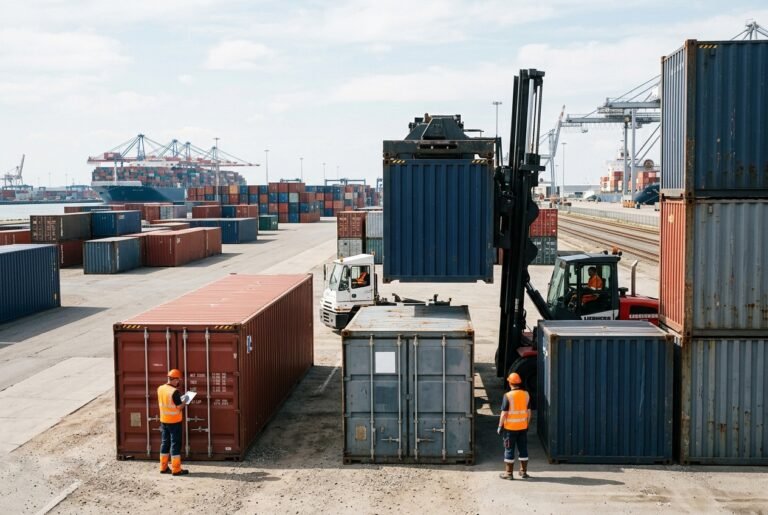
Geography plays a bigger role in container pricing than most buyers realize. Containers are cheapest near major port cities: Houston, Savannah, Los Angeles, and Newark. In these areas, a cargo-worthy 20ft unit might go for $1,800 to $2,500. The supply is high because containers arrive by the thousands on cargo ships and many get sold off locally rather than repositioned inland.
Move a few hundred miles from the coast, and prices climb. In the Southeast, including areas around Raleigh, North Carolina, a comparable container typically runs $2,400 to $3,200. Midwestern and mountain-state buyers often pay $3,000 to $4,000 or more, primarily because of repositioning and trucking costs. If you’re in a landlocked state, that transportation premium is baked into the sticker price whether the seller itemizes it or not.
Wholesale vs. Retail Pricing Structures
Buying a single container from a dealer is a retail transaction, and you’ll pay accordingly. Retail prices include the seller’s margin, any reconditioning work, and often a basic warranty or guarantee of condition. For a single cargo-worthy 20ft unit, retail prices typically land $400 to $800 above wholesale.
Wholesale pricing kicks in when you’re buying five or more units, and it’s common among contractors, developers, and logistics companies. At that volume, per-unit costs can drop 15% to 25%. If you only need one container, you won’t access wholesale rates directly, but knowing the spread helps you judge whether a retail quote is fair or inflated.
Key Factors That Influence the Final Cost
The listed price of any used shipping container reflects a mix of market conditions, material costs, and logistical realities. Two containers sitting side by side at the same depot can carry different price tags based on age, condition, and origin. Understanding these drivers helps you negotiate with confidence.
Impact of Global Supply Chain Fluctuations
Shipping container prices are tied to international trade volumes. When global shipping demand spikes, containers stay in active service longer, and fewer get released to the domestic resale market. That scarcity pushes prices up. When trade slows, shipping lines retire more units, flooding the secondary market and driving prices down.
The 2021-2022 surge is a clear example. Container shortages caused by port congestion and pandemic-related demand drove used 20ft prices above $5,000 in many U.S. markets. By late 2023, as supply chains normalized, prices dropped 30% to 40% in most regions. Keeping an eye on freight rate indices like the Drewry World Container Index can give you a rough sense of where the used market is heading.
Steel Market Prices and Scarcity
Shipping containers are made primarily from Corten steel, a weather-resistant alloy that holds up well against corrosion. When steel prices rise, the cost of manufacturing new containers increases, which in turn props up used container values. Buyers who might otherwise purchase new units turn to the used market, adding demand pressure.
Steel prices hit record highs in 2021, with hot-rolled coil prices exceeding $1,900 per ton in the U.S. That spike rippled directly into container pricing. Even as steel has moderated since then, the floor price for used containers remains higher than it was pre-2020. If you’re tracking a used 20ft shipping container price over time, steel market trends are a reliable leading indicator.
Understanding Container Condition Categories
Not all used containers are equal, and the grading system the industry uses can be confusing if you haven’t bought one before. The grade directly affects price, structural integrity, and suitability for different projects. Lease Lane Containers provides transparent grading guidance to help buyers understand exactly what they’re getting before committing to a purchase.
Cargo Worthy (CWO) vs. Wind and Watertight (WWT)
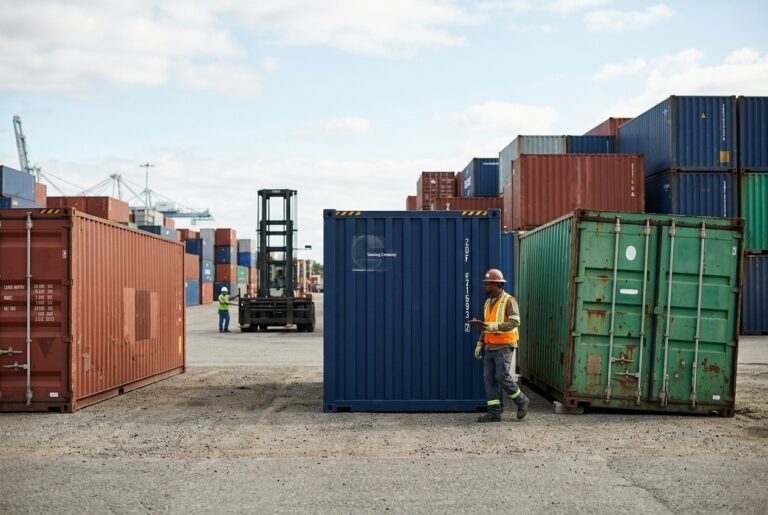
A cargo-worthy container has been inspected and certified for international ocean transport. It meets ISO standards for structural integrity, door seals, and weatherproofing. These units typically cost $200 to $600 more than wind and watertight containers of similar age. If you plan to ship goods overseas, cargo-worthy certification is required.
A wind and watertight container keeps rain and wind out but may have cosmetic damage, minor dents, or surface rust. It won’t pass an ocean shipping inspection, but it works perfectly well for on-site storage, workshops, and many conversion projects. For most buyers who need stationary storage on a job site, farm, or residential property, a WWT unit offers the best value per dollar.
The Premium Cost of ‘One-Trip’ Containers
One-trip containers are manufactured overseas (usually in China), loaded with cargo for a single voyage, and then sold domestically. They arrive in near-new condition: minimal rust, clean interiors, fresh paint, and fully functional doors and seals. Expect to pay $3,500 to $5,000 or more for a one-trip 20ft unit, depending on location and availability.
The premium is justified if appearance and longevity matter for your project. Container homes, pop-up retail spaces, and visible commercial installations benefit from the cleaner look. For basic storage behind a warehouse or on a construction site, the extra cost rarely pays off. Match the grade to the use case, and you’ll avoid spending more than necessary.
Hidden Expenses Beyond the Sticker Price
The quoted price for a container is only part of the total cost. Several expenses show up after the sale, and failing to account for them can blow your budget by $500 to $2,000 or more.
Delivery Fees and Site Preparation Requirements
Delivery is often the largest hidden cost. A tilt-bed truck delivery within 50 miles of a depot typically runs $200 to $500. Beyond that radius, expect $3 to $5 per mile. If your site requires a roll-off truck instead of a tilt-bed (common on tight residential lots), the cost can increase by $150 to $300.
Site prep adds another layer. You’ll need a level surface capable of supporting roughly 5,000 lbs (the empty weight of a standard 20ft unit). Gravel pads are the most common foundation, costing $300 to $800 depending on size and local material prices. Concrete piers or railroad ties are alternatives for uneven terrain. Lease Lane Containers offers delivery planning support that covers access requirements, turning radius, overhead clearance, and placement logistics, so you can avoid surprises on delivery day.
Local Permits and Zoning Compliance Costs
Many municipalities require permits for placing a shipping container on your property, especially for residential use. In Wake County, North Carolina, for example, you may need a zoning permit or site plan review depending on whether the container is temporary or permanent. Permit fees range from $50 to $500, and processing times vary.
Some HOAs and local codes restrict container placement entirely or impose screening requirements (fencing, landscaping). Before you buy, call your local planning department or building inspector’s office to confirm what’s allowed on your specific parcel. Skipping this step can result in fines or forced removal.
Evaluating Value for Modifications and Conversions
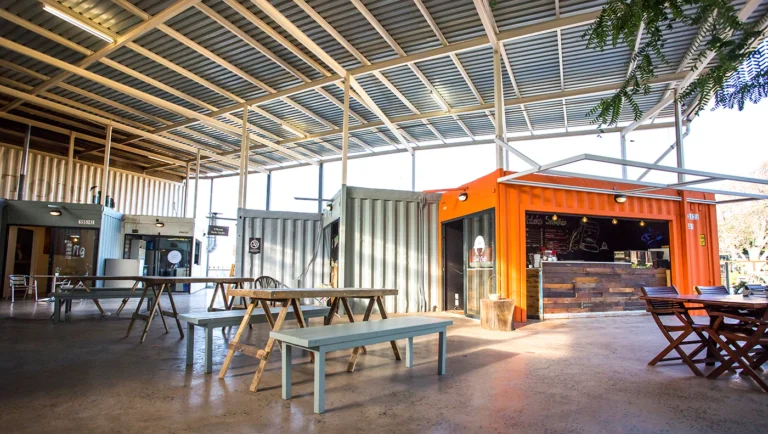
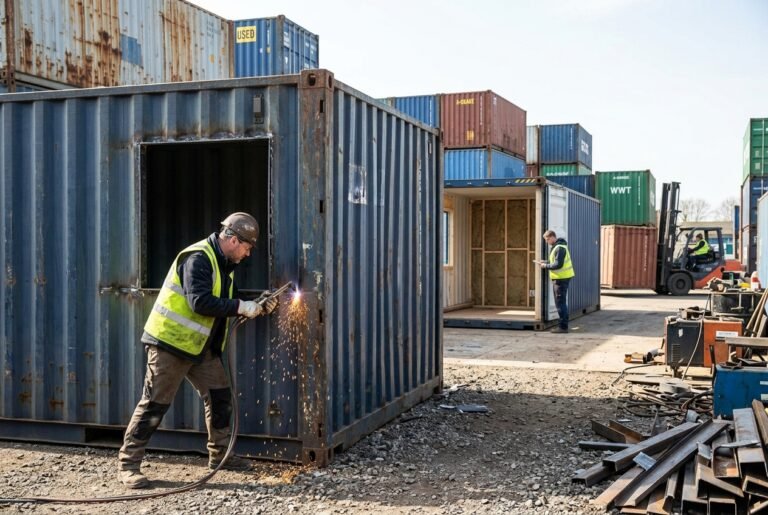
If you’re planning to convert a 20ft container into an office, workshop, or living space, the base container cost is just the starting point. Basic modifications like adding a personnel door, windows, insulation, and electrical wiring typically add $3,000 to $8,000 to the total project cost. More complex builds with plumbing, HVAC, and interior finishing can push the total well past $15,000.
Starting with a one-trip container makes sense for visible, finished projects because you’ll spend less on surface prep and rust treatment. For a basic workshop or climate-controlled storage room, a cargo-worthy or WWT unit keeps the base cost lower and still provides a solid structural shell. The key question is whether the modification budget justifies the container grade. Spending $4,500 on a one-trip unit for a project that will be fully clad in exterior siding doesn’t make financial sense, since no one will see the original walls anyway.
Where to Buy and How to Avoid Scams
The used shipping container market includes reputable dealers, depot operators, and unfortunately, a fair number of scammers. Knowing where to shop and what red flags to watch for protects your money and your timeline.
Buying from Local Depots vs. Online Marketplaces
Local container depots let you inspect units in person before buying. You can check doors, floors, and walls yourself, and you’ll often get honest condition assessments from staff who handle containers daily. Raleigh-based suppliers like Lease Lane Containers offer this kind of direct buying experience along with clear grading explanations and delivery coordination.
Online marketplaces like Craigslist, Facebook Marketplace, and national aggregator sites offer convenience but carry more risk. Common scams include sellers listing containers they don’t own, collecting deposits and disappearing, or misrepresenting condition with outdated photos. Protect yourself by never wiring money to an unverified seller, always requesting recent photos with a date reference, and confirming the container’s physical location before paying.
A Checklist for Inspecting a Used 20ft Unit
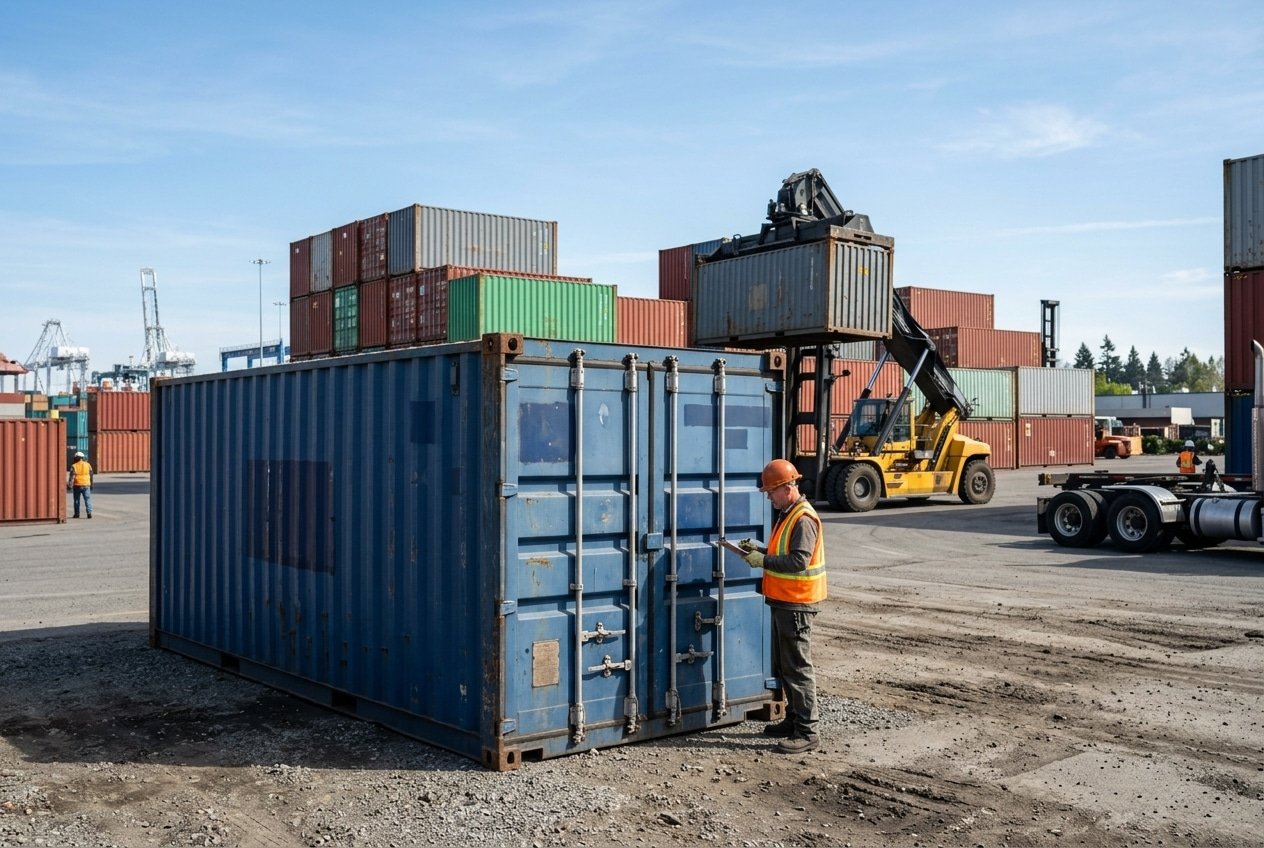
Before you finalize any purchase, inspect the container yourself or hire someone to do it. Here’s what to check:
- Doors: Open and close both doors fully. Check hinge pins, cam locks, and rubber gaskets for wear. Doors should swing freely and seal tightly.
- Floor: Step inside and check for soft spots, holes, or excessive warping in the marine-grade plywood flooring. Replacement flooring costs $800 to $1,200.
- Walls and ceiling: Look for light penetration from inside with the doors closed. Any pinhole light means a rust-through that needs welding.
- Roof: Inspect from above if possible. Ponding areas and patched spots indicate past leaks. Press on any discolored areas to test for thinning steel.
- Undercarriage: Check the cross-members and corner castings for heavy corrosion. Surface rust is normal; flaking or crumbling steel is not.
- CSC plate: Verify the container’s CSC (Convention for Safe Containers) data plate is present and legible. It confirms manufacturing specs and inspection history.
- Paint and exterior: Cosmetic rust and dents don’t affect function, but deep gouges or buckled panels can signal structural stress.
A 15-minute inspection using this list can save you thousands in unexpected repairs. If a seller won’t let you inspect the unit before buying, walk away.
Getting the right container at a fair price comes down to understanding your local market, choosing the correct grade for your project, and budgeting for the full cost of ownership, not just the sticker price. The difference between a smart purchase and an expensive mistake often sits in the details: delivery logistics, site prep, permits, and honest condition assessment.
If you’re ready to compare options, browse available inventory at Lease Lane Containers to see current 20ft container choices with clear grading and pricing. Their Raleigh-based team can help you match the right size, grade, and delivery plan to your specific project, whether you’re across North Carolina or anywhere in the U.S.