What Is a Wind and Watertight Container Price?
Table of Contents
- Table of Contents
- Defining Wind and Watertight (WWT) Container Standards
- The Difference Between WWT and Cargo Worthy Grades
- Common Physical Characteristics of WWT Units
- Average Price Ranges for WWT Containers
- Standard 20-Foot vs. 40-Foot Pricing
- High Cube Premium Costs
- Key Factors Influencing Market Fluctuations
- Impact of Global Steel Prices and Supply Chains
- Regional Availability and Depot Locations
- Hidden Costs Beyond the Sticker Price
- Delivery Fees and Site Preparation Requirements
- Applicable Taxes and Surcharges
- How to Inspect a WWT Container Before Purchase
- The Light Test and Door Gasket Integrity
- Maximizing Value and Long-Term ROI
- Maintenance Tips to Prevent Rust and Leaks
- Final Checklist
Table of Contents
- Defining Wind and Watertight (WWT) Container Standards
- Average Price Ranges for WWT Containers
- Key Factors Influencing Market Fluctuations
- Hidden Costs Beyond the Sticker Price
- How to Inspect a WWT Container Before Purchase
- Maximizing Value and Long-Term ROI
- Final Checklist
If you’re shopping for a used shipping container and trying to figure out what a fair wind and watertight container price looks like, you’re asking the right question. WWT is one of the most common grades on the used container market, and it sits in a pricing sweet spot between beat-up “as-is” units and certified cargo worthy containers. But the sticker price only tells part of the story. Delivery fees, regional availability, container dimensions, and the condition of the doors and seals all affect what you’ll actually spend. For buyers across North Carolina and beyond, understanding how WWT pricing works can save you hundreds of dollars and prevent costly surprises after the container shows up on your property. This guide breaks down what the WWT grade means, what you should expect to pay for 20-foot, 40-foot, and high cube units, and how to avoid hidden costs that quietly inflate your total investment. Whether you’re a contractor staging equipment on a job site, a homeowner adding backyard storage, or a small business managing inventory overflow, this is the pricing context you need before you commit.
Defining Wind and Watertight (WWT) Container Standards
The WWT designation means exactly what it sounds like: the container keeps wind and water out. It’s not a certification issued by a surveyor, and it doesn’t carry the same regulatory weight as a cargo worthy rating. Instead, WWT is a seller-applied grade indicating that the unit’s structural shell, roof panels, and door seals are intact enough to prevent moisture intrusion and air penetration under normal conditions.
Most WWT containers are retired from ocean shipping service. They’ve completed multiple voyages and show visible wear: surface rust, minor dents, scratched paint, and faded markings. None of that cosmetic damage affects the container’s ability to protect your contents from rain, snow, or wind. The key distinction is functional integrity, not appearance.
The Difference Between WWT and Cargo Worthy Grades
Cargo worthy (CW) containers have passed an inspection by a certified surveyor, typically following standards set by the International Convention for Safe Containers (CSC). That inspection confirms the unit is structurally sound enough to be loaded onto a vessel for international transport. A CW container carries a valid CSC plate with an inspection date.
WWT containers don’t carry that certification. They may have minor issues, like a small patch weld on the floor or a slightly worn door gasket, that wouldn’t pass a CW survey but don’t compromise weather protection. If you’re buying a container for stationary ground-level storage, a WWT unit often makes more financial sense than paying the premium for a cargo worthy rating you’ll never use.
A one-trip container, by contrast, has made a single ocean voyage (usually carrying goods from the manufacturing facility in Asia to a U.S. port). These units look nearly new and carry the highest price tags.
Common Physical Characteristics of WWT Units
Expect surface rust on exterior panels, particularly along the bottom rails and around corrugation joints where moisture collects. Door hinges may show oxidation but should still operate smoothly. The rubber door gaskets should be pliable enough to compress and form a seal when the doors close.
Interior floors are typically marine-grade plywood, 1-1/8 inches thick. On a WWT unit, this plywood may show some staining or minor wear but shouldn’t be rotted, soft, or heavily warped. Roof panels should be free of holes, even pinhole-sized ones. Small dents on walls and ceiling are normal and don’t affect weather protection as long as the steel isn’t punctured.
Average Price Ranges for WWT Containers
Wind and watertight container pricing fluctuates based on size, location, and market conditions. As a general guide, WWT units typically cost 30% to 50% less than one-trip containers and 10% to 20% less than cargo worthy units of the same size.
Standard 20-Foot vs. 40-Foot Pricing
A 20-foot WWT shipping container generally runs between $1,800 and $3,200, depending on your region and the current supply at nearby depots. The 40-foot WWT equivalent typically falls between $2,200 and $4,000. That price gap is narrower than you might expect: the 40-foot unit gives you roughly double the storage space (approximately 2,390 cubic feet versus 1,170 cubic feet) for only a modest increase in cost.
For buyers who need the space, the 40-foot container almost always delivers better value per square foot. A contractor storing lumber, scaffolding, and tools on a job site, for example, will get far more utility from a single 40-foot unit than from a 20-foot container that fills up fast.
High Cube Premium Costs
High cube shipping containers stand 9 feet 6 inches tall instead of the standard 8 feet 6 inches. That extra foot of interior height matters for stacking pallets, storing tall equipment, or converting the container into a workspace where headroom affects comfort.
The price premium for a high cube WWT unit is typically $200 to $600 above the standard-height equivalent. A 40-foot high cube WWT container might run $2,500 to $4,500 in most markets. If you’re planning a container office conversion or need to store items taller than 7 feet 6 inches (the approximate usable interior height of a standard container), the high cube premium pays for itself quickly.
Key Factors Influencing Market Fluctuations
Container prices don’t stay fixed. They respond to global trade patterns, raw material costs, and local supply-demand dynamics. Understanding these drivers helps you time your purchase and set realistic budget expectations.
Impact of Global Steel Prices and Supply Chains
Shipping containers are built from Corten steel (also called weathering steel), and the cost of that raw material directly affects new container manufacturing prices. When new container prices rise, used container values follow because fewer buyers are willing to pay the premium for a one-trip unit, pushing more demand toward WWT and cargo worthy stock.
During the 2021-2022 supply chain disruptions, WWT container prices in some U.S. markets doubled compared to pre-pandemic levels. Prices have since corrected, but they remain sensitive to steel tariffs, shipping lane disruptions, and manufacturing output from major producers in China.
Regional Availability and Depot Locations
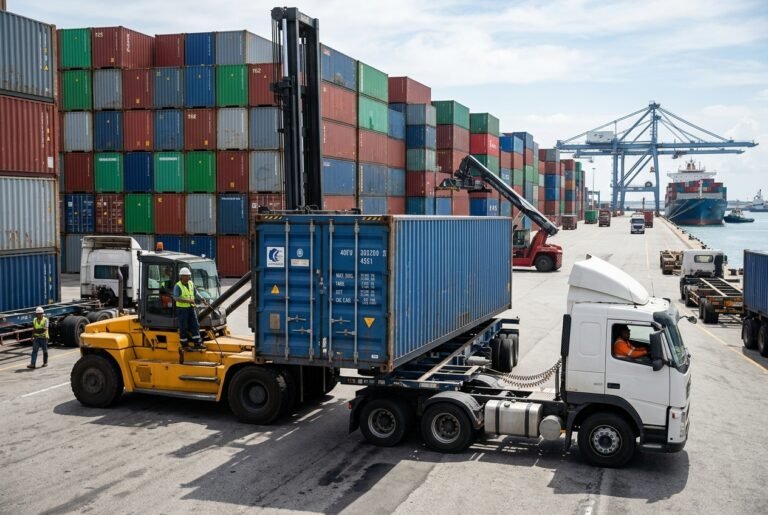
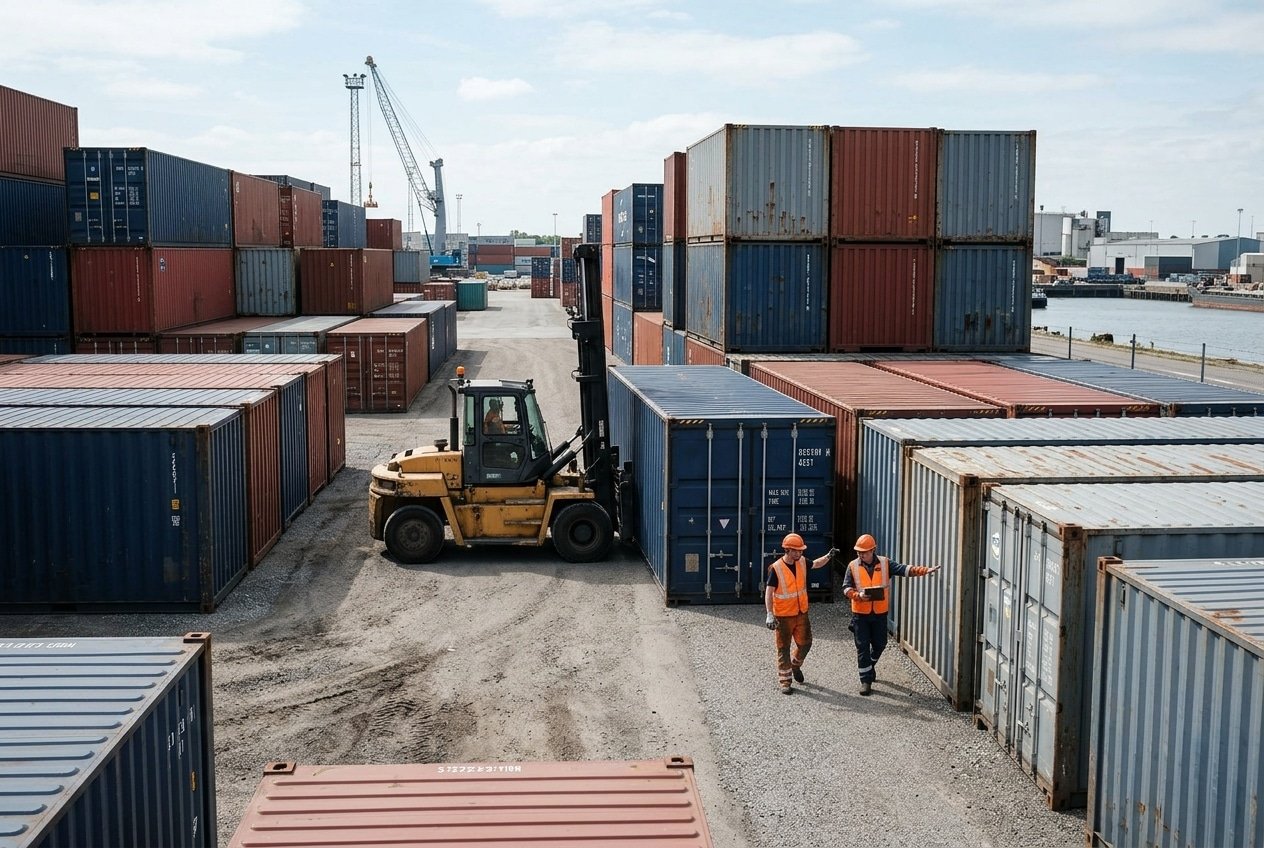
Your proximity to a container depot has a direct effect on what you’ll pay. Major port cities like Savannah, Houston, and Los Angeles maintain large inventories of used containers. Buyers near these hubs often find lower prices and more selection. Inland buyers, especially in rural areas of the Midwest or Mountain West, may face thinner inventory and higher per-unit costs because fewer containers cycle through those regions.
In the Southeast, Raleigh-area buyers benefit from reasonable proximity to the Port of Savannah and the Port of Virginia in Norfolk. Lease Lane Containers, based in Raleigh, North Carolina, works with depot networks to source WWT units with clear grading information and coordinates delivery across the state and nationwide.
Hidden Costs Beyond the Sticker Price
The listed price of a WWT container is your starting point, not your total cost. Several additional expenses can add $500 to $2,000 or more to your final bill if you don’t plan for them.
Delivery Fees and Site Preparation Requirements
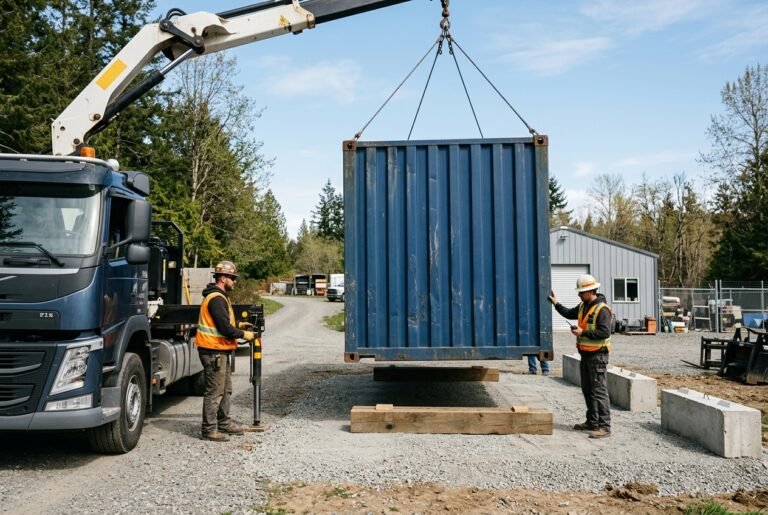
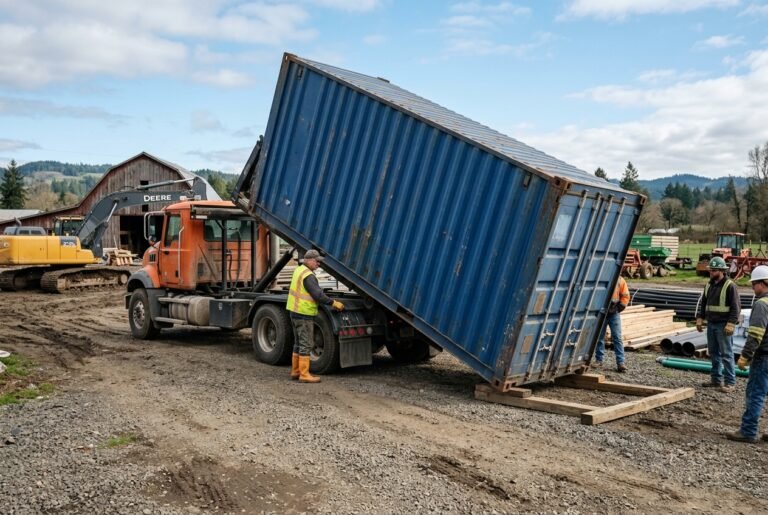
Shipping container delivery fees depend on distance from the depot, the type of delivery truck used, and site accessibility. A tilt-bed truck delivery within 50 miles of a depot might cost $250 to $500. Longer hauls or deliveries requiring a crane or specialized equipment can push that figure past $1,000.
Site preparation is another expense buyers frequently overlook. Your delivery location needs a firm, level surface. A gravel pad (typically 4 to 6 inches deep, extending 2 feet beyond the container footprint on each side) is the most common foundation for ground-level placement. You’ll also need adequate overhead clearance: a tilt-bed truck requires roughly 14 to 16 feet of vertical space to slide the container off the back. Trees, power lines, and low-hanging branches can all create problems. Lease Lane Containers provides delivery planning guidance that covers turning radius, overhead clearance, and ground conditions so you can avoid failed delivery attempts.
Applicable Taxes and Surcharges
Sales tax applies to shipping container purchases in most U.S. states. In North Carolina, for instance, the combined state and county sales tax rate ranges from 6.75% to 7.50%, depending on the county. On a $3,000 WWT container, that’s $200 to $225 added to your total.
Some sellers also charge environmental fees, lift fees at the depot, or documentation surcharges. Ask for an itemized quote before committing. If a seller can’t break down the charges clearly, that’s a red flag worth paying attention to.
How to Inspect a WWT Container Before Purchase
Not every WWT container is in the same condition. The grade is a general classification, not a guarantee. Inspecting the unit yourself, or requesting detailed photos and a condition report, protects your investment.
The Light Test and Door Gasket Integrity
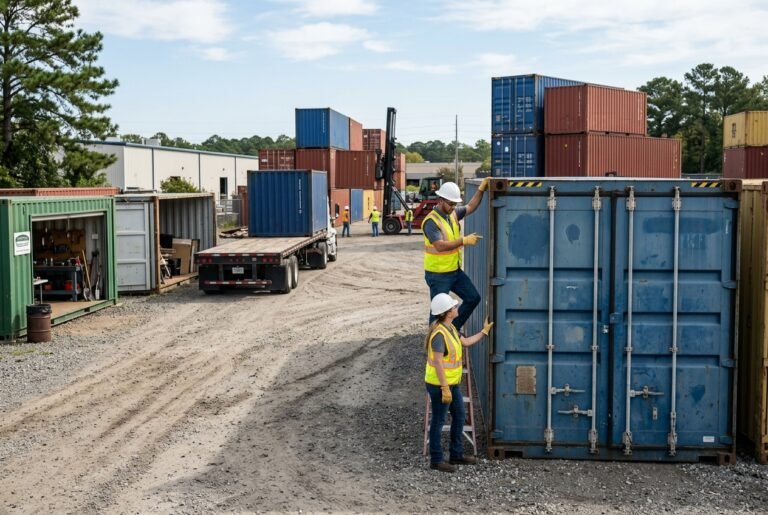
The light test is the simplest and most effective inspection method. Step inside the container, close both doors completely, and look for any daylight coming through the walls, roof, or floor. Even a pinhole of light means there’s a potential entry point for water. Pay close attention to the upper corners where roof panels meet the side walls, and check along any visible weld repairs.
Door gaskets deserve special attention. Open and close both doors, checking that the rubber seals compress evenly against the door frame. If the gaskets are cracked, hardened, or missing sections, the container won’t maintain a proper seal. Replacing door gaskets costs $100 to $300 depending on the container size, so factor that into your price comparison if the seals look worn.
Check the locking rods and cam handles. They should move freely without excessive force. Stiff or seized locking hardware suggests neglected maintenance, and it’s often a sign that other components have been ignored too.
Maximizing Value and Long-Term ROI
A WWT container purchased at the right price and maintained properly can serve you for 15 to 25 years in stationary use. The return on that investment depends largely on how well you protect the unit from ongoing corrosion.
Maintenance Tips to Prevent Rust and Leaks
Surface rust on a WWT container is normal, but unchecked corrosion will eventually compromise the steel. An annual maintenance routine keeps small problems from becoming expensive ones.
- Inspect the roof at least once a year. Clear any pooled water, leaves, or debris that trap moisture against the steel surface.
- Treat rust spots early. Wire-brush the affected area down to bare metal, apply a rust-inhibiting primer, and finish with a marine-grade topcoat. A quart of primer and paint costs under $40 and prevents holes from forming.
- Lubricate door hinges and locking rods with a silicone-based spray every six months. This keeps the hardware operating smoothly and prevents seized mechanisms.
- Check the floor for soft spots annually by walking the full interior. If the plywood feels spongy, moisture is getting in from below, often through corroded cross-members.
- Keep the container elevated slightly off bare ground using railroad ties, concrete blocks, or a gravel pad. Direct soil contact accelerates bottom-rail corrosion.
Budget roughly $50 to $150 per year for basic maintenance supplies. That small annual investment protects a container that may have cost you $2,500 to $4,000 and extends its useful life by a decade or more.
Final Checklist
Before you finalize a WWT container purchase, run through these steps:
- Confirm the container grade in writing. Ask whether the unit is WWT, cargo worthy, or as-is.
- Request an itemized quote that includes the container price, delivery fee, taxes, and any surcharges.
- Verify your site is ready: level ground, adequate overhead clearance (14 to 16 feet for tilt-bed delivery), and a clear path for the truck’s turning radius.
- Perform or request a light test and door gasket inspection.
- Check the floor condition and look for signs of previous repairs.
- Factor in annual maintenance costs when calculating your total budget.
A fair price for a wind and watertight container depends on size, location, and current market conditions, but informed buyers consistently get better deals. Knowing what to inspect, what questions to ask, and what hidden costs to watch for puts you in a stronger position.
If you’re ready to compare options, browse available inventory at Lease Lane Containers to see current container sizes, grades, and pricing. The Raleigh-based team can help you match the right WWT unit to your project and walk you through delivery planning so there are no surprises on drop-off day.