What Is a Wind and Watertight Shipping Container?
Table of Contents
- Table of Contents
- Defining the Wind and Watertight (WWT) Standard
- The Difference Between WWT and Cargo Worthy
- Typical Age and Condition of WWT Units
- Key Structural Features of a WWT Container
- Integrity of the Roof and Side Panels
- Door Seals and Gasket Functionality
- Common Uses for Wind and Watertight Containers
- On-Site Storage for Businesses and Homeowners
- Agricultural and Industrial Applications
- Advantages of Choosing WWT Over Other Grades
- Cost-Effectiveness for Static Storage
- How to Inspect a Container for WWT Certification
- The Light Test for Identifying Leaks
- Checking Floor Soundness and Rust Levels
- Maintenance Tips to Preserve WWT Status
- Final Considerations When Purchasing a WWT Container
- Final Checklist
Table of Contents
- Defining the Wind and Watertight (WWT) Standard
- The Difference Between WWT and Cargo Worthy
- Typical Age and Condition of WWT Units
- Key Structural Features of a WWT Container
- Integrity of the Roof and Side Panels
- Door Seals and Gasket Functionality
- Common Uses for Wind and Watertight Containers
- On-Site Storage for Businesses and Homeowners
- Agricultural and Industrial Applications
- Advantages of Choosing WWT Over Other Grades
- Cost-Effectiveness for Static Storage
- How to Inspect a Container for WWT Certification
- The Light Test for Identifying Leaks
- Checking Floor Soundness and Rust Levels
- Maintenance Tips to Preserve WWT Status
- Final Considerations When Purchasing a WWT Container
Buying a used shipping container sounds simple until you encounter the grading system. One-trip, cargo worthy, wind and watertight, as-is: these labels mean very different things for your wallet and your stored goods. The wind and watertight grade sits in a specific sweet spot that makes it one of the most popular choices for static storage across the United States. But what does that grade actually guarantee, and where does it fall short? Understanding the answer can save you hundreds of dollars on a purchase and prevent unpleasant surprises when your container arrives on site. If you’re a contractor staging equipment on a job site, a homeowner clearing out a garage, or a farm operation storing feed and tools, the WWT designation matters more than you might expect. This guide breaks down the standard, explains how to verify it, and helps you decide if it’s the right fit for your project.
Defining the Wind and Watertight (WWT) Standard
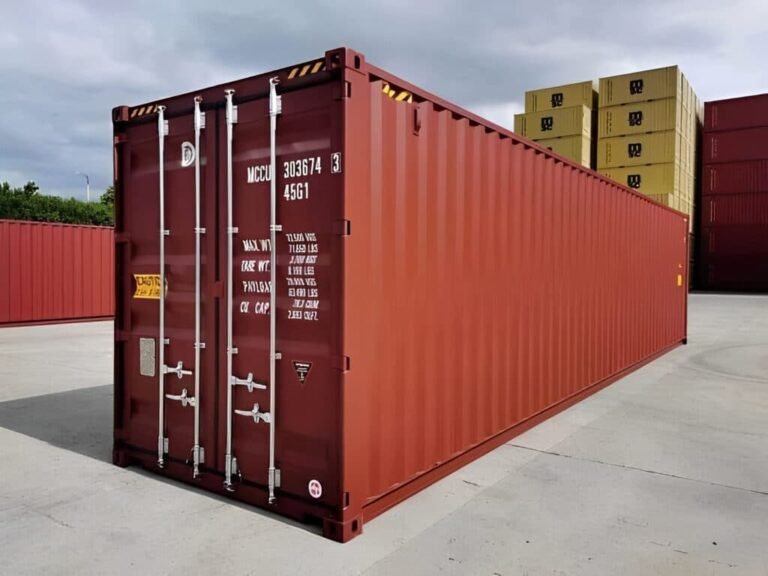
A wind and watertight container is a used shipping container that has been retired from active ocean freight service but still keeps wind and rain from entering the interior. That’s the core promise: the unit will protect your contents from weather. It won’t meet the structural certification required for international shipping, and it won’t look brand new, but it will function as a dry, enclosed storage space.
The WWT grade is not governed by a single international regulatory body the way cargo-worthy certification is. Instead, it’s an industry-accepted description used by container dealers and resellers across the U.S. to communicate a specific condition level. The container has been visually inspected, and the seller confirms it will resist wind and water penetration through the walls, roof, floor, and door seals.
This distinction matters because many buyers don’t need a container certified for ocean transport. They need something that keeps their property dry and secure on a job site, a farm, or a residential lot. The WWT grade fills that role at a price point significantly lower than a one-trip or cargo-worthy unit.
The Difference Between WWT and Cargo Worthy
Cargo-worthy (CW) containers carry a valid CSC plate (Convention for Safe Containers) and have passed an inspection by a certified surveyor. That certification means the container is structurally sound enough to be loaded onto a vessel and transported internationally. A CW container must meet specific standards for corner casting integrity, cross-member strength, wall rigidity, and locking mechanism function.
A WWT container does not carry this certification. It may have surface rust, minor dents, patched welds, or worn door gaskets that would disqualify it from ocean service but don’t affect its ability to keep weather out. Think of it this way: a cargo-worthy container can do everything a WWT container can do, plus travel on a ship. If you’re not shipping goods overseas, you’re paying for a capability you won’t use.
The price gap between the two grades typically runs $300 to $800 for a standard 20-foot unit and can be even wider for 40-foot containers. For static storage, that difference rarely translates into meaningful performance differences on the ground.
Typical Age and Condition of WWT Units
Most WWT containers are between 10 and 20 years old. They’ve spent years on ocean routes, been loaded and unloaded hundreds of times, and show the cosmetic wear you’d expect from that service life. Expect surface rust, particularly along the bottom rails and around the door hinges. Expect paint fading, minor dents on the corrugated side panels, and some scuffing on the interior floor.
What you should not see is structural failure: holes in the roof, cracked welds on the corner posts, or floors soft enough to push a screwdriver through. Those conditions would drop a container below WWT grade into “as-is” or “sold as seen” territory, which carries no weather protection guarantee at all.
A well-maintained WWT container can last another 10 to 15 years in static storage with basic upkeep. The Corten steel used in shipping container construction was designed to resist atmospheric corrosion, and even after a decade at sea, most of that protective quality remains intact.
Key Structural Features of a WWT Container
The wind and watertight promise depends on a handful of structural elements working together. If any one of them fails, moisture gets in, and the grade no longer holds. Understanding these features helps you evaluate a container before you buy and maintain it after delivery.
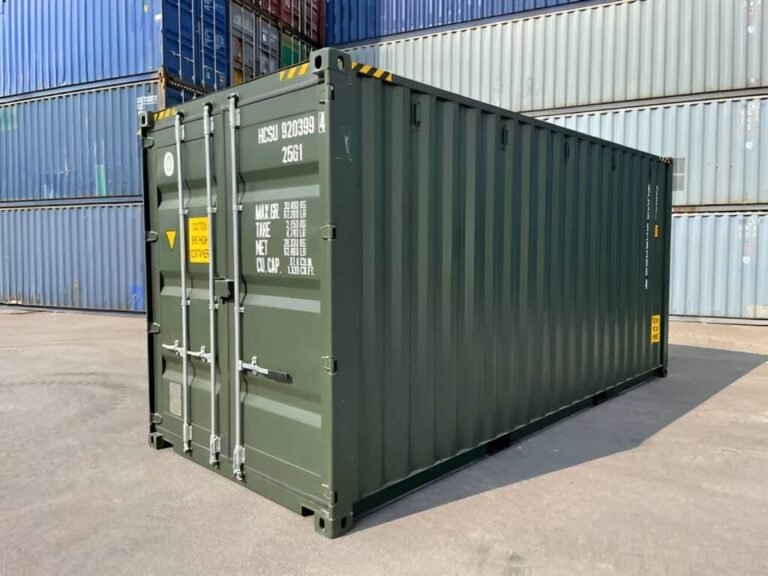
Standard shipping container dimensions for a 20-foot unit are approximately 20 feet long by 8 feet wide by 8 feet 6 inches tall (or 9 feet 6 inches for a high cube). A 40-foot container doubles the length. Regardless of size, the same structural principles apply to every WWT unit.
Integrity of the Roof and Side Panels
The roof is the most vulnerable area on any shipping container. It’s a single sheet of steel (typically 2mm thick on standard units) that takes direct sun, rain, hail, and snow load for the container’s entire service life. On a WWT container, the roof must be free of holes, punctures, and through-rust. Small surface oxidation is acceptable. Penetration is not.
Side panels are corrugated for strength, and those corrugations do an excellent job of resisting impact. Dents are common and usually cosmetic. The concern is deep dents that have cracked the steel or areas where rust has eaten through from the inside out. Run your hand along the interior walls of any container you’re considering. If you feel soft spots or see daylight, that unit doesn’t meet the WWT standard.
The front wall (opposite the doors) is often the most protected panel because it faces inward when containers are stacked on ships. It’s the least likely area to show significant damage.
Door Seals and Gasket Functionality
The doors are the most mechanically complex part of a shipping container. Each standard unit has two swing-out doors with cam locks, locking bars, and rubber gaskets that run the full perimeter of the door frame. On a WWT container, these gaskets must be intact enough to prevent water from entering when the doors are closed and locked.
Gaskets degrade over time. Sun exposure hardens rubber, and repeated opening and closing can tear or compress the seal material. Replacement gaskets for shipping containers cost between $50 and $150 per door and are straightforward to install, making this one of the cheapest repairs you can make to maintain the wind and watertight standard.
Check that the cam locks engage fully and that the locking bars rotate smoothly. Stiff or misaligned hardware can prevent the doors from sealing properly, even if the gaskets themselves are in good condition.
Common Uses for Wind and Watertight Containers
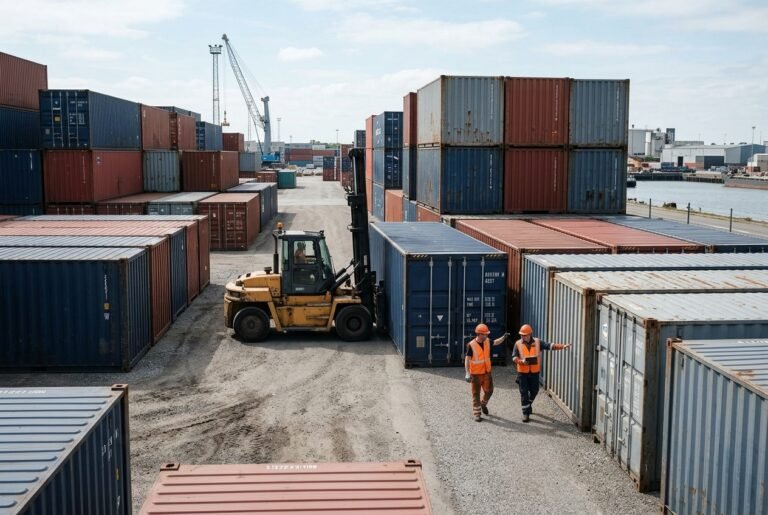
The WWT grade accounts for a large share of used shipping container sales in the U.S. because most buyers need weather protection for stationary storage, not ocean transport certification. The applications are broad, and the economics make sense for both short-term and long-term use.
On-Site Storage for Businesses and Homeowners
Contractors use WWT containers on job sites to store tools, materials, and equipment. A 20-foot WWT unit holds roughly 1,170 cubic feet of storage space, which is enough for a full renovation’s worth of lumber, fixtures, and power tools. The container stays locked and dry while the project runs, then gets moved to the next site or returned.
Small businesses use them for inventory overflow, seasonal stock, or document archiving. A retail operator in the Raleigh-Durham area, for example, might place a 40-foot WWT container behind their shop to hold holiday inventory from September through January rather than leasing warehouse space at $8 to $12 per square foot annually.
Homeowners frequently place WWT containers on residential lots during remodeling projects or as permanent backyard storage. They’re more secure than a shed, more weather-resistant than a tent structure, and available at a fraction of the cost of a permanent outbuilding. Local zoning rules in areas like Wake County may require a permit for permanent placement, so check with your municipality before delivery.
Agricultural and Industrial Applications
Farms and rural properties are among the most common destinations for WWT containers. They store feed, seed, fertilizer, veterinary supplies, and small equipment. The steel construction keeps rodents out, which is a significant advantage over wooden barns or pole buildings for grain and feed storage.
Industrial users place WWT containers at manufacturing facilities, utility sites, and distribution yards. They work well for storing PPE, spare parts, hazardous material containment supplies, and seasonal equipment. The 80% load rule is a good guideline here: fill a container to about 80% of its volume capacity to allow air circulation and easy access to items stored in the back.
For both agricultural and industrial buyers, the WWT grade delivers the weather protection needed without the cost premium of a one-trip or cargo-worthy unit. The cosmetic wear is irrelevant in a field or an industrial yard.
Advantages of Choosing WWT Over Other Grades
The primary advantage is value. A WWT container gives you functional weather protection at the lowest price point among graded containers. One-trip containers (units that have made a single ocean voyage, typically from Asia to the U.S.) look nearly new and carry the highest price tags. Cargo-worthy units sit in the middle. WWT containers offer the best dollar-per-year of useful life for buyers who don’t need certification or pristine appearance.
A typical 20-foot one-trip container might cost $3,500 to $5,000 depending on market conditions and location. A cargo-worthy unit of the same size runs $2,200 to $3,500. A WWT container often falls between $1,500 and $2,800. Those numbers shift with steel prices, port inventory, and regional supply, but the relative positioning stays consistent.
Cost-Effectiveness for Static Storage
Run the math on a 15-year storage scenario. A WWT container purchased for $2,000 and maintained with $100 to $200 per year in basic upkeep (gasket replacement, rust treatment, roof sealant) costs roughly $230 per year for dry, secure, 1,170-square-foot storage. Compare that to a self-storage unit at $150 to $250 per month, and the container pays for itself in under two years.
The resale value of a well-maintained WWT container holds up reasonably well too. Expect to recover 40% to 60% of your purchase price after 5 to 7 years of use, assuming you’ve kept the unit wind and watertight. Neglected containers with through-rust or failed gaskets drop to scrap value quickly, which is why basic maintenance matters.
For buyers who need functional storage without cosmetic concerns, the WWT grade is the most practical choice on the market. The savings over higher grades can be redirected toward site preparation, delivery logistics, or interior modifications like shelving and lighting.
How to Inspect a Container for WWT Certification
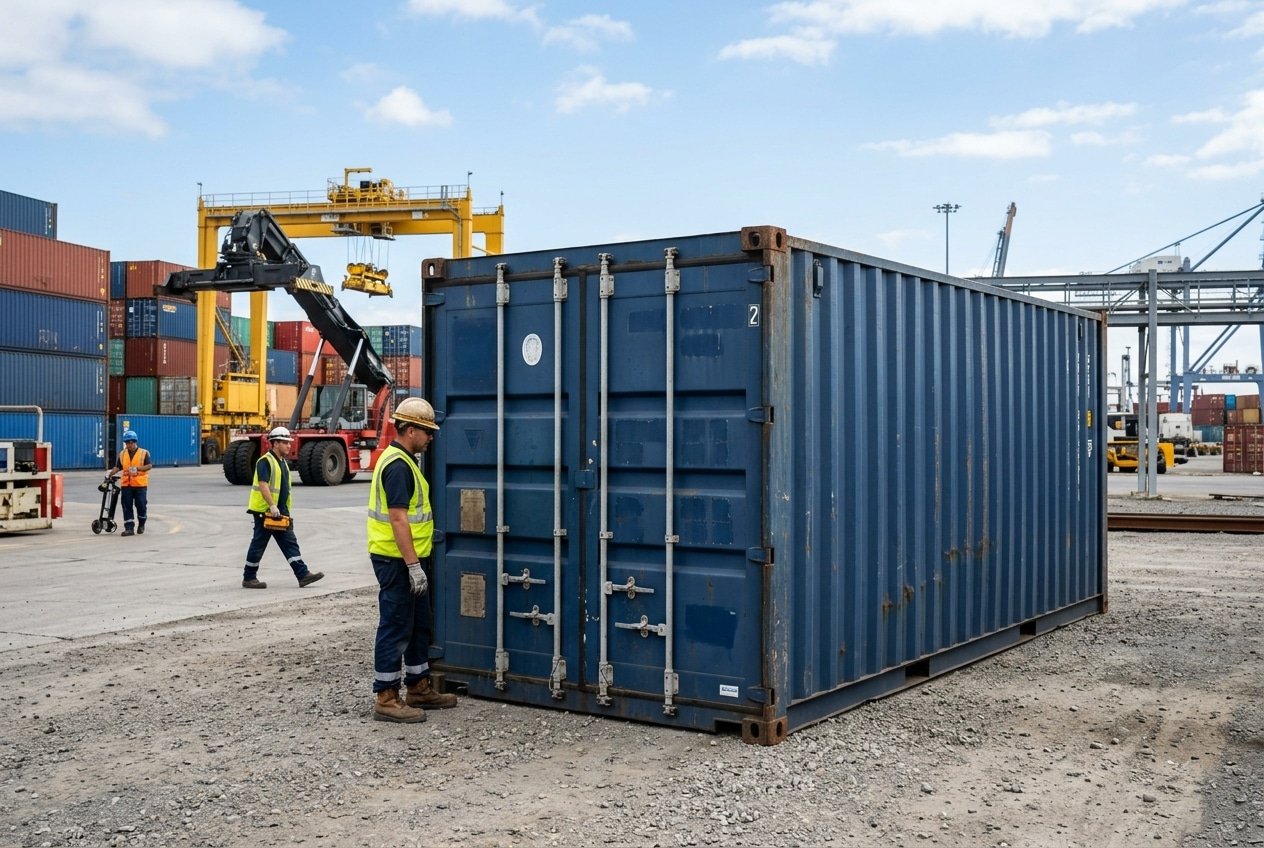
Never buy a WWT container sight unseen without clear photos and a seller’s guarantee. If you can inspect in person, spend 20 to 30 minutes checking the critical areas. If you’re buying remotely, work with a supplier like Lease Lane Containers that provides transparent grading guidance and clear documentation of each unit’s condition.
The Light Test for Identifying Leaks
This is the simplest and most effective inspection technique. Step inside the container, close both doors completely, and let your eyes adjust for 60 to 90 seconds. Look at the ceiling, walls, and door seals. Any pinpoints of light indicate holes or gaps where water will enter.
Pay special attention to the roof seams, the upper corners where the roof meets the side panels, and the area around the door gaskets. Even a small pinhole on the roof will allow water to drip onto stored goods during heavy rain. In the Southeast, where Raleigh averages about 46 inches of rainfall per year, even minor leaks cause problems fast.
If you see light, the container does not meet WWT standards. Either negotiate a repair, a price reduction, or walk away. A reputable seller will not argue with the light test results.
Checking Floor Soundness and Rust Levels
The floor of a standard shipping container is made of marine-grade plywood (typically 28mm Apitong or Keruing hardwood) supported by steel cross-members spaced roughly 12 inches apart. On a WWT container, the floor should feel solid underfoot with no soft spots, warping, or visible rot.
Walk the entire floor surface. Jump on it in a few places. If you feel flex or hear hollow sounds, the cross-members beneath may be corroded. Replacing cross-members is a significant repair that can cost $500 to $1,500 depending on how many are affected. A container with compromised floor structure may not be worth the purchase price.
Check the bottom side rails for rust. These are the two main steel beams that run the full length of the container and bear the entire load. Surface rust is normal. Flaking, pitting, or holes are disqualifying. Use a flathead screwdriver or similar tool to probe any suspicious areas: if the metal crumbles, that rail is compromised.
Maintenance Tips to Preserve WWT Status
A WWT container will stay wind and watertight for years with minimal effort, but “minimal” does not mean “none.” Schedule a basic inspection twice per year: once in spring and once in fall.
Treat surface rust before it becomes through-rust. Wire brush the affected area, apply a rust converter product (phosphoric acid-based converters work well), and cover with a rust-inhibiting paint. A quart of marine-grade rust converter costs about $15 and covers 50 to 100 square feet. Budget $100 to $200 per year for rust maintenance on a typical WWT container.
Inspect and replace door gaskets as soon as you notice hardening, cracking, or compression. Gaskets are the most common failure point on WWT containers because they’re rubber components exposed to UV and temperature cycling. Keeping spares on hand means you can swap them in the same afternoon you notice a problem.
Keep the roof clear of standing water and debris. If your container is placed on level ground, water should sheet off the corrugated roof naturally. Containers placed on uneven surfaces can develop low spots where water pools, accelerating rust. A simple gravel pad leveled to within 1 inch across the container’s footprint prevents this entirely. For site preparation and placement planning, Lease Lane Containers offers delivery planning support that covers access requirements, turning radius, overhead clearance, and foundation recommendations.
Lubricate door hinges and cam lock mechanisms with a silicone-based spray every six months. This prevents binding, which leads to forced operation, which damages gaskets and hardware.
Final Considerations When Purchasing a WWT Container
The question of what makes a container wind and watertight comes down to a simple standard: does it keep weather out? If the roof is solid, the walls are intact, the floor is sound, and the door seals work, the container meets the grade. Everything else is cosmetic.
Before you buy, know your site. Measure your delivery access: a tilt-bed truck needs roughly 100 feet of straight approach and 14 feet of overhead clearance. A roll-off delivery requires less length but more width. Confirm that your placement area is level and can support approximately 5,070 pounds (the tare weight of a standard 20-foot container) plus whatever you plan to store inside.
Ask your supplier for clear photos of the specific unit you’ll receive, not stock images. Ask about the container’s age, any repairs that have been made, and whether the gaskets have been replaced. A trustworthy supplier answers these questions without hesitation.
If you’re ready to compare options, browse available inventory at Lease Lane Containers to see current container sizes, grades, and pricing. The Raleigh-based team can help you match the right WWT unit to your project and walk you through delivery logistics before you commit.
Final Checklist
- Confirm the container grade is explicitly stated as wind and watertight by the seller
- Perform the light test (or request photos taken from inside with doors closed)
- Walk the entire floor and check for soft spots or flex
- Inspect bottom side rails for pitting or through-rust
- Test all four cam locks and both door gaskets
- Measure your delivery site for access, clearance, and level ground
- Budget $100 to $200 annually for basic maintenance
- Ask for the container’s approximate age and repair history
- Verify local zoning or permit requirements for your placement area