Which Shipping Container Condition Should You Buy?
Table of Contents
- Table of Contents
- Understanding the Standard Grading System for Containers
- The Difference Between One-Trip and Used Units
- ISO Standards and Wind and Watertight (WWT) Certifications
- One-Trip Containers: The Gold Standard for Longevity
- Structural Integrity and Aesthetic Advantages
- Ideal Use Cases: Home Conversions and Long-Term Storage
- Cargo Worthy (CW) Containers for International Shipping
- CSC Plate Requirements and Inspection Criteria
- Wind and Watertight (WWT) Units for Budget-Friendly Storage
- Common Wear and Tear: Rust, Dents, and Floor Condition
- As-Is Containers: Risks and Rewards for DIYers
- Identifying Structural Damage and Potential Repair Costs
- Critical Factors When Choosing Your Container Condition
- Comparing Upfront Costs vs. Long-Term Maintenance
- Environmental Impact and Sustainability of Used Units
- Final Checklist for Inspecting and Purchasing Your Unit
Table of Contents
- Understanding the Standard Grading System for Containers
- One-Trip Containers: The Gold Standard for Longevity
- Cargo Worthy (CW) Containers for International Shipping
- Wind and Watertight (WWT) Units for Budget-Friendly Storage
- As-Is Containers: Risks and Rewards for DIYers
- Critical Factors When Choosing Your Container Condition
- Final Checklist for Inspecting and Purchasing Your Unit
Buying a shipping container sounds straightforward until you realize there are four or five distinct condition grades, each with different price points, structural characteristics, and best-fit applications. A container destined for a backyard workshop in Wake County has very different requirements than one headed to a port for international cargo. The condition you choose affects everything from how long the unit lasts to how much you spend on repairs over its lifetime. Deciding what container condition you should buy comes down to three things: your intended use, your budget, and how much cosmetic imperfection you can tolerate. This guide breaks down each grade with specific inspection criteria, real cost comparisons, and practical advice so you can match the right unit to your project the first time.
Understanding the Standard Grading System for Containers
Shipping containers are graded on a spectrum that reflects their age, structural condition, cosmetic appearance, and remaining functional life. The grading system exists because a steel box that has crossed the Pacific twelve times is a fundamentally different product than one that made a single voyage from the factory. Understanding these grades prevents the most common buying mistake: overpaying for condition you don’t need, or underpaying and inheriting expensive problems.
The four primary grades you will encounter are One-Trip, Cargo Worthy (CW), Wind and Watertight (WWT), and As-Is. Each grade carries specific expectations about the container’s walls, roof, floor, doors, and overall structural soundness. Suppliers like Lease Lane Containers use transparent grading guidance to help buyers understand exactly what they are getting before a unit ships from the depot.
The Difference Between One-Trip and Used Units
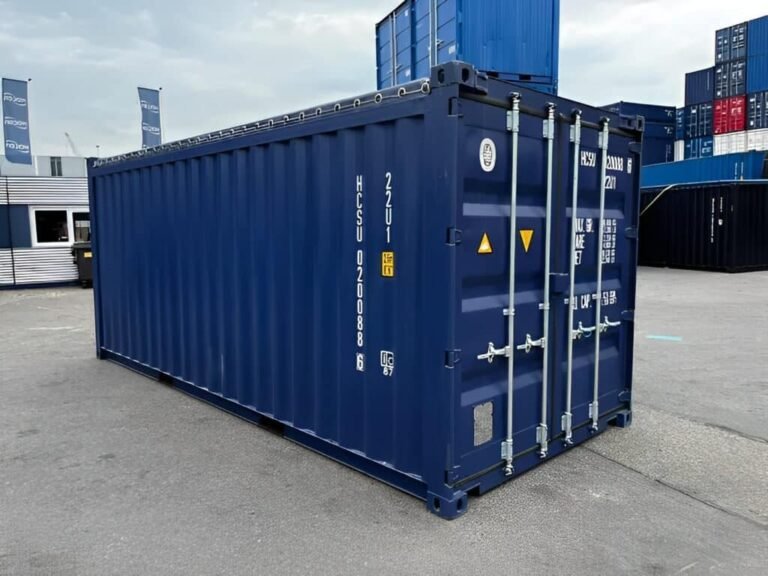
A one-trip container was manufactured overseas, typically in China, loaded with cargo for a single voyage to the United States, and then sold domestically. It has minimal wear: usually just minor scuffing on the floor and perhaps a small scratch or two on the exterior paint. For all practical purposes, it is a new container.
Used units span a much wider range. A container that served five years in domestic storage looks nothing like one that spent fifteen years on ocean routes. Used containers are further sorted into Cargo Worthy, Wind and Watertight, or As-Is based on an inspection of their current condition. The price gap between a one-trip 40-foot high cube and a WWT unit of the same size can be $2,000 to $4,000 or more, depending on market conditions and location.
ISO Standards and Wind and Watertight (WWT) Certifications
All shipping containers built for international trade conform to ISO 668 dimensional standards and ISO 1496 structural testing requirements. A standard 20-foot container measures 20 ft long by 8 ft wide by 8 ft 6 in tall, while a high cube shipping container adds an extra foot of height at 9 ft 6 in. These dimensions are universal regardless of the container’s age or grade.
The Wind and Watertight certification confirms that a container can keep rain, wind, and ground moisture out of the interior. This is not the same as Cargo Worthy, which carries stricter structural requirements for ocean transport. A WWT unit may have dents, surface rust, and cosmetic wear, but it must pass a water test confirming the roof, walls, and door seals prevent moisture intrusion. The distinction matters because a WWT container is suitable for static storage but cannot legally be loaded onto a vessel for international shipping without a valid CSC plate and a Cargo Worthy inspection.
One-Trip Containers: The Gold Standard for Longevity
One-trip containers represent the top tier of the used container market, though calling them “used” is generous. These units typically have fewer than 60 days of actual service. The steel is factory-fresh, the paint is intact, and the marine-grade plywood flooring (usually 28mm Apitong or bamboo composite) shows almost no wear. If you are planning a project where appearance, longevity, and minimal prep work matter, this is the grade to buy.
Expect to pay between $3,500 and $6,500 for a one-trip 20-foot unit and $5,500 to $9,000 for a 40-foot high cube, depending on your region and current supply. Prices fluctuate with global shipping demand: when ocean freight rates drop, more one-trip containers flood the domestic market and prices soften.
Structural Integrity and Aesthetic Advantages
The corrugated steel walls on a one-trip container are free of the patch welds, deep dents, and rust pitting that characterize older units. The corner castings, which bear the full structural load during stacking and lifting, show no fatigue or corrosion. Door hardware operates smoothly, and the rubber gaskets seal tightly without the compression set that develops after years of use.
From an aesthetic standpoint, one-trip containers come in uniform factory colors, usually a shade of RAL 5010 blue or RAL 7035 grey. This matters if the container will be visible on your property or if you plan to paint it a custom color. Starting with clean, rust-free steel means primer and topcoat adhere properly and last longer. A one-trip container in a temperate climate like central North Carolina can go 25 years or more before needing significant exterior maintenance if the original paint is left intact.
Ideal Use Cases: Home Conversions and Long-Term Storage
Container homes, offices, workshops, and retail buildouts demand one-trip grade. Building codes in most jurisdictions, including Wake County and the City of Raleigh, require structural integrity documentation when a container becomes part of a habitable structure. Starting with a one-trip unit simplifies the permitting process because the steel is verifiably sound and free of structural modifications or repairs that might raise questions during inspection.
Long-term storage of sensitive items, such as documents, electronics, furniture, or equipment, also justifies the one-trip premium. The tight door seals and intact floor prevent moisture migration that can cause mold, rust on stored metal goods, or warping of wood products. If you plan to keep a container on your property for a decade or more, the higher upfront cost of a one-trip unit often proves cheaper than repairing or replacing a lower-grade container partway through its service life.
Cargo Worthy (CW) Containers for International Shipping
A Cargo Worthy container has been inspected and certified as structurally sound enough to carry goods on ocean vessels. This grade sits between one-trip and WWT on the condition spectrum. CW units typically show visible wear: surface rust, minor dents, scuffed paint, and floors with some staining or light damage. But the structural bones are solid, and the container has passed a formal examination.
CW containers usually cost 20% to 35% less than one-trip units of the same size. A 40-foot CW high cube might run $3,500 to $5,500, making it an attractive middle ground for buyers who need reliability without paying for cosmetic perfection.
CSC Plate Requirements and Inspection Criteria
Every container approved for international shipping must carry a valid CSC (Convention for Safe Containers) plate, a metal tag riveted to the door end of the unit. The CSC plate lists the container’s approval date, maximum gross weight (typically 30,480 kg for a standard 20-foot unit), and the date of the next required examination. For a container to maintain Cargo Worthy status, it must be re-examined by an approved surveyor before the CSC plate expires, typically every 30 months under the ACEP (Approved Continuous Examination Program) or at fixed intervals.
Inspectors evaluate the container against specific criteria: no holes or cracks in walls, roof, or floor; corner castings free of deformation; cross members and rails structurally sound; door operation and gasket condition adequate to prevent water ingress; and no evidence of chemical contamination. If you are buying a CW container for export or intermodal transport, verify that the CSC plate is current. An expired plate means the container needs re-inspection before it can be loaded onto a ship, and that inspection could reveal issues requiring repair.
Wind and Watertight (WWT) Units for Budget-Friendly Storage
WWT containers are the workhorses of the domestic storage market. These are retired ocean freight units that no longer qualify as Cargo Worthy but still keep the elements out. They are the most popular grade for on-site storage at construction projects, farms, small businesses, and residential properties where the container will sit in one place and never travel by sea again.
Pricing reflects the lower grade. A 20-foot WWT container typically runs $1,800 to $3,200, and a 40-foot WWT unit falls between $2,500 and $4,500. For buyers asking what shipping container condition they should buy on a tight budget, WWT is often the sweet spot between affordability and functionality.
Common Wear and Tear: Rust, Dents, and Floor Condition
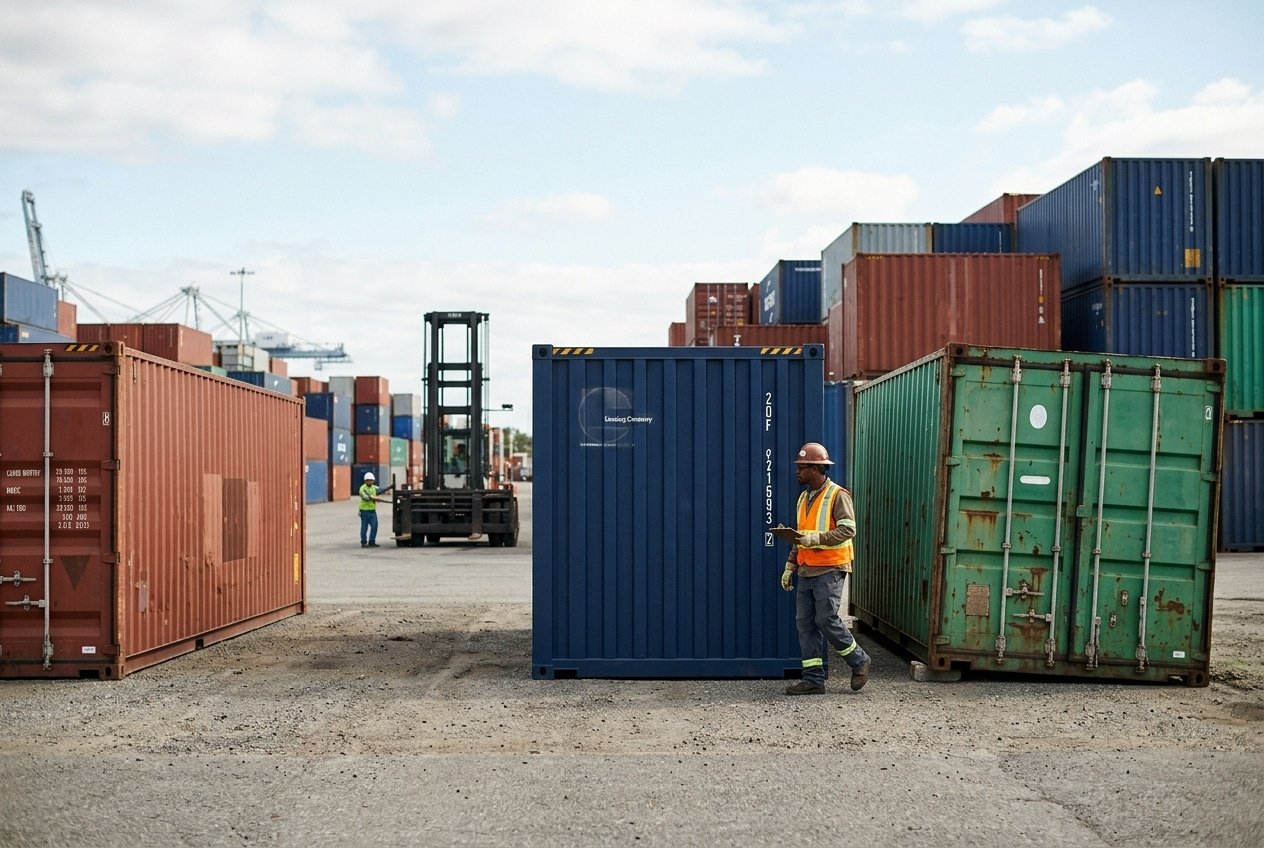
Expect surface rust on the exterior, particularly along the bottom rails, around the door hinges, and on the roof where water pools. Minor dents in the corrugated wall panels are normal and do not affect structural performance as long as the steel is not punctured. Some WWT containers have small patch welds where holes were repaired; these are acceptable as long as the welds are solid and the patches are watertight.
Floor condition varies widely in the WWT category. Some units have floors in surprisingly good shape with only surface scuffing. Others show gouges from forklift tines, staining from previous cargo, or soft spots where moisture has begun to degrade the plywood. Always inspect the floor by walking the full interior and probing any discolored areas with a screwdriver. Replacing a container floor costs $800 to $2,500 depending on the container size and whether you use marine-grade plywood or a composite alternative. Factor this into your budget if the floor shows significant damage.
Door operation is another common issue. Rust and corrosion around the hinge pins can make doors stiff or difficult to latch. Replacement gaskets cost $50 to $150 per door, and hinge repair is straightforward for any welder. These are not deal-breakers, but they are negotiating points when you are reviewing a WWT unit before purchase.
As-Is Containers: Risks and Rewards for DIYers
As-Is is exactly what it sounds like: the seller makes no guarantees about the container’s condition. These units may have holes in the roof, damaged floor sections, seized door mechanisms, or significant structural corrosion. They are the cheapest containers on the market, sometimes available for $800 to $2,000, but the savings come with real risk.
Some As-Is containers are perfectly usable for non-weather-sensitive applications: equipment enclosures, workshop shells that will be heavily modified anyway, or short-term barriers and site fencing. Others are only good for scrap steel. The key is knowing what to look for before you commit.
Identifying Structural Damage and Potential Repair Costs
Focus your inspection on three areas: the bottom side rails, the corner posts, and the roof. The bottom rails are the container’s spine. If corrosion has eaten through the rail steel to the point where you can push a screwdriver through it, the container has a serious structural problem. Rail replacement runs $1,500 to $3,000 per side and requires a skilled welder with container experience.
Corner posts bear the full stacking and lifting load. Any bending, cracking, or heavy corrosion in the corner castings or posts means the container cannot be safely lifted by crane or forklift. This limits your delivery options and makes the unit essentially immovable once placed. Roof damage is easier to repair: small holes can be patched with steel plate and weld for $100 to $300 each, but widespread rust pitting across the roof panels suggests the steel has thinned beyond practical repair.
A useful rule of thumb: if estimated repair costs exceed 40% of the price of a WWT container of the same size, skip the As-Is unit and buy the better grade. You will save time, frustration, and likely money in the long run.
Critical Factors When Choosing Your Container Condition
The right grade depends on a matrix of factors, not just price. A farmer storing hay needs different specs than a contractor building a container office. Thinking through your actual requirements before shopping prevents both overspending and under-buying.
Comparing Upfront Costs vs. Long-Term Maintenance
Here is a practical comparison for a 40-foot high cube shipping container over a 10-year ownership period:
- One-Trip: $7,000 upfront, minimal maintenance ($200 to $500 total over 10 years for touch-up paint and gasket replacement). Total cost of ownership: roughly $7,500.
- Cargo Worthy: $4,500 upfront, moderate maintenance ($500 to $1,500 over 10 years for rust treatment, gaskets, and minor floor repair). Total cost: roughly $6,000.
- WWT: $3,500 upfront, higher maintenance ($1,000 to $3,000 over 10 years for rust treatment, floor sections, door hardware, and paint). Total cost: roughly $5,500.
- As-Is: $1,500 upfront, unpredictable maintenance ($1,500 to $5,000+ depending on initial condition). Total cost: $3,000 to $6,500.
The numbers show that WWT and CW grades often deliver the best value for static storage applications. One-trip makes financial sense for projects lasting 15 years or more, or where the container’s appearance and structural documentation matter for permits or resale.
Environmental Impact and Sustainability of Used Units
Every used shipping container you buy is one that does not end up in a scrap yard. There are an estimated 17 million shipping containers in circulation worldwide, and millions are retired from ocean service each year. Repurposing a CW or WWT container as storage, workspace, or a building component extends its useful life by decades and keeps roughly 3,500 kg of steel (for a 20-foot unit) out of the recycling stream.
From a carbon perspective, manufacturing a new steel container produces approximately 3 to 4 tonnes of CO2. Buying used avoids that entirely. If sustainability factors into your purchasing decisions, a used shipping container in good condition is one of the most resource-efficient building and storage solutions available. The steel is inherently recyclable at end of life, so even after 30 years of repurposed service, the material retains value.
Final Checklist for Inspecting and Purchasing Your Unit
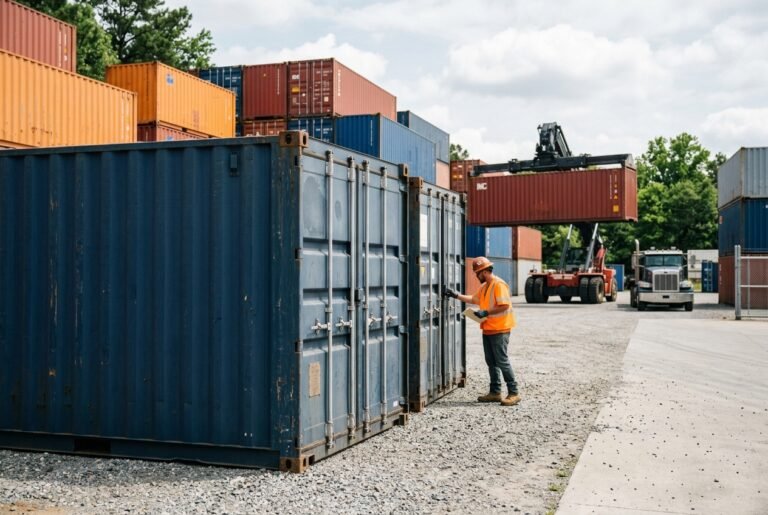
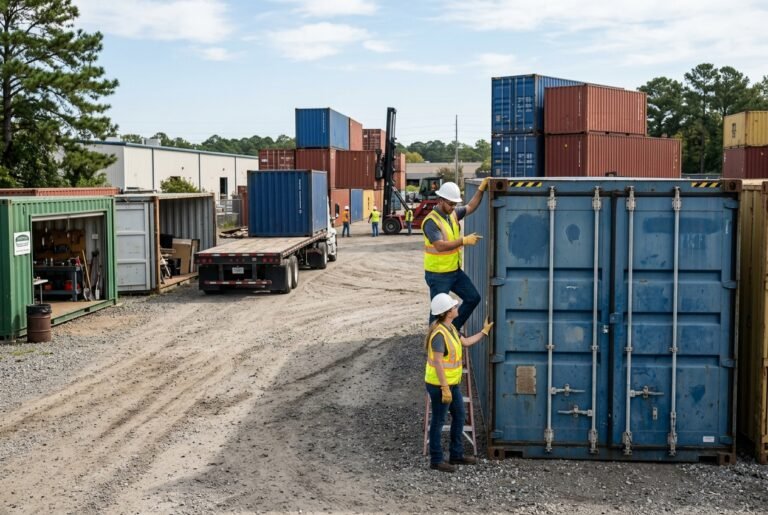
Before you sign off on any container purchase, walk through these inspection points. Bring a flashlight, a screwdriver, and a tape measure.
- Check the CSC plate (if buying CW): confirm the approval date and next examination date are current.
- Inspect all four corner castings for cracks, corrosion, or deformation. Twist-lock holes should be clean and undamaged.
- Walk the interior floor from end to end. Probe any soft, discolored, or stained areas with the screwdriver. Note any sections that flex underfoot.
- Open and close both doors fully. Latch and unlatch the locking bars. Check gasket compression and look for daylight around the door seals.
- Examine the roof from inside with the doors closed. Use the flashlight to look for pinholes of light, which indicate rust-through.
- Run your hand along the bottom side rails on both sides. Feel for flaking rust, thin spots, or holes.
- Check the exterior walls for patch welds. Small, clean patches are fine. Large or poorly welded patches are a red flag.
- Measure the interior dimensions if you have specific storage requirements. A standard 20-foot container offers roughly 1,172 cubic feet of interior space; a 40-foot high cube provides about 2,700 cubic feet.
- Ask about the container’s history: how many years in ocean service, what cargo it carried, and whether any modifications have been made.
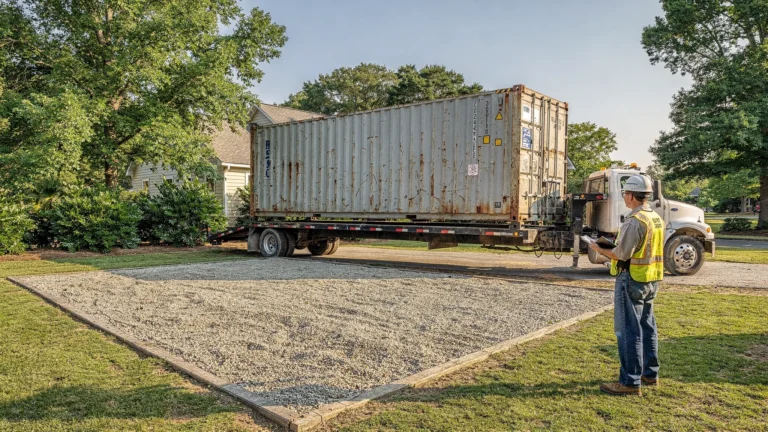
- Confirm delivery logistics before finalizing. A tilt-bed truck needs roughly 100 feet of straight clearance to offload, while a crane delivery requires overhead clearance of at least 20 feet. Lease Lane Containers provides delivery planning support to help you verify site access, turning radius, and placement before the truck arrives.
The condition grade you choose sets the foundation for your entire project. Whether you need a pristine one-trip unit for a container home build or a solid WWT container for farm equipment storage, matching the grade to your actual use case saves money and headaches. If you are still weighing your options, browse available inventory at Lease Lane Containers to compare sizes, grades, and pricing side by side. The Raleigh-based team can walk you through the specifics and help you pick the right container for your project and your site.