Where to Buy Cargo Worthy Shipping Containers in Raleigh, NC
Buying a used shipping container in the Raleigh area sounds simple enough until you realize that “used” covers everything from a lightly worn one-trip unit to a rusted-out box that hasn’t been inspected in years. If you’re a contractor setting up job-site storage, a homeowner adding backyard space, or a small business owner managing inventory overflow, the grade of container you choose matters more than the price tag alone. A cargo worthy shipping container in Raleigh, NC gives you a unit that’s been inspected and certified to carry goods internationally, which also means it meets a structural standard most buyers can trust for stationary use. Knowing where to find these containers locally, what to look for during inspection, and how to handle delivery and permitting in Wake County can save you thousands of dollars and weeks of frustration. This guide breaks down each step so you can buy with confidence and avoid the most common pitfalls.
Table of Contents
- Understanding Cargo Worthy Standards in the Raleigh Market
- CW vs. Wind and Watertight (WWT) Classifications
- CSC Plate Requirements for International Shipping
- Top Local Suppliers and National Dealers Serving Wake County
- Direct Purchase from Raleigh-Based Intermodal Depots
- Reputable Online Marketplaces with Local Delivery
- Key Factors Influencing Container Pricing in North Carolina
- Inspecting Your Container Before Delivery
- Structural Integrity Checklist for Raleigh Buyers
- Identifying Signs of Chemical Spills or Heavy Corrosion
- Navigating Raleigh Zoning and Permit Requirements
- Residential vs. Commercial Placement Regulations
- Logistics and Site Preparation for Safe Delivery
- Ground Surface Preparation for Heavy Steel Units
- Tilt-Bed vs. Flatbed Truck Delivery Options
- Maximizing Your Investment in the Triangle Area
Understanding Cargo Worthy Standards in the Raleigh Market
The term “cargo worthy” isn’t marketing language. It’s a specific certification issued by a licensed surveyor confirming that a shipping container is structurally sound enough for international ocean transport. For buyers in the Raleigh and Triangle area, this distinction matters because it gives you a baseline of quality. A container that passes a cargo worthy (CW) inspection has intact walls, functional doors, solid flooring, and no holes or major corrosion that would compromise its contents. Even if you never plan to ship anything overseas, buying a CW-certified unit means you’re getting a container that meets a recognized international standard rather than relying on a seller’s subjective opinion of “good condition.”
CW vs. Wind and Watertight (WWT) Classifications
These two grades get confused constantly, and the difference is real. A wind and watertight (WWT) container keeps rain and wind out but hasn’t necessarily been inspected to the same structural standard as a CW unit. WWT containers may have dents, surface rust, or minor floor damage that wouldn’t pass a CW survey. They’re often suitable for basic on-site storage where you just need dry, enclosed space. A CW container, on the other hand, has been verified by a certified inspector to meet the structural requirements for loaded ocean transport. If you need to stack containers, plan to modify the unit, or want a longer service life, CW is the better investment. The price difference between a WWT and CW unit in the Raleigh market typically runs $300 to $800, depending on size and condition.
CSC Plate Requirements for International Shipping
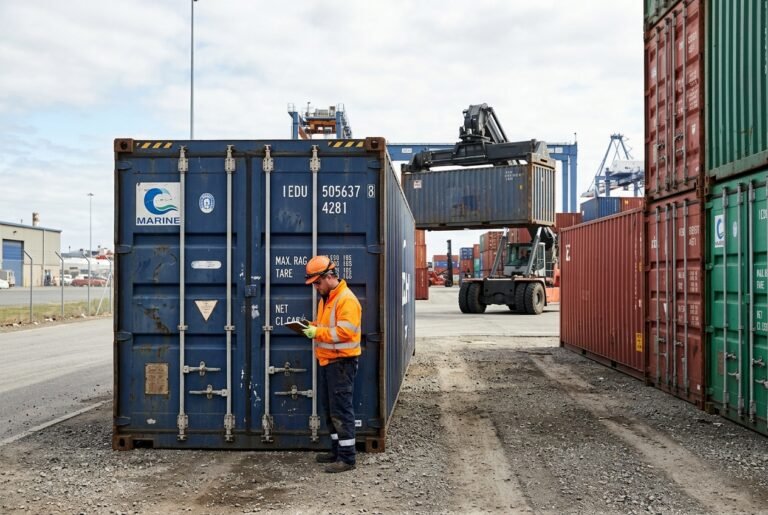
Every shipping container built for international transport carries a CSC (Convention for Safe Containers) plate, usually riveted to the left door. This metal plate lists the container’s manufacturing date, maximum gross weight, stacking strength, and the date of its last inspection. For a container to maintain CW status, its CSC plate must be current, meaning it was inspected within the past 30 months or has a valid ACEP (Approved Continuous Examination Program) marking. If you’re buying a container strictly for storage in Raleigh, an expired CSC plate isn’t necessarily a dealbreaker, but it tells you the unit hasn’t been recently surveyed. Buyers planning to export goods or resell the container later should confirm the CSC plate is valid before signing anything.
Top Local Suppliers and National Dealers Serving Wake County
Raleigh sits close enough to the Port of Wilmington and the Norfolk intermodal corridor to benefit from a steady supply of used shipping containers. That proximity keeps prices competitive compared to inland markets in the western part of the state. You’ll find containers through three main channels: local intermodal depots, national dealers with regional delivery, and online marketplaces that connect you with nearby inventory.
Direct Purchase from Raleigh-Based Intermodal Depots
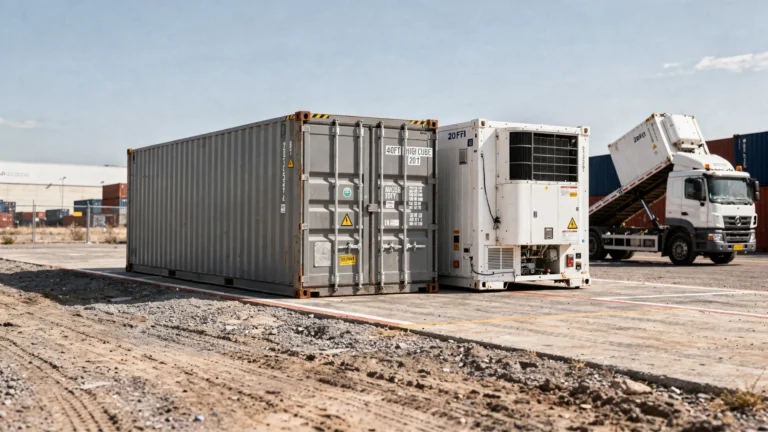
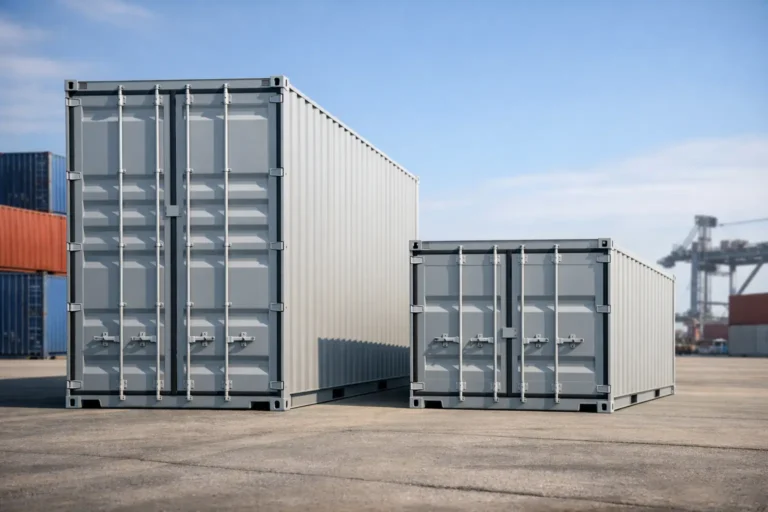
Rail yards and intermodal depots around the Triangle regularly cycle out containers that shipping lines have retired from active service. Buying directly from a depot can sometimes save you a delivery fee since you’re picking up from the source. The trade-off is that depot inventory changes constantly, and you may not get to choose a specific unit unless you visit in person. Lease Lane Containers, based right here in Raleigh, works with depot inventory and provides transparent grading guidance so you know exactly what condition you’re getting. Their team helps buyers compare sizes and grades before committing, which is especially useful if you’re unfamiliar with the differences between a 20ft standard and a 40ft high cube.
Reputable Online Marketplaces with Local Delivery
Several national platforms list containers with delivery to the Raleigh area. Sites like Container One, Shipped.com, and BoxHub aggregate inventory from depots across the Southeast. When shopping online, verify that the listing specifies the container’s grade (CW, WWT, or one-trip) and includes photos of the actual unit rather than stock images. Ask whether delivery is included in the quoted price or billed separately. A 40ft container delivered within Wake County typically costs $150 to $400 for transport, depending on distance from the depot and site accessibility.
Key Factors Influencing Container Pricing in North Carolina
Container prices in North Carolina fluctuate based on several factors that are worth understanding before you start comparing quotes. Global shipping demand is the biggest driver. When ocean freight rates spike, shipping lines hold onto containers longer, which tightens supply in the domestic resale market. Conversely, when demand drops, more units get released to depots and prices soften.
Size and grade create the most obvious price differences. A 20ft CW container in the Raleigh area generally runs between $2,200 and $3,500, while a 40ft CW unit falls in the $2,800 to $4,500 range. High cube versions (9’6″ tall instead of the standard 8’6″) command a premium of $200 to $600 because of the extra cubic footage. One-trip containers, which have made a single voyage from the factory, cost significantly more but arrive in near-new condition. Seasonality also plays a role: spring and summer bring higher demand from construction and agriculture buyers, which can push prices up 10 to 15 percent compared to winter months.
Inspecting Your Container Before Delivery
Even with a CW certification, you should know what to look for when inspecting a container. Certificates confirm a snapshot in time, and conditions can change during storage or transport.
Structural Integrity Checklist for Raleigh Buyers
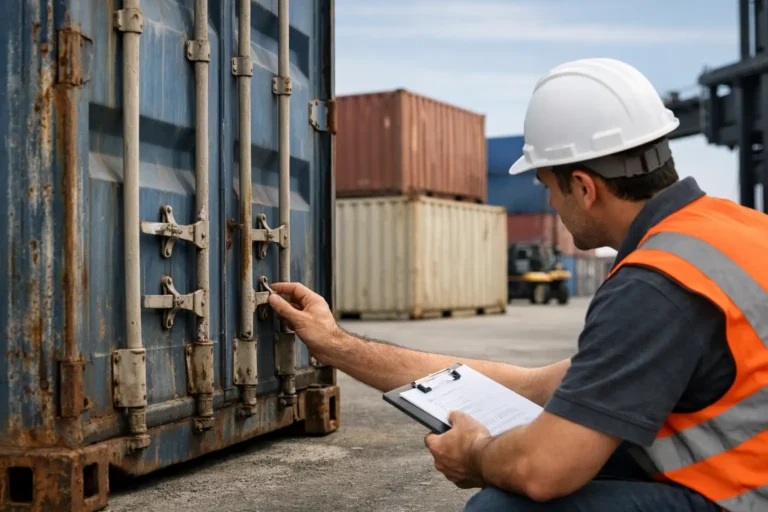
Start with the doors. Open and close both swing doors fully. They should move smoothly on their hinges, and the locking bars should engage without excessive force. Check the rubber door gaskets for cracks or gaps that would let water in. Walk the interior and look up at the ceiling panels for light bleed, which indicates holes or lifted seams. Press on the floor with your heel, especially near the door end where forklifts cause the most wear. Marine-grade plywood flooring should feel solid, not spongy. On the exterior, inspect the corner castings for cracks since these are the structural connection points for stacking and lifting. Run your hand along the bottom rails and check for rust-through, particularly on the side that would have faced the ocean during transport.
Identifying Signs of Chemical Spills or Heavy Corrosion
Not every used container carried benign cargo. Some units show staining on the interior floor from chemical spills or leaking drums. Dark discoloration, strong odors, or warped flooring panels are red flags. If you plan to store food products, animal feed, or use the container as a workspace, chemical contamination is a serious concern. Heavy corrosion often appears along the bottom side rails and underneath the container where standing water collects. Surface rust is normal and cosmetic. Rust that flakes away to reveal thinning steel is structural and should give you pause. A quick magnet test can help: if a magnet won’t stick firmly, the steel may be too thin in that spot.
Navigating Raleigh Zoning and Permit Requirements
Placing a shipping container on your property in Raleigh isn’t as simple as picking a flat spot and scheduling delivery. The City of Raleigh and Wake County have specific zoning rules that determine where containers can go, how long they can stay, and whether you need a permit.
Residential vs. Commercial Placement Regulations
On residential properties within Raleigh city limits, shipping containers are generally treated as accessory structures. You’ll likely need a zoning permit, and the container must comply with setback requirements, meaning it can’t sit too close to property lines or public rights-of-way. Some HOA-governed neighborhoods prohibit them entirely, so check your covenants first. Commercial properties have more flexibility, but you may still need a site plan review if the container is permanent. Temporary placement for construction projects often falls under a separate permit category with a defined time limit, usually six months to a year. Contact the Raleigh Development Services office or your county planning department before purchasing to avoid fines or forced removal.
Logistics and Site Preparation for Safe Delivery
Getting a shipping container to your property is only half the challenge. The other half is making sure your site can handle the delivery truck and support the container long-term.
Ground Surface Preparation for Heavy Steel Units
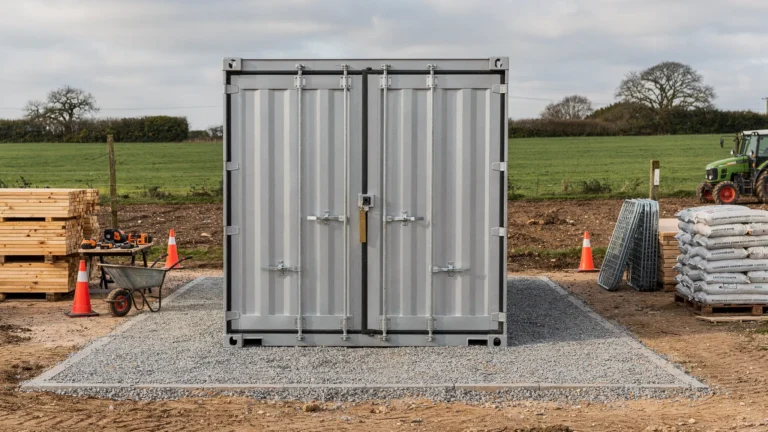
A 20ft empty shipping container weighs roughly 5,000 pounds. A 40ft unit comes in around 8,500 pounds. That weight needs a stable, level surface. Soft ground, fresh fill dirt, or uncompacted gravel will cause the container to sink unevenly over time, which warps the frame and makes doors difficult to open. The best foundation options for most Raleigh buyers are compacted gravel pads (at least 4 inches deep), concrete footings under the four corners, or railroad ties laid flat. If your site has any slope, grade it level before delivery day. Lease Lane Containers offers delivery planning support that covers site access, placement, overhead clearance, and turning radius, helping you avoid last-minute surprises when the truck arrives.
Tilt-Bed vs. Flatbed Truck Delivery Options
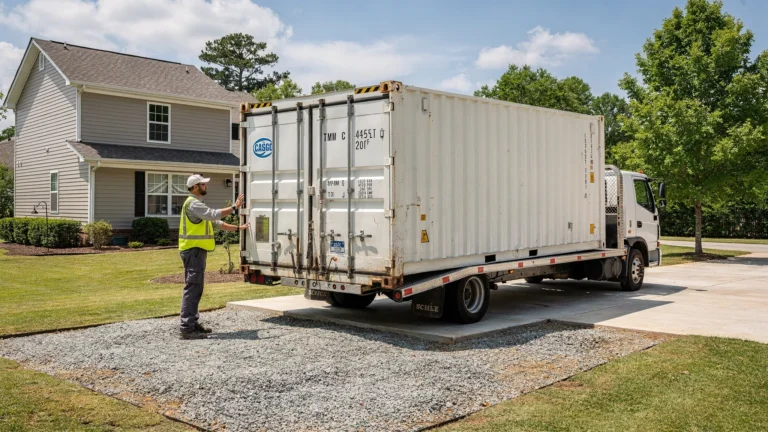
Most residential and small commercial deliveries in the Raleigh area use tilt-bed trucks, which slide the container off the back of the truck onto the ground. This method requires roughly 100 feet of straight, unobstructed space in front of the placement spot. If your driveway curves, has low-hanging branches, or passes under power lines, measure everything beforehand. A standard 40ft container on a tilt-bed truck needs about 15 feet of vertical clearance. Flatbed delivery with a crane or forklift offload is the alternative for tight sites, but it costs more and requires a separate piece of equipment on-site. Confirm the delivery method with your supplier before finalizing the purchase so you can prepare accordingly.
Maximizing Your Investment in the Triangle Area
A cargo worthy shipping container purchased in the Raleigh, NC area is more than a steel box. It’s a long-term asset that holds value well when properly maintained. After delivery, a few simple steps will extend its life by years. Apply a rust-inhibiting primer to any bare metal spots, especially along the bottom rails. Keep the doors lubricated with a silicone-based spray every few months. If the container sits on soil, check quarterly for settling or pooling water underneath.
For buyers in the Triangle who plan to convert their container into a workshop, office, or retail space, starting with a CW-grade unit gives you a structurally sound foundation for modifications. The steel is verified to handle loads, the doors seal properly, and the overall condition supports cutting, welding, and framing without hidden surprises.
If you’re ready to compare options, browse Lease Lane Containers’ current inventory to see available sizes, grades, and pricing. Their Raleigh-based team can walk you through the details and help you match the right container to your project, whether it’s a 20ft storage unit for the backyard or a 40ft high cube for a commercial build-out.