What Is the Cost of a 40ft Shipping Container?
Table of Contents
- Current Market Prices for 40ft Shipping Containers
- Standard Dry Containers vs. High Cube Models
- Price Differences Between New and Used Units
- Key Factors Influencing Container Costs
- Physical Condition and Grading Scales
- Global Supply Chain and Steel Price Fluctuations
- Specialized 40ft Container Variations
- Refrigerated (Reefer) Container Premiums
- Open Top and Flat Rack Pricing
- Delivery Logistics and Transportation Fees
- Distance and Fuel Surcharges
- Offloading Requirements and Equipment Costs
- Additional Costs for Modifications and Customization
- Regional Price Variations and Where to Buy
- Total Cost of Ownership and Long-Term Value
Buying a 40ft shipping container is one of the most practical investments a contractor, small business owner, or rural property owner can make. But the price you'll pay depends on far more than just the container itself. Steel market conditions, container grade, delivery distance, and the type of container you need all play a role in shaping the final number on your invoice.
If you're budgeting for a project, whether that's materials staging on a job site, inventory overflow for a growing business, or long-term storage on a farm, understanding the full 40ft shipping container cost picture helps you avoid surprises. Prices can range from under $2,000 for a well-worn used unit to over $10,000 for a one-trip container, and that's before delivery or modifications enter the equation. The gap between the cheapest option and the right option is where most buyers need honest guidance.
This breakdown covers real market pricing, the factors that shift costs up or down, specialty container types, delivery logistics, modification expenses, and regional differences. By the end, you'll have a clear framework for calculating your total spend and choosing the container that fits your actual needs.
Table of Contents
- Current Market Prices for 40ft Shipping Containers
- Key Factors Influencing Container Costs
- Specialized 40ft Container Variations
- Delivery Logistics and Transportation Fees
- Additional Costs for Modifications and Customization
- Regional Price Variations and Where to Buy
- Total Cost of Ownership and Long-Term Value
Current Market Prices for 40ft Shipping Containers
Pricing for a 40ft container has fluctuated significantly since 2020. During the pandemic-era shipping crunch, used containers that previously sold for $1,500 to $2,500 jumped to $5,000 or more in some markets. As of mid-2024 and into 2025, prices have settled back toward pre-pandemic levels, though they remain sensitive to steel costs and global trade patterns.
A general pricing snapshot for the U.S. market looks like this:
- One-trip (new) 40ft standard: $4,500 to $7,500
- Cargo Worthy used 40ft standard: $2,000 to $4,000
- Wind and Watertight used 40ft: $1,200 to $2,500
- One-trip 40ft high cube: $5,000 to $8,500
These ranges shift based on your location, the seller's inventory levels, and current demand. Coastal cities with port access tend to have lower base prices because containers don't need to travel far from the docks.
Standard Dry Containers vs. High Cube Models
A standard 40ft dry container measures 40 feet long, 8 feet wide, and 8 feet 6 inches tall on the exterior. Interior dimensions come in at roughly 39 feet 5 inches long, 7 feet 8 inches wide, and 7 feet 10 inches tall, giving you about 2,390 cubic feet of usable space.
A 40ft high cube shipping container adds an extra foot of height, bringing the exterior to 9 feet 6 inches. That additional 12 inches of headroom matters more than you'd expect. It makes the container more comfortable for workspace conversions, allows taller shelving systems, and gives clearance for equipment that won't fit in a standard unit. Expect to pay $500 to $1,500 more for a high cube compared to a standard dry container of the same grade.
Price Differences Between New and Used Units
The term "new" in the container industry typically means "one-trip." These containers were manufactured overseas, loaded with cargo for a single voyage, and then sold at the destination port. They arrive with minimal wear: maybe a few scuffs from transit, but structurally and cosmetically close to factory condition.
Used containers span a much wider range. A unit that spent 12 years in ocean service will show significant surface rust, dents, and possibly patched floor sections. A container retired after five years of service might look nearly as clean as a one-trip unit. The price gap between a one-trip and a Cargo Worthy used container can be $2,000 to $4,000, which is why understanding grades matters so much before you commit.
Key Factors Influencing Container Costs
No single factor determines what you'll pay. The final cost of a 40ft container is shaped by a combination of physical condition, market dynamics, and the specific features you need. Knowing which variables carry the most weight helps you negotiate better and budget more accurately.
Physical Condition and Grading Scales
Container grading isn't standardized by a single governing body, but the industry uses common terms that most reputable sellers follow:
- One-Trip: Nearly new. Minimal cosmetic wear. Structurally sound with original paint and flooring intact.
- Cargo Worthy (CW): Certified for ocean transport. May have surface rust, minor dents, and some floor wear, but structurally sound and watertight.
- Wind and Watertight (WWT): Keeps weather out but is no longer certified for shipping. Suitable for ground-level storage. Expect visible rust, patched areas, and cosmetic imperfections.
- As-Is: Sold without guarantees. Could have holes, damaged doors, or compromised structural integrity. Best for buyers willing to invest in repairs.
When inspecting a used container, check for chassis corrosion along the bottom rails, test door operation on both swing doors, and examine the floor for soft spots or excessive patching. These details directly affect both the purchase price and the container's useful life. Lease Lane Containers provides transparent grading guidance so buyers understand exactly what they're getting before delivery.
Global Supply Chain and Steel Price Fluctuations
Steel is the primary raw material in container manufacturing, and its price directly affects new container costs. When hot-rolled coil steel prices spike, manufacturers pass those costs along. A $200-per-ton increase in steel can add $500 to $1,000 to a new container's price.
Trade volume also plays a role. When global shipping demand drops, surplus containers flood the market and used prices fall. When demand surges, as it did in 2021 and 2022, even beat-up containers command premium prices. Monitoring these trends won't help you time the market perfectly, but it gives context for whether current asking prices are reasonable or inflated.
Specialized 40ft Container Variations
Standard dry containers handle most storage and staging needs, but certain projects require specialized builds. These specialty units carry higher price tags because of their added engineering and limited availability.
Refrigerated (Reefer) Container Premiums
A 40ft refrigerated container, commonly called a reefer, includes an integrated cooling unit capable of maintaining temperatures from -22°F to 77°F. These are essential for food storage, pharmaceutical logistics, and temperature-sensitive materials.
Pricing for reefer containers is significantly higher than dry units. A used 40ft reefer in working condition typically runs $6,000 to $12,000, while a one-trip reefer can exceed $25,000. The refrigeration unit itself accounts for much of that premium. You'll also need a dedicated power supply: most reefers require a 460V three-phase electrical connection or a generator rated at 7.5 kW or higher. Factor in $50 to $150 per month in electricity costs for continuous operation.
Open Top and Flat Rack Pricing
Open top containers remove the fixed steel roof, replacing it with a removable tarpaulin or hard-top cover. They're used for loading oversized cargo from above with a crane. A used 40ft open top typically costs $3,500 to $6,000, depending on condition and tarp quality.
Flat rack containers have collapsible or fixed end walls with no sides or roof. They're designed for heavy machinery, large equipment, or irregularly shaped loads. Used 40ft flat racks range from $2,500 to $5,500. Both types are less common in the secondary market, so availability can be limited and prices less negotiable.
Delivery Logistics and Transportation Fees
The purchase price is only part of your total spend. Getting a 40ft container from the seller's yard to your property involves real costs that some buyers overlook during budgeting.
Distance and Fuel Surcharges
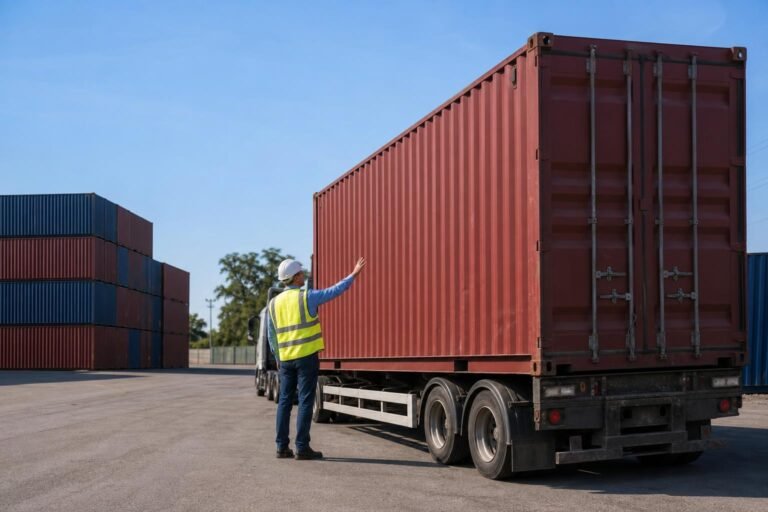
Most container sellers use tilt-bed trucks or flatbed trailers for delivery. A typical delivery within 50 miles of a depot or port might cost $200 to $500. Beyond that radius, expect to pay $3 to $5 per mile. A 200-mile delivery could add $600 to $1,000 to your total.
Fuel surcharges fluctuate with diesel prices. Some sellers quote delivery as a flat fee; others break out the fuel surcharge separately. Always confirm whether the delivery quote is all-inclusive or subject to adjustment. If you're in the Raleigh, North Carolina area, Lease Lane Containers offers local delivery planning support and can help you estimate costs for deliveries across the Southeast and nationwide.
Offloading Requirements and Equipment Costs
A 40ft container weighs approximately 8,160 pounds empty. You can't just roll it off the back of a truck. The delivery method determines what equipment you need on-site.
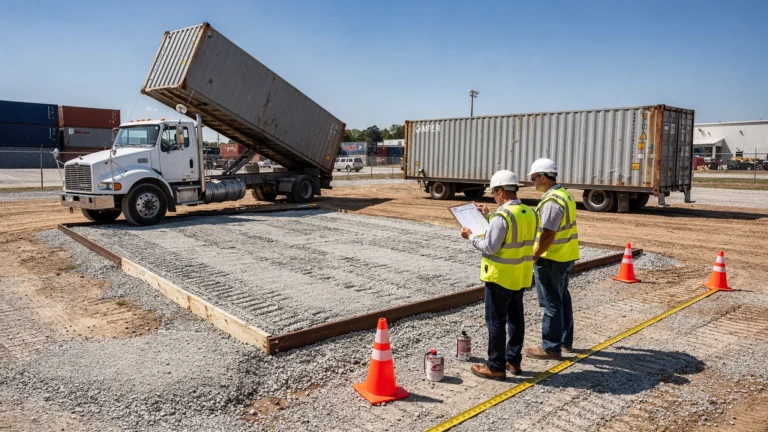
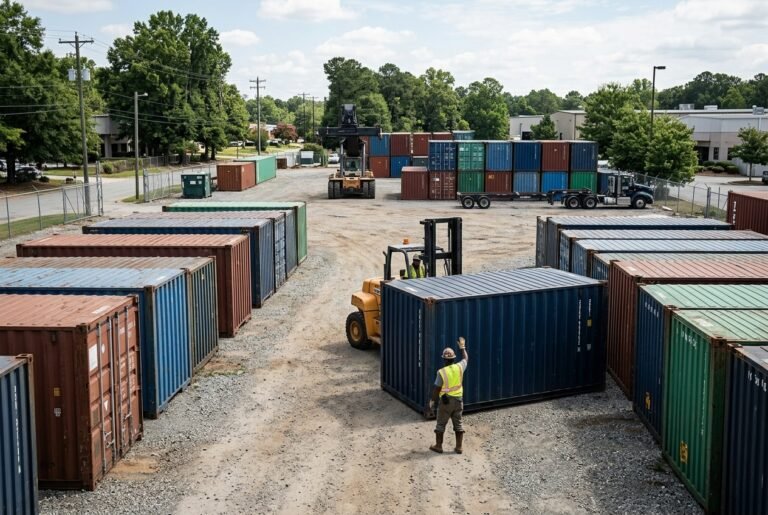
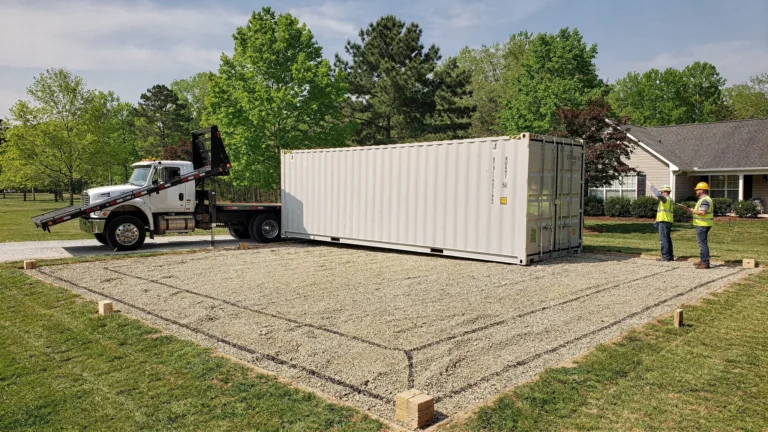
Tilt-bed trucks can slide the container off onto level ground without a crane, but they need roughly 100 feet of straight, level space to operate. If your site has tight turns, overhead power lines, or soft ground, you may need a crane or forklift for placement. Crane rental runs $300 to $800 depending on your area and the lift duration. Confirming your site's turning radius, overhead clearance, and ground conditions before scheduling delivery prevents costly rescheduling.
Additional Costs for Modifications and Customization
Many buyers don't use their container straight out of the box. Common modifications include roll-up doors, personnel doors, windows, ventilation, insulation, electrical wiring, and interior framing. These additions can range from modest to substantial in cost.
A basic modification package for storage use might include a lock box, ventilation louvers, and a fresh coat of paint for $300 to $800. Converting a 40ft container into a functional workspace with insulation, electrical outlets, LED lighting, and a personnel door can run $5,000 to $15,000 depending on the scope. High-end conversions for container offices, pop-up retail, or living spaces can exceed $25,000.
If you're planning modifications, it's often cheaper to start with a one-trip container. The cleaner surfaces, intact flooring, and straight walls reduce prep work and keep modification costs lower. Patching rust, replacing flooring, and straightening dented panels on a WWT container can eat into the savings you gained from buying used.
Regional Price Variations and Where to Buy
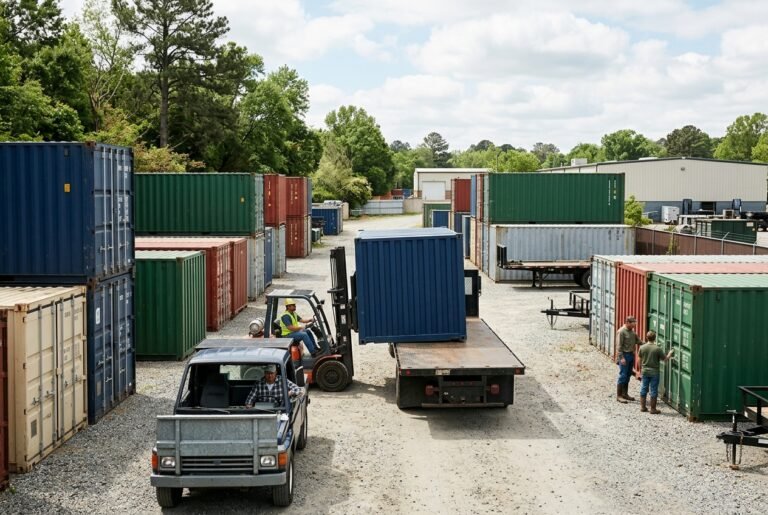
Geography has a measurable impact on container pricing. Port cities like Houston, Los Angeles, Savannah, and Newark tend to have the lowest base prices because containers arrive directly from overseas and don't require inland transport. A Cargo Worthy 40ft container in Savannah might sell for $2,200, while the same grade container in Denver could cost $3,200 or more after inland transport markup.
The Southeast offers a pricing advantage because of its proximity to major ports along the Atlantic coast. Buyers in North Carolina benefit from reasonable access to both the Port of Wilmington and the Port of Savannah. Lease Lane Containers, based in Raleigh, sources containers through these supply channels and delivers across the state and beyond.
When choosing where to buy, prioritize sellers who provide clear grading information, published pricing, and delivery planning support. Avoid listings that use vague descriptions like "good condition" without specifying a recognized grade. Ask for photos of all four sides, the interior floor, the roof, and the door seals before committing.
Total Cost of Ownership and Long-Term Value
Thinking beyond the sticker price gives you a more accurate picture of your investment. A well-maintained shipping container can last 20 to 25 years in ground-level storage use, and even longer with periodic upkeep. Annual maintenance costs are minimal: a rust treatment and touch-up paint job runs $100 to $300 per year depending on your climate.
Here's a rough total cost estimate for a typical buyer:
- Used Cargo Worthy 40ft container: $2,800
- Delivery (100 miles): $450
- Gravel pad site prep: $500
- Lock box and ventilation: $250
- Annual maintenance (10 years): $1,500
- Total 10-year cost: approximately $5,500
Compare that to renting a portable storage unit at $150 to $250 per month, and you'll spend $18,000 to $30,000 over the same decade. Ownership pays for itself within two to three years for most buyers. Resale value holds up reasonably well too: a Cargo Worthy container retains roughly 40% to 60% of its purchase price after a decade of use if maintained properly.
The right 40ft container purchase starts with understanding the full cost picture, from base price through delivery, site prep, and any modifications you need. If you're ready to compare options, browse available inventory at Lease Lane Containers to see current container choices across grades and sizes. Their Raleigh-based team can help you match the right container to your project and plan delivery so it goes smoothly the first time.