Best 40ft shipping container in Houston, Texas | 2026 Guide
Table of Contents
- Table of Contents
- Houston 40ft Shipping Container Quick Facts
- 40ft Shipping Container in Houston: What You Need to Know
- Where Containers Are Used Across Houston
- Why Location Matters for Container Buying
- Top 40ft Shipping Container Options in Houston
- Budget-Friendly: Wind and Watertight (WWT)
- Mid-Range: Cargo Worthy (CW)
- Premium: One-Trip Containers
- How to Choose the Right 40ft Shipping Container in Houston
- Verify the Container Grade
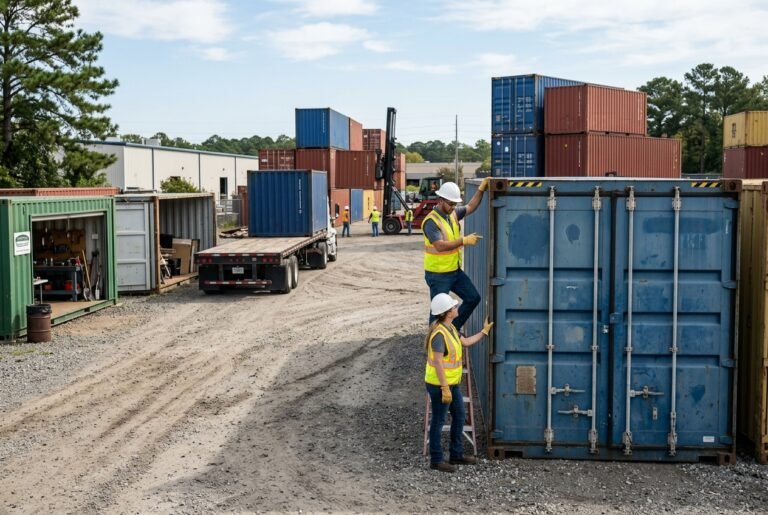
- Inspect Before You Buy (or Get Detailed Photos)
- Confirm Delivery Logistics
- Check Local Permit Requirements
- Houston 40ft Shipping Container Market in 2026
- Supply and Pricing Trends
- Seasonal Demand Patterns
- How Houston Compares to Other Texas Markets
- Houston 40ft Shipping Container FAQ
- How much does a 40ft shipping container cost in Houston in 2026?
- Do I need a permit to place a shipping container on my property in Houston?
- What’s the difference between a standard 40ft container and a high cube?
- How long does delivery take in Houston?
- Can I modify a 40ft shipping container after purchase?
- What should I put under my container?
- Get 40ft Shipping Container in Houston Today
- Final Checklist
Table of Contents
- Houston 40ft Shipping Container Quick Facts
- 40ft Shipping Container in Houston: What You Need to Know
- Top 40ft Shipping Container Options in Houston
- How to Choose the Right 40ft Shipping Container in Houston
- Houston 40ft Shipping Container Market in 2026
- Houston 40ft Shipping Container FAQ
- Get 40ft Shipping Container in Houston Today
- Final Checklist
Houston sits at the center of one of the largest shipping and logistics corridors in the United States. With the Port of Houston handling over 280 million tons of cargo annually and a sprawling industrial footprint stretching from Pasadena to Katy, the city generates constant demand for large-format storage and staging solutions. For contractors managing job sites along the I-10 corridor, small businesses needing overflow inventory space near the Energy Corridor, or rural property owners south of the city looking for durable on-site storage, a 40ft shipping container remains one of the most practical investments available. This 2026 guide breaks down pricing, sourcing, condition grades, and delivery logistics specific to the Houston market so you can make a confident purchase without overpaying or dealing with avoidable surprises. Whether you’re comparing 40ft containers for a commercial project or personal property use, the details here reflect current market conditions and real buying considerations that matter in the Greater Houston area.
Houston 40ft Shipping Container Quick Facts
A 40ft shipping container measures 40 feet long, 8 feet wide, and 8 feet 6 inches tall (or 9 feet 6 inches for a high cube shipping container). That gives you roughly 2,390 cubic feet of usable interior space in a standard unit, enough to hold the contents of a three-bedroom house or stage materials for a mid-size construction project.
Pricing in Houston for 2026 ranges from approximately $1,800 to $3,200 for a used shipping container in wind and watertight condition, $2,800 to $4,500 for cargo worthy units, and $5,000 to $7,500 for one-trip containers. These figures shift based on supply cycles at the Port of Houston and seasonal demand from the construction and oil and gas sectors.
Delivery lead times in the Houston metro area typically run 3 to 10 business days from order confirmation, depending on inventory location and site readiness. Providers serving the Greater Houston area can usually reach addresses from Sugar Land to The Woodlands, and east toward Baytown, without excessive delivery surcharges.
What sets Houston apart from other Texas markets is proximity to the port. Containers cycle through Houston in high volume, which keeps local pricing competitive compared to inland cities like Austin or San Antonio, where freight costs add $500 to $1,200 to the final price.
40ft Shipping Container in Houston: What You Need to Know
Houston’s container market benefits directly from the city’s role as a global trade hub. The Port of Houston is the largest port in the U.S. by foreign waterborne tonnage, and that flow of international goods means a steady supply of shipping containers entering the secondary market. Once containers complete their ocean voyages, many are sold into the local market rather than being repositioned to other ports, creating favorable buying conditions for Houston-area customers.
Where Containers Are Used Across Houston
The use cases span nearly every part of the metro. Along the Ship Channel and in industrial zones like Channelview and La Porte, 40ft containers serve as materials staging units and secure tool storage on active job sites. In the Energy Corridor and Westchase District, businesses use them for document archiving and equipment overflow. Farther out in areas like Cypress, Tomball, and Richmond, property owners and small farms use containers for hay storage, vehicle protection, and workshop conversions.
Contractors working residential projects in neighborhoods like Montrose, the Heights, and Memorial often need temporary on-site storage during renovations. A 40ft unit can hold demolition debris, building materials, and tools in a single secure footprint, which is more cost-effective than renting multiple smaller storage units off-site.
Why Location Matters for Container Buying
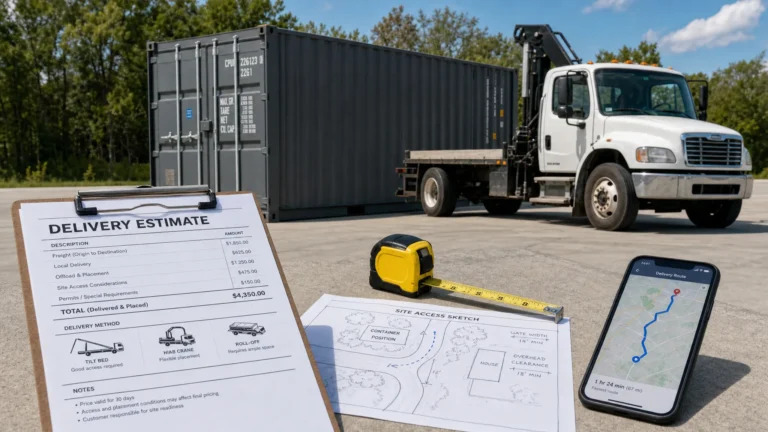
Your distance from the container depot directly affects your total cost. Most Houston-area depots sit within 20 miles of the port, concentrated along Highway 225 and the eastern side of the metro. Buyers in Katy, Cypress, or The Woodlands should expect delivery fees ranging from $350 to $800 depending on distance and truck type. Buyers closer to the port corridor often pay $200 to $400. Understanding shipping container delivery requirements before you order, including site access, turning radius, and overhead clearance, prevents costly rescheduling.
Top 40ft Shipping Container Options in Houston
Not every 40ft container is the same. Condition, age, and intended use should drive your decision. Houston buyers can choose from three main tiers, each suited to different budgets and project requirements.
Budget-Friendly: Wind and Watertight (WWT)
Wind and watertight containers are retired shipping units that no longer meet international cargo certification standards but remain structurally sound and weatherproof. Expect surface rust, dents, minor floor wear, and cosmetic imperfections. Doors open and close, and the roof keeps water out.
Pricing in Houston for a 40ft WWT container runs $1,800 to $3,200 in 2026. These units work well for on-site storage on farms, ranches, and rural properties where appearance is secondary to function. They’re also a solid choice for contractors who need temporary job-site storage and plan to resell or scrap the unit after the project wraps.
Mid-Range: Cargo Worthy (CW)
Cargo worthy containers have passed inspection and still meet the structural and safety standards required for international ocean transport. They show normal wear but have no significant structural defects, compromised flooring, or failed door seals.
Houston pricing for 40ft cargo worthy units ranges from $2,800 to $4,500. This grade is the sweet spot for buyers who want reliability without paying for a new unit. Small businesses using containers for inventory overflow, retail operators setting up pop-up locations, and homeowners converting containers into workshops or studios typically land here. The cargo worthy designation also matters if you plan to resell the container later, as it retains more value than a WWT unit.
Premium: One-Trip Containers
One-trip containers are manufactured overseas (typically in China) and make a single loaded voyage to the U.S. They arrive in near-new condition with minimal cosmetic wear, fresh paint, and factory-installed floors. These units look clean and professional from day one.
In Houston, one-trip 40ft containers cost between $5,000 and $7,500. They’re the right choice for container offices, retail buildouts, visible commercial applications, or any project where appearance and long-term durability matter. If you’re investing in modifications like insulation, electrical, or HVAC, starting with a one-trip container protects your investment. Lease Lane Containers offers one-trip and cargo worthy options with transparent grading guidance so buyers understand exactly what they’re getting before delivery.
How to Choose the Right 40ft Shipping Container in Houston
Buying a 40ft container involves more than picking a price point. Several practical factors determine whether your purchase works out smoothly or creates headaches down the road.
Verify the Container Grade
Always ask for the specific grade designation: wind and watertight, cargo worthy, or one-trip. Some sellers use vague terms like “good condition” or “storage quality” that don’t correspond to recognized industry grades. A cargo worthy container has been inspected by a certified surveyor. A wind and watertight container has not. Knowing the difference protects you from paying cargo worthy prices for a WWT unit.
Inspect Before You Buy (or Get Detailed Photos)
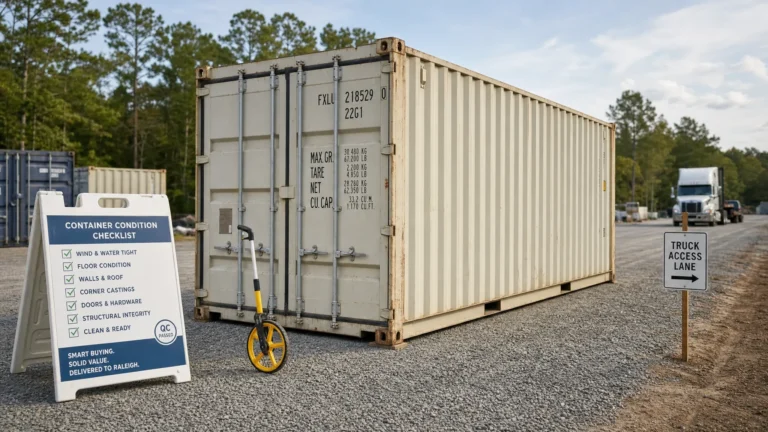
If you can visit the depot, check these items:
- Door operation: both doors should swing open and close without binding
- Roof condition: look for patches, holes, or heavy rust that could lead to leaks
- Floor integrity: marine-grade plywood flooring should be free of soft spots, water damage, and excessive wear
- Corner castings: these structural points handle all lifting and stacking loads, so cracks or deformation here are deal-breakers
- Undercarriage: check cross-members for corrosion or structural compromise
If you’re buying remotely, request timestamped photos of all four sides, the roof, interior, floor, and door seals. Reputable suppliers provide this without pushback.
Confirm Delivery Logistics
A 40ft container requires a tilt-bed truck or a chassis with adequate turning radius. The delivery vehicle needs roughly 100 feet of straight-line clearance to set the container, and overhead obstructions like power lines and tree branches must clear at least 14 feet. Confirm your site can accommodate this before placing an order. Lease Lane Containers provides delivery planning support that covers access evaluation, placement guidance, and clearance requirements so the container arrives and drops correctly on the first attempt.
Check Local Permit Requirements
Houston itself does not require a permit for placing a shipping container on commercial or industrial property for storage purposes in most cases. However, if you’re inside a homeowners association (HOA) or placing a container in a residential zone, restrictions may apply. Harris County and surrounding counties like Fort Bend, Montgomery, and Brazoria each have their own zoning rules. Call your local planning department before delivery to confirm compliance. The City of Houston Planning and Development Department can be reached at (832) 394-8854 for zoning questions.
Houston 40ft Shipping Container Market in 2026
The Houston container market in 2026 reflects several converging trends that affect both pricing and availability for local buyers.
Supply and Pricing Trends
Global shipping disruptions from 2021 through 2023 pushed container prices to historic highs, with 40ft one-trip units briefly exceeding $8,000 in some markets. Prices have since corrected significantly. Houston’s proximity to one of the busiest ports in the country means the local market recovered faster than inland cities. Current 2026 pricing sits roughly 15 to 25 percent below the 2022 peak, making this a favorable time to buy.
The Port of Houston continues to expand, with the Bayport Container Terminal handling increasing volume. More containers cycling through the port means more units entering the resale market, which keeps supply healthy and prices stable. Buyers who need multiple units for commercial projects can often negotiate volume discounts of 5 to 10 percent.
Seasonal Demand Patterns
Houston’s container market follows a predictable seasonal curve. Demand spikes from March through June as construction activity ramps up and hurricane season preparation drives storage purchases. Prices soften slightly from October through January when construction slows and fewer buyers enter the market. If your timeline is flexible, purchasing during the fall or early winter can save $200 to $500 on a 40ft unit.
How Houston Compares to Other Texas Markets
Houston consistently offers the lowest container prices in Texas due to port proximity. Dallas-Fort Worth buyers typically pay $400 to $800 more for the same container grade because of inland freight costs. San Antonio and Austin buyers face similar markups. Even buyers in Beaumont or Galveston, despite being closer to the coast, often find better selection and pricing through Houston-based suppliers because of the concentration of depot inventory in the port corridor.
Compared to national averages, Houston pricing runs about 10 to 20 percent below what buyers pay in landlocked states. This advantage extends to buyers outside Texas as well: companies like Lease Lane Containers, based in Raleigh, North Carolina, coordinate nationwide delivery and can source competitively priced containers through port-adjacent inventory networks.
Houston 40ft Shipping Container FAQ
How much does a 40ft shipping container cost in Houston in 2026?
Prices range from $1,800 to $3,200 for wind and watertight units, $2,800 to $4,500 for cargo worthy containers, and $5,000 to $7,500 for one-trip containers. Delivery within the Houston metro adds $200 to $800 depending on distance from the depot.
Do I need a permit to place a shipping container on my property in Houston?
For most commercial and industrial properties, no permit is required for storage use. Residential placement may trigger zoning restrictions, especially within HOA-governed communities. Always check with your local planning office. Harris County permits can be verified through the Harris County Engineering Department at (713) 274-3100.
What’s the difference between a standard 40ft container and a high cube?
A standard 40ft container stands 8 feet 6 inches tall. A high cube shipping container adds an extra 12 inches, standing 9 feet 6 inches tall. The high cube version provides approximately 2,700 cubic feet of interior space compared to 2,390 cubic feet in the standard unit. High cube containers cost $300 to $600 more on average and are preferred for container office conversions and projects where headroom matters.
How long does delivery take in Houston?
Most suppliers deliver within 3 to 10 business days after order confirmation. Delays typically result from site access issues, not inventory shortages. Having your site prepped with a level surface and clear access path before the delivery date keeps things on schedule.
Can I modify a 40ft shipping container after purchase?
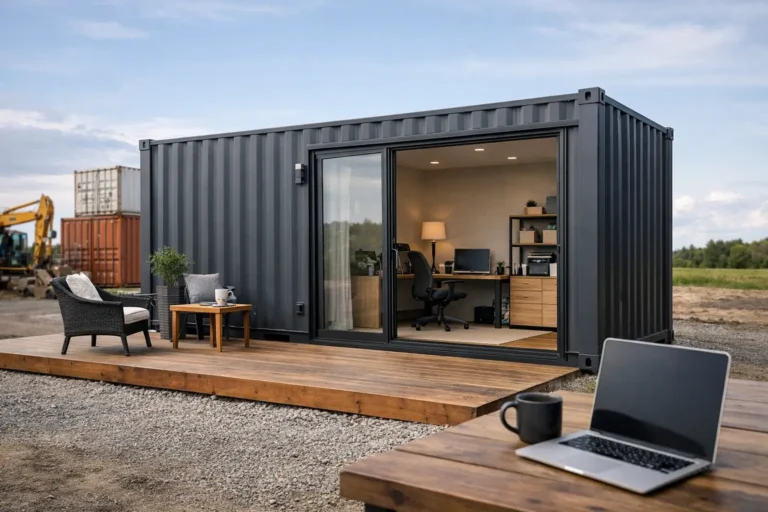
Yes. Common modifications include roll-up door installation, ventilation, insulation, electrical wiring, and interior partition walls. Starting with a one-trip container is recommended for modification projects because the structural integrity and cosmetic condition provide a better foundation. Local Houston welding and fabrication shops can handle most modifications, with costs ranging from $1,500 for basic ventilation to $15,000 or more for full container office buildouts.
What should I put under my container?
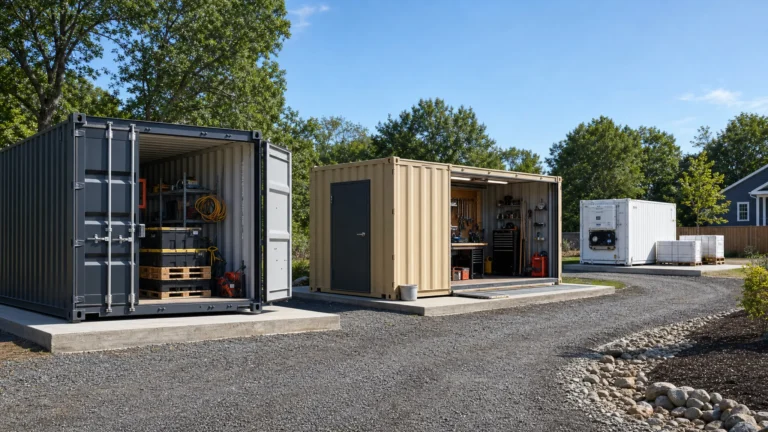
Place your container on a level surface. Gravel pads (4 to 6 inches deep) are the most common and cost-effective foundation. Concrete piers under the four corners work well for permanent installations. Avoid placing containers directly on bare soil, as moisture retention accelerates undercarriage corrosion.
Get 40ft Shipping Container in Houston Today
If you’ve identified your use case, selected a container grade, and confirmed your site can handle delivery, the buying process moves quickly. Here’s how to get started:
- Determine your grade requirement: wind and watertight for basic storage, cargo worthy for resale value and structural assurance, or one-trip for modifications and visible placement.
- Measure your delivery site: confirm at least 100 feet of straight-line access, 14 feet of overhead clearance, and a level surface for placement.
- Contact your supplier with your location, preferred grade, and delivery timeline. Request photos or inspection reports before committing.
- Prepare your foundation: a gravel pad or concrete piers should be in place before the delivery truck arrives.
Houston buyers are in a strong position in 2026. Port proximity keeps prices competitive, inventory stays well-stocked, and delivery timelines remain short compared to most U.S. markets. Acting during the fall or winter months can stretch your budget further, but even peak-season pricing in Houston beats what most inland markets charge year-round.
Final Checklist
- Confirm your container grade (WWT, CW, or one-trip) matches your project needs
- Verify site dimensions: 40 feet of length, 8 feet of width, and adequate overhead clearance for delivery
- Check local zoning and HOA rules before scheduling delivery
- Request detailed photos or arrange an in-person depot inspection
- Prepare a level foundation (gravel pad or concrete piers) before delivery day
- Confirm delivery access: turning radius, overhead lines, and gate width
- Get a written quote that includes the container price and delivery fee as separate line items
- Ask about the container’s CSC plate and inspection history if buying cargo worthy
Finding the right 40ft shipping container for your Houston project comes down to matching condition, budget, and site readiness. With port-adjacent pricing working in your favor and strong local inventory, 2026 is a practical time to buy. To compare available sizes, grades, and pricing, browse current inventory from Lease Lane Containers. If you have questions about delivery planning, site prep, or choosing the right grade for your specific use case, contact us for straightforward guidance from a team that handles these decisions every day.