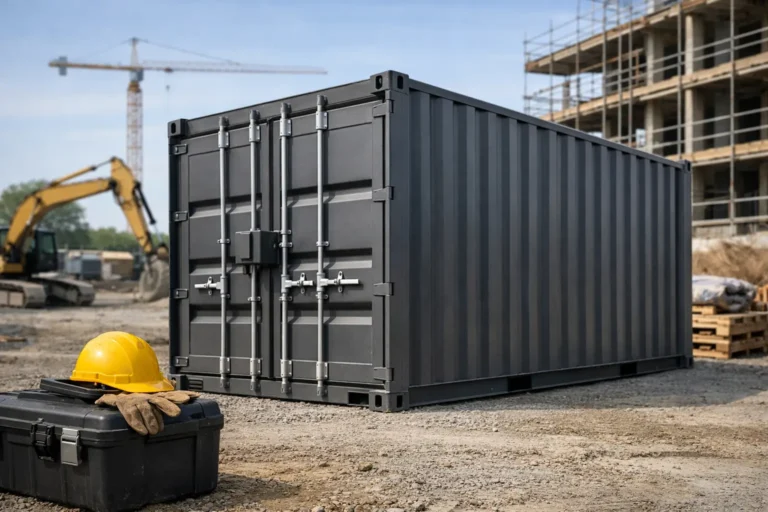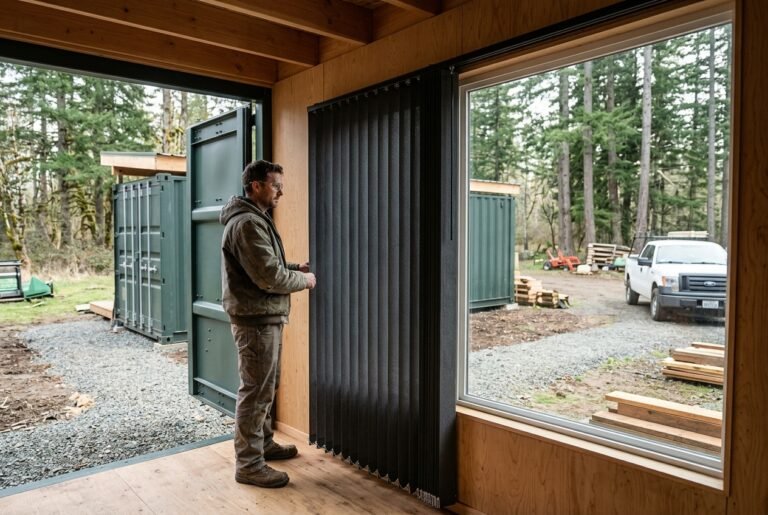
Buy Used Shipping Containers: A Step-by-Step Raleigh Guide
Buying a used shipping container should feel like purchasing durable equipment, not rolling the dice. In Raleigh and across the Southeast, containers live through humid summers, heavy rain, and jobsite abuse, so the difference between a good deal and a headache usually comes down to two things: choosing the correct grade and planning delivery correctly.
This step-by-step guide walks you through how to buy used shipping containers in the Raleigh area (with nationwide delivery in mind), using the same practical criteria contractors, small businesses, and homeowners rely on.
Step 1: Define the job, because “used” can mean three very different things
Before you compare prices, decide which outcome you actually need:
- Static storage (tools, materials, farm supplies, household overflow)
- International or domestic transport (needs compliance and documentation)
- Modification project (office, pop-up, workshop, modular build)
Why it matters: shipping containers are built from Corten steel and designed around ISO standards (dimensions and corner castings that make lifting and stacking possible), but the condition grade determines how much wear, repair, and risk you’re accepting.
If you want a broad overview of the full buying process, start with Lease Lane’s Shipping Container Buyers Guide.
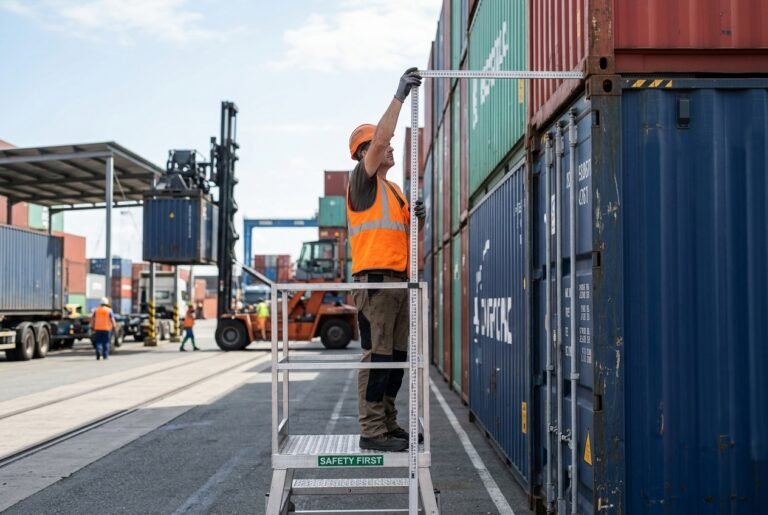
Step 2: Pick a size and height that matches access, not just square footage
In Raleigh, the “right” size is often limited by driveways, gates, overhead lines, and truck turning room as much as it is by storage volume.
20ft vs 40ft (and when High Cube matters)
- 20ft containers are a common choice for residential driveways and tighter lots. If you’re comparing options, see what typically affects a quote in this guide to 20ft shipping container price.
- 40ft containers maximize cost per square foot, but delivery access is more demanding. For local expectations, review 40ft shipping container prices in Raleigh, NC.
- High Cube (typically 9'6" tall instead of 8'6") is ideal when you need extra headroom for shelving, equipment, or conversions. High Cube units still follow ISO form factors, but they require extra attention to overhead clearance.
If you want a quick dimension comparison, use Shipping Containers Dimensions: 20ft vs 40ft vs High Cube.
Step 3: Choose the correct grade (One-Trip vs Cargo Worthy vs WWT)
Container “grades” are where reputable sellers separate themselves from vague listings.
The three grades you should understand
- One-Trip: essentially “like new” for the resale market (a single loaded voyage from the factory). Best when appearance matters or when you’re cutting doors/windows for a build.
- Cargo Worthy (CW or CWO): used containers that are suitable for transport and commonly associated with a valid CSC plate for international shipping (requirements can vary by route, carrier, and inspection). Ideal for logistics use and higher-demand industrial storage.
- Wind & Watertight (WWT): used containers that are structurally sound for storage and keep out wind and water, but are not positioned as export-certified. Great value for job sites, farms, and long-term property storage.
For deeper comparisons, see One Trip vs. Cargo Worthy: Which Container Is Best? and What Is a Wind and Watertight Shipping Container?.
Grade selection guide (fast, practical)
| Grade | Best for | What you should expect | Common “gotchas” to avoid |
|---|---|---|---|
| One-Trip | Retail-facing storage, offices, conversions, long-term resale value | Newer paint, straighter panels, cleaner floors, fewer door issues | Paying a premium when your use case is basic storage |
| Cargo Worthy (CW/CWO) | Shipping, transport, higher-security jobsite storage | Structurally strong, working doors, meets transport intent | Confusing “cargo worthy” wording with verified documentation |
| Wind & Watertight (WWT) | Static storage for contractors, homeowners, agriculture | Dry interior, functional doors, cosmetic dents/rust allowed | Assuming WWT means “ready for ocean export” |
Step 4: Vet the seller like you would vet a subcontractor
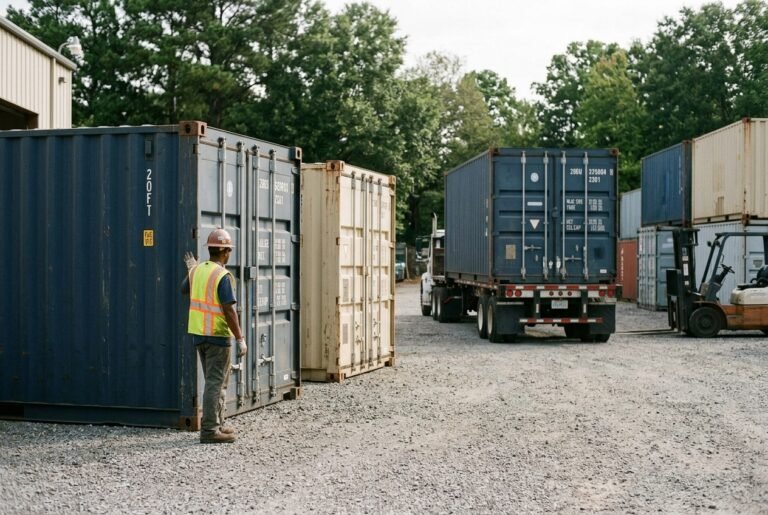
Raleigh buyers have more choices than ever, including online brokers that never touch the container. Whether you buy locally in North Carolina or have a unit delivered into the Southeast from a national network, your risk drops when a seller is transparent about:
- Grade definitions (One-Trip vs CW vs WWT) and what is, and is not, guaranteed
- Real photos of the actual unit (or a clear explanation if they sell “comparable units”)
- Delivery method assumptions (tilt-bed, flatbed/crane, chassis)
- Container identification (container number, CSC plate information if needed)
A strong due diligence framework is covered here: How to Vet a Shipping Container Company in Raleigh, NC.
Step 5: Confirm condition with the right checks (without turning this into a full survey)
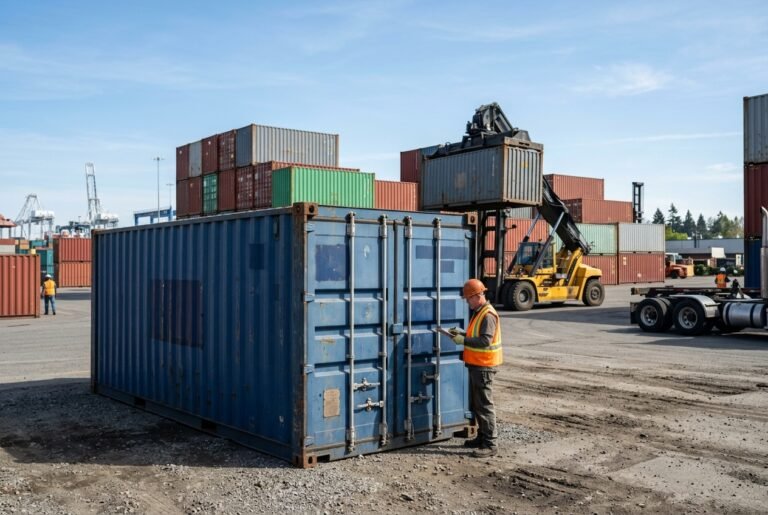
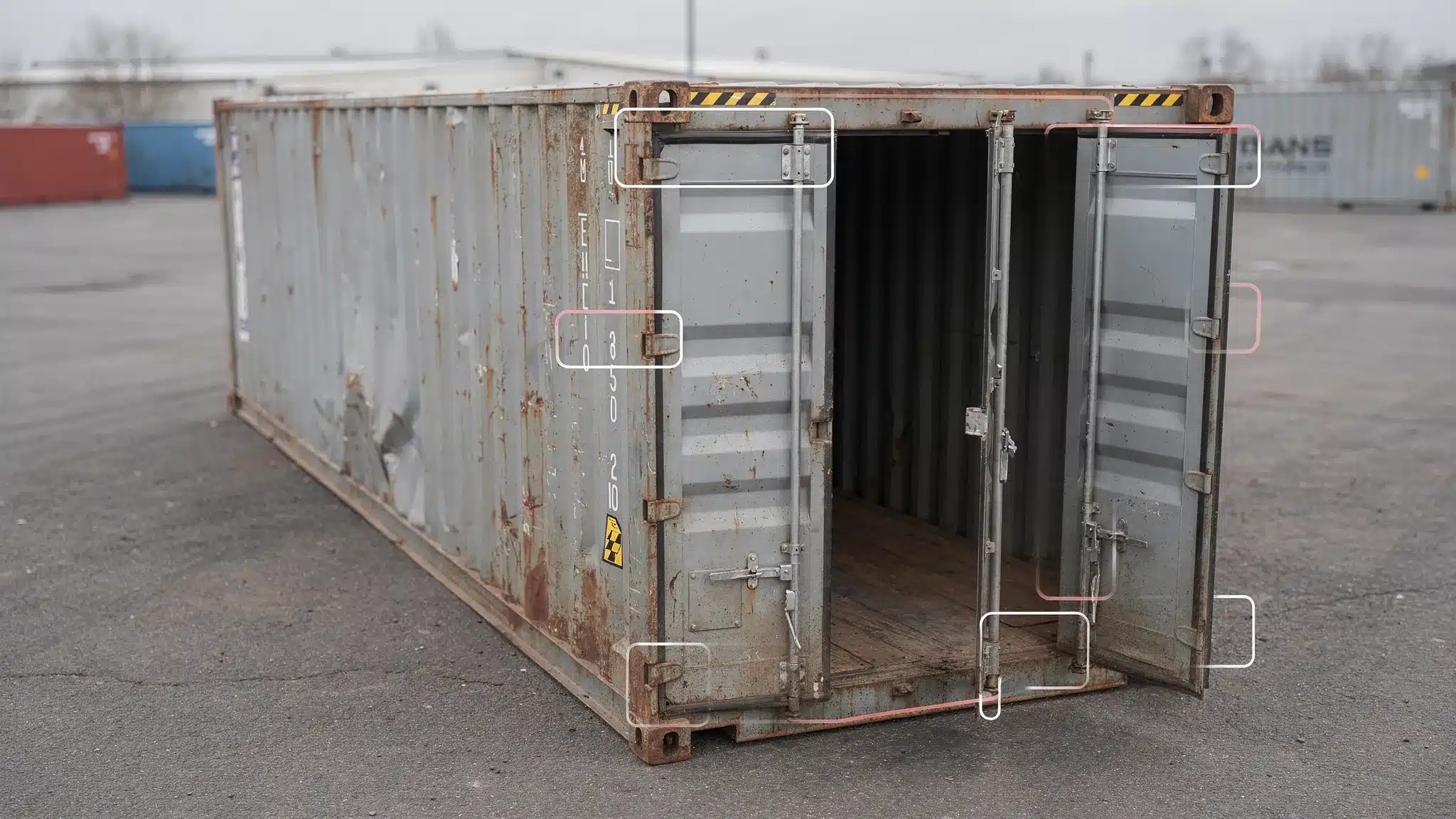
You do not need to become an IICL inspector to avoid most bad purchases, but you do need to know where failures hide in used steel boxes.
At a minimum, confirm these categories:
- Roof integrity (hidden dents can lead to pooling water and pinhole leaks)
- Door function and gasket seal (doors should latch without extreme force)
- Floor condition (no soft spots, delamination, or chemical contamination signs)
- Corner castings and frame (these carry load and indicate whether the container has been twisted)
Rather than repeating a long checklist here, use Lease Lane’s detailed walkthrough: How to Check Used Shipping Container Conditions.
Step 6: Compare quotes by “total delivered cost,” not the sticker price
In the Raleigh market, the biggest pricing surprises usually come from delivery variables, not the container itself.
When you compare offers to buy used shipping containers, make sure each quote answers:
- Is the price delivered to your address, or picked up from a depot?
- What delivery method is assumed (tilt-bed vs flatbed with crane, etc.)?
- Are there charges for redelivery if access is blocked or the site is too soft?
- Are accessories included (lockbox, venting, forklift pockets if relevant)?
For a clear breakdown, see Container Shipping Prices: A Real-World Cost Breakdown.
Step 7: Plan site prep and placement (this is where most failed deliveries happen)
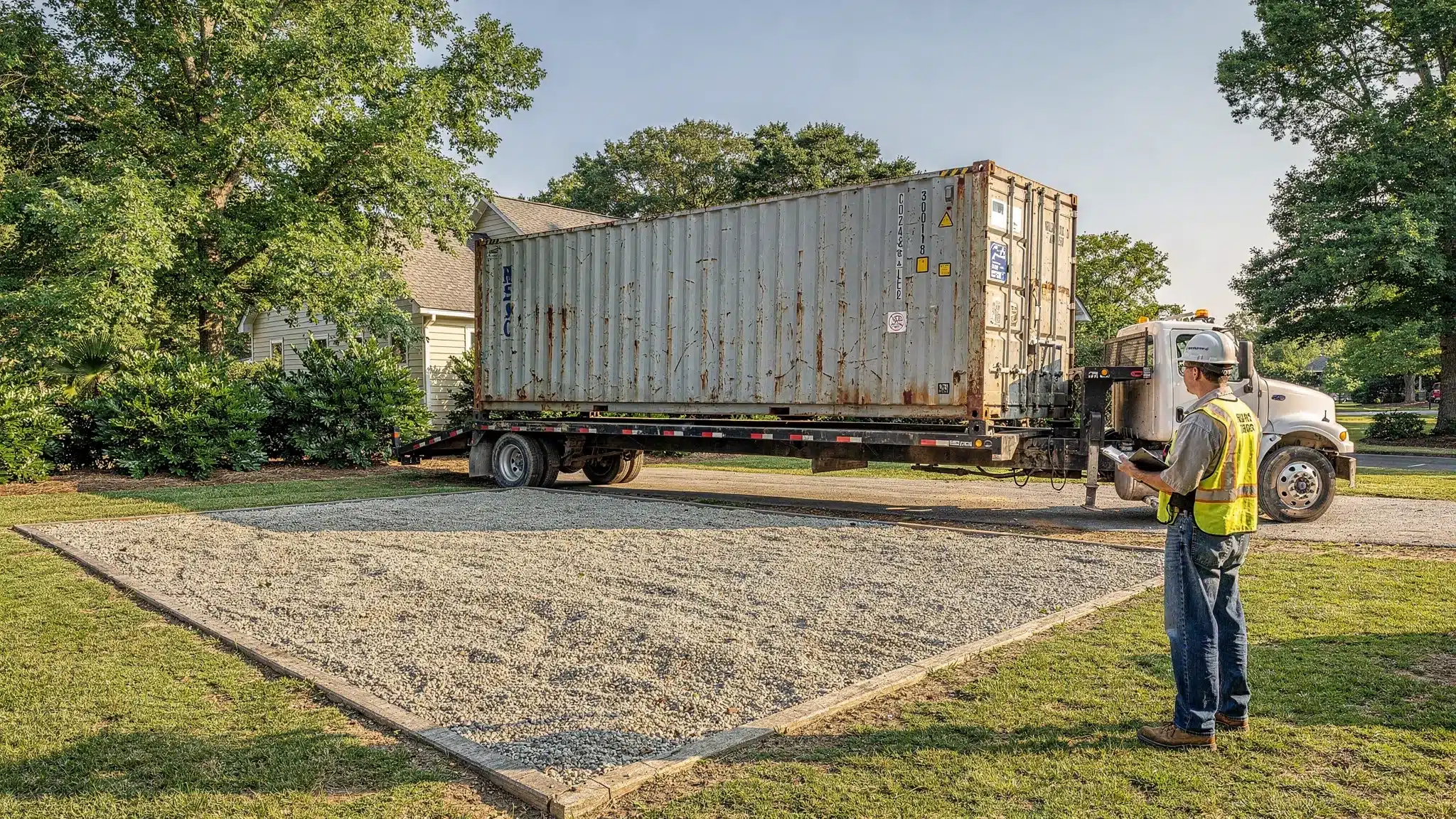
Even a perfectly graded container is a bad purchase if you can’t place it safely. This is especially true in the Southeast, where clay soils, saturated ground, and sloped lots can turn a “simple drop” into a reschedule.
Use this delivery planning resource to prevent surprises: Shipping Container Delivery Requirements.
Pro-Tip: Build your drop spot like you’re setting equipment, not like you’re parking a trailer
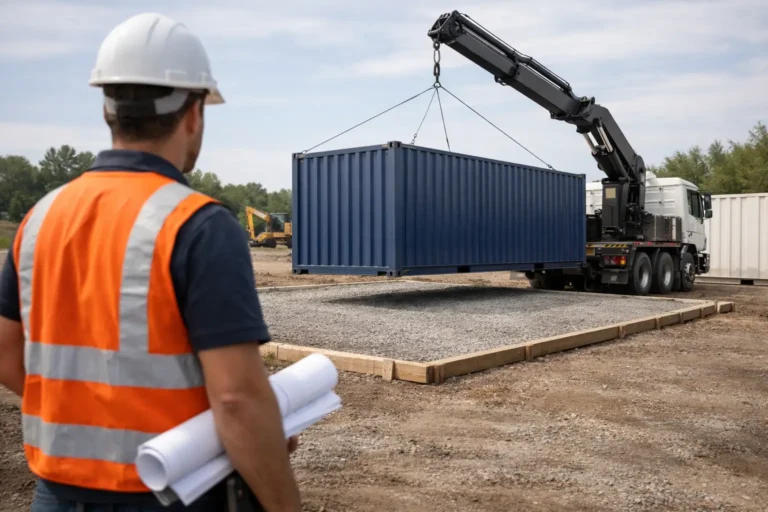
If you want doors to operate correctly and you want the container to stay square over time, focus on three fundamentals:
- Leveling: Containers tolerate minor variation, but if the frame is twisted, doors bind and seals stop working. Use a laser level or string line and plan shimming at the corners.
- Base and drainage: A compacted gravel pad with geotextile fabric is a common, cost-effective solution for Raleigh-area soils. It helps drainage and reduces settling. For options, see Choosing the Right Base for a Shipping Container.
- Permits and rules: In Raleigh and Wake County, requirements can depend on zoning, setbacks, use (storage vs office), and HOA restrictions. Before delivery, confirm you are allowed to place the unit where you intend to keep it.
If you’re unsure about access or turning space for a 20ft or 40ft delivery, Lease Lane’s delivery team can help you plan the approach and placement before the truck rolls.
Step 8: Document the transaction and protect your downside
For business buyers, treat your container purchase like an asset acquisition:
- Get a written invoice or bill of sale that states size, type, grade, and any guarantees.
- Save the photo set you used to approve the unit.
- Photograph the container again on delivery day, including the container number and any pre-existing dents.
If you operate in a regulated environment or your organization occasionally deals with claims or disputes, having fast, accurate documentation workflows matters. Some legal teams use tools like TrialBase AI to accelerate drafting case documents from existing files, which can reduce the time it takes to turn records into usable paperwork.
Step 9: Do a smart acceptance check on delivery day
Once the container is placed, do a quick acceptance routine before the driver leaves (when possible):
- Open and close both doors fully, confirm locking bars engage cleanly
- Look for daylight inside (a quick “light test” helps spot pinholes)
- Confirm the container sits supported at corners and is not rocking
If you need more inspection guidance, Lease Lane’s article How to Spot Quality Containers Before You Buy is a solid reference to keep handy.
Frequently Asked Questions
Is it safe to buy used shipping containers in Raleigh without seeing them first? Yes, if the seller provides clear, current photos (including doors, roof, corners, and floor), explains the grade precisely (WWT vs CW vs One-Trip), and sets delivery expectations in writing.
What grade should I choose if I only need weatherproof storage? A Wind & Watertight (WWT) container is often the best value for static storage, as long as you confirm door seals, roof condition, and floor integrity.
Do I need a Cargo Worthy container for a construction jobsite? Not always. Many contractors choose WWT for tool and material storage. Cargo Worthy (CW/CWO) is a stronger fit when you need transport suitability, higher resale confidence, or export-related documentation.
What is the most common delivery mistake homeowners make in Raleigh? Underestimating site conditions, especially soft ground, slope, and overhead obstacles. A simple gravel pad and a measured access plan prevent most redeliveries.
Should I buy a 20ft or 40ft used container? Choose based on access and how you will use the space. A 20ft is easier to place on many Raleigh residential properties, while a 40ft is more efficient for high-volume storage if your site can accommodate delivery.
Get a clear quote and the right container for your Raleigh site
If you’re ready to buy used shipping containers (or you’re deciding between One-Trip, Cargo Worthy, and WWT), contact Lease Lane Containers LLC for transparent grading and delivery planning. Email sales@leaselanecontainers.com or visit the Raleigh, NC office to talk through size, drop placement, and pricing before you order.