What Affects Shipping Container Delivery Cost?
If you have ever priced a container and then paused at the freight line, you are not alone. For many buyers, shipping container delivery cost is where a straightforward purchase starts to feel less predictable. The container itself may be easy to compare. Delivery is where distance, access, equipment, and timing can change the final number.
That is not a reason to avoid the purchase. It is a reason to ask better questions before you schedule the drop. Whether you need job-site storage for tools, overflow inventory space, or a one-trip box for a workshop build, the real goal is simple – get the right container to the right spot without damage, delays, or surprise charges.
What drives shipping container delivery cost
Delivery pricing is not based on mileage alone. It is usually a combination of transport distance, the type of trailer required, the unloading method, and how easy your site is to access.
A short local delivery on clear, level ground will usually cost less than a longer haul into a rural property with a narrow gate, soft soil, low tree limbs, or limited turning radius. The difference is not arbitrary. The carrier has to match the route and equipment to the actual drop conditions. If the truck cannot safely place the container on the first attempt, cost goes up quickly.
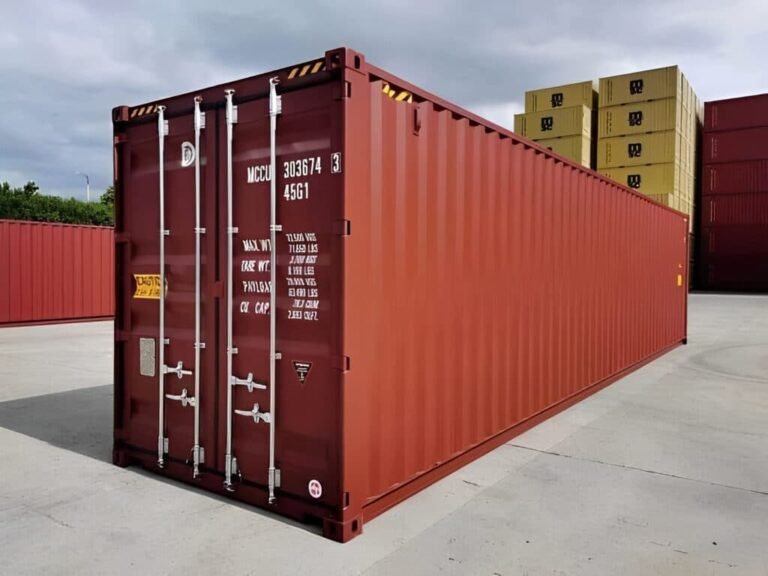
Container size matters too. A 20-foot container is generally easier to place than a 40-foot or 45-foot unit because it requires less room to maneuver and unload. High-cube containers can also create clearance concerns, especially on properties with overhead branches or power lines.
The container type affects price in some cases. A standard dry container is usually the simplest to deliver. Reefer containers, open-top units, and custom modified containers may require more planning because of weight, dimensions, or site-specific placement needs.
Distance matters, but not in a simple way
Most buyers expect distance to be the main factor, and it is a major one. Still, shipping container delivery cost is not always a straight per-mile calculation.
Carriers price lanes differently based on fuel, truck availability, regional demand, tolls, and whether the route is efficient for outbound and return trips. A delivery 90 miles from a depot may cost less than a shorter trip into a location with poor road access or limited scheduling flexibility.
This is especially relevant for buyers outside major metro areas. Rural deliveries can be completely routine, but they often require more careful dispatch planning. If a truck has to travel a long distance and then spend extra time navigating a difficult site, the rate reflects that time and operational risk, not just miles on the road.
For customers in North Carolina and across the Southeast, regional inventory can make a difference. If the container is already staged closer to your destination, freight may be more favorable than sourcing the same box from farther away.
Delivery method changes the price
A lot of confusion around delivery cost comes from not knowing how the container will actually come off the truck. That detail matters because different delivery methods use different equipment.
Tilt-bed delivery
Tilt-bed delivery is one of the most common options for 20-foot and 40-foot containers. The truck bed tilts and the container slides off onto the ground. It is efficient and often the most cost-effective method when the site has enough clearance.
But it also needs space. The driver typically needs room in front of the drop area to straighten out, tilt, and slide the container into position. Soft ground, slopes, overhead obstacles, and fencing can all complicate the placement.
Ground-level placement
Ground-level placement is attractive because it leaves the container accessible without a ramp system or secondary lifting equipment. That convenience can affect shipping container delivery cost if the drop requires a specialized trailer setup or more precise placement conditions.
Crane or forklift support
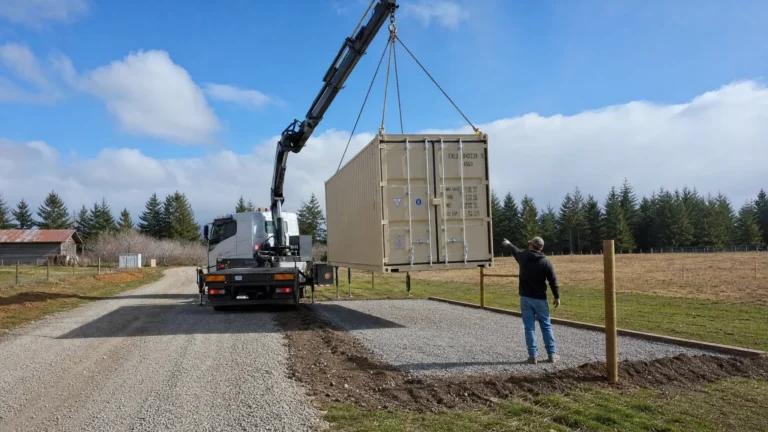
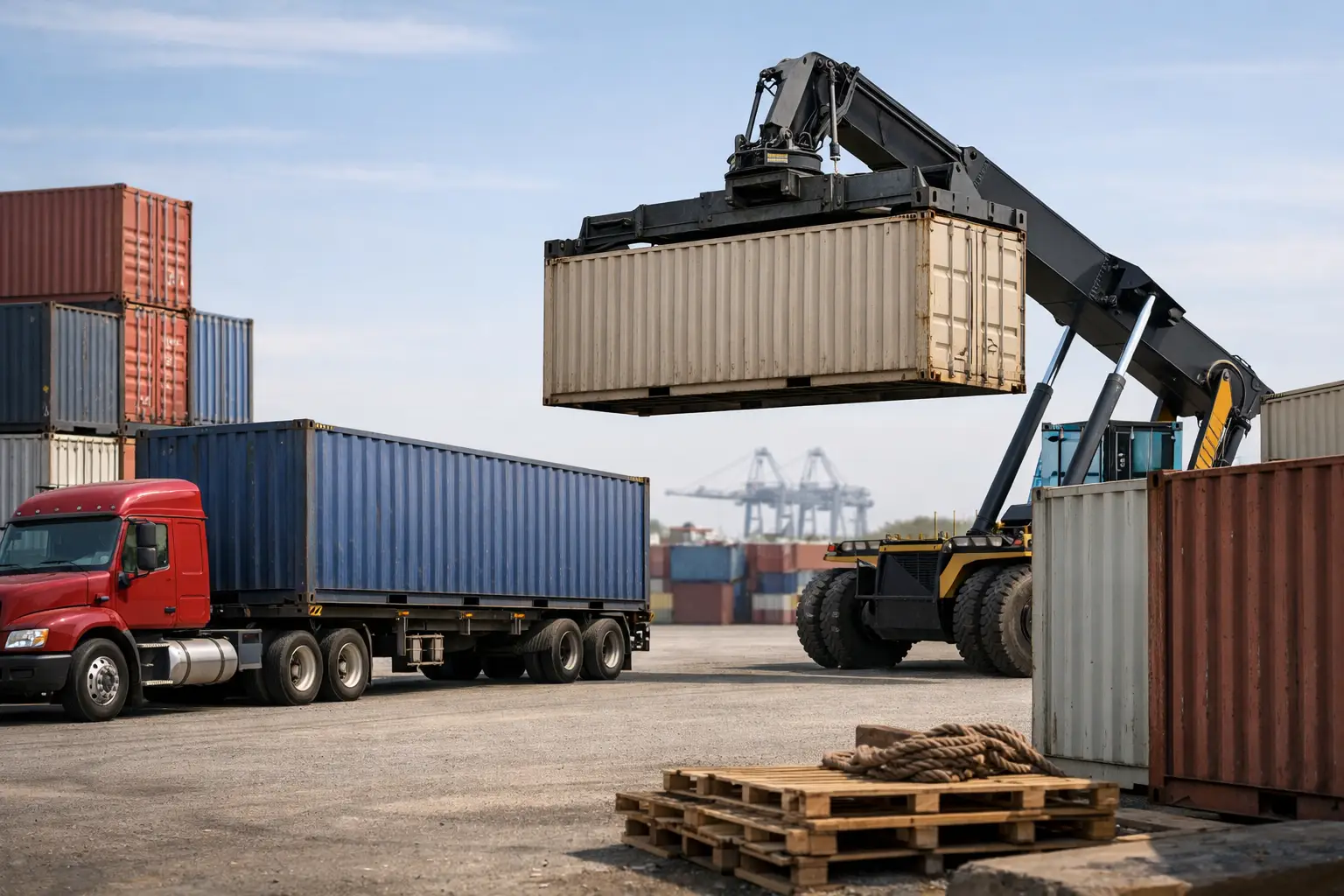
Some sites need a crane, large forklift, or separate rigging support to place the container exactly where it needs to go. That usually adds cost fast, but sometimes it is still the right answer. If your site has limited truck access or the container must be set behind structures, over retaining walls, or in a tight industrial yard, standard delivery may not be practical.
Site conditions are where extra charges usually happen
The most avoidable delivery costs are usually site-related. A buyer may assume the container can be dropped anywhere there is open ground, but that is not how safe delivery works.
The driver needs stable access, enough width for the truck and trailer, sufficient overhead clearance, and a level area for final placement. Mud, deep gravel, steep grades, and low-hanging limbs can turn a routine drop into a failed delivery or a redelivery charge.
A container is heavy even when empty. Used 20-foot containers often weigh around 5,000 pounds, and 40-foot units can exceed 8,000 pounds before any cargo is added. That weight is concentrated through the truck and trailer during unloading. If the surface cannot support the load, the delivery should not proceed.
Good site preparation is often the best way to control cost. A compacted gravel pad, clear approach path, and confirmed turning radius can prevent wasted time and equipment issues. If you are placing the container on a construction site, farm, or undeveloped lot, it is worth walking the route from the road to the final location before delivery day.
Container condition can affect delivery planning
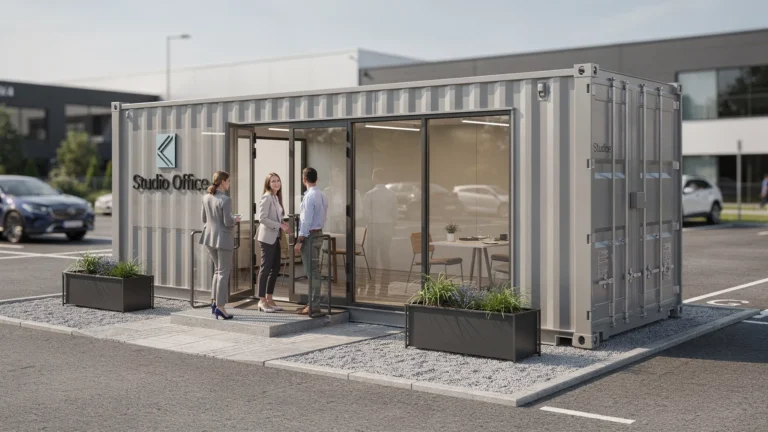
Buyers often focus on the difference between new and used pricing, but condition can also influence logistics. A one-trip container typically has straighter panels and doors that operate more smoothly. That can matter if the container needs to be placed very precisely for office conversion, retail use, or repeated side access.
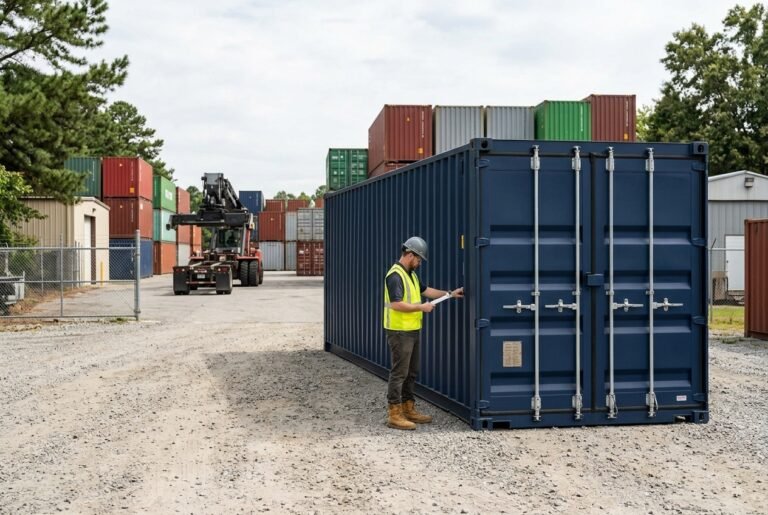
Used Wind & Watertight containers remain a strong choice for secure storage, but they may show cosmetic wear, patches, or dents from previous service. That usually does not change basic delivery pricing, but it can affect how the unit is oriented on site. If appearance matters, you may want the best-looking side facing outward, which should be discussed before the truck arrives.
For custom builds or modified containers, delivery planning becomes even more specific. Added doors, windows, insulation, or electrical packages can affect weight distribution, unloading preferences, and placement orientation.
How to estimate shipping container delivery cost more accurately
The fastest way to get a useful quote is to provide more than a ZIP code. Carriers and suppliers can price more accurately when they know the full job.
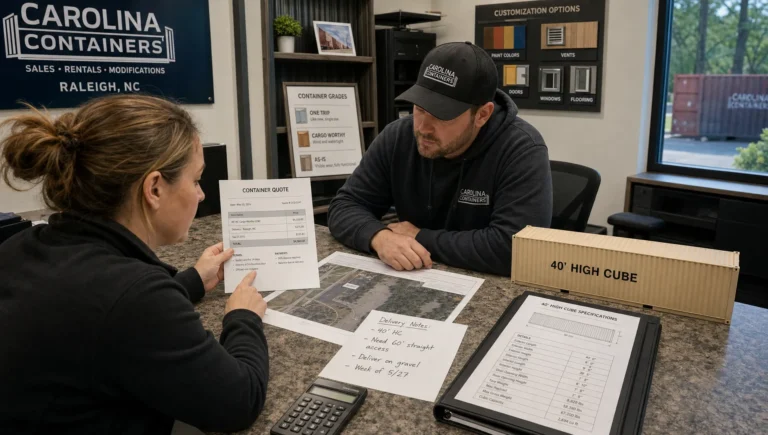
Start with the container size and type. Then confirm the delivery address, whether the site is residential, commercial, agricultural, or active construction, and what kind of placement you need. Photos help more than many buyers realize. A few clear images of the gate, driveway, road approach, and drop area can reveal issues that would otherwise show up too late.
It also helps to mention any known constraints right away – low wires, tight turns, soft ground, steep grades, HOA restrictions, limited delivery hours, or a need for same-day scheduling. Clear information up front leads to clear pricing. That is the difference between an estimate that looks cheap and a quote that is actually usable.
At Lease Lane Containers, this is why delivery discussions are handled as part of the buying process rather than treated like an afterthought. For most customers, accurate logistics planning is what keeps the project on schedule.
When the lowest freight quote is not the best deal
A very low delivery number can look attractive, especially on a large order. But freight is one area where underquoting creates problems.
If the quote does not account for your actual site conditions, the truck may arrive with the wrong equipment or be unable to complete the drop. That can lead to rescheduling, detention fees, or a second trip charge. The cheaper quote stops being cheaper once the first attempt fails.
There is also the issue of placement quality. Contractors, property owners, and business operators usually do not just need the container delivered. They need it delivered in a position that works for doors, drainage, future access, and safe loading. Precision matters more than a bargain rate if the container is going to sit there for years.
The best approach is to ask what is included, what assumptions are built into the quote, and what conditions could change the price. That is how you get no fine print and no surprises.
A good delivery quote should feel like a logistics plan, not just a freight number. If you can tell your supplier exactly where the container is going, how the truck will access it, and what matters most about final placement, you are far more likely to get a clean drop on the first try. That is usually the real savings.