Sale of Containers: New vs Used and What You Should Get
Buying a shipping container sounds simple until you start comparing “new,” “used,” and a dozen different condition claims. In the container industry, the smartest purchase is rarely the cheapest sticker price. It’s the unit that matches your use case, your site conditions, and the documentation requirements (especially if you plan to ship overseas).
This guide breaks down the sale of containers into practical choices for Raleigh, North Carolina buyers (and customers across the Southeast and the U.S.): new (one-trip) vs. used, what you should get at each budget level, and how to avoid the most common buying mistakes.
First, “new” usually means One-Trip (not factory-fresh)
In the resale market, most sellers use “new” to mean a One-Trip container. That’s a container built to ISO standards for intermodal transport that has made a single loaded voyage (typically from the factory overseas) and then enters the domestic resale market.
A true factory-direct, never-used container exists, but it’s less common in typical retail channels. For most buyers in Raleigh, one-trip is the closest thing to new you’ll see on the ground.
If you want a deeper primer on what to expect, see: What Is a One Trip Container?
Used container grades you’ll actually see for sale (and what they mean)
Used containers should be described with a grade that reflects condition and intended use. The three grades you’ll see most often in reputable listings are:
- One-Trip: Minimal wear, better aesthetics, and typically the longest remaining life.
- Cargo Worthy (CW): Intended to meet requirements for intermodal shipping use, usually tied to a valid CSC plate and structural condition.
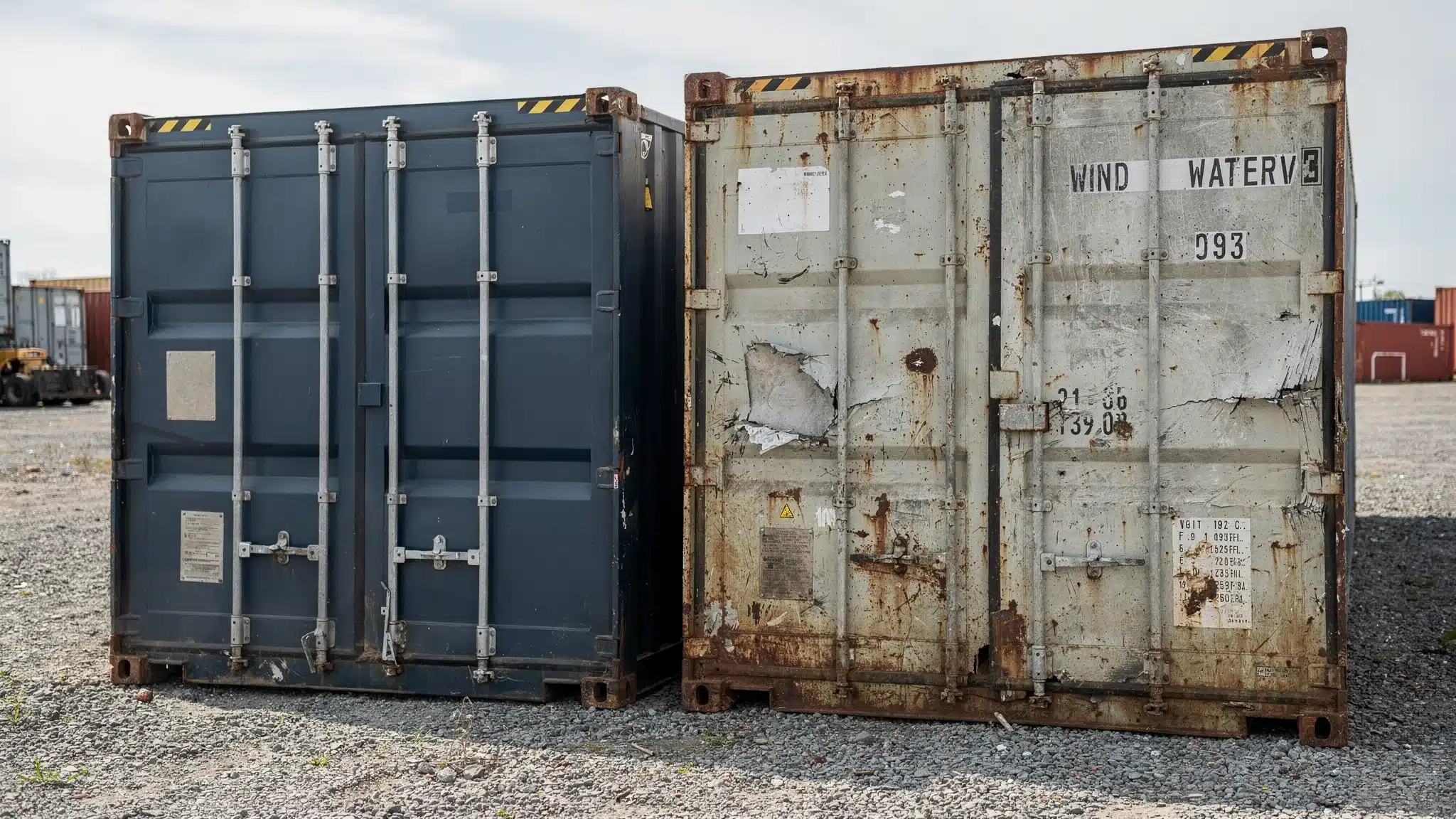
- Wind & Watertight (WWT): Designed for stationary storage expectations, meaning it keeps out wind and water, but it is not necessarily certified for ocean export.
The steel shell is typically Corten steel (weathering steel) on standard dry containers, chosen for durability in harsh maritime environments. That matters in the Southeast, where heat, humidity, and thunderstorms can punish poor coatings and neglected roofs.
Here’s a quick comparison to make the grades easier to shop.
| Grade (common resale term) | Best for | Typical condition focus | What to verify before you buy |
|---|---|---|---|
| One-Trip (new in resale terms) | Conversions, customer-facing projects, long-term ownership | Clean interior, minimal rust, straighter panels, smoother door operation | Door seal condition, floor condition, paint/coating, correct ISO size and height (Standard vs High Cube) |
| Cargo Worthy (CW) | Export and transport, higher-value storage, stacking/modification bases | Structural integrity, frame and corner castings, CSC compliance | CSC plate validity, door gear function, no major structural damage, floor integrity |
| Wind & Watertight (WWT) | On-site storage (jobsites, farms, homeowners) | Weather resistance over cosmetics | Roof pinholes, door gaskets, floor rot/delamination, light test results |
If you’re deciding between CW and WWT specifically, this article goes deeper on the technical differences: Cargo Worthy vs. Wind and Watertight Containers: Which to Buy?
New vs used: the “right” answer depends on how you’ll use it
Instead of asking “Is new better than used?”, ask this:
1) Will the container ever be used for shipping (export or intermodal transport)?
If yes, start at Cargo Worthy or One-Trip, and be strict about documentation. International shipping commonly requires a valid CSC plate and a container that passes inspection standards for safe handling and stacking.
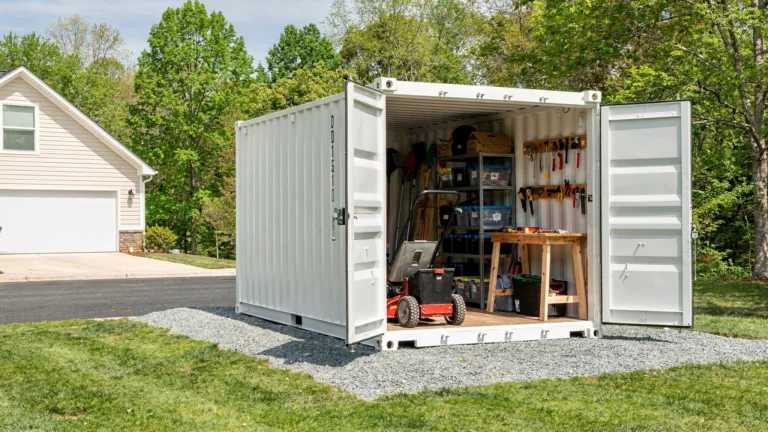
If no (it’s staying on your property in Raleigh, Wake County, or anywhere in the Southeast), WWT is often the best value for secure, weather-resistant storage.
2) Is appearance part of the project’s value?
If you’re building a retail pop-up, office, or any customer-facing build, one-trip often pays off because you spend less time and money trying to “undo” dents, patchwork, and heavy repainting.
3) Are you modifying the container (doors, windows, HVAC, roll-ups)?
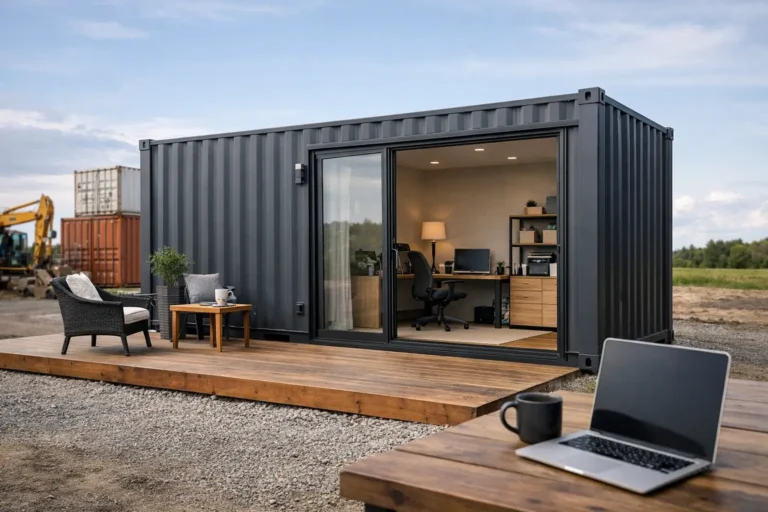
Modifications are easier and more predictable when you start with a straighter, cleaner shell. Many builders prefer One-Trip or a strong CW unit as the base, especially for High Cube projects where interior clearance matters.
For a broader step-by-step purchasing approach, use the site’s master guide: The Ultimate Shipping Container Buyers Guide
What you should get (minimum requirements) at each budget level
When buyers get burned in the sale of containers, it’s rarely because they chose used. It’s because they didn’t define what “acceptable” means before money changes hands.
If you choose One-Trip (best for long-term ownership and premium projects)
What you should get:
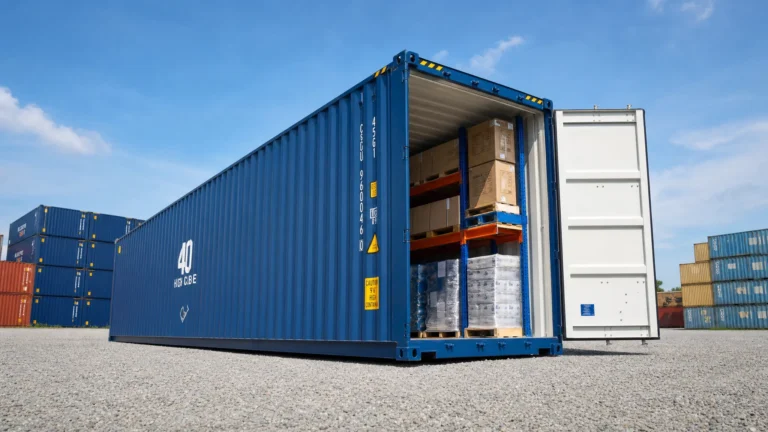
- Correct size and height: 20ft or 40ft, Standard or High Cube (9'6" tall).
- Clean interior: minimal odor, no signs of chemical exposure, solid flooring.
- Smooth doors: locking bars, hinges, and cams should operate without excessive force.
- Straight frame: corner castings and end frames should not show signs of twist.
If you’re comparing sizes, start here:
If you choose Cargo Worthy (best for shipping capability and high-integrity used value)
What you should get:
- Cargo Worthy condition, not just “looks good.” CW is about structural serviceability.
- CSC plate present and relevant to your shipping plan.
- Frame integrity: pay attention to corner castings, top rails, bottom rails, and cross members.
- Floors that are safe and intact: no soft spots, major delamination, or contamination.
To understand the technical side of CW requirements, see: What Is a Cargo Worthy Container? Key Standards Explained
If you choose Wind & Watertight (best for storage value in Raleigh and the Southeast)
What you should get:
- A unit that passes a light test (no daylight through roof, walls, or door seals).
- Usable doors that seal (gaskets matter in North Carolina humidity).
- No active leaks and no roof pooling dents that trap water.
- A realistic cosmetic expectation: dents and patches can be normal as long as the shell is sound.
If your main goal is storage, WWT often hits the sweet spot for budget and performance.
Pick the right size and configuration before you compare prices
Many buyers overpay by choosing the wrong size, then trying to fix the mistake with shelving, double-handling, or a second unit later.
20ft containers
A 20ft is easier to place on tighter residential lots and job sites around Raleigh, Cary, Apex, and the Triangle, and it’s often simpler for tilt-bed delivery access.
If you’re shopping this size specifically, start here: Where to Buy a 20ft Shipping Container in Raleigh, NC
40ft containers
A 40ft is usually the best price-per-cubic-foot, but it demands more site access, more turning room, and more planning.
For local 40ft availability and buying steps, use: Find a 40ft Shipping Container for Sale in Raleigh, NC
High Cube containers
High Cube units add height (typically 9'6" exterior), which is a big deal for:
- Walk-in access with taller shelving
- Office or workshop conversions with insulation and ceiling systems
- Equipment storage that needs door clearance
If you’re considering extra height, reference: High Cube Container Dimensions: Interior Height and Door Specs
Refrigerated containers (Reefers)
Reefers are specialized assets for cold chain needs. Don’t buy one as “extra secure storage” without understanding power requirements, performance testing, and operating costs.
A solid starting point is: Best Refrigerated Shipping Container Guide
The real cost comparison: total delivered cost, not the yard price
In Raleigh and across North Carolina, the delivered price can swing significantly based on access and placement. Two buyers can purchase the same grade and size, then end up with different totals because one site needs a crane and the other works with a tilt-bed.
Here are the most common cost drivers that change your “all-in” number:
| Cost driver | Why it changes price | How to control it |
|---|---|---|
| Delivery distance and local availability | Containers move from depots and yards, fuel and routing matter | Get quotes that include delivery to your exact address |
| Offload method (tilt-bed, flatbed, crane) | Equipment and labor vary | Share site photos and measurements early |
| Site prep and base | Poor bases cause door issues and re-leveling | Plan a gravel pad or supports before delivery |
| Grade and specialty type (High Cube, Reefer) | Higher demand, lower supply | Decide must-haves vs nice-to-haves upfront |
For planning a smooth drop, read: Shipping Container Delivery Requirements
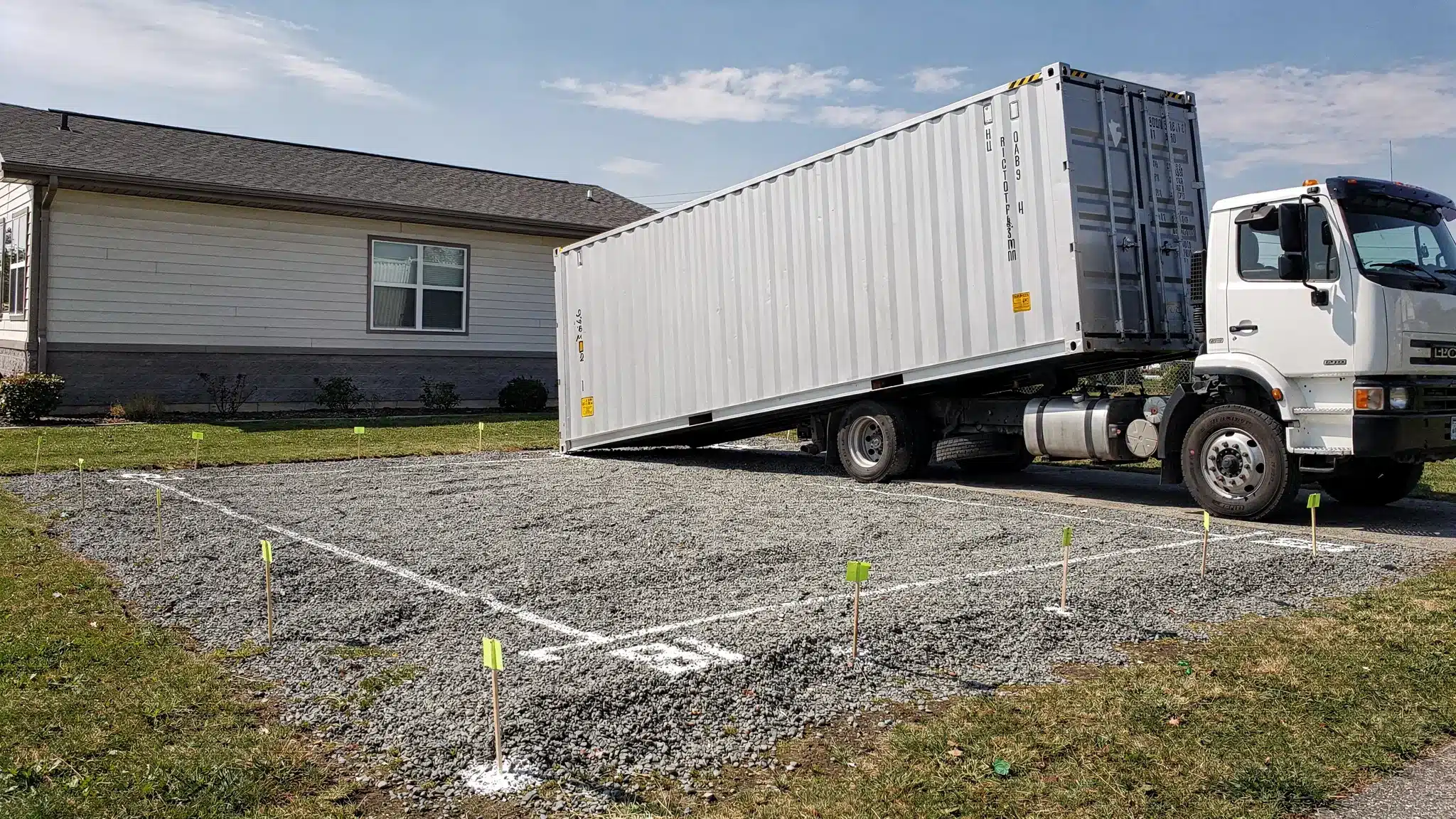
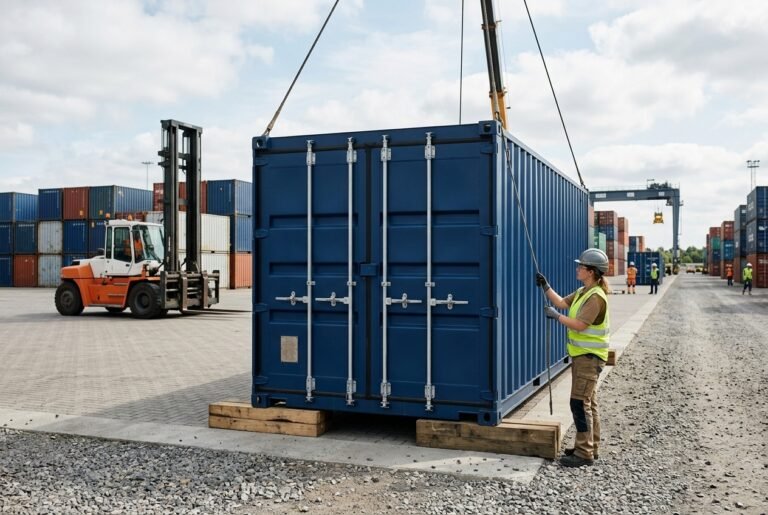
Pro-Tip: Site prep in Raleigh can make or break your container purchase
Even a perfect container can become a headache if it’s set on an uneven or soft base. In the Raleigh area, clay soils and storm-driven saturation can create settling issues if you skip drainage and compaction.
Pro-Tip checklist before delivery:
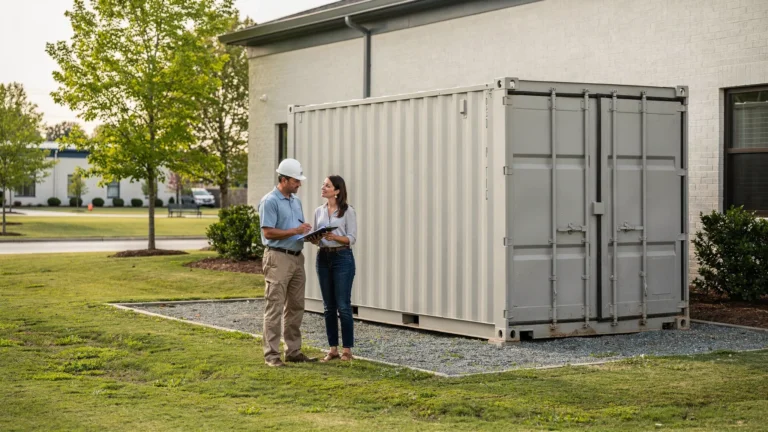
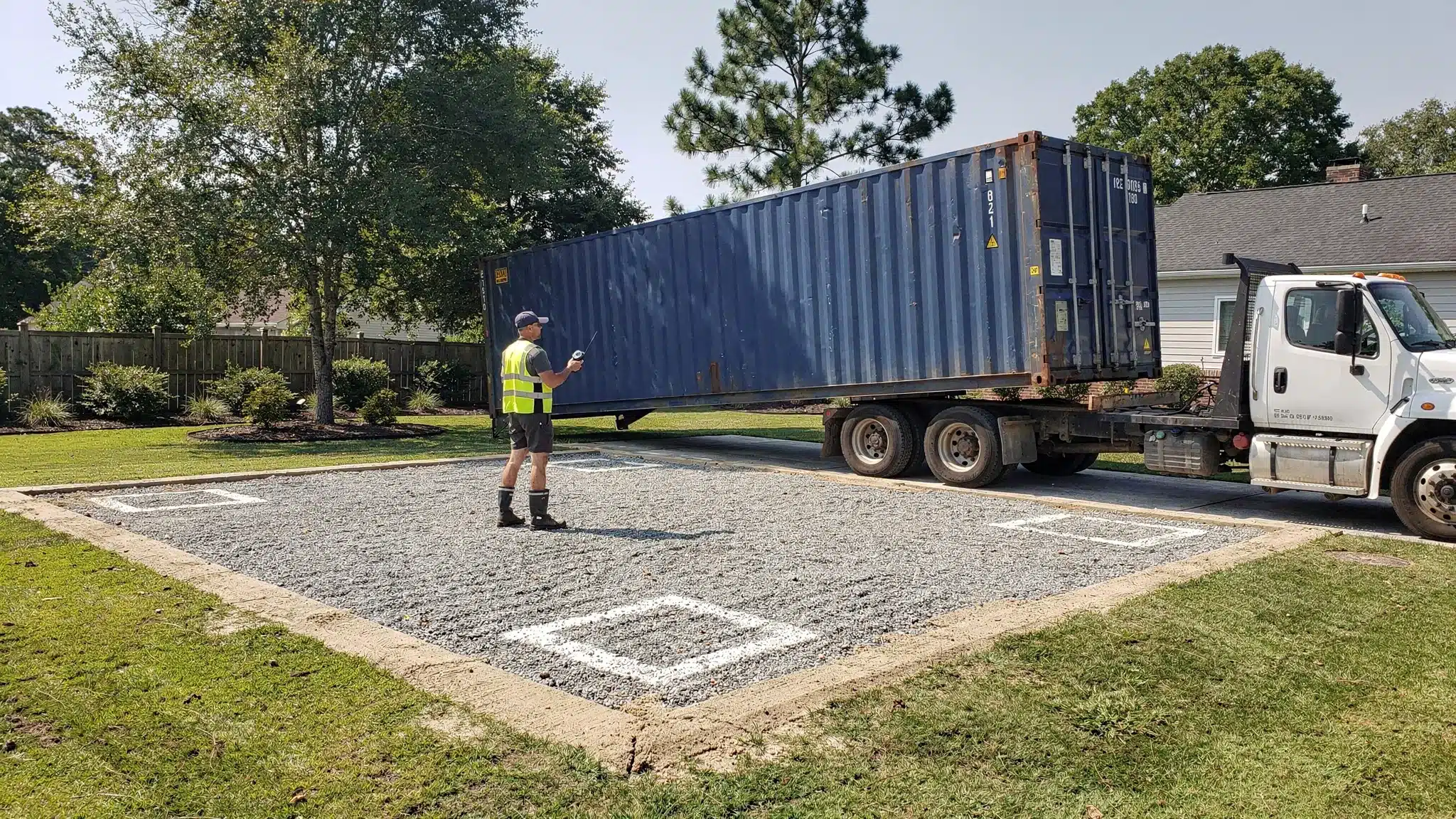
- Build a stable, level base: compacted gravel pads are a common, cost-effective option for many storage installs.
- Support the corners: containers are designed to carry load at the corner castings. Proper corner support reduces frame twist.
- Plan drainage: avoid placing the unit where water will pond under the rails.
- Confirm clearance: measure overhead obstructions (trees, lines, overhangs) and turning space.
- Check permits and HOA rules: requirements vary by jurisdiction and neighborhood.
For step-by-step ground prep, see: 5 Steps for Proper Shipping Container Ground Preparation
A practical “what should I get?” decision guide
If you want a simple recommendation, use this matrix.
| Your primary use | What you should get | Why |
|---|---|---|
| Long-term on-site storage (tools, materials, farm equipment) | WWT used (or CW if you want extra structural margin) | Best value for stationary use, weather protection without paying for premium cosmetics |
| Export or any plan to ship internationally | Cargo Worthy or One-Trip | Structural standards and documentation (CSC) matter for acceptance and safety |
| Retail, office, customer-facing build | One-Trip, often High Cube | Better appearance, fewer repairs, better base for modifications and insulation |
| Developer or builder conversions with cutouts | One-Trip or strong CW | Straighter shell and cleaner interior reduce project risk and rework |
| Budget project where appearance doesn’t matter | WWT (avoid “As-Is” unless you can inspect and repair) | Most buyers want weather resistance and functional doors, not surprise repairs |
If your next step is shopping used inventory, this guide helps you compare condition honestly: Used Shipping Container Grades Explained: A Buyer’s Guide
Common red flags when shopping the sale of containers
The fastest way to avoid a bad purchase is to spot vague language early.
Watch for:
- “Water tight” with no explanation of WWT checks (roof, gaskets, light test).
- “Cargo worthy” without any mention of the CSC plate or how the unit was evaluated.
- Fresh paint offered as the main proof of quality (paint can hide roof pinholes and welded patches).
- No discussion of delivery requirements, access constraints, or placement plan.
If you want a field-tested inspection process, use: How to Spot Quality Containers Before You Buy
Frequently Asked Questions
Is a one-trip container worth the extra money in Raleigh, NC? Often yes if you care about appearance, want a clean interior, or plan to modify the unit. Raleigh’s humidity also makes good coatings and tight doors more valuable over time.
Can I use a Wind and Watertight container for shipping overseas? Usually no. WWT is a storage grade, not a shipping certification. For export, you typically want a Cargo Worthy or One-Trip unit and documentation such as a valid CSC plate.
What container grade is best for a construction site in North Carolina? For most jobsites, a WWT used container is a strong value for secure storage. If you need stacking capability, higher structural assurance, or potential resale advantages, consider Cargo Worthy.
Should I buy a 20ft or 40ft container? Choose based on access and how you’ll use the space. 20ft is easier to place on tight sites, while 40ft offers better space efficiency but needs more turning room and a larger drop zone.
What should I do before the delivery truck arrives? Prepare a level base (often compacted gravel), confirm clearance for the truck and container height (especially High Cube), mark the drop spot corners, and ensure the route is clear of vehicles and low branches.
Talk to a Raleigh-based team and get the right container the first time
Whether you need a 20ft for a jobsite in the Triangle, a 40ft High Cube for a conversion project, or a Cargo Worthy unit for shipping, the best outcome comes from matching grade, size, and delivery plan to your exact use case.
Contact Lease Lane Containers LLC at sales@leaselanecontainers.com for current availability and clear pricing, or visit our Raleigh office to talk through grades, delivery access, and site prep before you buy.