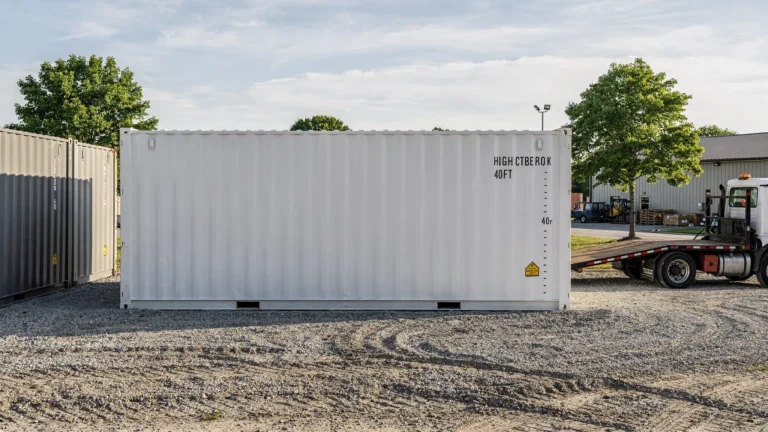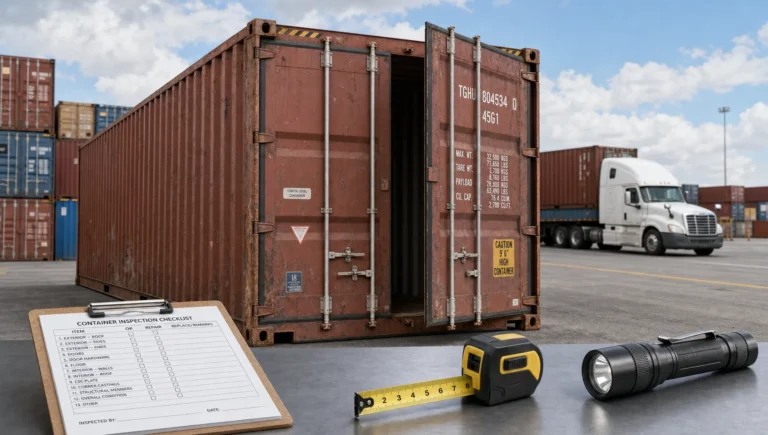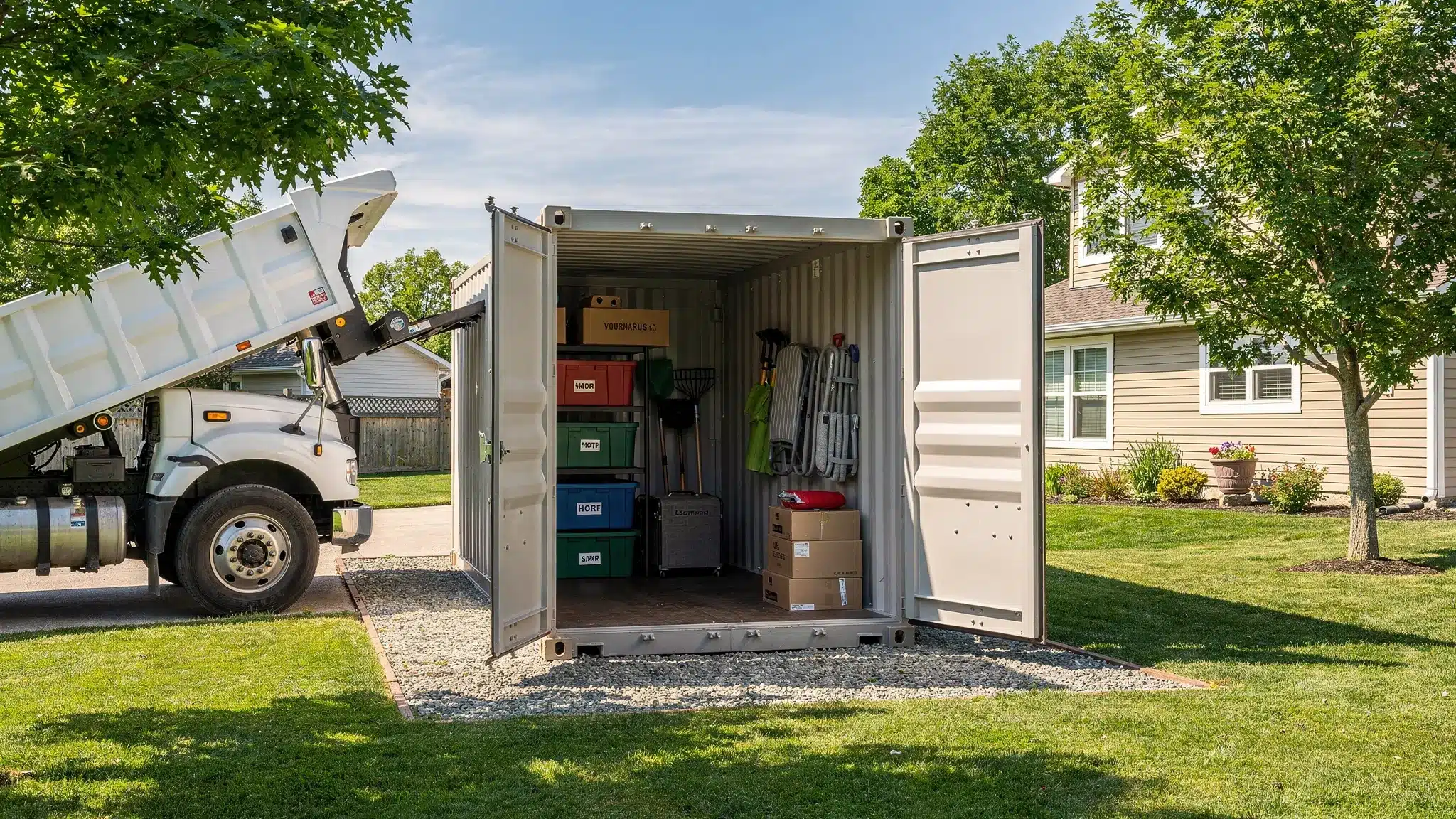
Storage Unit Containers for Sale: Best Sizes for Homeowners
If you’re searching for storage unit containers for sale, you’re probably trying to solve a common homeowner problem: you need secure, weather-resistant storage on your property, without paying monthly self-storage fees or fighting for space in a crowded garage.
Shipping containers work well as “on-site storage units” because they’re built from Corten steel, designed around ISO standards, and engineered to handle rough handling in global logistics. The key is choosing a size that fits your storage needs and your property access, especially in neighborhoods around Raleigh and the broader Southeast where driveways, trees, and HOA rules can complicate delivery.
Below is a homeowner-focused guide to the best container sizes, how grades affect what you should buy, and what to plan for before delivery.
First, understand the grades (One-Trip vs. Cargo Worthy vs. WWT)
Before talking size, it’s important to match container grade to homeowner storage expectations. A container can be the right dimensions but still be the wrong purchase if the grade does not fit your use.
One-Trip (new, “nearly new”)
A One-Trip container has typically made a single loaded voyage from the factory and is sold into the resale market afterward. For homeowners, this is the best choice when you care about appearance, long service life, cleaner interiors, and fewer repairs.
- Best for: premium backyard storage, pool-house style storage, workshops, customer-facing properties, conversions.
- Trade-off: higher upfront cost.
If you want the deeper breakdown, see: What Is a One Trip Container?
Cargo Worthy (CW)
A Cargo Worthy container is structurally fit for transport and typically aligns with requirements tied to intermodal use (often verified through inspection and the container’s plate/documentation when relevant). Homeowners often choose CW when they want a stronger used unit or may relocate it later.
- Best for: long-term storage where you want a used unit with strong structural integrity, or you want the option to resell easily.
- Trade-off: cosmetic wear is common, dents and surface rust are normal.
More detail here: What Is a Cargo Worthy Container? Key Standards Explained
Wind & Watertight (WWT)
A Wind & Watertight container is a common grade for stationary storage. It is intended to keep out wind and water, but it is not necessarily certified for export or heavy stacking needs.
- Best for: budget-friendly home storage where appearance is less important.
- Trade-off: older units can have more cosmetic wear and you still need to manage moisture and condensation.
If you’re in the Triangle, this local guide is helpful: Wind and Watertight Shipping Containers in Raleigh, NC
Best sizes for homeowners (what actually works on residential property)
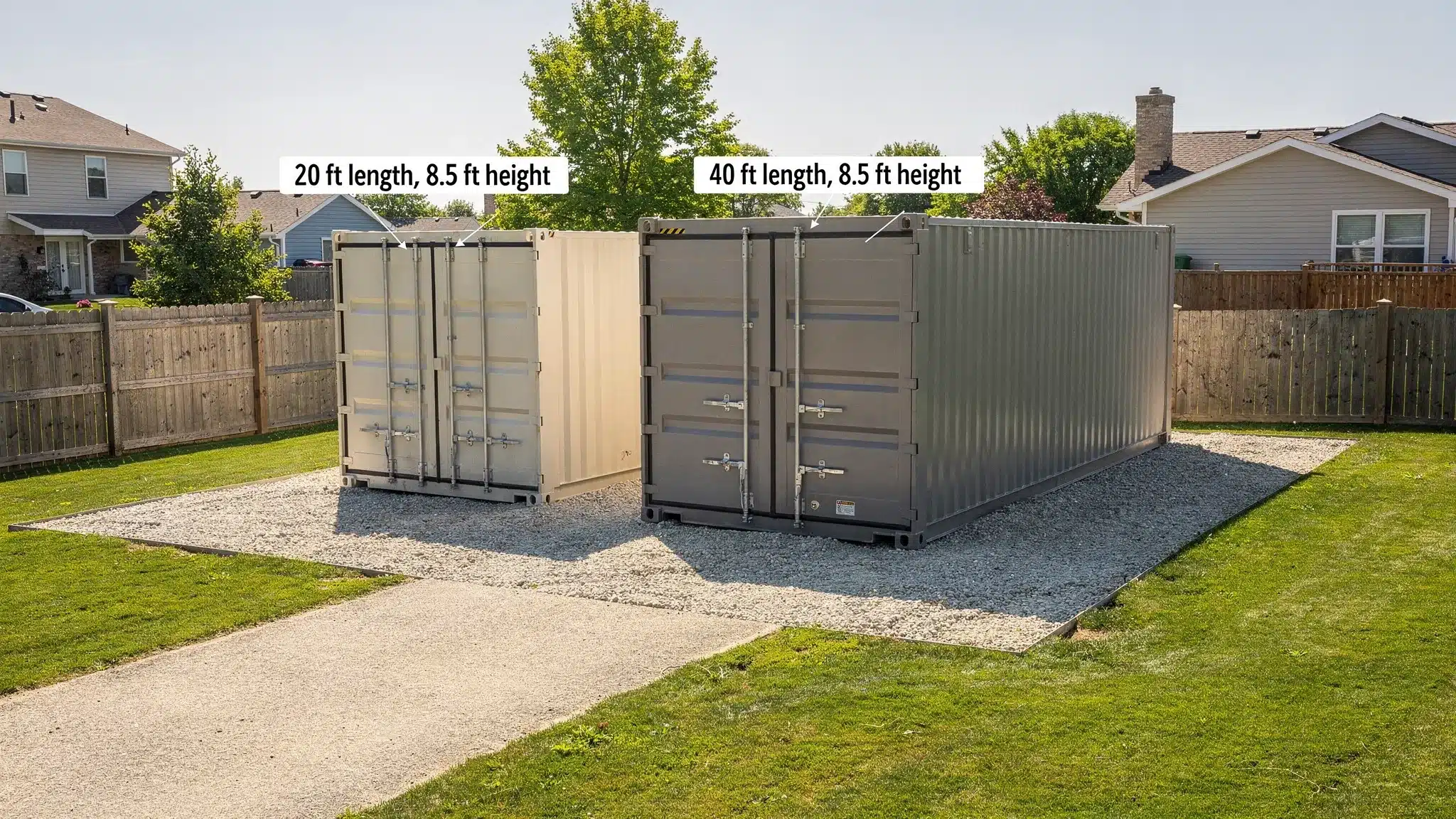
Most homeowners end up deciding between a 20ft, a 40ft, and a 40ft High Cube. Those sizes have the most predictable availability nationwide and are the most straightforward to deliver in North Carolina.
Here’s a practical comparison for residential storage planning.
| Size | Typical exterior footprint | Typical exterior height | Best homeowner use case | Common grade choice |
|---|---|---|---|---|
| 20ft standard | 20' x 8' | 8'6" | Garage overflow, renovation storage, lawn equipment, motorcycles, small workshop | WWT or One-Trip |
| 40ft standard | 40' x 8' | 8'6" | Whole-house storage, multi-room organization, long-term project staging | CW or WWT |
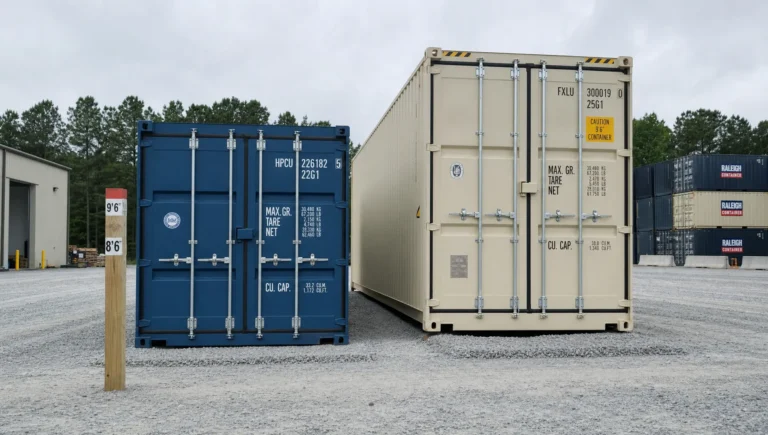
| 40ft High Cube | 40' x 8' | 9'6" | Bulky items, tall shelving, shop build-outs, maximum storage with better “walk-in” feel | One-Trip or CW |
Note: Exact interior dimensions and door openings vary by manufacturer and container type, so confirm specs before purchase (especially if you plan to build shelving, ramps, or interior framing).
For a full dimension walkthrough, see: Shipping Containers Dimensions: 20ft vs 40ft vs High Cube
Why 20ft containers are the homeowner “sweet spot”
A 20ft container is often the best blend of capacity and deliverability for residential properties in Raleigh, Wake County, and throughout the Southeast.
When a 20ft is usually the right call
A 20ft is a strong fit if you:
- Need storage that feels like an oversized shed, but with steel security.
- Want to place a unit beside a driveway, on a side yard, or behind a garage.
- Expect to access items frequently and prefer not to walk deep into a long container.
- Have limited turning space for a delivery truck.
From a real-world “stuff” standpoint, a 20ft unit typically handles:
- Seasonal decorations and bins
- Lawn equipment and tools
- Furniture during a remodel
- ATVs, motorcycles, or a small hobby workspace
If you’re pricing and planning locally, these guides help:
When a 40ft container makes sense (and when it doesn’t)
A 40ft container is ideal when you need true “mini-warehouse” capacity at home, but it also creates more delivery constraints.
Great reasons to choose a 40ft
A 40ft is often the right tool when:
- You’re clearing out an entire home during a renovation.
- You want separate zones inside (holiday, tools, patio furniture, keepsakes).
- You’re staging materials for a long project (roofing, siding, landscaping).
- You want the option to add shelving down one side while keeping a walkway.
Common homeowner mistakes with 40ft units
Homeowners sometimes buy a 40ft because the cost per square foot looks better, then run into avoidable issues:
- Not enough truck turning radius in a neighborhood street.
- Overhead clearance problems with trees or power drops.
- A placement area that looks “big enough” but is not level enough, leading to door alignment issues.
If you’re considering a 40ft, these are useful next steps:
Why High Cube can be a game-changer for homeowners
A High Cube container (typically 9'6" tall instead of 8'6") is one of the best upgrades for homeowner storage because the extra height changes how the space feels and how efficiently you can store.
High Cube advantages for residential use:
- Better clearance for tall shelving
- Easier movement for bulky items (kayaks, tall cabinets, stacked totes)
- More comfortable headroom if you plan a workshop layout
If you’re planning vertical storage or a future conversion, High Cube is often worth the premium.
Learn more: High Cube Container Dimensions: Interior Height and Door Specs
Choosing size based on what you’re storing (not just square footage)
A homeowner storage container works best when you plan around access as much as capacity. Two people can buy the same size container and have totally different experiences depending on how they pack it.
“I need to access items weekly”
If you’ll be in and out regularly (tools, bins, seasonal items), a 20ft often feels more usable because you can organize without long walking distances.
“I need to store big items I won’t touch much”
If you’re storing furniture, boxed household contents, or long materials for months at a time, a 40ft becomes more logical.
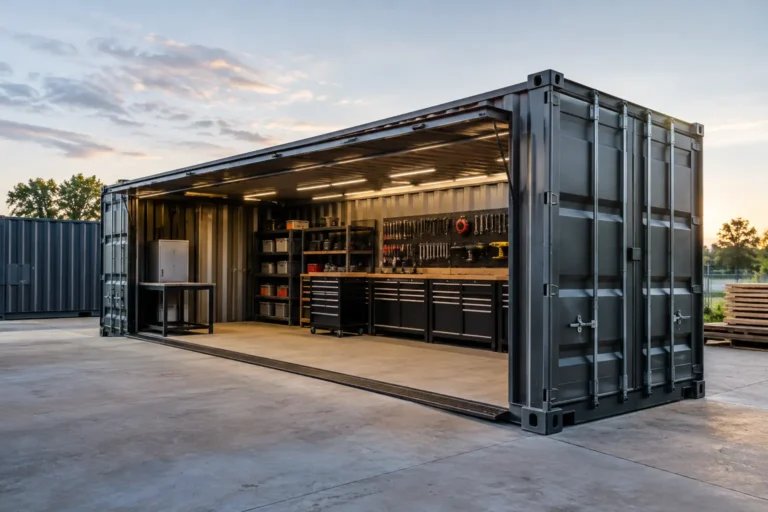
“I’m building a workshop, not just storage”
If you want a true workspace, prioritize height and layout flexibility. A 40ft High Cube often provides the best functional feel.
Used vs. One-Trip for homeowners (how to decide fast)
Because many homeowners shopping “storage unit containers for sale” are comparing used units to newer ones, this quick table can help you decide.
| Your priority | Best grade starting point | Why |
|---|---|---|
| Clean look, minimal repairs | One-Trip | Best appearance and longevity for residential settings |
| Best value for stationary storage | WWT | Weather-focused grade, cost-effective |
| Strong used unit, resale-friendly | Cargo Worthy | Better structural baseline for demanding use |
If you’re exploring used inventory, start here: Used Shipping Container Grades Explained: A Buyer’s Guide
Raleigh and Southeast-specific considerations homeowners overlook
Even though Lease Lane Containers supports nationwide delivery, homeowners in Raleigh and across the Southeast face a few consistent environmental and site-planning realities.
Humidity and condensation management
In North Carolina summers, you can get condensation inside steel storage, even in a wind-and-watertight unit. Plan for moisture control with:
- Passive vents (or upgrading venting)
- Desiccants for sensitive items
- Shelving to keep boxes off the floor
- Air gaps around furniture and mattresses
Drainage matters as much as “level”
A container sitting in a low spot can trap water around the base rails, accelerating corrosion over time. Proper grading and drainage is a longevity decision, not just a delivery decision.
HOA and permitting questions
Raleigh and Wake County neighborhoods vary widely. Some homeowners can place a container like a temporary accessory structure, others need approvals. Always check:
- HOA rules (visibility, duration, fencing)
- City/county zoning interpretations for accessory structures
- Setbacks and easements
If you want a planning baseline, Lease Lane’s broader guidance starts here: The Ultimate Shipping Container Buyers Guide
Pro-Tip: Prepare your drop spot like you’re installing heavy equipment
A shipping container is a steel structure with concentrated load at the corners. If the ground is uneven or soft, the container can twist slightly, which leads to stuck doors and long-term wear.
Practical site-prep best practices we recommend to homeowners in Raleigh and across the Southeast:
- Use a compacted gravel pad with geotextile fabric when soil stays damp or you’re placing in a yard
- Support the container at the corners (and at intermediate points if recommended for your setup)
- Plan drainage so water sheds away from the container footprint
- Measure overhead clearance before scheduling delivery, especially with trees and service lines
For step-by-step detail, these resources are worth bookmarking:
- 5 Steps for Proper Shipping Container Ground Preparation
- How to Prepare Your Site for Container Delivery
A simple homeowner decision framework (size + grade)
If you want a quick way to narrow your decision without overthinking it:
- Choose a 20ft if your top constraint is driveway access, side-yard placement, or frequent access.
- Choose a 40ft if your top constraint is total capacity and you have a clear delivery route.
- Choose a High Cube if your top constraint is vertical storage, tall items, or workshop comfort.
Then match grade to expectations:
- Pick WWT for cost-effective stationary storage.
- Pick Cargo Worthy when you want a stronger used unit and better resale flexibility.
- Pick One-Trip when you want the cleanest, longest-lasting container for a residential setting.
Frequently Asked Questions
What size storage container is best for most homeowners? For most homeowners, a 20ft container is the best balance of storage capacity and deliverability, especially on typical Raleigh-area residential lots.
Is a wind-and-watertight container good enough for backyard storage? Yes, WWT is usually sufficient for stationary storage, assuming you inspect key points (roof, door seals, floor) and manage moisture inside.
Should I buy a cargo worthy container if I’m not shipping internationally? Not always, but cargo worthy units can be a smart choice for homeowners who want a stronger used container, plan to relocate it later, or want better resale value.
Can a shipping container be delivered to my driveway? Often yes, but it depends on driveway condition, turning radius, overhead clearance, and delivery method. Measure first and share photos with your supplier to confirm.
How do I prevent condensation inside a storage container in North Carolina? Add ventilation, keep items off the floor, avoid packing wet gear, and consider desiccants for sensitive belongings. Humidity control is especially important during summer.
Talk to a Raleigh container team before you buy
Choosing the “best” storage unit container is really about matching size, grade, and delivery reality to your property and what you’re storing. If you want help picking between 20ft, 40ft, and High Cube options, or deciding between One-Trip vs. Cargo Worthy vs. WWT, the Lease Lane Containers team can walk you through it and coordinate delivery in Raleigh, across North Carolina, and nationwide.
Contact us at sales@leaselanecontainers.com or visit our Raleigh, NC office to get clear pricing and placement guidance.