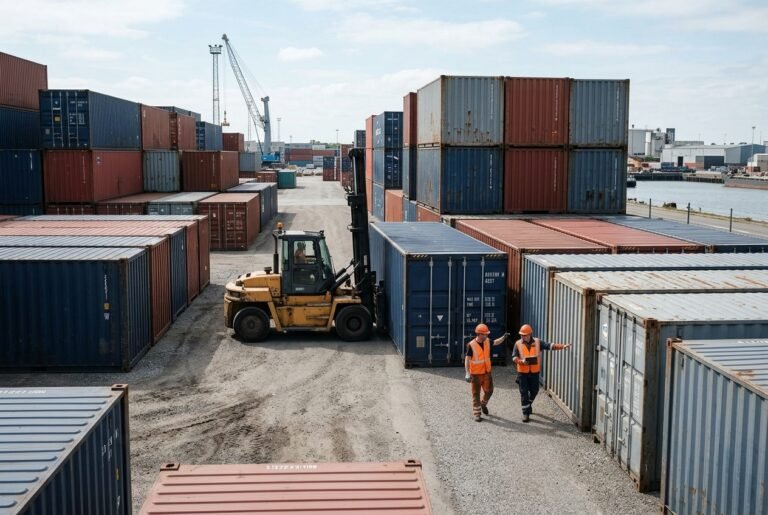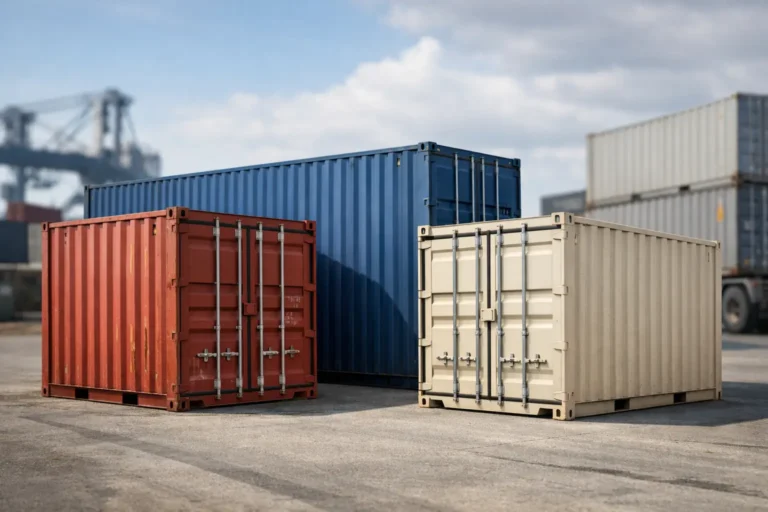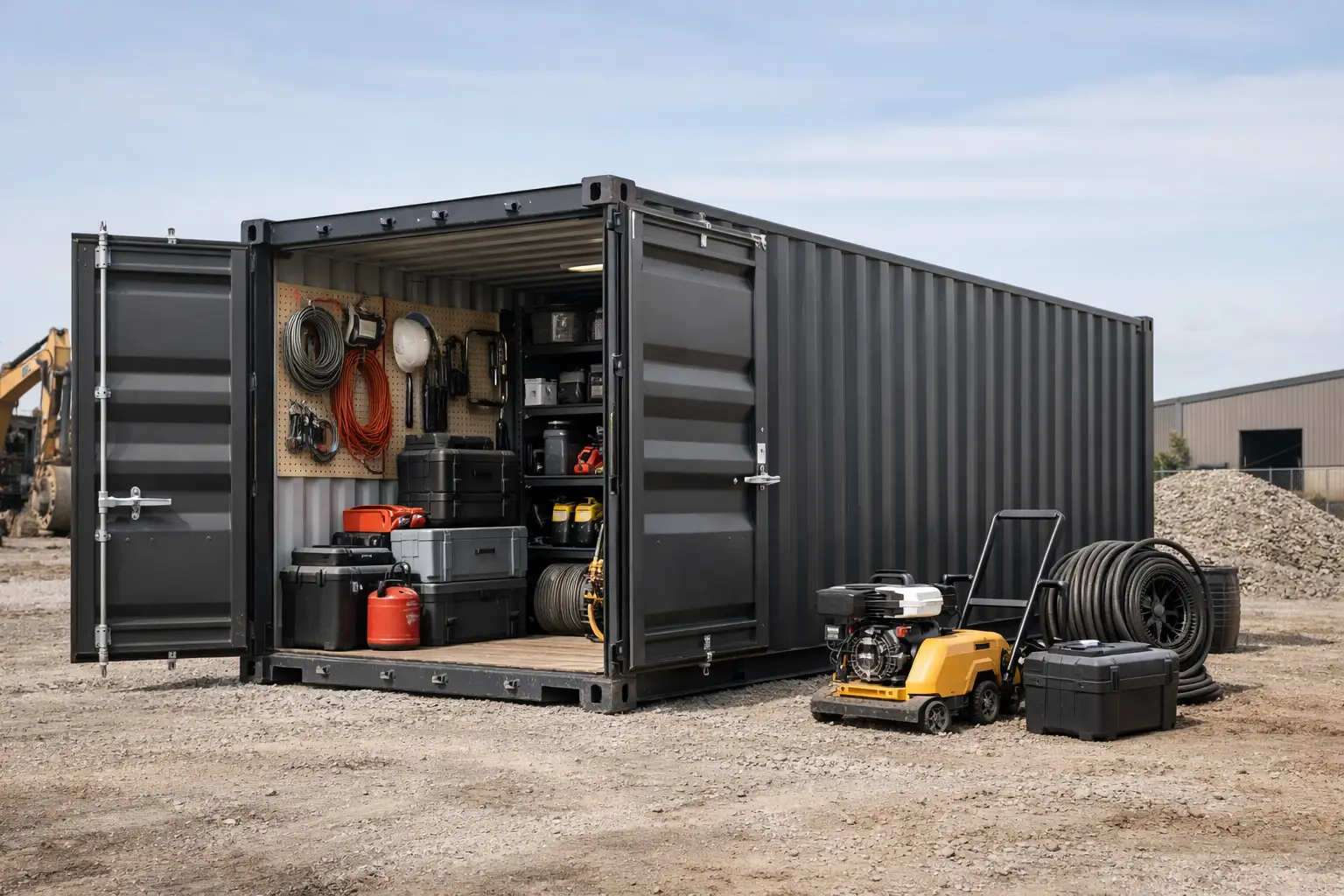
Shipping Container for Equipment Storage
A skid steer left under a tarp might get by for a week. On an active job site or rural property, that same shortcut turns into rust, theft risk, and wasted time fast. A shipping container for equipment storage gives you a lockable, weather-resistant space that can be delivered quickly, but the right result depends on more than just picking a 20-foot or 40-foot box.
For contractors, growers, facility managers, and property owners, the real question is not whether a container can store equipment. It can. The better question is which container condition, size, and delivery setup will protect your equipment without creating avoidable costs.
Why a shipping container for equipment storage works
Shipping containers are built from Corten steel and designed around ISO standards, which means they are engineered for heavy use, stacking, and exposure to rough transport conditions. That matters when you need storage that holds up in the field, not just in a warehouse yard.
For equipment storage, the biggest advantages are straightforward. You get steel walls, lockable cargo doors, a raised floor, and a structure that handles wind and rain better than lightweight sheds or temporary fabric buildings. If your equipment includes power tools, compact machines, irrigation parts, generators, or expensive attachments, a container creates a more controlled and secure environment.
That said, there is a trade-off. A standard shipping container is excellent for storage, but it is not automatically optimized for every type of equipment. Door opening dimensions, interior height, floor condition, and site access all matter. A container that looks right on paper can still become a poor fit if your forklift cannot clear the doors or the delivery truck cannot reach the drop location.
Choosing the right container size
Most equipment storage needs come down to 20-foot and 40-foot containers. A 20-foot unit is often the practical choice for job sites with limited space. It gives you a compact footprint, easier placement, and enough room for tools, compressors, small machines, and boxed materials. For many contractors, it is the best balance between capacity and maneuverability.
A 40-foot container makes more sense when you are storing larger equipment, keeping multiple categories of inventory in one place, or trying to reduce the number of separate storage units on site. Agricultural operators often prefer 40-foot units for seasonal equipment, repair parts, hoses, and supplies that need to stay organized and dry.
High-cube containers add an extra foot of interior height. That difference sounds small until you are storing taller equipment, shelving systems, or stacked materials. If vertical clearance is tight with a standard unit, a high-cube container can prevent a lot of frustration later.
The important part is to measure the largest item you plan to store, then account for door clearance and working room. Interior length and width are only part of the equation. The cargo door opening is the real gatekeeper.
New, used, or refurbished – what makes sense?
Container condition is where buyers can either save money wisely or create problems for themselves.
A one-trip container is the cleanest option. These units have made a single cargo trip after manufacture and usually offer the best cosmetic condition, the longest service life, and fewer immediate maintenance concerns. If appearance matters, or if you want long-term equipment storage with minimal uncertainty, this is often the safest choice.
Used containers are common for equipment storage because they cost less and still provide strong structural security. The key is understanding the grade. A Wind and Watertight container should keep out weather and have solid doors and flooring suitable for storage, but it may show dents, surface rust, patches, or cosmetic wear. For many job sites, that is perfectly acceptable.
Cargo Worthy containers generally meet a higher transport-oriented standard, but for static storage, that does not automatically mean they are the best value. If the container will sit on your property for years and never go back into international service, a well-selected WWT unit may be more practical.
Refurbished containers can be a strong middle ground. They often include repaired surfaces, fresh paint, and corrected door or floor issues. For residential buyers or customer-facing commercial sites, that cleaner appearance may justify the added cost.
The right answer depends on your priorities. If your goal is the lowest upfront spend, used may be fine. If you want fewer unknowns, better aesthetics, and longer service life, one-trip or refurbished usually makes more sense.
Security matters more than most buyers expect
Equipment storage is rarely just about weather protection. It is about theft prevention and controlled access.
Standard cargo doors are strong, but your locking setup matters. A container with intact door hardware and a proper lock box gives you a much better security position than relying on an exposed padlock. If your equipment includes copper, fuel-powered tools, or high-theft items, small security details become a major factor.
Placement also affects security. A container set in an isolated back corner may be convenient, but it can also give thieves more time and privacy. In many cases, better placement near regular activity, lighting, or camera coverage is worth more than adding another lock after the fact.
If you need frequent access, think about how the doors will open and whether the approach area stays usable in mud, gravel, or winter conditions. Secure storage that is hard for your crew to use tends to get bypassed.
Site prep can make or break the project
Many storage problems start before the container ever arrives. Buyers focus on the unit and forget the site.
A shipping container for equipment storage needs stable, level support. That does not always require a full concrete pad, but it does require proper planning. Gravel, railroad ties, concrete piers, or other approved supports can work depending on the site and load. The goal is to keep the container level enough for the doors to operate correctly and the frame to stay properly supported.
Drainage matters just as much. If water pools around the base, you increase the chances of corrosion, mud access issues, and premature wear. On agricultural or undeveloped land, this is especially important.
You also need to plan for delivery clearance. Tilt-bed and ground-level delivery methods are practical, but they require enough straight-line space, overhead clearance, and turning room. Trees, power lines, soft ground, tight gates, and sloped approaches can all complicate delivery. This is where a transparent seller adds real value by asking the right site questions upfront.
When standard containers are not enough
A standard dry container works for most equipment storage needs, but not all of them.
If you are storing temperature-sensitive tools, electronics, or products that degrade in heat, a refrigerated container may be worth considering. If loading from above matters because of oversized parts or awkward machinery, an open-top unit can help. If you want easier access from either end for inventory flow, a tunnel container may be the better fit.
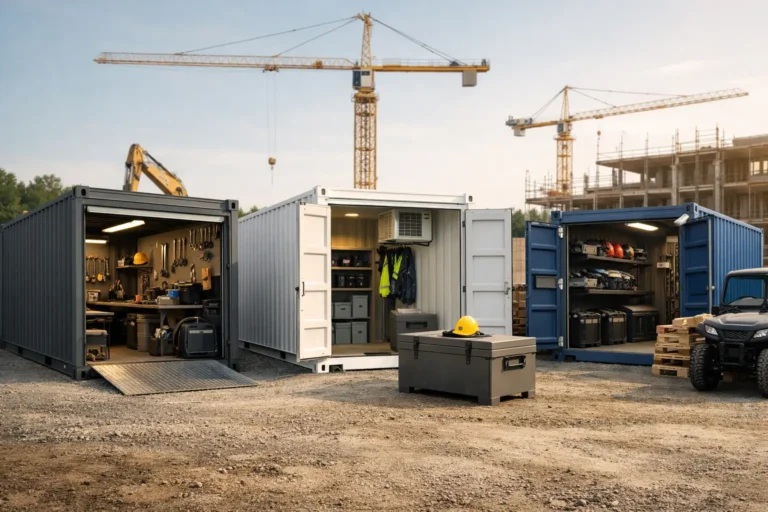
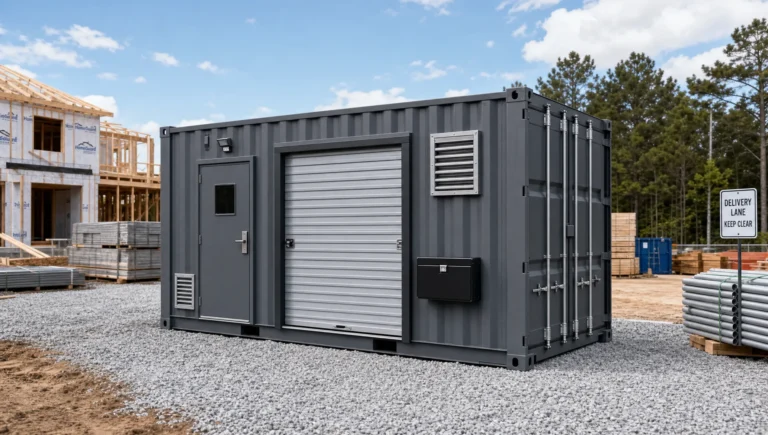
For some contractors and business owners, modifications also make sense. Shelving, lighting, roll-up doors, and personnel doors can improve day-to-day use. The trade-off is cost and lead time. A modified container should solve a clear operational problem, not just look convenient in theory.
Common buying mistakes to avoid
The most common mistake is buying purely on price without understanding grade, floor condition, and door function. A cheaper container is not cheaper if it arrives with sticking doors, questionable patches, or more cosmetic wear than you expected.
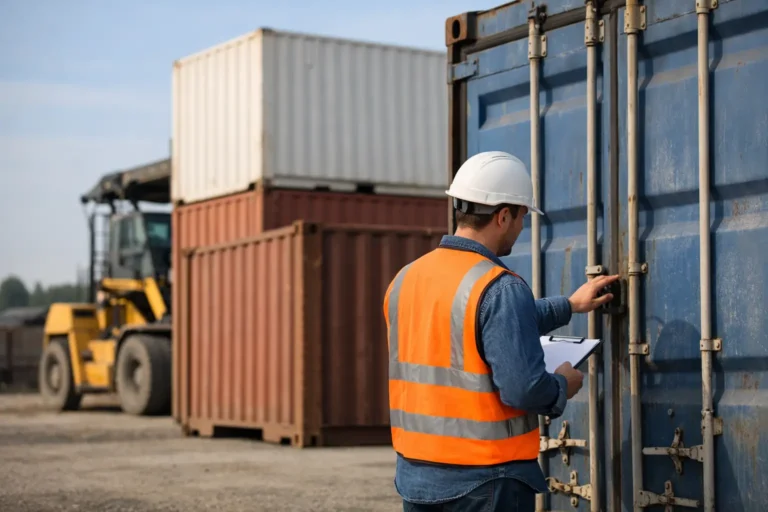
The second mistake is underestimating delivery logistics. A container may fit your storage plan and still be impossible to place without extra equipment or site work.
The third is choosing size based only on current needs. If your equipment list is growing, a slightly larger container can be the better long-term value. On the other hand, oversizing a unit on a cramped site can create access headaches. It depends on how often you need to move around the container and how your operation changes seasonally.
A reliable seller should give you verified specifications, explain condition clearly, and flag site concerns before the truck is scheduled. That is how you avoid the hidden costs that frustrate first-time buyers.
What to ask before you buy a shipping container for equipment storage
Before you place an order, ask about exact exterior dimensions, door opening dimensions, grade definitions, floor material, and whether the container is WWT, Cargo Worthy, one-trip, or refurbished. Confirm how delivery will be made and what site conditions are required. If appearance matters, ask for current photos or a clear description of cosmetic condition.
This is especially useful for nationwide buyers and for customers in areas like Raleigh or the broader Southeast where weather, site conditions, and turnaround time can vary by season. Clear communication on the front end usually prevents the expensive surprises.
The best container purchase is rarely the cheapest one on the page. It is the one that fits your equipment, your site, and your delivery conditions the first time. If you treat the container as part of your operating plan rather than a last-minute storage fix, it will do its job for years with a lot less trouble.