How to Shop for a 20 Ft Shipping Container for Sale
A 20 ft shipping container is one of the most practical storage and transport assets you can buy. It is large enough for jobsite materials, retail overflow, farm equipment, seasonal inventory, and household storage, yet compact enough to fit on many residential driveways and commercial lots where a 40 ft unit would be difficult to place.
But shopping for a 20 ft shipping container for sale is not as simple as picking the lowest advertised price. The right purchase depends on condition grade, delivery access, intended use, location, and whether the unit needs to meet cargo standards or simply provide secure ground-level storage.
For buyers in Raleigh, North Carolina, across the Southeast, and nationwide, the goal is the same: understand what you are buying before it arrives on your property. This guide walks through the practical steps to compare 20 ft containers confidently and avoid expensive surprises.
Start With the Standard 20 Ft Container Specifications
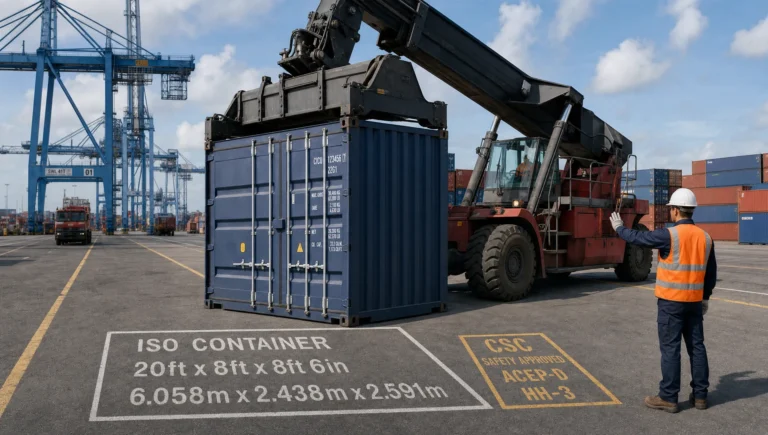
Most 20 ft shipping containers are built to ISO standards, which means they follow globally recognized dimensional and structural requirements for intermodal freight. A standard dry 20 ft container is designed with corner castings, steel frame members, corrugated Corten steel side panels, and marine-grade plywood flooring.
Typical dimensions vary slightly by manufacturer and age, but most standard 20 ft dry containers are close to the following:
| Specification | Typical 20 ft standard container measurement |
|---|---|
| Exterior length | 20 ft |
| Exterior width | 8 ft |
| Exterior height | 8 ft 6 in |
| Interior length | About 19 ft 4 in |
| Interior width | About 7 ft 8 in |
| Interior height | About 7 ft 10 in |
| Door opening width | About 7 ft 8 in |
| Door opening height | About 7 ft 5 in |
| Interior volume | About 1,170 cubic ft |
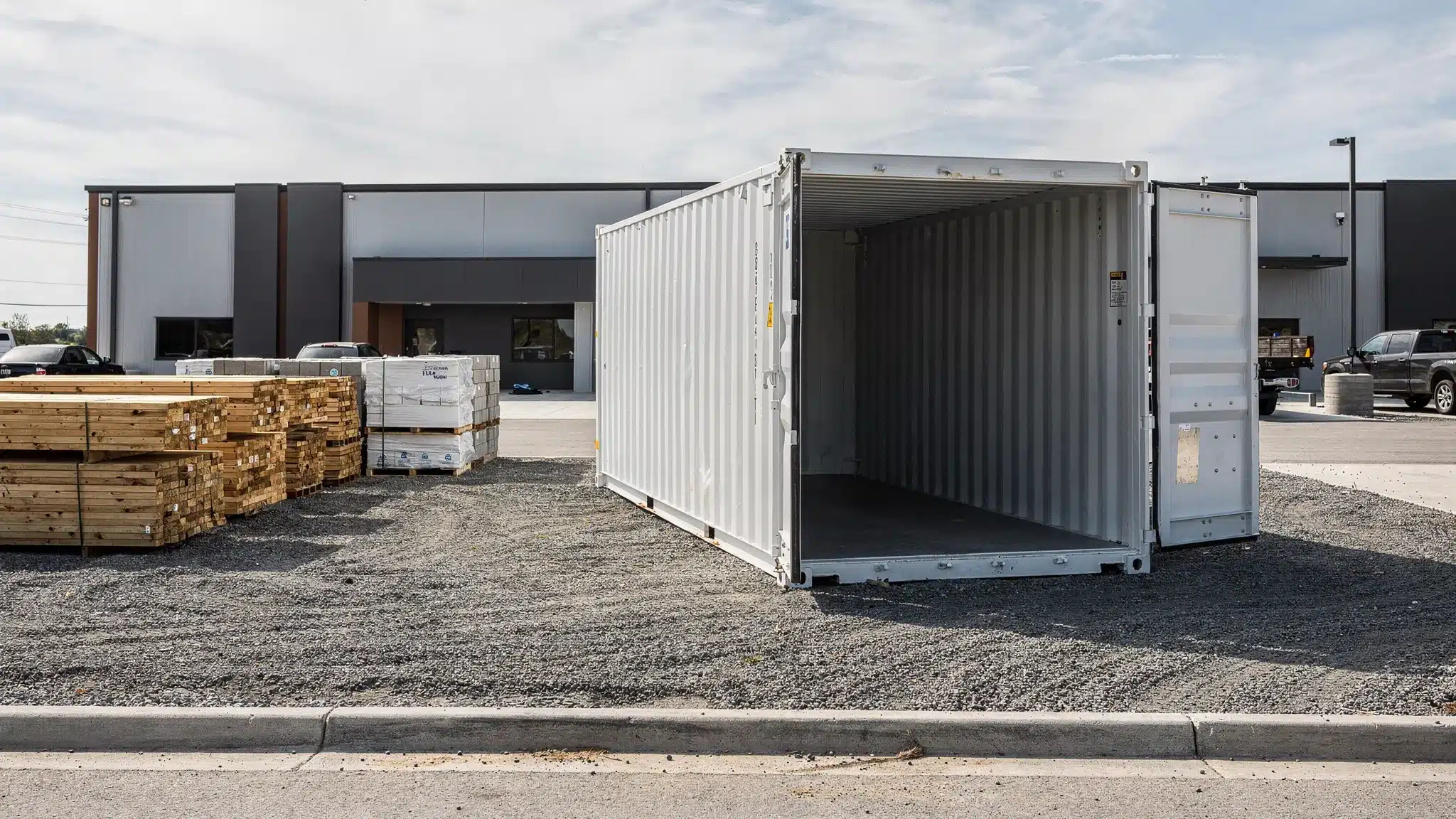
These measurements make a 20 ft unit a strong choice when you need ground-level access without dedicating a large footprint. Contractors often use them for tools and materials. Homeowners use them for renovation storage. Small businesses use them for inventory overflow or mobile operations.
A 20 ft High Cube container may also be available in some markets. High Cube units are 9 ft 6 in tall on the outside, giving about one additional foot of interior height. They are useful for taller equipment, shelving, and conversion projects, but availability can vary by region. If height matters, confirm whether your seller is quoting a standard-height or High Cube unit before you compare prices.
For broader sizing comparisons, Lease Lane Containers also offers a detailed shipping container buyers guide that explains common sizes, grades, and delivery considerations.
Choose the Right Grade Before You Shop by Price
Container grade is the biggest factor that separates a good deal from a costly mistake. Two containers can both be 20 ft long, both made of Corten steel, and both look similar in photos, yet perform very differently depending on their grade.
One-Trip Containers
A One-Trip container is typically the closest option to new. It has usually made one loaded ocean voyage from the factory before entering the resale market. These units often have cleaner paint, newer door gaskets, better floors, and fewer dents than older used containers.
One-Trip 20 ft containers are often preferred for customer-facing uses, office conversions, retail pop-ups, residential settings, and projects where appearance and long service life matter. They cost more upfront, but they can reduce repair, repainting, and modification prep costs.
Cargo Worthy Containers
A Cargo Worthy container is a used unit that has been inspected and considered structurally suitable for shipping cargo. For international movement, a valid CSC plate and inspection status may be required. The International Convention for Safe Containers.aspx) sets safety requirements for containers used in international transport.
Cargo Worthy units may have dents, surface rust, prior repairs, and cosmetic wear, but the frame, corner castings, doors, floor, and weather resistance should support transport-grade use. This grade is often a good fit for logistics managers, exporters, and buyers who want stronger structural assurance than a basic storage-grade container.
Wind and Watertight Containers
A Wind and Watertight container, often called WWT, is a used container intended primarily for static ground storage. It should keep out wind and rain under normal conditions, but it is not necessarily certified for ocean shipping.
WWT units are popular for construction sites, farms, workshops, and long-term equipment storage. They may show more cosmetic wear than Cargo Worthy or One-Trip units, but a properly graded WWT container can still be a practical, budget-conscious choice for stationary use.
Grade Comparison for 20 Ft Buyers
| Container grade | Best for | What to verify |
|---|---|---|
| One-Trip | Premium storage, office conversions, retail uses, residential projects | Minimal wear, clean floor, newer gaskets, factory paint condition |
| Cargo Worthy | Export, logistics, high-value storage, structural confidence | CSC plate status, frame condition, corner castings, floor integrity |
| Wind and Watertight | Jobsite storage, farms, household storage, non-shipping use | No leaks, functioning doors, solid floor, acceptable rust level |
| As-Is | Limited cases only, often repair projects | Exact defects, repair costs, whether it is safe to use |
If you are evaluating used inventory, it is worth reviewing how grades work in more detail before buying. Lease Lane Containers explains these differences in its used shipping container grades guide.
Match the Container to the Job, Not Just the Budget
A 20 ft container can serve many industries, but the right grade and configuration depend on what you are protecting.
General contractors and home builders in Raleigh and throughout North Carolina usually prioritize security, quick delivery, and jobsite durability. A WWT or Cargo Worthy 20 ft container is often practical for tools, lumber, fasteners, small equipment, and weather-sensitive supplies. If the container will move from site to site or hold high-value equipment, Cargo Worthy may be worth the upgrade.
Small business owners should think about both storage and presentation. If the container sits behind a retail shop, WWT may be enough. If it becomes a customer-facing pop-up, mobile office, or branded space, One-Trip or clean Cargo Worthy inventory is usually a better starting point.
Homeowners and agricultural buyers often need long-term storage for property, equipment, feed, or seasonal items. For these uses, weather resistance, drainage, door function, and ventilation matter more than perfect cosmetics. A good WWT container may be the best value, as long as it passes a careful inspection.
Logistics managers need to be more cautious. If the container will enter intermodal service, be stacked, or move internationally, do not assume a storage-grade unit is acceptable. Ask for Cargo Worthy documentation, CSC plate details, and any inspection evidence required for your shipping lane.
Inspect the Container or Request Clear Documentation
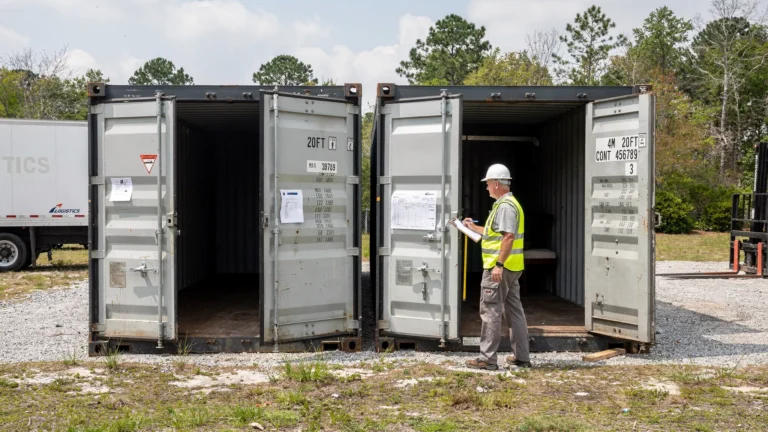
Whenever possible, inspect the exact unit you are buying. If you cannot inspect in person, ask for recent photos or video of the actual container, not generic stock images.
Focus on the areas that affect performance, not just appearance. Dents and surface rust can be normal on used units. Structural corrosion, floor damage, poor door alignment, and roof holes are much bigger concerns.
Key inspection points include:
- Roof condition, especially dents that hold standing water
- Door gaskets, hinges, locking bars, and cam keepers
- Corner castings and frame rails for structural damage
- Interior floor condition, including soft spots, delamination, stains, and odors
- Wall panels for punctures, severe corrosion, or poorly repaired patches
- Light test results, which can reveal pinholes or gaps when the doors are closed
- CSC plate and inspection status if the container is being sold as Cargo Worthy
For WWT storage units, the light test is especially useful. Step inside during daylight, close the doors safely, and look for points of light. A clean interior with no visible daylight is a good sign, although door seals and roof condition should still be checked closely.
When buying remotely, ask your supplier to confirm the grade in writing. Clear grading protects both sides and helps ensure that a “used 20 ft container” means the same thing to you and the seller.
Compare Quotes by Total Delivered Value
The lowest container price is not always the lowest total cost. A quote that excludes delivery, offloading, taxes, difficult-access fees, or modifications can look attractive until the final invoice changes.
For a fair comparison, ask each seller to quote the same container type, grade, and delivery assumptions. A One-Trip unit should not be compared directly with a heavily worn WWT unit. A delivered quote in Raleigh should not be compared with a depot-only price several states away unless you have already calculated freight.
| Quote item | Why it matters |
|---|---|
| Exact size and height | Confirms 20 ft standard vs 20 ft High Cube |
| Grade | Determines condition, use case, and long-term value |
| Photos of actual unit | Reduces risk of receiving a different condition than expected |
| Delivery method | Affects site access, placement accuracy, and cost |
| Delivery radius or mileage | Important for Raleigh, rural North Carolina, and nationwide delivery |
| Taxes and fees | Helps avoid surprise charges after purchase |
| Modifications | Lockboxes, vents, doors, windows, and paint should be itemized |
| Payment process | Helps identify legitimate sellers and avoid scams |
If you are budgeting right now, see Lease Lane Containers’ 20ft shipping container price guide for a deeper look at pricing factors.
Understand Delivery Before You Buy
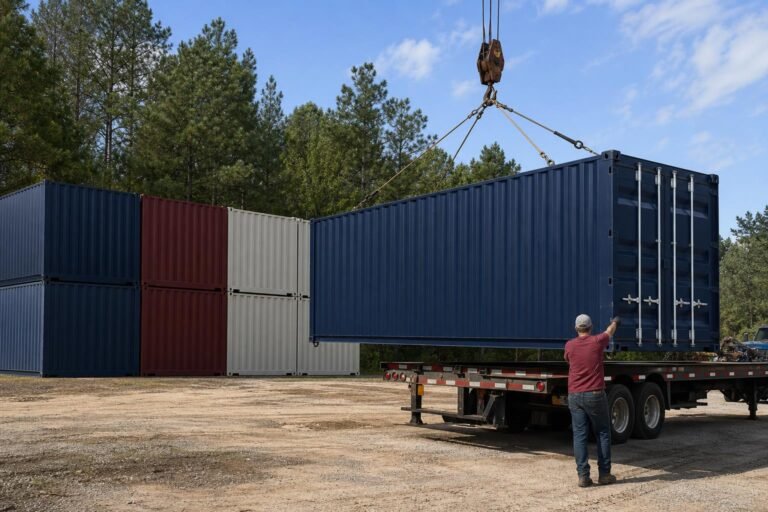
A 20 ft container is easier to deliver than a 40 ft container, but it still requires planning. Most ground-level deliveries use a tilt-bed truck or trailer. The driver backs into position, tilts the bed, lets the rear of the container touch the ground, then pulls forward while the container slides into place.
That process requires more room than the container footprint alone. You need enough straight-line space for the truck and trailer, enough overhead clearance for the bed angle, and a stable surface that can support both the delivery vehicle and the container.
In Raleigh and the Southeast, ground conditions can change quickly after rain. Soft lawns, clay soil, steep driveways, and narrow residential streets can complicate delivery. If your site has trees, utility lines, fencing, tight gates, or a sloped drop area, discuss it before scheduling.
Lease Lane Containers provides site preparation guidance and nationwide delivery planning. You can also review specific access requirements in the company’s shipping container delivery requirements guide.
Pro-Tip: Prepare the Pad Before the Truck Arrives
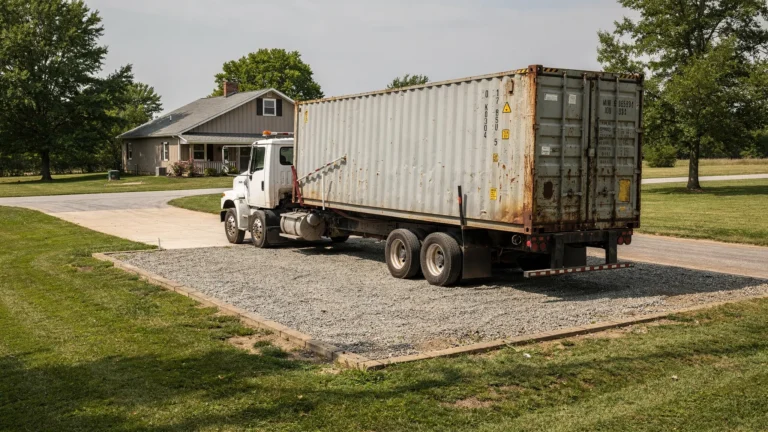
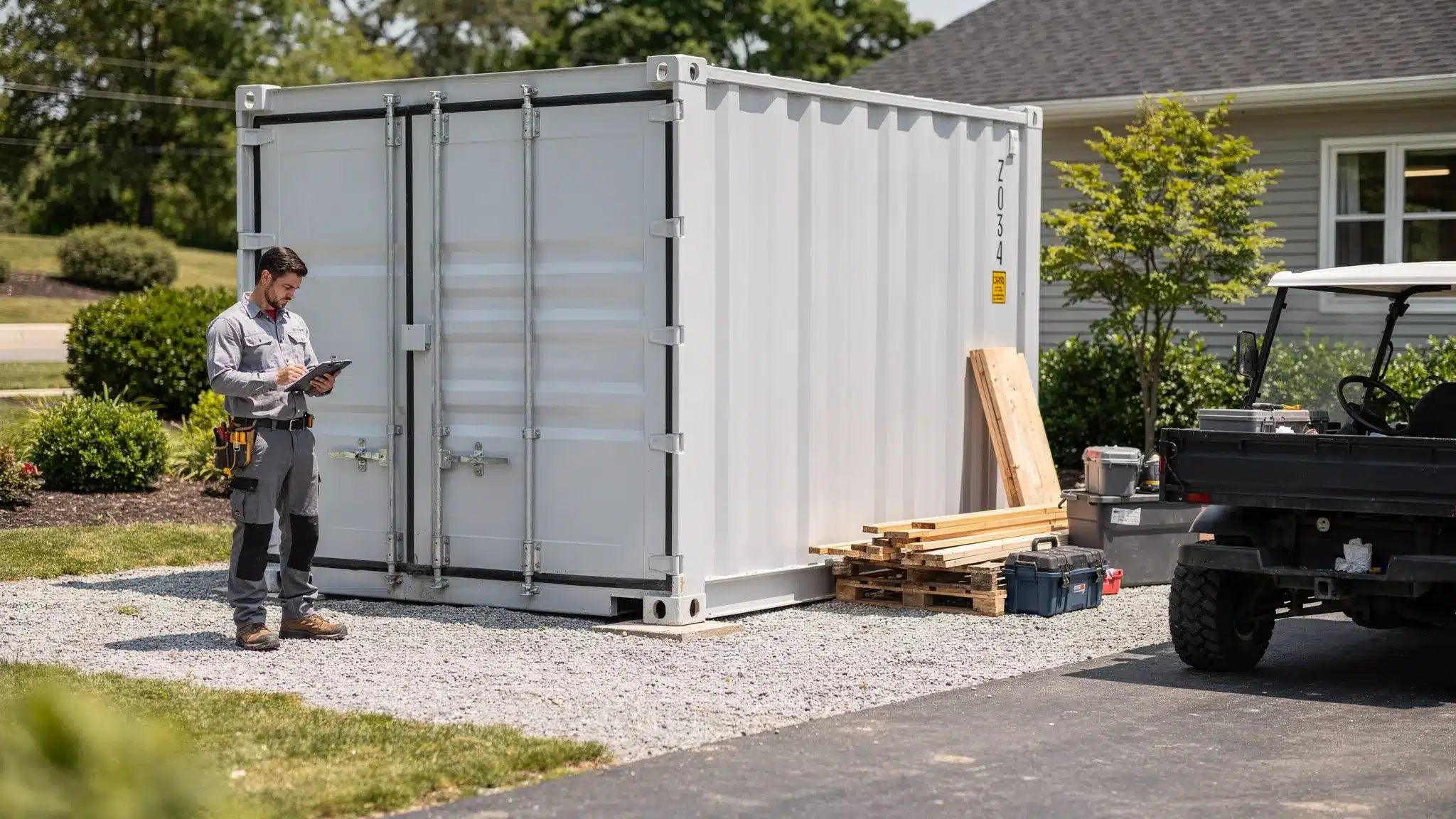
Do not place a container directly on soft, uneven, or poorly drained ground and expect the doors to work perfectly forever. Containers are strongest at the corners, and they perform best when supported on a level, stable base.
For most 20 ft storage applications, a compacted gravel pad is a practical option. Gravel improves drainage, reduces mud, and helps prevent underfloor moisture. Concrete pads, concrete piers, railroad ties, and engineered footings can also work depending on the project, soil, and permanence of the installation.
Before delivery day, confirm three things: the pad is level, water drains away from the container, and the four corners have firm support. A small amount of twist in the frame can make container doors difficult to open and close. For long-term installations, especially in humid North Carolina conditions, leaving airflow under the container also helps reduce corrosion risk.
Also check local requirements before placement. In Raleigh, Wake County, and surrounding municipalities, rules may vary based on zoning, property type, visibility, duration, and whether the container is temporary storage or part of a permanent structure. HOAs may have their own restrictions. When in doubt, verify requirements before ordering.
Know When to Add Modifications
Many buyers start with a standard 20 ft container and add features later. That can work, but some modifications are easier and cleaner when planned before delivery.
Common upgrades include lockboxes, extra vents, roll-up doors, personnel doors, windows, shelving, lighting, electrical packages, insulation, and repainting. For a jobsite storage unit, a lockbox and proper placement may be enough. For a mobile office or retail unit, insulation, HVAC planning, power, and code considerations become much more important.
If you plan to cut openings for doors or windows, start with a structurally sound container. One-Trip and Cargo Worthy units are often better candidates for heavier modifications because the steel, frame, and floors typically require less remediation. WWT containers can be modified too, but inspect the structure carefully before investing in major work.
Watch for Red Flags When Shopping Online
The container market has legitimate suppliers, brokers, depots, and transport providers. It also has scams and misleading listings. Be cautious if the price is far below market, the seller cannot provide verifiable company details, or the photos appear reused across multiple listings.
A professional seller should be able to explain grade differences, confirm delivery assumptions, answer site access questions, and provide a written quote. They should not pressure you to pay through unusual channels or avoid basic documentation.
For Raleigh-area buyers, working with a local or regionally experienced team can make delivery planning much easier. A seller familiar with North Carolina roads, clay soil, tree cover, rural properties, and urban access constraints can help spot issues before the truck arrives.
Final Checklist Before You Buy
Before you commit to a 20 ft shipping container, confirm the essentials in writing. This short checklist will help you compare options clearly:
- Container size, height, and type are confirmed
- Grade is clearly stated as One-Trip, Cargo Worthy, or Wind and Watertight
- Photos or inspection details match the actual unit when available
- Delivery method, placement direction, and access requirements are understood
- Total delivered price includes relevant fees and taxes
- Site pad, leveling, drainage, and permits have been addressed
- Any modifications are quoted separately and clearly described
- Seller contact information and payment process appear legitimate
A 20 ft container is a long-lasting asset when matched to the right use case. Taking time to verify grade, delivery, and site conditions upfront can save far more than choosing the cheapest listing.
Frequently Asked Questions
What is the best grade for a 20 ft shipping container for sale? The best grade depends on use. Choose One-Trip for the cleanest condition and conversion projects, Cargo Worthy for shipping or stronger structural assurance, and Wind and Watertight for cost-effective ground storage.
Can a 20 ft shipping container fit in a driveway? Often, yes, but it depends on driveway width, slope, overhead clearance, turning room, and surface strength. A 20 ft unit is easier to place than a 40 ft unit, but delivery access still needs to be measured before ordering.
Is a used 20 ft container good enough for storage? A properly graded Wind and Watertight or Cargo Worthy used container is usually suitable for storage. Inspect the roof, doors, gaskets, floor, and frame before buying, and make sure the unit is level after delivery.
Do I need a permit for a 20 ft shipping container in Raleigh, NC? It depends on location, zoning, placement duration, and use. Temporary jobsite storage, residential storage, and permanent converted structures may be treated differently. Check with the relevant municipality, county office, or HOA before purchase.
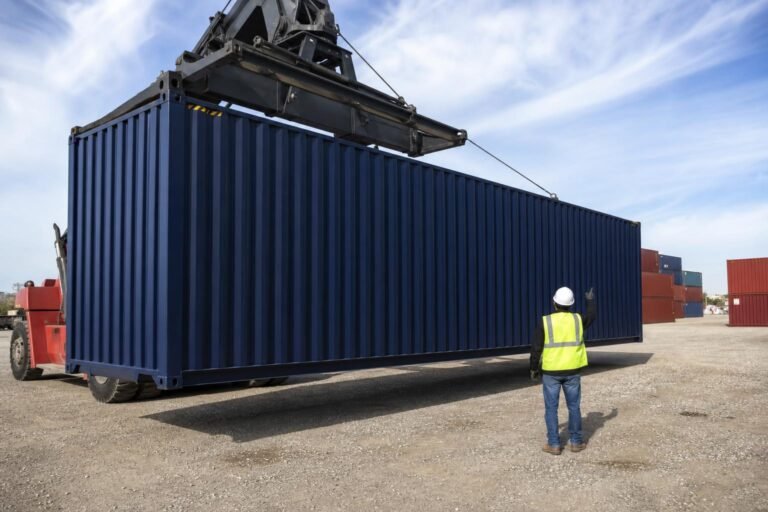
Should I buy a 20 ft or 40 ft container? Choose a 20 ft container when you have limited space, need easier placement, or want compact storage. Choose a 40 ft container when you need maximum volume and have enough delivery and placement room. If you are unsure, compare total usable space, access, and delivery requirements before deciding.
Ready to Shop With Confidence?
Lease Lane Containers LLC supplies high-quality One-Trip and used shipping containers, including 20 ft and 40 ft options, Standard, High Cube, and refrigerated units. From Raleigh, North Carolina, the team helps buyers across the Southeast and nationwide compare grades, plan delivery, and choose the right container for storage, shipping, or modification.
For help finding the right 20 ft container, contact the Lease Lane Containers sales team at sales@leaselanecontainers.com or visit the Raleigh office to discuss inventory, delivery access, and site preparation before you buy.