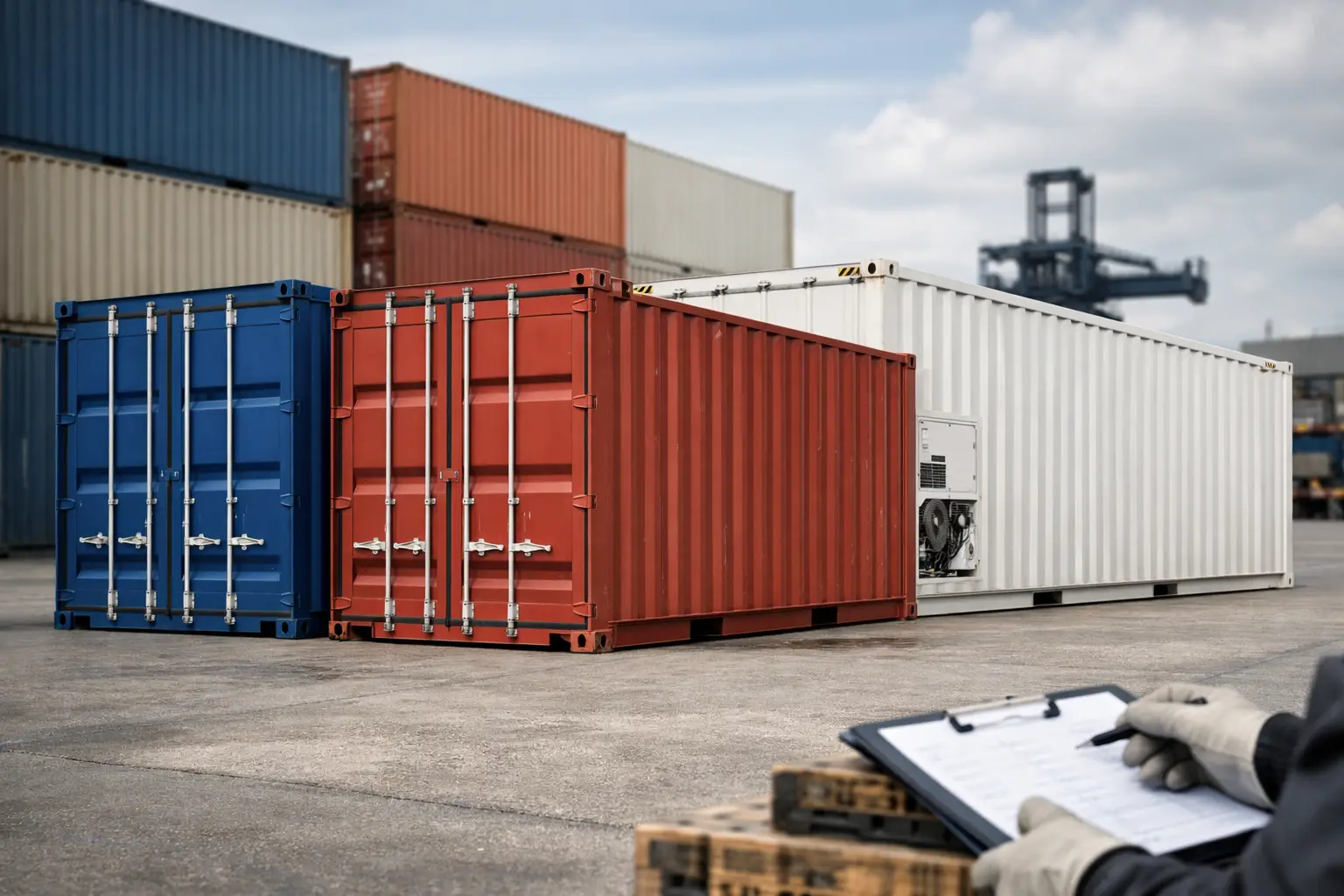
Shipping Container Grading Guide
A container can look fine in a photo and still be the wrong fit for your jobsite, farm, or property. That is why a shipping container grading guide matters. Grade affects structural integrity, appearance, weather resistance, certification status, and price, and those differences show up fast once the container is on the ground.
For many buyers, the confusion starts with the labels. One seller says one-trip. Another says cargo worthy. Another says wind and watertight. Those terms are not interchangeable, and they do not promise the same condition. If you want no surprises, you need to know what each grade usually means, what it does not mean, and which trade-offs make sense for your use case.
What a shipping container grading guide should tell you
A useful shipping container grading guide should do more than rank containers from best to worst. It should explain what condition standards mean in practical terms. That includes the likely state of the roof, doors, floor, corner castings, cross members, and exterior panels. It should also clarify whether the unit is suitable for ocean export, static storage, modification, or appearance-sensitive commercial use.
Container grading is partly about structural condition and partly about intended use. A contractor storing tools on a jobsite may care most about secure doors, solid floors, and a dry interior. A homeowner building a workshop may care about dents and surface rust because appearance matters more over the long term. A logistics manager setting up a retail pop-up may need both a strong shell and a cleaner exterior that does not require heavy refurbishment before branding.
That is why the right question is not Which grade is best? It is Which grade is best for what I need this container to do?
The most common container grades explained
One-trip containers
One-trip containers are the closest thing to new in the market. They are typically manufactured overseas, loaded with cargo once, and then sold after arrival in the US. Structurally, they are usually in excellent condition with minimal wear. Doors tend to seal well, floors are clean, and the exterior generally has fewer dents, less rust, and better paint condition than used inventory.
For buyers who want a container for a mobile office conversion, branded retail application, or long-term property use, one-trip units often make sense because they reduce cosmetic prep and repair work. They also tend to have the longest remaining service life. The trade-off is cost. If all you need is secure, dry storage behind a warehouse or on a construction site, paying the premium for one-trip may not be necessary.
Cargo Worthy containers
Cargo Worthy, often shortened to CW, generally means a used container is structurally sound and considered fit for cargo transport. In many cases, that means the unit can pass inspection for shipping use, though exact certification status can vary by seller and by the timing of inspection. This is where buyers need to ask precise questions.
A Cargo Worthy container should have an intact frame, operable doors, solid flooring, and no major breaches that would compromise transport. It may still have dents, patches, surface rust, repaired areas, or signs of prior heavy use. It is a working container, not a cosmetic grade.
For commercial and industrial buyers, CW is often a practical middle ground. You get strong structural reliability without paying one-trip pricing. If the container may later be moved in the supply chain, or you want a used unit with a stronger condition baseline than basic storage grade, CW is often the right place to start.
Wind and Watertight containers
Wind and Watertight, or WWT, is one of the most common grades for static storage. It generally means the container keeps out wind and water, has functional doors, and provides a secure enclosed space. It does not automatically mean export-certified, and it does not mean the container is free from dents, repairs, floor wear, or visible age.
WWT is often the best value for buyers who need on-site storage and do not care if the exterior shows its working history. Contractors, agricultural operators, and equipment managers often choose this grade because function matters more than finish. If the unit is staying in one place and your main priority is dry, lockable storage, WWT can be the most cost-effective option.
The trade-off is appearance and variability. A WWT container can still be very serviceable, but the cosmetic condition may be rougher, and the degree of prior repair may be greater than with CW inventory. That is not a problem if expectations are clear upfront.
As-is containers
Some sellers offer as-is units at the bottom of the price range. These can be suitable for very specific buyers who are prepared to make repairs themselves, but they come with the highest uncertainty. An as-is container may have door issues, floor damage, soft spots, leaks, corrosion, or structural concerns.
For most buyers, especially first-time buyers, as-is is where hidden costs show up. A lower purchase price can disappear quickly if the container needs patching, door realignment, floor replacement, or specialized delivery adjustments because the frame is out of square. Unless you know exactly what you are inspecting, this grade is rarely the best option for a zero-surprises purchase.
How grades affect real-world use
The same container grade can be a smart buy in one situation and a costly mismatch in another. A WWT container is often ideal for storing generators, tools, feed, or seasonal inventory. It is usually less ideal for a customer-facing retail installation where appearance is part of the project. A one-trip unit can be the right choice for a container office or workshop shell because straighter panels and cleaner interiors simplify modification.
For export use, condition standards get stricter. If a container will re-enter cargo service, you need to confirm certification details rather than relying on a broad grade label. For static storage, that level of certification may be unnecessary. The point is to avoid paying for standards you do not need, while also avoiding a cheaper grade that creates repair costs later.
What to inspect before you buy
Even with a clear grade description, inspection matters. Start with the doors. They should open and close without excessive force, and the locking gear should engage properly. Hard-to-operate doors can signal frame twist or wear that becomes more frustrating after delivery.
Check the roof carefully. Roof dents are common on used containers, but severe deformation can create standing water issues over time. Look at the floor for soft spots, rot, major delamination, or contamination. Most container floors are marine-grade plywood over steel cross members, and condition varies with age and past cargo history.
Review the lower rails, cross members, and corner castings for damage or heavy corrosion. Surface rust is normal on used units. Deep scaling, perforation, or bent structural members deserve closer attention. Also ask whether any repairs were made and whether patches are cosmetic or structural.
If appearance matters, ask for current photos of all four sides, the roof, the interior, and close-ups of doors and flooring. A reputable seller should be comfortable describing both strengths and flaws in plain terms.
Questions that prevent hidden costs
The right purchase conversation is usually more valuable than chasing the lowest quote. Ask what the grade means in that seller’s inventory, not just in theory. Ask whether the container is suitable for export, static storage, or modification. Ask about dents, patches, flooring condition, rust level, and door function.
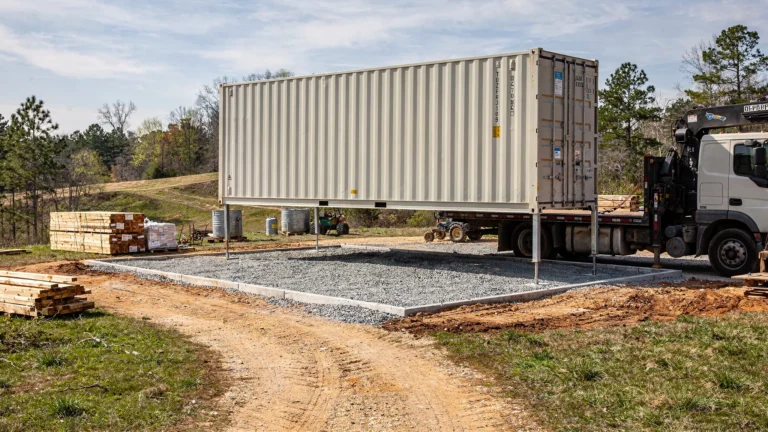
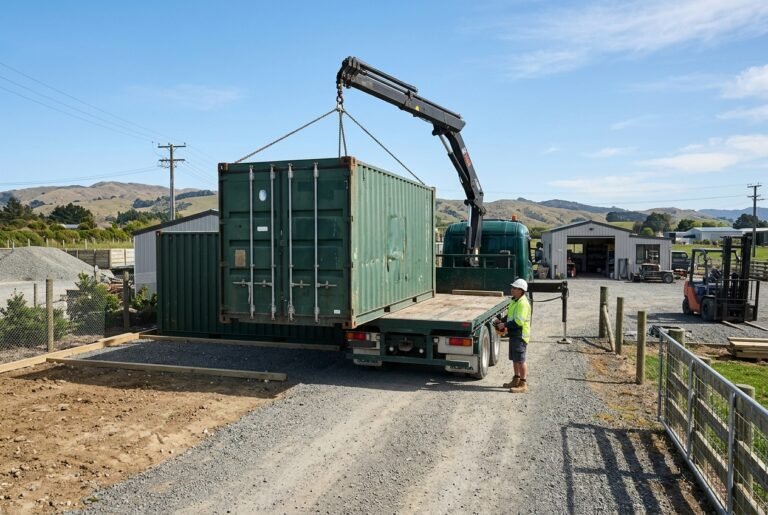
You should also ask how delivery affects your choice. A site with tight access, soft ground, or limited clearance may require a tilt-bed or ground-level placement strategy. In those cases, structural condition and door alignment matter even more because a stressed or uneven container can become difficult to position and use after drop-off.
This is also where working with a transparent dealer helps. Lease Lane Containers, for example, emphasizes verified specifications and straightforward grading so customers know whether they are buying one-trip, Cargo Worthy, or WWT, and what that means before dispatch is scheduled.
Choosing the right grade for your budget
A good buying decision balances condition, use, and total cost. If you need the cleanest appearance and longest life, one-trip is usually worth the premium. If you need a dependable used unit with stronger transport suitability, CW often offers solid value. If your priority is secure, dry storage at the best price point, WWT is frequently the practical choice.
The cheapest container is not always the lowest-cost container. A lower initial price can be offset by repairs, repainting, floor work, or dissatisfaction with appearance. On the other hand, overbuying grade can tie up budget you would rather spend on site prep, lockboxes, shelving, electrical work, or modifications.
The best container grade is the one that matches the job without forcing you to pay for features you will never use. When the grade is explained clearly, the photos match the description, and the delivery plan is realistic, the buying process gets much simpler. That is usually the difference between a container that solves a problem on day one and one that creates a new one.