Refrigerated Containers Explained for Storage and Shipping
Refrigerated containers (often called reefers) are a different class of ISO shipping container. They are built not just to lock up and keep rain out, but to hold a temperature setpoint reliably, in Raleigh summer heat, on a Southeast jobsite, or during long-haul and ocean transit.
If you are considering a refrigerated container for storage or shipping, the most important thing to understand is this: a reefer is a system, not just a steel box. The container structure, insulation package, airflow design, and refrigeration unit all have to work together to protect your product and your budget.
What is a refrigerated container (reefer), exactly?
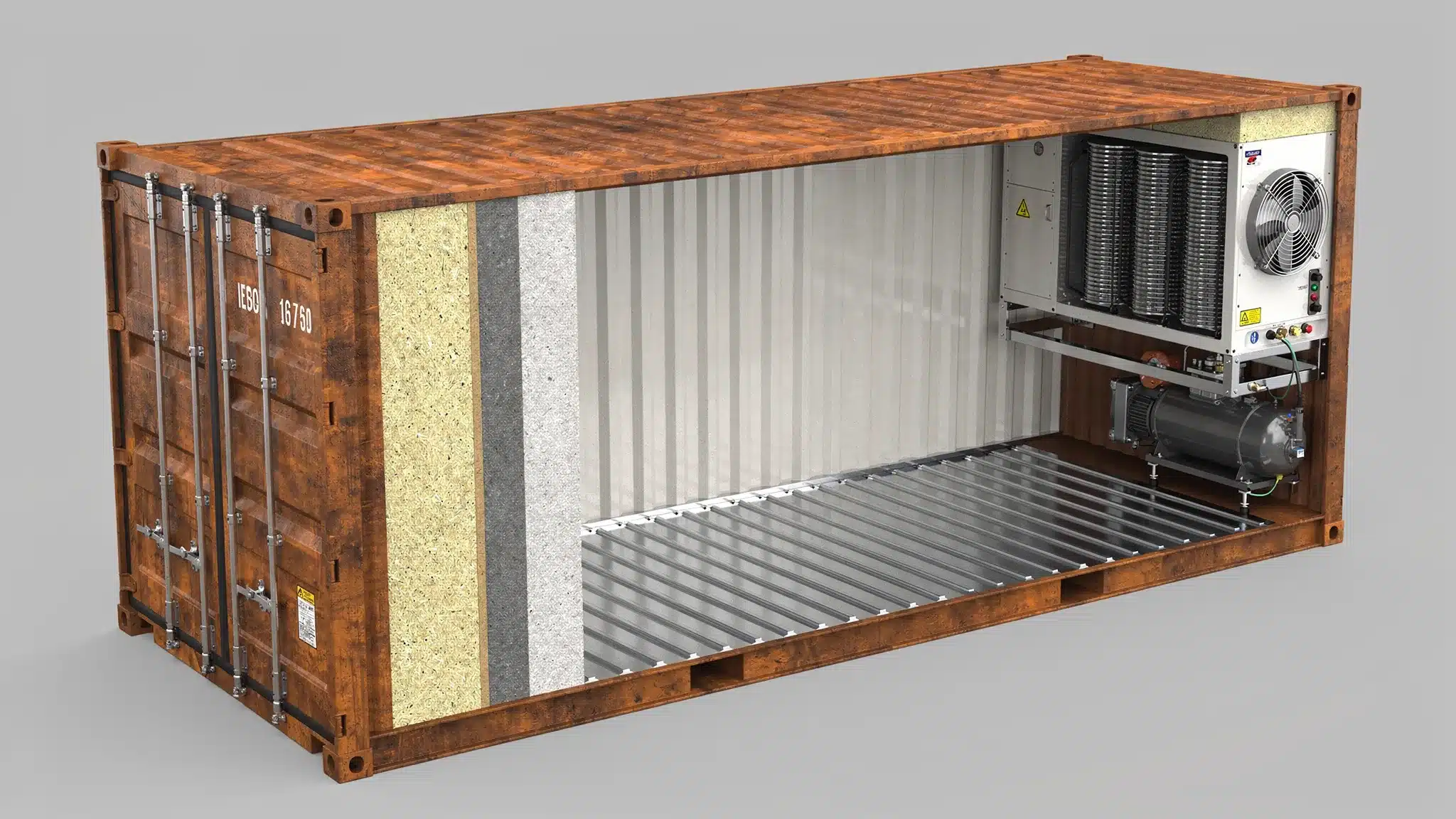
A refrigerated container is an ISO-standard intermodal container designed for temperature-controlled cargo. Most reefers combine:
- A steel exterior shell (commonly Corten steel) built around ISO corner castings for lifting and stacking
- Thick insulated wall, roof, and door panels (to reduce heat gain)
- An integrated refrigeration unit (the “reefer unit”) that circulates air and manages heating or cooling
- A “T-bar” (or “T-floor”) interior floor that enables consistent airflow under the load
Because of the insulation and machinery, reefers usually have less usable interior space than dry containers of the same nominal size. This matters when you are choosing between a 20ft vs 40ft unit, or when you are palletizing product.
Storage vs. shipping: the same reefer, two very different jobs
People often search “refrigerated containers” because they want cold storage. Others want a container that can be put on a chassis, shipped, and arrive with product still in-spec.
Those are related goals, but they drive different buying decisions.
Refrigerated container for stationary storage
For farms, breweries, caterers, schools, or small businesses around Raleigh and the Triangle, a reefer is often used like a walk-in cooler or freezer.
Key priorities for storage use:
- Correct temperature range for your product (chilled vs frozen)
- Stable power supply at the site
- Door management (open/close frequency affects temperature recovery)
- Drainage and placement (to prevent corrosion and water intrusion at the base)
Refrigerated container for shipping (cold chain)
For logistics managers and export shippers, the reefer has to function as part of the cold chain, meaning temperature control is maintained across handoffs (facility, truck, port, vessel, destination).
Key priorities for shipping use:
- Cargo Worthy condition with a valid CSC plate when required for ocean transport
- Refrigeration unit performance (verified, not assumed)
- Compatibility with transport power (terminal power, genset, chassis setups)
- Proper loading practices for airflow (to avoid hot spots and claims)
If you need the unit for ocean export, it is smart to start with a clear understanding of container certification and condition. Lease Lane’s container grading resources, including the buyers guide, help you match the right grade to the right use.
Common reefer sizes: 20ft vs 40ft (and where High Cube fits)
Reefers are most commonly sourced in 20ft and 40ft ISO footprints.
- 20ft reefers are often chosen when space is limited, when power draw needs to be minimized, or when you want to separate product types. If you are comparing budgets and availability, see our guidance on 20ft containers (many of the same pricing drivers apply, but reefers add refrigeration variables).
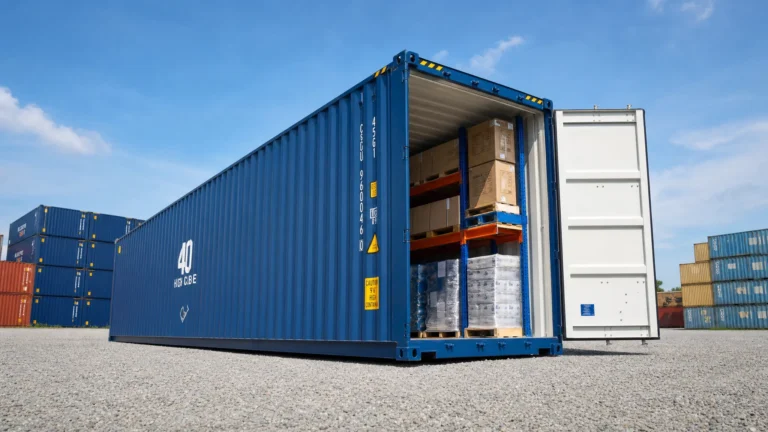
- 40ft reefers make sense for higher volume cold storage, distribution staging, and long-run shipping lanes. For buyers starting with the footprint question, our Raleigh-based overview of 40ft containers is a helpful baseline.
High Cube is a common term in dry containers (9'6" tall). In refrigerated containers, height and interior clearance vary by design, and insulation reduces usable space, so verify exact specs for the specific reefer model you are considering.
How reefers actually control temperature (and what they do not do)
A reefer unit does not “fill the box with cold.” It conditions circulating air.
Most units pull return air from the container interior, cool or heat it through the refrigeration system, then supply it back into the container through ducts to maintain setpoint. The T-bar floor helps move supply air under pallets and up through the load.
Two practical implications:
- Airflow is everything. If you block the floor channels, pack product tight to the walls, or use slip-sheets that seal the floor, you can get temperature variation even if the unit is working properly.
- A reefer is not a blast freezer. It is designed to maintain temperature of pre-cooled cargo, not rapidly pull down warm product.
Power requirements: what to plan for on your property
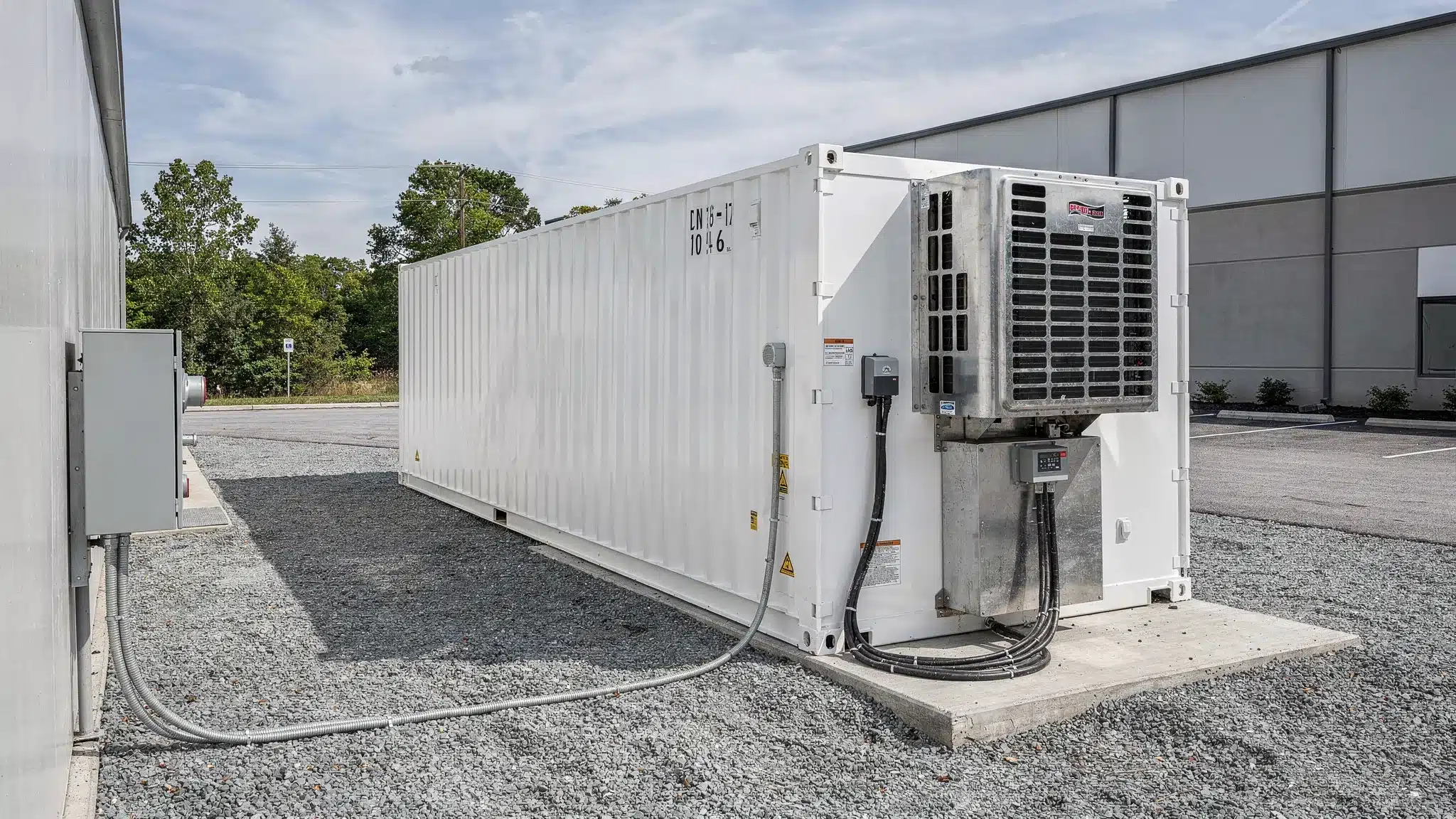
Reefers require reliable electrical power. In the U.S., many refrigerated containers are configured for high-voltage, three-phase power (commonly 460V 3-phase). Some units can be configured differently, so the only correct answer is: check the reefer data plate on the unit you are buying.
For stationary cold storage in North Carolina, you typically need to plan:
- A dedicated electrical circuit sized for startup current
- Outdoor-rated disconnects and safe cable routing
- Clearance around the refrigeration unit for airflow and service access
If you are shipping, you may also use a genset (generator set) mounted to a chassis or clip-on frame to keep the unit powered during over-the-road moves.
Container grades for refrigerated containers (One-Trip vs Cargo Worthy vs WWT)
Reefer buyers still need to speak the same language as the rest of the container market. At Lease Lane Containers LLC, we emphasize transparent grading because “used” can mean wildly different things.
Here is how the most common grades apply to refrigerated containers:
| Grade | What it typically means | Best fit for reefers | Key buyer reminder |
|---|---|---|---|
| One-Trip (new, one voyage) | Minimal wear, closest thing to “new” in the resale market | Premium cold storage, customer-facing sites, long planned service life | Verify power needs and placement, even “new” reefers still need correct site prep |
| Cargo Worthy (CW) | Structurally fit for intermodal transport, often tied to CSC requirements for export | Cold chain shipping, stacking, transport-focused use | “Cargo Worthy” describes the container structure, you still need reefer-unit performance verification |
| Wind & Watertight (WWT) | Weather-resistant for storage use, not necessarily export-certified | Stationary storage where appearance is secondary and shipping certification is not required | For reefers, clarify whether the refrigeration unit is operational or the box is being used as insulated storage |
If you are buying used, it also helps to understand broader used condition language and inspection expectations. Start with used container grades explained, then apply those principles to reefer-specific checks.
Reefer-specific inspection points (beyond a standard container)
A dry container inspection focuses on doors, gaskets, roof, floor, corner castings, and rust. A reefer inspection includes all of that, plus refrigeration performance and condition.
Reefer checks that commonly separate a good purchase from a costly one:
- Reefer hours meter and maintenance history (hours alone are not “bad,” but they indicate duty cycle)
- Evidence of Pre-Trip Inspection (PTI) or functional test results
- Door gasket integrity and door alignment (air leaks force longer run time)
- Interior liner condition (dents and punctures can compromise insulation and sanitation)
- T-floor condition (damaged channels can restrict airflow)
- Signs of oil residue, corrosion around the unit frame, or unusual vibration
When buyers skip these steps, they often end up with a reefer that technically “turns on,” but cannot hold temperature under load, which is where product loss happens.
What products and industries use refrigerated containers?
Refrigerated containers are common across the Southeast for both seasonal surges and long-term storage.
Examples where reefers are frequently a strong fit:
- Agriculture: produce staging, seed storage, and harvest overflow
- Food service and events: commissary storage, seasonal freezer space
- Small business inventory: temperature-sensitive ingredients or specialty goods
- Construction and disaster response: temporary cold storage when facilities are down
- Pharma and labs: certain temperature-sensitive supplies (always confirm regulatory requirements for your specific product)
Operational note: cold chain work can be high-stress and time-sensitive. If you manage teams running 24/7 operations, having support resources matters too. For organizations with staff in New York, Comprehensive Psychiatric Services in NYC is an example of a specialized practice offering evidence-based mental health care.
The biggest operating mistakes we see (and how to avoid them)
Most reefer problems in the field are not “mystery failures.” They come from predictable planning gaps.
Mistake 1: Putting a reefer on uneven ground
Reefers are heavy, and twist in the frame can create door sealing issues, water pooling, and long-term structural stress.
Mistake 2: Blocking airflow with the load plan
Avoid loading that seals off the floor channels or packs tightly against supply and return air pathways. Air needs a route.
Mistake 3: Underestimating power and electrical work
If you are placing a reefer on a farm or behind a small business in Raleigh, the electrical scope can be the difference between a smooth install and weeks of frustration.
Mistake 4: Using a reefer like a walk-in with constant door openings
If your team will be in and out all day, plan operational mitigations (strip curtains, process changes, staging) so temperature recovery is realistic.
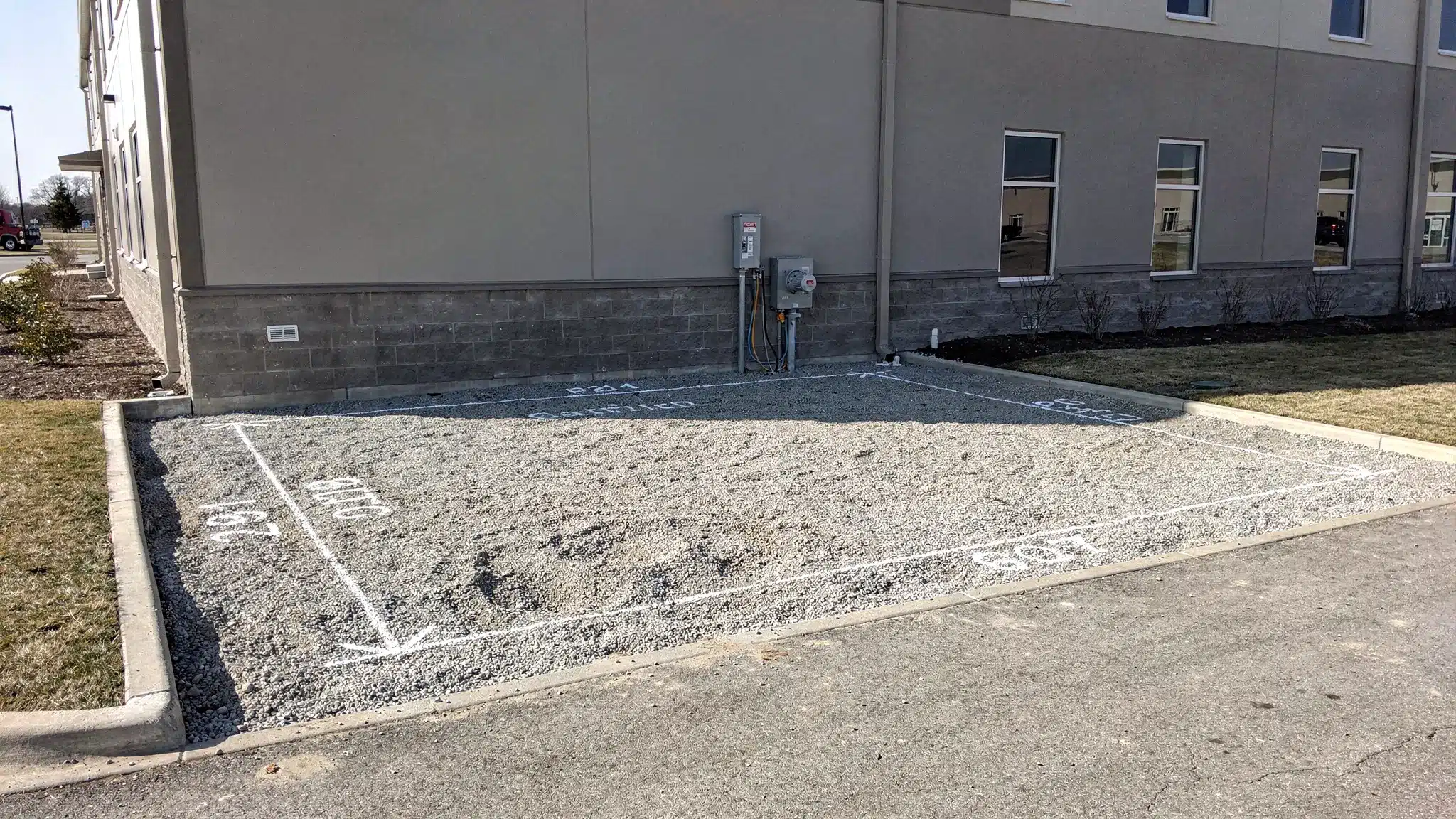
Pro-Tip (Site Prep): Build the pad and power plan before the container arrives
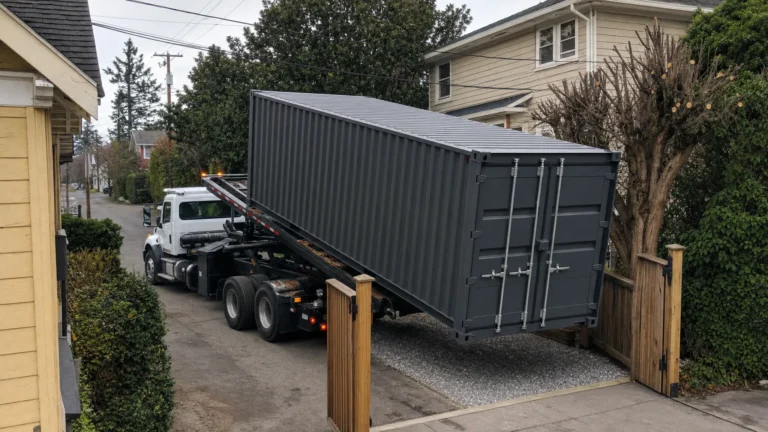
If you want your refrigerated container delivery in Raleigh or anywhere in North Carolina to go smoothly, treat site preparation as part of the project, not an afterthought.
A practical baseline that works for many properties:
- Leveling: Your drop area should be level enough that doors open and seal correctly. Small grade issues can become big reefer problems.
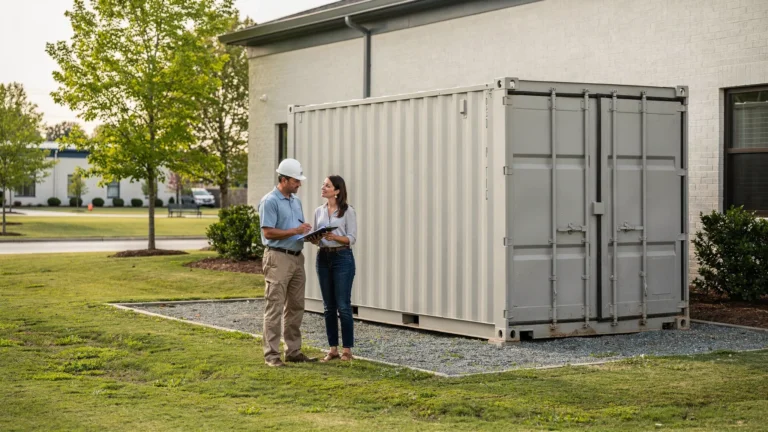
- Base: A compacted gravel pad is often the most cost-effective foundation for many sites, especially in the Southeast where drainage matters.
- Drainage: Grade water away from the container footprint. Standing water accelerates corrosion and can undermine the base.
- Permits/HOA: If you are in Wake County, within Raleigh city limits, or in an HOA community, verify whether a permit or approval is required before delivery.
- Power placement: Plan where the electrical disconnect and cable run will go, and keep safe clearance around the reefer unit for airflow and service access.
If you want a deeper, step-by-step approach, Lease Lane’s shipping container delivery requirements guide is a strong reference for access, clearance, and placement planning.
Quick decision guide: which refrigerated container should you choose?
Most buyers land in one of these three buckets:
- Premium cold storage on a visible site: Choose a One-Trip refrigerated container when aesthetics, lifespan, and reliability matter most.
- Cold chain shipping and transport: Choose a Cargo Worthy refrigerated container, and confirm documentation and reefer functionality for your lane.
- Budget insulated storage (not always running): In some cases, a used unit sold as WWT or “insulated storage” can be cost-effective, but only if you are clear about whether the refrigeration system is expected to operate.
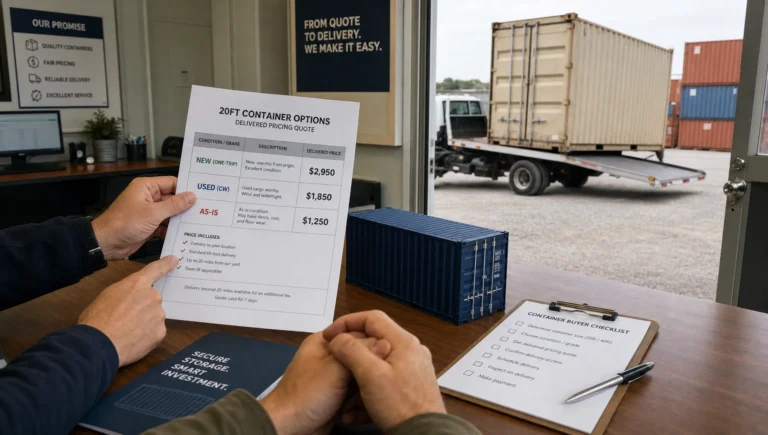
When you are comparing options, keep your quotes “apples to apples.” The same size reefer can vary widely depending on grade, reefer condition, and delivery requirements.
Frequently Asked Questions
What’s the difference between a refrigerated container and an insulated container? A refrigerated container (reefer) has an integrated refrigeration unit designed to control temperature. An insulated container may have insulation but no working refrigeration system, so it can slow temperature change but cannot actively cool.
Do refrigerated containers need three-phase power? Many reefers in the U.S. are configured for high-voltage, three-phase power (often 460V 3-phase), but configurations vary. Always verify the reefer data plate and plan your electrical work accordingly.
Is a Cargo Worthy reefer automatically guaranteed to cool properly? No. Cargo Worthy mainly refers to the container’s structural suitability for transport (often tied to CSC requirements). You still need reefer-unit performance verification, typically via a PTI or functional test.
Should I buy a 20ft or 40ft refrigerated container? It depends on volume, site space, and how you will use the unit. A 20ft reefer is easier to place on tight sites, while a 40ft reefer usually offers better capacity for distribution and staging.
Do I need a permit to place a refrigerated container in Raleigh, NC? Sometimes. Rules can vary by property type, zoning, and HOA requirements. It’s best to confirm before delivery, especially for long-term placement or commercial use.
Get the right refrigerated container delivered, without guesswork
If you are planning refrigerated storage or cold chain shipping in Raleigh, across North Carolina, or anywhere in the U.S., Lease Lane Containers LLC can help you choose the right size and grade, verify site access, and give clear delivered pricing.
Contact our team at sales@leaselanecontainers.com or visit our Raleigh office to talk through 20ft vs 40ft options, One-Trip vs Cargo Worthy vs WWT grades, and delivery planning.